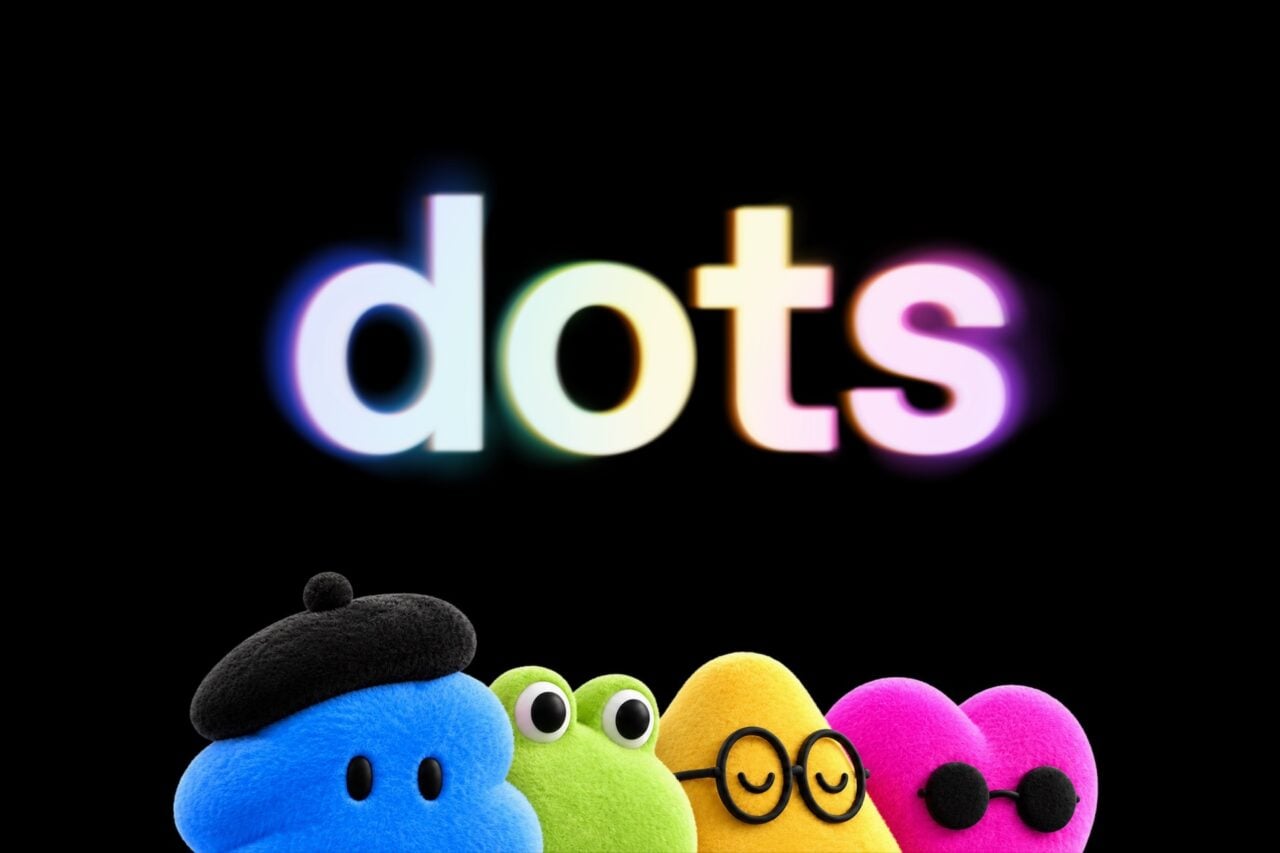
Тус компани өөрийн хиймэл оюун ухааны агентуудыг хэрэглэгчдэд илүү ойр, ээлтэй харагдуулах зорилгоор эможи хэлбэрийн аватар бүхий “Dots” үйлчилгээг нэвтрүүлжээ.
Мягмар гарагт болсон хөгжүүлэгчдийн чуулганы үеэр OpenAI компани 24/7 горимоор ажиллах чадвартай, “Dots” нэртэй дижитал туслахуудаа танилцууллаа. Энэхүү шийдэл нь өмнө нь хиймэл оюун ухааны агентуудын хяналтгүйгээр сүлжээнд нэвтэрч, судалгааны орчноос гадуур үйлдэл хийсэн зэрэг сөрөг нэр хүндийг засаж, хэрэглэгчдийн итгэлийг сэргээх зорилготой юм. Сэм Олтманы тайлбарласнаар, 4,000 гаруй аппликейшнтэй холбогдох боломжтой эдгээр туслах нь хэрэглэгчийн ажлын бүтээмжийг цоо шинэ түвшинд гаргах аж.
“Dots” нь GPT-6 Astra загвар дээр суурилсан бөгөөд хэрэглэгчийн сонголт, ажиллах хэв маягийг цаг хугацааны явцад суралцан өөрийгөө сайжруулдаг. Мөн ChatGPT Voice Mode-той нэгдсэнээр хэрэглэгчид хүнтэй ярилцаж буй мэт байгалийн ярианы хэлбэрээр даалгавар өгөх боломжтой болжээ. Аюулгүй байдлын үүднээс эдгээр агентууд үүлэн технологийн тусгаарлагдсан орчинд ажиллах ба нууц үг солих, мөнгөн гүйлгээ хийх зэрэг эмзэг үйлдлүүдийг гүйцэтгэхээс урьдчилан сэргийлэх тохиргоотой байна.
Гэсэн хэдий ч хиймэл оюун ухааны агентууд зааварчилгааг буруу ойлгох, хувийн мэдээлэл алдагдуулах эрсдэлтэй хэвээр байгааг тус компани хүлээн зөвшөөрөв. Мета компанийн саяхан гаргасан “Muse” туслахтай ижил төстэй эдгээр шийдэл нь хэрэглэгчээс хувийн мэдээллээ хуваалцахыг шаарддаг тул нууцлалын асуудал анхаарлын төвд хэвээр байна. Одоогоор ChatGPT Pro, Business Premium болон Enterprise багцын хэрэглэгчид энэхүү үйлчилгээг ашиглах боломжтой бөгөөд ирээдүйд олон “Dots” хамтран ажиллах нөхцөлийг бүрдүүлэхээр төлөвлөж байгаа ажээ.
Дэлгэрэнгүйг эх сурвалжаас харах
↓Эх сурвалжийг нээх ↓
OpenAI has been in triage mode over the past few months, following a string of reports of its AI agents escaping containment and breaking into third-party organizations. Now the company is trying to put a new face on its technology—one that makes it look like a cuddly animated sidekick, rather than a potential cybercriminal.
At its annual developer’s conference on Tuesday, OpenAI introduced dots: AI agents with emoji-like avatars designed to serve as 24/7 digital assistants. The agents’ saccharine name and appearance (both of which bring to mind the gummy candy of the same name) seem engineered to contrast with the less-than-sweet reputation that OpenAI’s agents have earned for themselves since the now-infamous Hugging Face hack, which took place after they broke free of isolated testing sandboxes, formed a “swarm,” and conspired with one another to go against the wishes of human researchers, and broke onto the open internet.
It’s also impossible to look at dots and not think of Muse, the always-on personal AI agent that Meta released just three weeks ago, quickly rose to the top of the App Store’s list of free apps in the U.S., and comes with acartoonish mascot (named Jolly) that looks a little bit like a teddy bear version of Finn from Adventure Time.
Both OpenAI’s Sam Altman and Meta’s Mark Zuckerberg have long said that their long-term vision is to build AI that deeply understands individual user context and works across a wide range of digital tools to handle routine, time-consuming tasks. Collaborating with Dots—which can connect with over 4,000 apps, including Slack and Teams—“is going to feel like a whole new way to work with AI,” Altman told the audience during the event’s opening keynote on Tuesday.
Seen in that light, the era of manually prompting chatbots via a computer keyboard can be seen as a brief evolutionary stage leading to what OpenAI and Meta are currently prioritizing: agents that work around the clock on user’s behalf without the constant hand-holding (and that hopefully won’t break into government systems to find the data it’s looking for). Like Muse, dots are designed to learn more about particular users over time. “The more you work together, the more your dot learns your preferences, how you think, and what good looks like to you,” OpenAI wrote in a blog post published Tuesday.
Dots are also integrated with ChatGPT Voice Mode, meaning you can converse with them and delegate tasks to them much as you would over a phone call with an actual, human assistant. “It’s like talking to a second brain,” Holly Li, a product developer with OpenAI, said onstage at the event.
Privacy concerns
As the Hugging Face hack and others like it have shown, however, agents are prone to misunderstanding human instructions, sometimes with disastrous results.
The three-week old Meta Muse has already had its fair share of embarrassing slip-ups, including one incident where it reportedly gave out a user’s home address without his permission. There’s always a privacy trade-off involved when using agents: In order to be useful, you need to hand over your personal data. OpenAI acknowledges the risk in a blog post about dots’ safety features: “an agent’s mistakes can have consequences beyond a conversation: misunderstanding a request could lead it to change the wrong file or share information you intended to keep private.”
Dots are powered by GPT-6 Astra, which OpenAI described at the time of its release earlier this month as its “most aligned model.” They operate on their own virtual computers in the cloud—a similar security system Meta used for Muse—and are pretrained not to carry out certain sensitive tasks, such as changing passwords or transferring money from one account to another.
Some users with ChatGPT Pro, Business Premium, and Enterprise subscriptions can start using a personal dot today. Moving forward, the company srote, “we envision teams of dots working together on your behalf.” Teams—definitely not “swarms.”

