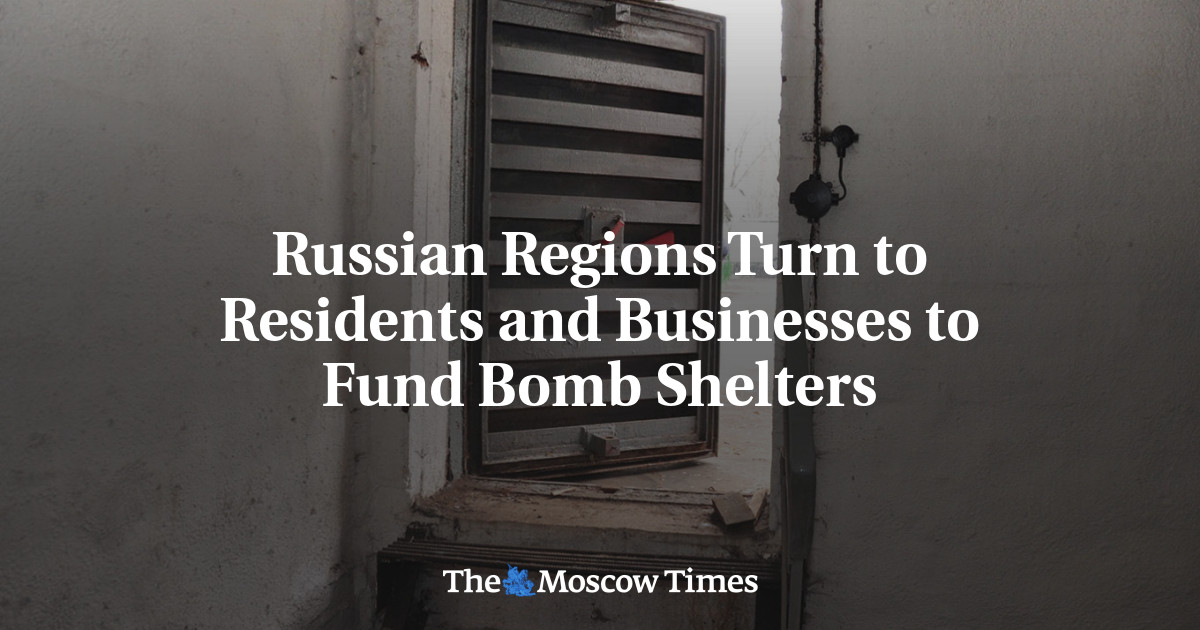
Украйны дайны улмаас иргэний хамгааллын дэд бүтцээ бэхжүүлэх шаардлага тулгарсан ОХУ-ын эрх баригчид бөмбөгдөлтөөс хамгаалах байрны засвар, тохижилтын зардлыг орон нутгийн оршин суугчид болон аж ахуйн нэгжүүдэд хариуцуулж эхэллээ.
ОХУ-ын Онцгой байдлын яам улс даяар 20,000 гаруй хамгаалалтын байгууламжийг сэргээн засварлах хөтөлбөр хэрэгжүүлж байгаа бөгөөд үүнд 155 тэрбум рубль буюу 1.88 тэрбум ам.долларын төсөв шаардлагатай гэж үзэж байна. 2025 оны тавдугаар сараас эхлүүлсэн Зөвлөлтийн үеийн хоргодох байруудыг шинэчлэх уг ажлыг Украйны дайнтай холбогдуулан нэн яаралтай хэрэгжүүлэх шаардлагатай гэж тус яамны сайд Александр Куренков өнгөрсөн хоёрдугаар сард мэдэгдсэн юм.
Санкт-Петербург хотод барилгын эзэмшигчдэд хамгаалалтын байгууламжаа бэлэн байдалд оруулах үүрэг өгсөн бол Екатеринбург хотын оршин суугчид орон сууцны доорх зогсоолыг хоргодох байр болгон тохижуулах зардлыг нийтийн үйлчилгээний төлбөрөөр дамжуулан гаргахаар болжээ. Тухайлбал, Екатеринбургт нэг иргэнээс 841 рубль буюу 10.18 ам.долларыг нэг удаагийн хураамж хэлбэрээр төлөх шийдвэр гарсан байна.
Омск хотод цэцэрлэгийн насны хүүхдүүдийн эцэг эхээс хоргодох байранд шаардлагатай ус, суудлын хэрэгсэл бэлтгэхэд зориулж 200 рубль буюу 2.42 ам.доллар хандивлахыг хүсжээ. Орон нутгийн эрх баригчид уг арга хэмжээг иргэдийн боломжид тулгуурласан сайн дурын ажил гэж тайлбарлаж байгаа боловч иргэний хамгааллын үүрэг хариуцлагыг орон сууцны нэгдлүүд болон иргэдэд шилжүүлж буй нь тодорхой байна.
Дэлгэрэнгүйг эх сурвалжаас харах
↓Эх сурвалжийг нээх ↓
Authorities in several Russian regions are turning to residents and businesses to pay for bomb shelters and protection against drone attacks, local media reported, as the country restores its civil defense infrastructure amid the war in Ukraine.
Building owners in St. Petersburg have received orders to equip shelters, while apartment residents in Yekaterinburg have been asked to approve charges for converting underground parking facilities. In Omsk, parents of kindergarten children have been asked to contribute toward supplies for a basement shelter.
The measures would shift some preparation costs to households and businesses as Russia works to restore more than 20,000 protective facilities across 82 regions, a program the Emergency Situations Ministry estimates will require about 155 billion rubles ($1.88 billion).
In St. Petersburg, owners of buildings containing civil defense facilities have received notices requiring them to prepare the shelters, BFM news websitereported. The St. Petersburg Pharmaceutical Factory was ordered to put an underground facility near the Nevskaya Ratusha complex in order. Similar instructions have been sent to municipal authorities.
The requirements apply both to apartment buildings with existing shelter facilities and to those without them, Nikolai Pitirimov, co-chairman of the board of the St. Petersburg Clean Technologies Cluster for the Urban Environment, told BFM.
Buildings must provide at least temporary shelter, with the responsibility falling on homeowners’ associations, he said.
In Yekaterinburg, residents of one district received notices asking them to vote on equipping shelters in underground parking facilities, local news outlet E1 reported.
The Akademichesky property management company said a one-time charge of 841 rubles ($10.18) per person registered as living in an apartment would appear as a separate item on utility bills. The company said the amount was set by a governor’s decree.
In Omsk, about 2,500 kilometers from the Ukrainian border, parents at one kindergarten were asked to contribute 200 rubles ($2.42) per child for benches and emergency water supplies in a basement being converted into a shelter, the local outlet Gorod55 reported, citing residents.
City authorities said parents had only been advised to help provide supplies and prepare the basement as their means allowed.
Emergency Situations Minister Alexander Kurenkov said in February that his ministry was restoring more than 20,000 civil defense facilities nationwide.
Russian authorities began a large-scale reconstruction and modernization program for Soviet-era shelters in late May 2025. At the time, Kurenkov said restoring the civil defense system had become increasingly urgent because of the war in Ukraine.

