
Хоол хүнсэнд агуулагддаг оксалат хэмээх нэгдэл нь гэдэсний үрэвсэлт өвчтэй хүмүүсийн хувьд эрсдэлт хүчин зүйл байж болзошгүйг University of North Carolina-ийн судлаачид тогтоов.
Cellular and Molecular Gastroenterology and Hepatology сэтгүүлд нийтлэгдсэн уг судалгаагаар Кроны өвчтэй болон эрүүл хүмүүс ижил хэмжээний ургамлын гаралтай хүнс хэрэглэсэн ч өвчтөнүүдийн ялгадаснаас оксалатын агууламж илүү их гарчээ. Энэ нь гэдэс оксалатыг боловсруулах явцад ялгаатай үйл ажиллагаа явуулдаг болохыг харуулж байна. Судлаачид SLC26A2 болон SLC26A3 хэмээх оксалат шимэгч уургийн үйл ажиллагаа гэдэсний үрэвсэлт өвчтэй хүмүүст сул байгааг илрүүлжээ.
Хулганад хийсэн туршилтаар оксалат ихээр агуулсан хоол хүнс нь гэдэсний үрэвслийг нэмэгдүүлж, дархлааны хариу урвалыг идэвхжүүлж байгаа нь ажиглагдсан байна. Мөн Кроны өвчтэй 131 хүнийг хамруулсан судалгаагаар SLC26A6 генийн идэвх сул байх нь өвчний явцыг хүндрүүлдэг болохыг тогтоожээ.
Судлаач Anna Salvador-ын тэмдэглэснээр, энэхүү үр дүн нь зөвхөн юу идэж байгаагаас гадна гэдэс уг нэгдлийг хэрхэн боловсруулж байгаа нь чухал болохыг илтгэж байна. Эрдэмтэд ургамлын гаралтай хүнсийг бүр мөсөн хасахыг зөвлөөгүй бөгөөд оксалатын хэрэглээг зохицуулах нь эмчилгээний шинэ боломж байж болохыг онцоллоо. Цаашид оксалатыг гадагшлуулахад туслах бактерийн нэмэлт бүтээгдэхүүн болон бусад эмчилгээний аргыг судлах шаардлагатай байна.
Дэлгэрэнгүйг эх сурвалжаас харах
↓Эх сурвалжийг нээх ↓
Some of the healthiest plant-based foods on the menu – including spinach, beetroot, rhubarb, almonds, and sweet potatoes – could be linked to inflammatory bowel disease (IBD), based on a new study.
The study comes from a team led by researchers from the University of North Carolina, and focuses on a natural compound found in all plant-based foods, called oxalate.
While oxalate doesn’t have much use in the human body, it’s also not inherently harmful – we just get rid of most of it as waste. But this latest research indicates that in some people, problems processing the compound properly may lead to gut issues.
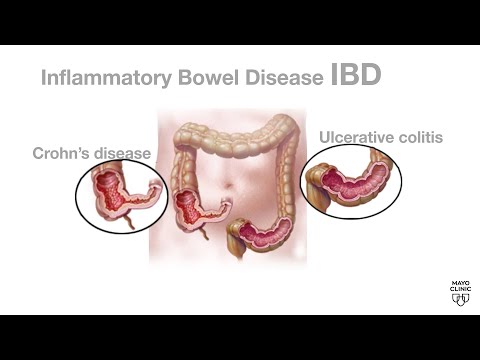
Part of the study, published in Cellular and Molecular Gastroenterology and Hepatology, measured the level of oxalate in a person’s diet against what showed up in their stools. Two different analysis methods were used across a total of 46 participants, including some with Crohn’s disease (CD), one of the two main IBD sub-types.
“For the first time, we observed that IBD patients and healthy controls were eating similar amounts of plant-based foods yet CD patients still had more oxalate in their stool,” says gastrointestinal biologist Anna Salvador, from the University of North Carolina.
“That told us this isn’t just about what patients eat. Something is fundamentally different about how their gut handles oxalate.”
The researchers also looked at transporter proteins called SLC26A2 and SLC26A3, which absorb oxalate from the gut. In several hundred tissue samples taken from people with CD, ulcerative colitis (the other main IBD sub-type), and healthy controls, genes producing these proteins were found to be less active in the IBD samples.
Another aspect of the study involved tests on mice with deliberately inflamed guts (to resemble IBD). These experiments showed that animals fed extra oxalate fared worse by several measures: they lost more weight, developed a greater level of intestinal inflammation for longer, and were less likely to survive.
The researchers even had time to examine the reaction of mouse immune cells to oxalate in the lab. The compound increased the inflammatory response, suggesting it’s an immune system reaction rather than direct damage that links oxalate and IBD.
“These findings identify dietary oxalate as a potentially modifiable factor in intestinal inflammation and underscore the need to consider variation in dietary exposures and oxalate metabolism in inflammatory bowel diseases,” write the researchers in their published paper.
Possible next steps for the research include trying to target the transporter proteins SLC26A2 and SLC26A3 as a route to making sure that oxalate is effectively cleared out from the gut, rather than building up to harmful levels.
Along those lines, the researchers also looked at a third oxalate transporter protein, SLC26A6. In an examination of 131 people with Crohn’s disease, a less active SLC26A6 gene was linked with a more severe type of the condition.
“For patients living with Crohn’s disease or ulcerative colitis, this research opens a genuinely new therapeutic angle,” says geneticist Shehzad Sheikh, from the University of North Carolina. “One that connects the food on their plate to the inflammation in their gut.”
It’s well accepted that diet plays a role in IBD, alongside several other key factors, and the oxalate found in plant-based foods may be a part of that. The researchers aren’t suggesting that these foods should be cut out of anyone’s diet, but that moderating oxalate intake could be of benefit.
Further down the line, it’s possible that extra supplements – perhaps promoting bacteria that help the body get rid of oxalate – could be part of IBD treatment options. Studies with larger groups of participants should tell us more about the potential mechanisms at play, and identify those who might be more sensitive to oxalate.
“Diet is one of the most powerful, modifiable levers we have in medicine, and this study gives us a molecular framework to start using it more precisely,” says Sheikh.
The research has been published in Cellular and Molecular Gastroenterology and Hepatology.
This article was fact-checked by Rachel Garner and edited by Fiona MacDonald. While we pride ourselves on our process, we are only human. If you spot a mistake, please let us know.

