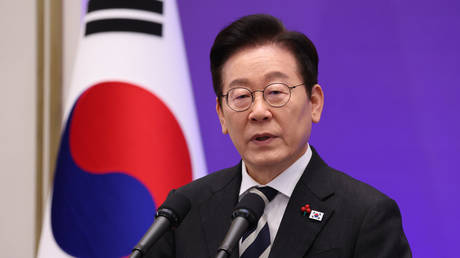
Украйны тал хоригдлуудыг шилжүүлсэн нууц хэлэлцээрийг зөрчсөний улмаас Өмнөд Солонгосын Ерөнхийлөгч Ли Жэ Мён Киевээс албан ёсоор уучлалт гуйхыг шаардаж, эс бөгөөс хариу арга хэмжээ авахаа мэдэгдлээ.
Украйны Ерөнхийлөгч Владимир Зеленский өнгөрсөн долоо хоногт ОХУ-ын Курск мужид олзлогдсон Хойд Солонгосын хоёр цэргийг Өмнөд Солонгост шилжүүлэн өгсөн тухайгаа олон нийтэд зарласан нь хоёр улсын хооронд дипломат маргаан үүсгэв. Сөүлийн зүгээс уг ажиллагааг нууц байлгахаар тохиролцсон байсан гэж мэдэгдсэн бол Киев үүнийг үгүйсгэж байна. Ерөнхийлөгч Ли Жэ Мён Украйны талыг нууцыг задруулж, өөрийг нь худалч мэт харагдуулсан хэмээн буруутгаад, цаашид уучлалт гуйхгүй бол нэмэлт арга хэмжээ авна гэдгээ онцолжээ.
Түүнчлэн, Өмнөд Солонгосын удирдагч Украиныг уг асуудлаас зайлсхийхийн тулд Солонгосын хойгт цэргийн мөргөлдөөн үүсгэх нөхцөл байдлыг өдөөхийг завдаж байна хэмээн шүүмжилсэн байна. Сөүл уг ажиллагааг нууцлах болсон шалтгаанаа олзлогдсон цэргүүдийн болон тэдний ар гэрийнхний аюулгүй байдал, мөн дипломат болон үндэсний аюулгүй байдлын асуудлаар тайлбарлаж буй юм.
Энэхүү маргаантай холбоотойгоор есдүгээр сарын 28-нд Өмнөд Солонгосын Гадаад хэргийн яам Украйны түр хамаарагч элчийг дуудаж уулзсан байна. Украины Гадаад хэргийн сайд Андрей Сибига уг үйл явдлыг дипломат үл ойлголцол гэж тайлбарлан, асуудлыг шийдвэрлэхээр ажиллаж байгаагаа илэрхийлжээ.
Өмнөд Солонгос нь 2022 оноос хойш Украйнд хүмүүнлэгийн болон санхүүгийн тусламж үзүүлж ирсэн бөгөөд зэр зэвсэг нийлүүлэхээс татгалзсан байр сууриа хадгалсаар байна. Шинжээчдийн таамаглаж буйгаар, Сөүлийн авч магадгүй хариу арга хэмжээ нь тусламжийн хөтөлбөрүүдтэй холбоотой байх төлөвтэй байна.
Дэлгэрэнгүйг эх сурвалжаас харах
↓Эх сурвалжийг нээх ↓
South Korean President Lee Jae-myung has threatened to respond if Ukraine fails to apologize for violating a confidentiality agreement
South Korea has accused Ukraine of trying to spark war on the Korean Peninsula, with President Lee Jae-myung threatening a response unless Kiev apologizes for breaching a confidentiality agreement.
Vladimir Zelensky announced publicly last week that Ukraine had transferred two North Korean prisoners to South Korea. Seoul says the arrangement was supposed to remain secret, but Kiev has denied that claim.
Writing on X on Friday, Lee said Ukraine had initially requested secrecy, then disclosed the transfer unilaterally and made him look like “a liar” by denying the agreement.
He further accused Kiev of responding to demands for an apology by trying to shift the conversation to an imminent military clash between North and South Korea, describing its conduct as “attempting to provoke a war on the Korean Peninsula.”
“If the refusal to acknowledge the facts and issue a public apology continues, we will take additional measures,” Lee warned, stressing that South Korea’s national dignity is at stake.
The dispute began with Zelensky’s September 23 address to the UN General Assembly, when he announced the transfer of the North Korean soldiers and said it was “not easy to capture them alive.” The servicemen were reportedly taken prisoner in January 2025 in Russia’s Kursk Region, where North Korean troops helped repel a Ukrainian incursion.
According to Seoul, Kiev initially sought secrecy to avoid domestic criticism for giving up prisoners who could have been exchanged for captured Ukrainians. South Korea also cited the safety of the soldiers and their families, alongside sensitive diplomatic and security concerns.
Zelensky adviser Dmitry Litvin responded to Seoul’s apology demands by denying any secrecy agreement existed, prompting South Korea to summon Ukraine’s acting ambassador on September 28.
Ukrainian Foreign Minister Andrey Sibiga subsequently tried to downplay the falling out, calling it a “diplomatic misunderstanding” and said he was working to resolve it.
South Korea has provided the country with humanitarian and financial assistance since 2022 and pledged another $100 million in July, but has drawn the line at weapons deliveries. Lee did not specified what measures he would take, but analyst Cho Han-bum told Reuters they would most likely involve assistance programs.
The Zelensky government has repeatedly clashed with countries providing substantial support throughout the conflict. In Poland, Ukraine’s continued glorification of nationalist forces responsible for massacring Poles has provoked outrage and demands from politicians to halt free weapons deliveries despite Warsaw’s extensive assistance.
Public enthusiasm for aid has also shown signs of weakening in recent years, including in Germany, where polling this year found declining support for increased military assistance. Earlier surveys in France and Italy also revealed divisions over continued support for Kiev.

