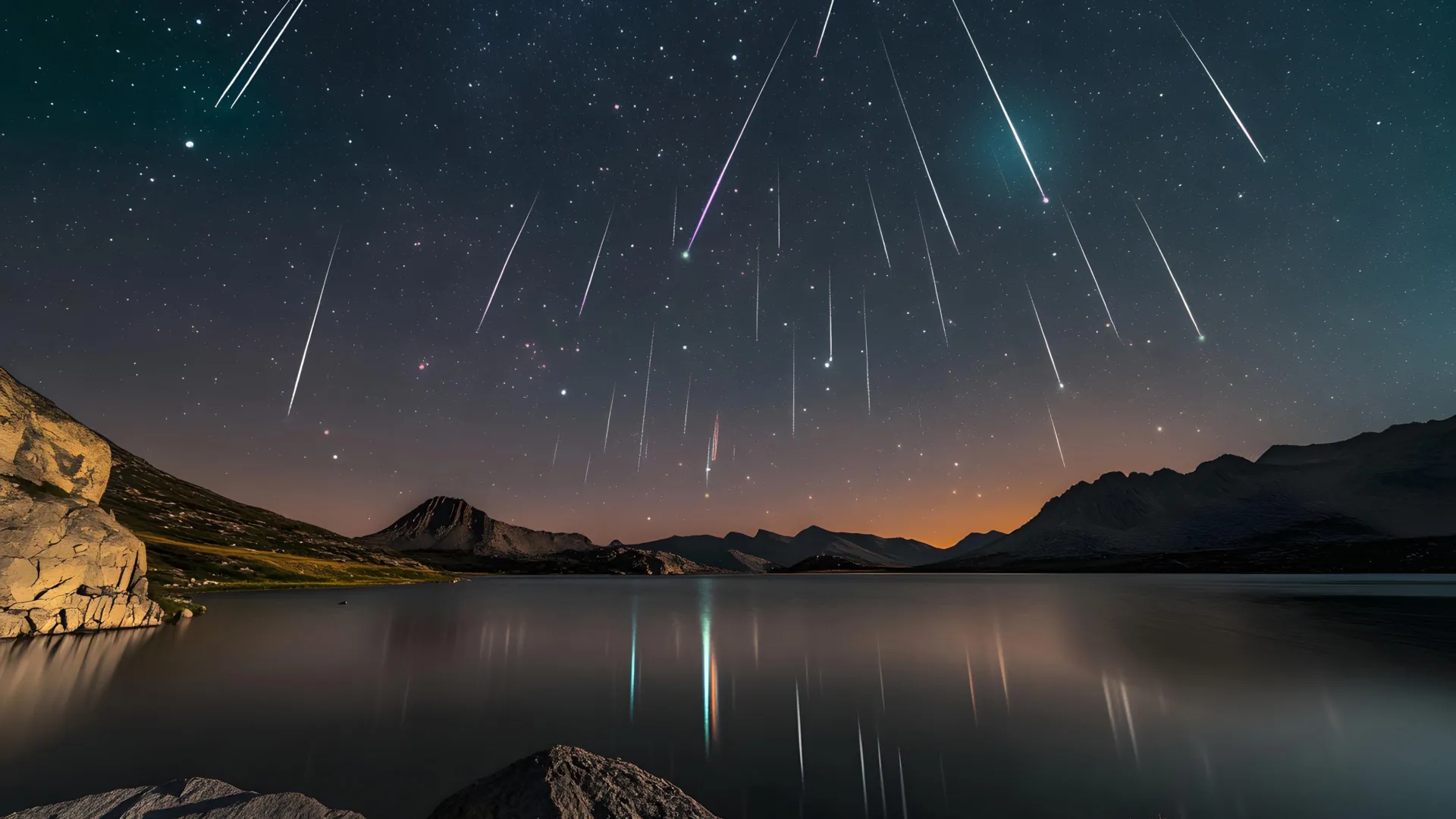
Одон орон сонирхогчид аравдугаар сард Санчир гарагийн сөрөг байрлал, Орионид солирын бороо болон Плеядын одны бөөгнөрлийг ажиглах боломжтой.
Аравдугаар сарын 4-нд Санчир гараг сөрөг байрлалд орсноор дэлхийгээс хамгийн тод харагдах үе тохионо. Энэ үеэр дэлхий Нар болон Санчир гарагийн хооронд байрлах тул Санчир гараг нар жаргах үед мандаж, шөнийн турш үзэгдэх юм. Үүний зэрэгцээ эрдэмтэд тус гарагийн агаар мандал дахь өөрчлөлтийг анхааралтай ажиглаж байна. NASA-гийн Hubble Space Telescope-ийн мэдээллээр, Санчир гарагийн өмнөд туйлыг тойрсон арав талт агаар мандлын долгион эрчимжиж байгаа нь судлаачдад агаар мандлын томоохон бүтцийн хөгжлийг ажиглах ховор боломжийг олгож байна.
Аравдугаар сарын 21-нээс 22-нд шилжих шөнө Халлейн сүүлт одны үлдэгдэл хэсгүүдээс бүрдэх Орионид солирын бороо оргил үедээ хүрнэ. Солирууд Орион одны зүгээс ирж буй мэт харагдах боловч тэнгэрийн аль ч хэсэгт үзэгдэх боломжтой. Гэвч энэ жил сарны гэрэл хэт тод байх төлөвтэй байгаа тул сар жаргасны дараа үүрийн гэгээнээс өмнөх хэдэн цагт ажиглах нь хамгийн тохиромжтой.
Мөн аравдугаар сарын 27-ноос 28-нд шилжих шөнө сар Плеядын одны бөөгнөрөлтэй зэрэгцэн өнгөрөх үзэгдэл ажиглагдана. Эртний олон соёл иргэншлийн түүхэнд чухал байр суурь эзэлдэг “Долоон эгч” хэмээн алдаршсан энэ бөөгнөрлийг дуран авайгүйгээр харахад бүдэгхэн 6-7 одны цуглуулга мэт харагддаг. Одон орон сонирхогчид дуран авай эсвэл телескоп ашиглан илүү нарийвчлалтай харах боломжтой.
Дэлгэрэнгүйг эх сурвалжаас харах
↓Эх сурвалжийг нээх ↓
October offers several memorable sights for skywatchers, including Saturn at opposition, the Orionid meteor shower, and a close pairing of the Moon and the Pleiades, also known as the Seven Sisters.
Skywatching Highlights
- Oct. 4: Saturn reaches opposition, making the ringed planet visible for much of the night
- Oct. 6: A thin crescent Moon appears close to bright Jupiter before sunrise
- Oct. 21-22: The Orionid meteor shower peaks; moonlight may interfere, so look before dawn after moonset
- Oct. 27-28: The Moon passes near the Pleiades star cluster, also known as the Seven Sisters
Saturn leads October’s celestial lineup, followed later in the month by meteors linked to Halley’s Comet and a close encounter between the Moon and one of the best known star clusters in the night sky. Together, these events make October a busy month for anyone looking up after sunset or before dawn.
[See Video Link After Article.]
Saturn Reaches Opposition
On October 4th, Saturn reaches opposition, offering one of the best viewing opportunities of the year for the ringed planet.
Opposition occurs when Earth moves between the Sun and Saturn. From our perspective, Saturn then appears on the opposite side of the sky from the Sun. As a result, the planet rises around sunset and remains visible for much of the night.
Saturn is also drawing scientific attention because of unusual activity in its atmosphere. Astronomers have long studied a hexagon shaped jet stream stretching nearly 20,000 miles across the planet’s north pole.
More recently, observations from NASA’s Hubble Space Telescope revealed a ten sided atmospheric wave surrounding Saturn’s south pole. The feature, located in the southern hemisphere, appears to be growing stronger. That gives researchers a rare chance to observe a massive atmospheric structure as it develops.
Orionid Meteor Shower Peaks in October
The Orionid meteor shower reaches its peak during the night of October 21st and into the morning of October 22nd.
These meteors come from small pieces of material left behind by Halley’s Comet. Although the Orionids appear to originate from the direction of the constellation Orion, individual meteors can flash across any area of the sky.
Viewing conditions will not be ideal for the entire night this year. A bright waxing gibbous Moon is expected to overpower some of the fainter meteors.
The best opportunity to see the shower may arrive during the few hours before dawn, after the Moon has set. For better viewing, find a dark location away from bright lights, allow your eyes time to adjust, and scan as much of the sky as possible.
The Moon Meets the Seven Sisters
Another striking sight arrives on the night of October 27th into the 28th, when the Moon passes close to the Pleiades star cluster, also known as the Seven Sisters.
The Pleiades have inspired stories in many ancient cultures. Part of their widespread importance may come from the fact that the cluster can be seen from nearly every part of the world.
To find the pairing, look toward the east during the evening as the Moon and the Pleiades rise higher in the sky. To the unaided eye, the cluster looks like a slightly hazy group of 6 to 7 stars.
No special equipment is required to see the Pleiades, but binoculars or a telescope can reveal the cluster in much greater detail.

