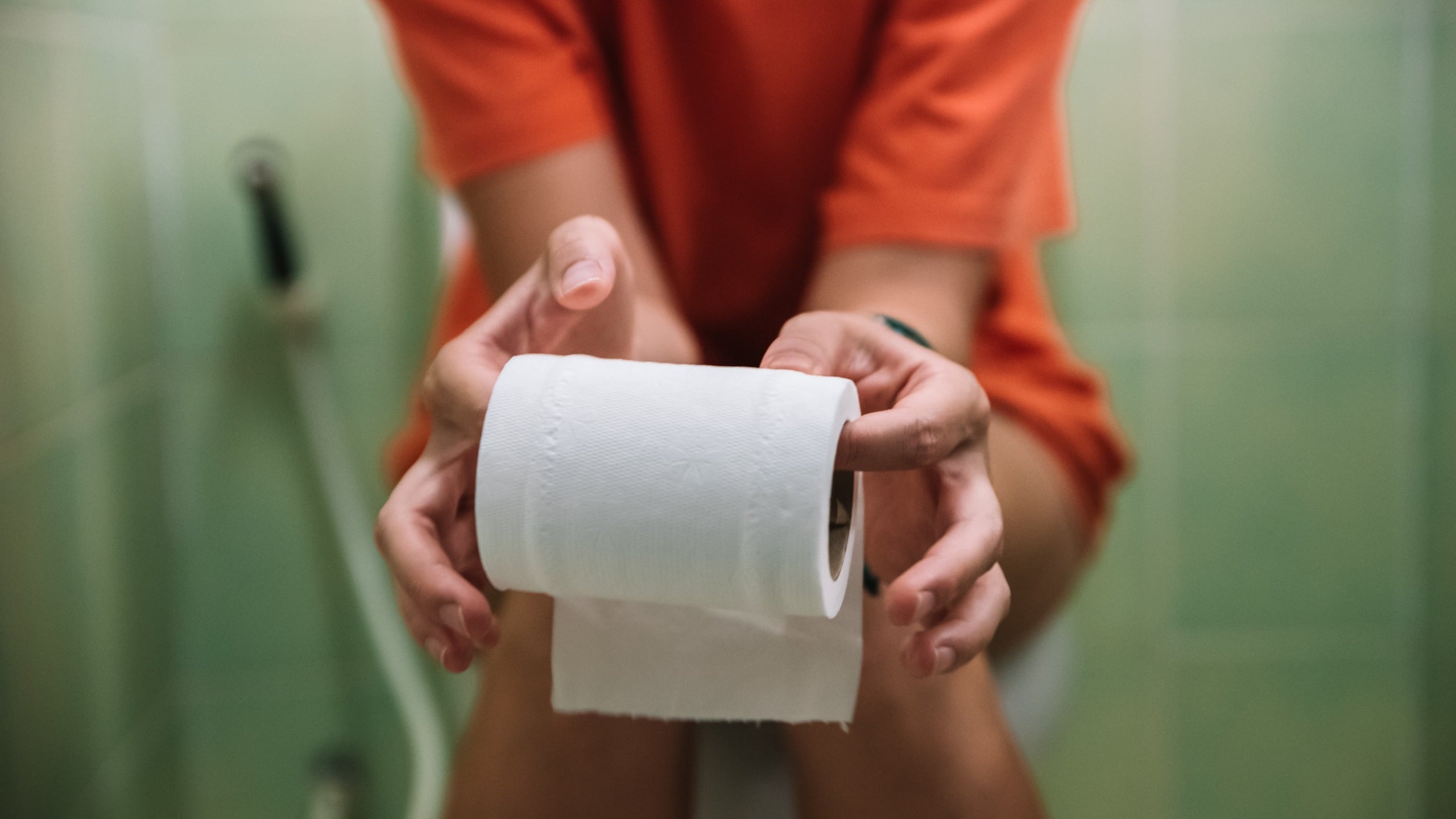
Өтгөн хөвөх нь гэдэсний бичил биетэн болон хийн солилцоотой холбоотой байж болохыг шинжлэх ухааны судалгаанууд харуулж байна.
Өтгөн суултуурт үлдэхгүй, “алга болох” үзэгдлийг шинжлэх ухаанд өтгөн хөвөх гэж тодорхойлдог бөгөөд энэ нь ихэвчлэн гэдэс хийгээр дүүрсэнтэй холбоотой байдаг. 1972 онд хийсэн судалгаагаар хөвдөг өтгөн нь шингэдэг өтгөнөөс илүү их хэмжээний метан хий агуулдаг болохыг тогтоожээ. Мөн 2022 онд явуулсан туршилтаар гэдэсний бичил биетэн бүхий хулгануудын өтгөн хөвж байсан бол, нянгүй орчинд өсгөсөн хулгануудынх живж байсан нь гэдэсний микробиом өтгөний нягтралд нөлөөлдөг болохыг баталсан байна.
Гэдэсний хий үүсгэгч бичил биетүүд нь эслэгийг задалж, исэлдүүлэх үйл явцад оролцдог тул гэдэсний эрүүл мэндэд эерэг нөлөөтэй байж болно. Тухайлбал, 2021 оны судалгаагаар Газар дундын тэнгисийн орнуудын хүнсний хэрэглээ нь гэдэсний бичил биетний үйл ажиллагааг идэвхжүүлж, хийн ялгаралтыг нэмэгдүүлдэг болохыг тогтоожээ. Гэвч өтгөн хөвөх нь зарим тохиолдолд хоол боловсруулах тогтолцооны эмгэгтэй холбоотой байх магадлалтай.
2015 болон 2018 оны судалгаануудаар өтгөн хөвөх шинж тэмдэг нь гэдэсний үйл ажиллагааны хямрал, тухайлбал, цочромтгой гэдэсний хам шинж (IBS) болон 1-р хэлбэрийн чихрийн шижин өвчтэй хүмүүст илүү түгээмэл ажиглагдсан байна. Мөн тослог өтгөн хөвөх нь бие махбод өөх тос болон зарим амин дэмийг бүрэн шингээж чадахгүй байгаагийн шинж байж болзошгүй юм.
Bowel Cancer Australia байгууллагын бүдүүн гэдэсний мэс засалч Пенелопе Де Лакавалерин хүмүүсийг өөрийн өтгөний өнгө, хэлбэр, нягтралыг тогтмол ажиглаж байхыг зөвлөж байна. Энэ нь гэдэсний эрүүл мэндийн талаарх чухал мэдээллийг өгч болох ч, өтгөн хөвөх нь дангаараа өвчний шинж тэмдэг биш бөгөөд нарийн шалтгааныг тогтооход хэцүү гэдгийг мэргэжилтнүүд онцолж байна.
Дэлгэрэнгүйг эх сурвалжаас харах
↓Эх сурвалжийг нээх ↓
‘Ghost poops’. They haunt the U-bends of our toilets and spook us into thinking we haven’t gone number two yet.
But are these phantom feces a sinister sign?
In some cases, they may actually be a good thing. They could indicate that your intestines have sucked out most fatty oils or bile.
Today, scientists are still learning how to ‘read into’ the shape, density, or composition of our poops.
But emerging evidence suggests that ghost poops, or stools that leave no sign in the toilet bowl, could reveal important clues about gut health.
In both humans and animals, several lines of research suggest that trapped gas can make stools float, and that gas-producing gut microbes may be responsible.
The gas connection was first uncovered way back in the 1970s.
In a study of 33 healthy human subjects, scientists counted 9 participants who produced ‘floaters’ and 24 who produced sinking stools.
This suggests that both outcomes can be ‘healthy’, but with one distinct difference.
According to researchers at the time, the sinking stools were sinking because they lacked trapped gas.
Floating stools, by comparison, had higher trapped gas content, specifically methane produced in the colon.
After removing these gases, the floaters and sinkers ended up with similar densities.
The authors concluded at the time that stools float because of an increased content of gas or water, or both.
So what does that say about gut health?
No one knows for certain, but some research suggests that floaters are linked to gut health issues.
In 2015, a study found that 26 percent of patients with functional bowel disorders reported floating stools, compared with 3 percent of patients with other functional gut disorders.
Of all the conditions studied, only mixed irritable bowel syndrome (IBS), which involves alternating constipation and diarrhea, was independently linked to floaters.
In 2018, a study found that floaters were reported by nearly 13 percent of participants with type 1 diabetes, compared with just 5 percent of controls.
Evidence suggests that fatty or greasy stools tend to float, which may mean the body hasn’t absorbed fat and some vitamins properly.
But that doesn’t mean sinkers are always superior.
In 2022, researchers made a serendipitous discovery.
They found that, among mice, the buoyancy of an animal’s feces differed between individuals bred to be ‘germ-free’.
This means that the mice lacked a gut microbiome. These germ-free individuals also produced sinking stools.
When scientists colonized the guts of these mice with bacteria and other gas-producing microbes, however, the stools began to float.
“By introducing microorganisms into the gut of germ-free mice, we have conclusively demonstrated that gut colonization of microbiota is a prerequisite for feces to float,” the authors concluded.
Scientists are still trying to understand which gut microbes are most beneficial to our health, and why.
That’s extremely difficult, as tens of trillions of microbes reside in the average human gut, with probably hundreds of species.
Their benefits or even their harms are often dependent on their relative abundance, and their interactions with other microbes and the foods we eat.
But gas-producing microbes in the gut may be a good sign. They can help break down fiber and produce fermentation products.
In 2021, for instance, a randomized trial of 20 healthy men found that two weeks on a fiber-rich Mediterranean diet produced more farting and more gas after meals than a standard Western diet.
There were also changes in the metabolism of gut microbes.
The Mediterranean diet is thought to be better for the gut than a Western diet, and so this may indicate a positive turn of events.
But the gut microbiome is a finely balanced system, and it’s possible that too much gas trapped in stool may have negative associations, too.
The key is to pay attention.
Colorectal surgeon Penelope De Lacavalerie from Bowel Cancer Australia says that we should all be looking at our poop.
“Every time you do one, look at the toilet bowl and any paper you’ve used for wiping,” she said in 2024.
“Try to notice your poop’s color, shape, and consistency.”
And if you see nothing, don’t freak out. That’s a clue as well.
This article was fact-checked by Rebecca Dyer and edited by Rebecca Dyer. While we pride ourselves on our process, we are only human. If you spot a mistake, please let us know.

