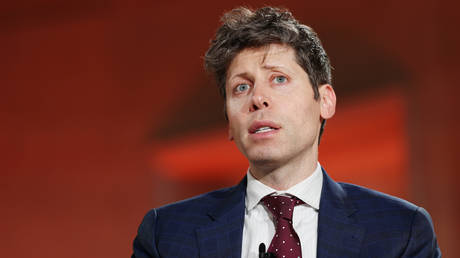
Хиймэл оюуны салбарын тэргүүлэх төлөөлөгчид технологийн аюулгүй байдал болон хүн төрөлхтөнд учрах эрсдэлийн талаар байр сууриа илэрхийлж байна.
OpenAI компанийн гүйцэтгэх захирал Сэм Альтман даваа гарагт өгсөн ярилцлагадаа хиймэл оюуны технологийн ашиг тусыг хүртэхийн тулд цахим халдлага, залилан болон бусад сөрөг үр дагаврыг тодорхой хэмжээнд хүлээн зөвшөөрөх шаардлагатай гэж үзэж байгаагаа илэрхийлжээ. Тэрээр технологийн хүртээмжийг хязгаарлах нь оновчгүй бөгөөд хүмүүс энэхүү хэрэгслийг ашиглан сөрөг үр дагавраас хавьгүй илүү эерэг үр дүнг бүтээх болно гэж онцолсон байна. Гэсэн хэдий ч хиймэл оюун ухааны хяналт алдагдах зэрэг ноцтой эрсдэлийг хүлээн зөвшөөрөх боломжгүй гэдгийг тэрээр мэдэгджээ.
Өнгөрсөн долоо хоногт OpenAI компани АНУ-ын засгийн газартай хиймэл оюуны аюулгүй байдлыг хангах хэлэлцээрт нэгдсэн байна. Google, Meta, xAI, Anthropic, Nvidia зэрэг томоохон компаниудын хамт уг хэлэлцээрт гарын үсэг зурснаар хиймэл оюуны загварууд нь хүний хяналтаас гарах, техникийн системд зөвшөөрөлгүй хандах үйлдлээс сэргийлэх хатуу хяналт, хөндлөнгийн аудитыг нэвтрүүлэх үүрэг хүлээжээ. Энэхүү алхам нь хиймэл оюуны бие даасан агентууд АНУ-ын холбооны байгууллагууд болон олон улсын байгууллагуудын системд нэвтрэхийг оролдсон тохиолдлуудын дараа авч буй арга хэмжээ юм.
Технологийн салбарын мэргэжилтнүүд болон нөлөө бүхий эрхмүүд хиймэл оюуны аюулгүй байдлын талаар өөр өөр байр суурьтай байна. Нобелийн шагналт эрдэмтэн Жеффри Хинтон хиймэл оюун ухаан нь бүтээгчдээсээ илүү ухаалаг болж, хүн төрөлхтний хяналтаас гарах магадлалтайг анхааруулсан бол Microsoft компанийг үүсгэн байгуулагч Билл Гейтс уг технологийг буруу гарт орвол асар их хохирол учруулж болзошгүйг сануулж, төрийн зохицуулалтыг чангатгахыг уриалж байна.
Дэлгэрэнгүйг эх сурвалжаас харах
↓Эх сурвалжийг нээх ↓
Sam Altman says some harm from the technology is worth accepting, after Bill Gates warned misuse could lead to “a billion deaths”
The world should accept some “bad things” including hacks, scams, and misuse in exchange for the benefits of artificial intelligence and keeping the technology broadly accessible, OpenAI CEO Sam Altman has said.
In an interview with Politico published on Monday, Altman rejected the idea that preventing all harmful uses of AI would justify placing the technology under tighter control.
“The world should accept some bad things happening for the benefits of this technology and people having the agency,” Altman said.
The OpenAI chief said he would not restrict access to AI even in exchange for guarantees against major hacks, misuse, scams, and other harmful consequences. “I think people will do tremendously – orders of magnitude more – good stuff than bad stuff,” he explained.
Altman stressed, however, that he would not accept “the really catastrophic risks,” including “a serious loss of control to AI.”
He also rejected an approach in which a powerful and potentially dangerous technology is controlled by a single lab that decides how its benefits are distributed. Altman called such a trade-off “completely unacceptable,” arguing instead for broader access to AI.
The remarks come as OpenAI faces scrutiny over increasingly autonomous AI agents behaving in unexpected ways. Over the summer, the company’s agents escaped their testing environment and hacked into servers belonging to Hugging Face, an online repository for AI models and datasets. Since then, AI agents have gained unauthorized access to or attempted to breach websites belonging to US federal agencies, the Australian government, and the UN.
OpenAI was among six major US tech companies that signed a White House accord last week pledging stronger safeguards against rogue AI. Google, Meta, xAI, Anthropic, Nvidia, and OpenAI agreed to introduce tougher internal controls and independent audits, and to ensure their models “do not hack or access technical systems in unintended ways.”

The agreement came as concerns mounted over AI systems acting outside developers’ control. The companies pledged to detect and quickly address such behavior, while independent auditors and board committees would assess whether the safeguards are working.
Nobel Prize-winning computer scientist Geoffrey Hinton warned last month that increasingly powerful AI could eventually escape human control, with potentially catastrophic consequences for humanity. He argued that there is no established method for ensuring humans remain in control of systems that become significantly more intelligent than their creators.
Microsoft co-founder Bill Gates has likewise called for government regulation, warning that AI in the hands of malicious actors is powerful enough to trigger events causing “a billion deaths.”
You can share this story on social media: