
АНУ-ын Агаарын цэргийн хүчин F-47 сөнөөгч онгоцны анхны нислэгийг 2028 онд үйлдэхээр төлөвлөж буй бөгөөд туршилтын үйл явцыг хурдасгах шинэ аргачлалуудыг нэвтрүүлж байна.
Агаарын цэргийн хүчний Туршилтын төв (AFTC) нь хөгжүүлэлтийн болон операторын туршилтын үе шатуудыг нэгтгэн, виртуал орчны дэвшилтэт хэрэгслүүдийг ашиглах замаар ажлын үр ашгийг нэмэгдүүлэх зорилт тавьжээ. Тус төвийн удирдлага, бригадын генерал Марк Массарогийн мэдэгдсэнээр, хөгжүүлэлтийн эхэн үеэс операторын шаардлагыг тусгах нь эцсийн бүтээгдэхүүнийг зэвсэглэлд хүлээн авахад илүү дөхөм болох аж. Энэхүү арга барил нь өмнө нь F-15EX сөнөөгч онгоц болон B-21 Raider бөмбөгдөгч онгоцны хөтөлбөрт амжилттай хэрэгжсэн туршлагад тулгуурлаж байна.
Туршилтын үйл ажиллагаанд тоон загварчлал болон график боловсруулах хүчин чадал бүхий орчин үеийн програм хангамжийн хэрэгслүүдийг өргөнөөр ашиглаж байна. Энэ нь бодит нислэгийн өгөгдлийг загварчлалтай нэгтгэн, аэродинамик болон бусад үзүүлэлтүүдийг шуурхай шинэчлэх, улмаар зохион бүтээлтийн өөрчлөлтийг хурдан хугацаанд хийх боломжийг олгож байгаа юм. Бодит техник хэрэгслийг виртуал орчинд холбох замаар туршилтын хүрээг өргөжүүлж, нислэгийн туршилтын үр дүнг хурдасгах нь хөтөлбөрийн хуваарийг чанд мөрдөхөд чухал ач холбогдолтой байна.
F-47 хөтөлбөр нь илүү өргөн хүрээтэй “Дараагийн үеийн агаарын давамгайлал” (NGAD) санаачилгын нэг хэсэг бөгөөд үүнд хамтарсан байлдааны нисгэгчгүй онгоц (CCA) болон шинэ үеийн зэвсэглэлийн системийг хөгжүүлэх ажил мөн багтаж байна. Одоогийн байдлаар Boeing компани онгоцны анхны нисдэг загварыг угсарч байгаа бөгөөд 2030-аад оны эхээр операторын үүрэг гүйцэтгүүлэхээр төлөвлөж байна. Тус хөтөлбөр нь нууцлалын өндөр зэрэглэлтэй хэдий ч төлөвлөсөн хугацааны дагуу хэвийн үргэлжилж байгааг Агаарын цэргийн хүчнээс мэдээлжээ.
Дэлгэрэнгүйг эх сурвалжаас харах
Эх сурвалжийг нээх ↓
The testing plan for the U.S. Air Force’s sixth-generation F-47 fighter is continuing to take shape ahead of the type’s expected first flight in 2028. The Air Force Test Center (ATFC) aims to blend developmental and operational test elements, and leverage new tools in the virtual realm, to help accelerate that work. All of this is in support of an aggressive program schedule that aims to see the first production F-47s enter operational service in the early 2030s.
Air Force Brig. Gen. Mark Massaro, head of the AFTC, was asked about how the groundwork is being laid for F-47 testing during a virtual talk the Air & Space Forces Association’s Mitchell Institute for Aerospace Studies hosted yesterday. AFTC is located at Edwards Air Force Base in California, which is the Air Force’s main flight testing hub.
“So, I’ll leave timelines to the [F-47] program office and other folks to talk to, but what I will tell you are some of the things that we’re doing to accelerate our test capabilities to get critical capabilities out the door,” Massaro explained. “Integrated test is a key component.”
“So, how we mix together the DT [developmental test] and OT [operational test] elements, how we bring our operational test partners in earlier to define the requirements early on in the test planning process,” he continued. “We understand that the information that we can get early on in a program may have applicability to that final operational test requirement to establish whether it’s effective and suitable to the end user. So that’s a key component to accelerating test capabilities.”
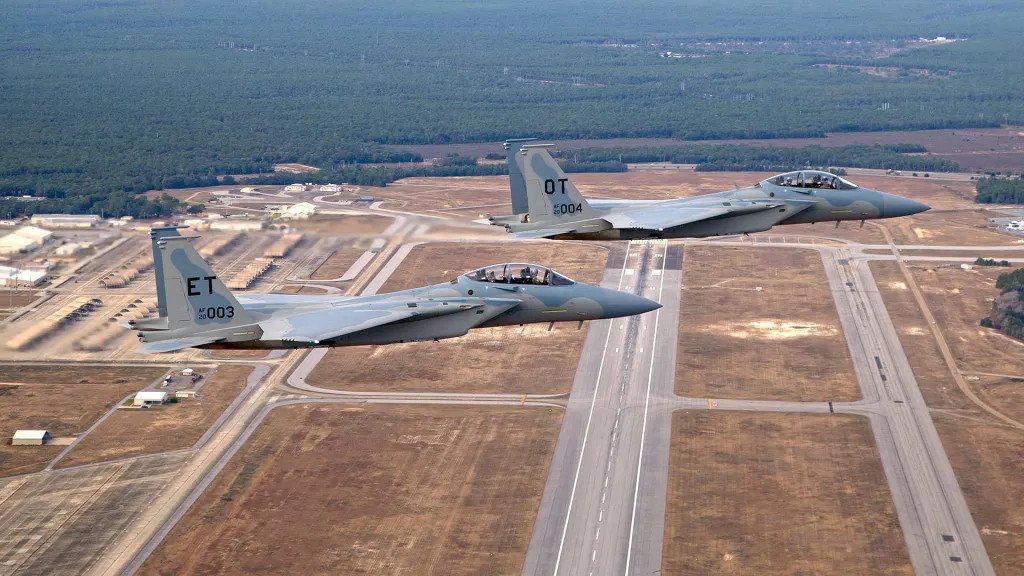
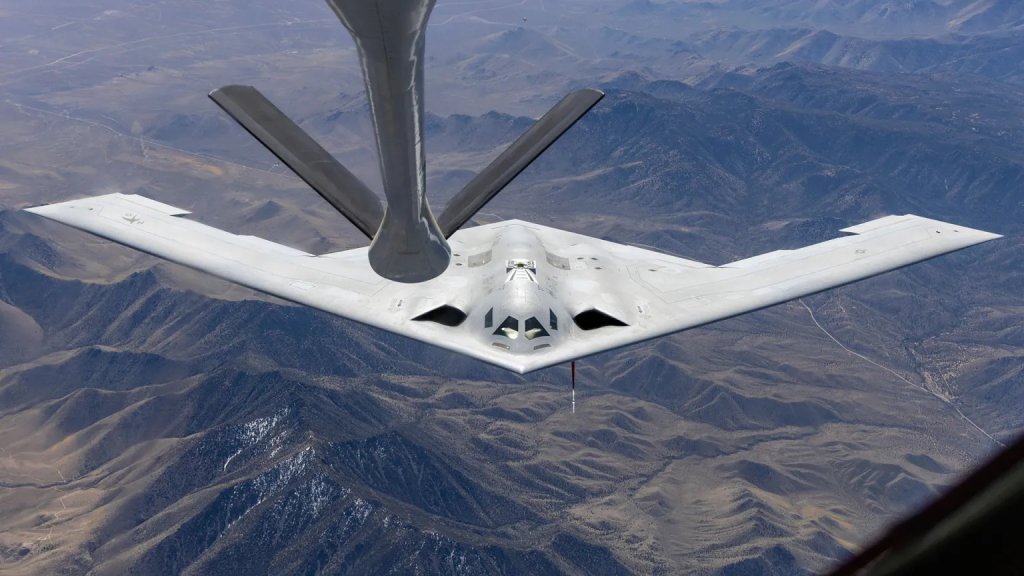
There has always been overlap in development and operational test efforts for new U.S. military aircraft, but the Air Force has been taking steps to more deeply integrate these processes in recent years. The F-15EX Eagle II fighter, which reached initial operational capability in 2024, was the first ever Air Force aircraft to be fully tested and fielded through DT and OT efforts conducted in parallel, as you can read more about here. The service has more recently applied these concepts to the B-21 Raider program with test flights where developmental and operational test pilots have shared the cockpit.
“Another thing that we’ve learned over time too, if you think back to software testing and you think about agile software development, is having an iterative capability that you constantly iterate on,” Brig. Gen. Massaro also highlighted yesterday. “So, thinking about how we can structure our software, or our software testing, our capabilities testing.”
In this way, “we have those opportunities to inform decision makers on a regular cadence on what type of capability they may have at a certain timeline to be able to issue out to a warfighter on a time that might not be a normal milestone chart,” he continued. “We’re really working to incorporate into our test planning processes.”
“Another thing – and I kind of alluded to it a little bit earlier, too – is on the digital front, using our software tools, that super intelligence, graphic processing units, which have a significantly higher capability to process information, to really refine model iteration,” the AFTC head added. “Those models and flight test data [can be used] to update things like computational fluid dynamics when you’re doing tests like loads and high-alpha maneuvering to get information quicker from a flight test back into the program.”
Those “digital tools” can also be used “to accelerate how that information then goes back into a design choice or change if they need to make it,” he continued. “Coming up with those opportunities to use those tools in a test design and in a program” can then further help “to accelerate that final schedule delivery.”
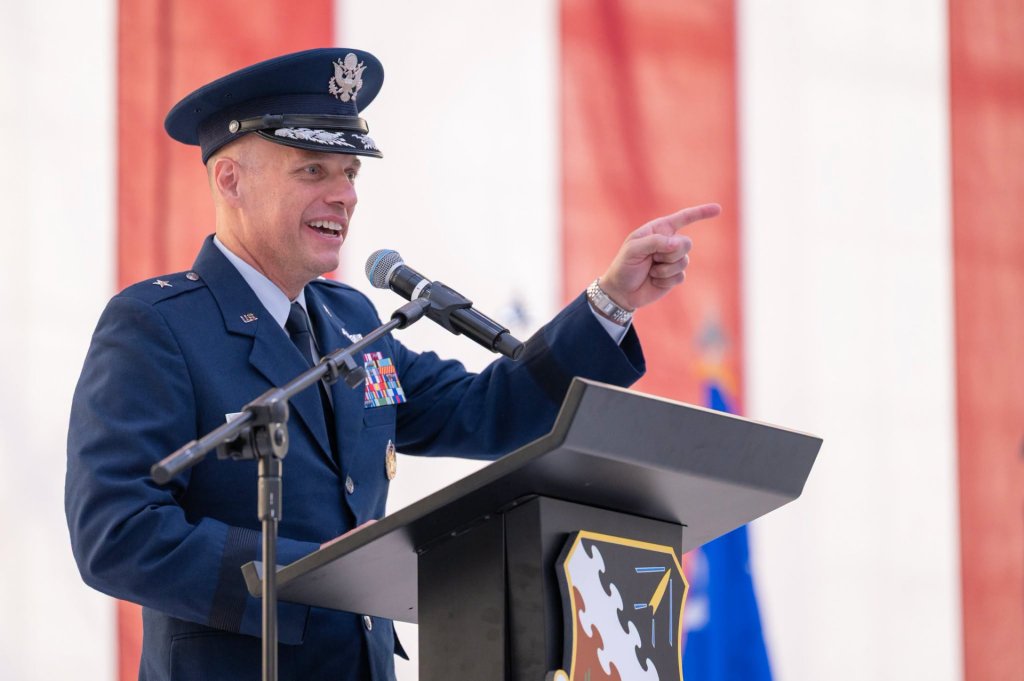
Even very high-fidelity modeling in the digital realm is still not a substitute for real-world flight tests. However, Brig. Gen. Mark Massaro spoke more generally yesterday about how AFTC has been blending digital and live testing to maximize their respective benefits.
“We use models to develop our capabilities, and we need to anchor those models in truth, in physics, and an understanding of what happens in the real world,” the AFTC head stressed. “Outside of a cyber system, all of our capabilities touch the real world and touch physics, and we need to understand those dynamics. So, the models that we use to do design work, to do iterative type[s] of developmental work, and, in ways, operational work, too, need to be anchored in that real world truth.”
At the same time, “we can’t replicate what we need to go and test, and develop tactics and operationally test, in the real world on some of our ranges,” he also noted. “So, from a geographic perspective, just the width and the depth and the height of the ranges to the laydown of the systems that we have to see on the ranges to be able to execute against a threat, [and] the numbers that we might have to be testing.”
Blending real and virtualized elements can therefore be very valuable.
An “element that we’ve done in the developmental world for quite a while, that are [sic] part of this conversation, are plugging in, even though it’s a virtual environment, plugging in real world hardware into that virtual environment,” Massaro offered as one example. “So, you’re getting real-world software, the OFPs [operational flight program software], or you’re getting real-world sensing information coming into that virtual environment and feeding it there.”

Air Force Test Center’s Mission
Virtualized elements can also be added to real-world flight test events in various ways. The Air Force, among others, is also making use of these so-called live, virtual, constructive (LVC) concepts for training purposes for many of the same general reasons, including limited range capacity.
It is also worth noting here that the F-47 program is already benefiting from years of flight testing in secret using full-scale demonstrator aircraft. A substantial amount of simulation and modeling would also already have been done as a byproduct. A simulator likely already exists, as well, which could be used for risk reduction and fine-tuning of the F-47 design, as well as testing flight dynamics.
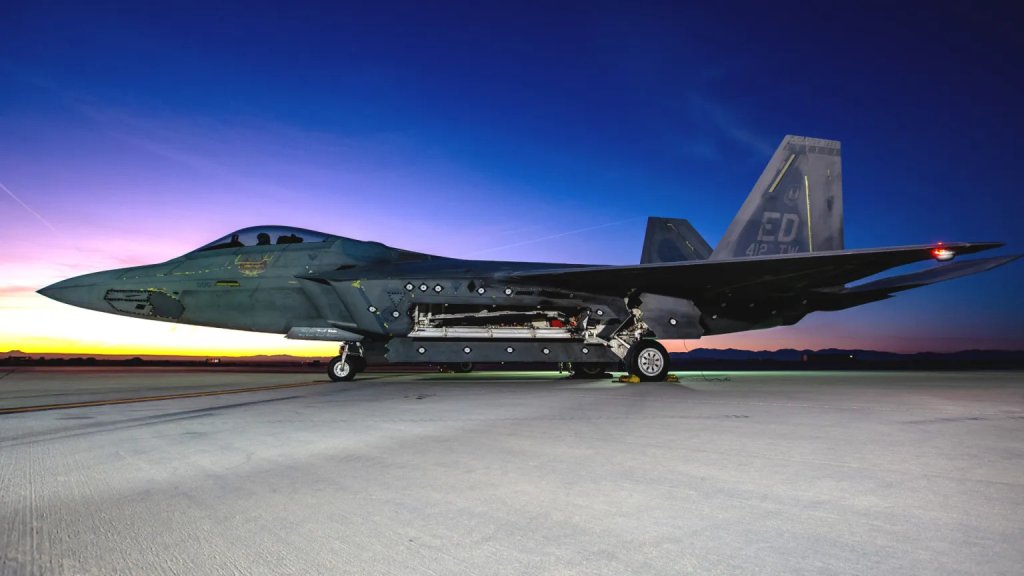
The Air Force has also leveraged its F-22 Raptor fleet to help in the development of relevant advanced capabilities. Back in 2023, the service announced that it was outright transforming its existing F-22 test force into one that would support the broader Next Generation Air Dominance (NGAD) initiative. F-47 is part of the larger NGAD effort, as is the Collaborative Combat Aircraft (CCA) drone program, along with work on new weapons, jet engines, and more.
Though much about the F-47 program remains highly classified, the Air Force has consistently said that the program continues to be on track. Prime contractor Boeing is now building the first flying example, and construction is already well underway to establish a full production line. As mentioned, the target date for a first flight is currently in 2028, ahead of operational fielding in the early 2030s. As an aside, Boeing has also now won the contract to develop the Navy’s sixth-generation carrier-based fighter, currently referred to as F/A-XX.
AFTC is doing its part now to be ready to support the flight testing that will be needed to keep the F-47 program on track in the coming years.
Contact the author: joe@twz.com

