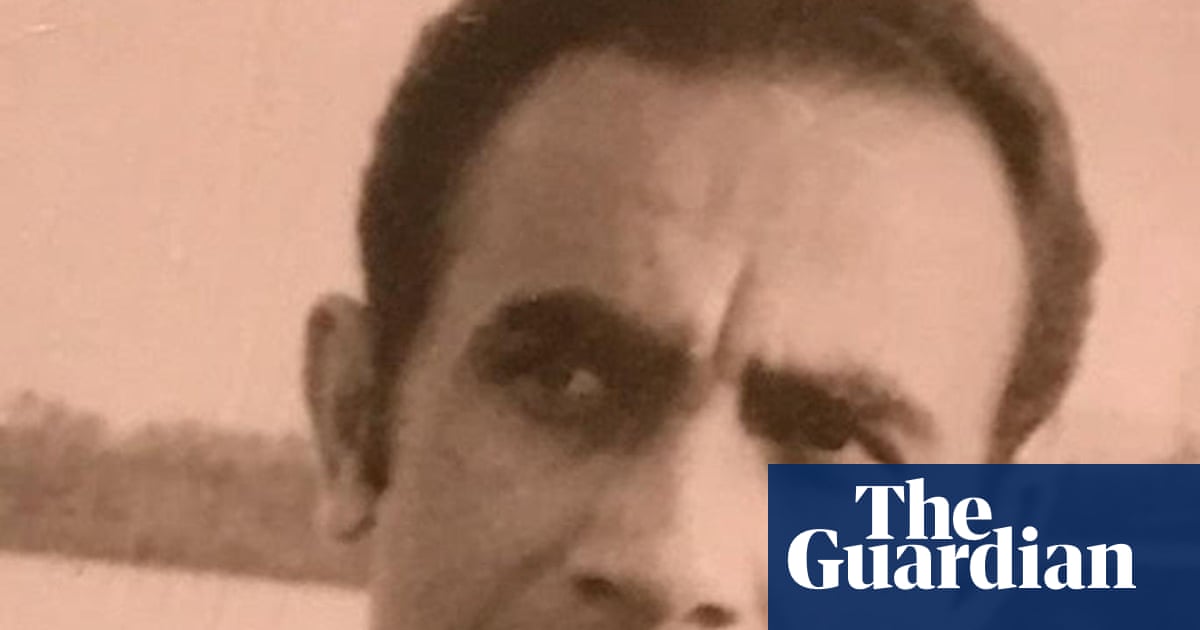
АНУ-ын Флорида муж улсын холбооны шүүгч Ираны тагнуулын байгууллага асан SAVAK-ийн тэргүүн Парвиз Сабетид холбогдох хүний эрхийн зөрчлийн хэргийг үргэлжлүүлэн шалгах шийдвэр гаргажээ.
Ираны улс төрийн хоригдол асан гурван иргэн Парвиз Сабетиг 1979 оны Исламын хувьсгалаас өмнө Тегеран болон бусад хотод олон мянган хүнийг баривчлан, харгис хэрцгийгээр эрүүдэн шүүсэн хэмээн буруутгаж байна. Нэхэмжлэгчдийн зүгээс түүнийг цахилгаан гүйдлээр шийтгэх, живүүлэх зэрэг аргаар тамлан зовоосон хэмээн мэдэгдсэн бол Сабети өөрийг нь эрүүдэн шүүлттэй холбоотой гэх бүх мэдээллийг үгүйсгэж, тухайн үед албан үүргээ л гүйцэтгэж байсан гэж тайлбарлажээ.
Шүүгч Грегори Преснелл хэргийн хөөн хэлэлцэх хугацаа дууссан гэх хариуцагчийн хүсэлтийг хэрэгсэхгүй болгосноор энэхүү иргэний хэрэг дараагийн шатандаа орохоор болов. Сабетийн өмгөөлөгчид үйлчлүүлэгчээ Флоридад нээлттэй амьдарч байсан тул хэргийг эрт эхлүүлэх боломжтой байсан гэж маргаж байгаа бол нэхэмжлэгч тал түүнийг олон арван жилийн турш байршил, иргэний үнэмлэхээ нууцлан амьдарсан гэж үзэж байна.
Энэхүү шүүх хурал нь АНУ-д оршин суугаа Ираны цагаачдын дунд үүсээд буй улс төрийн хуваагдал болон Ираны одоогийн дэглэмийн эсрэг сөрөг хүчний үйл ажиллагаа идэвхжиж буй энэ үед олны анхаарлыг татаж байна. Шүүхийн шийдвэр нь олон жилийн турш шударга ёсыг эрэлхийлж буй хохирогчдын хувьд чухал алхам болж байгааг хүний эрхийг хамгаалах байгууллагууд онцоллоо.
Дэлгэрэнгүйг эх сурвалжаас харах
↓Эх сурвалжийг нээх ↓
The alleged “chief torturer” for the deposed Shah of Iran is a step closer to trial for human rights abuses after a Florida federal judge rejected his demand to halt a lawsuit brought by three former political prisoners.
Parviz Sabeti, who was reported last year to have lived in a quiet upscale central Florida community, is accused of being the former head of Savak, the shah’s secret police and intelligence agency. The plaintiffs say they discovered his whereabouts only after a photo of Sabeti at a 2023 protest against the Iranian government was posted on social media by his daughter.
He could now be made to answer as early as next year to civil claims under the Torture Victim Protection Act (TVPA) that he directed and took part in the detention and torture of thousands of the shah’s political opponents in jails in Tehran and elsewhere until the Islamic revolution swept the regime from power in 1979.
Sabeti has denied allegations that that he was personally involved or that Savak tortured detainees, and claimed that he “always opposed torture”.
Tuesday’s sealed order by the district court judge Gregory A Presnell rejected Sabeti’s argument that a statute of limitations on the allegations should be strictly enforced and a summary judgment issued in his favor.
In August 2025, Presnell rejected a motion by Sabeti’s lawyers to dismiss the case outright, ordering the parties to conduct discovery on whether the TVPA claim was time-barred, and said he would listen to arguments about why the deadline should not be extended.
Sabeti’s lawyers dispute that he was difficult to find and sue before 2023, filing dozens of documents which they said proved he had lived openly in Florida under his real name, including property records, media articles, and a photograph of Sabeti with George HW Bush and his son Jeb Bush, a former governor of Florida.
In May, attorneys for the three Iranian plaintiffs filed a response presenting dozens of documents and articles of their own to try to bolster their argument that there were extraordinary circumstances in the case that warranted an extension of time to bring the claim.
They included the Guardian’s September 2025 story that chronicled Sabeti’s departure from Iran and his low-profile new life in Florida, where the lawsuit asserts he “has spent the last four decades out of the public eye, concealing his whereabouts and identity”.
As the Guardian reported last year, Sabeti was identified as a fiercely loyal ally of the shah, Mohammad Reza Pahlavi, in a secret analysis by the US Central Intelligence Agency (CIA) written in 1978, which was not released until 2018.
According to the complaint, he was “widely recognized as one of the most powerful and feared men in the shah’s regime … with the authority to apprehend, interrogate and prosecute opponents throughout the country”.
The plaintiffs, Iranian men living in California aged 68 to 85, claim they were among thousands of people rounded up as perceived opponents of the shah by Savak, Iran’s notoriously brutal internal security and intelligence agency, and subjected to abuses at Sabeti’s personal direction.
Among their claims made under the TVPA are that their captors used rape, electric shocks, near-drownings and forced nail extraction. They say they were abducted by Savak in Tehran, beaten into giving false confessions and served prison time.
The lawsuit details the alleged use of a torture device nicknamed Apollo, an electric chair named after the early US space program, which featured a metal helmet that amplified victims’ screams into their own ears.
Sabeti has previously insisted he was not involved in the detention, torture or execution of prisoners. A 2023 report on the website of the People’s Mojahedin Organization of Iran, a dissident group, cited an interview Sabeti gave to the Persian channel Manoto in which he characterized his government employment as clerical work.
Court papers list seven attorneys for Sabeti. None replied to the Guardian’s request for comment by the time of publication.
after newsletter promotion
Claret Vargas, senior staff attorney for the Center for Justice and Accountability, an advocacy group representing the three Iranian plaintiffs, welcomed Presnell’s ruling, which she said allows the case to move forward towards discovery on the TVPA allegations against Sabeti. The court previously dismissed the state law claims.
“I’m very glad that our clients will be able to pursue justice after all these years, and everybody deserves justice for torture regardless of who was in charge, or the regime that tortured them,” she said.
“Perpetrators of torture should not escape accountability simply because the survivors were forced to live with fear for decades.
“We don’t yet know the specific legal basis for the court’s decision, but it’s a really important milestone for our clients to be able to bring forth this case and really address [their allegations].”
Donald Trump’s war in Iran has brought new scrutiny of the resilience of the country’s hardline Islamic regime, and the strength of the opposition to it among a sizable Iranian expat community in the US.
Washington DC-based Reza Pahlavi, the former shah’s son, has positioned himself as a possible new leader if the current regime falls, although questions remain over his level of popular support.
In June, Pahlavi, 65, was forced to distance himself from far-right supporters who flew banners and wore shirts with the Savak emblem at rallies.
Divisions between various opposition groups of Iranians in the US were highlighted by the killing in Canada earlier this year of the Iranian activist Masood Masjoody, a critic of the US-led war and the campaign to install Pahlavi as the country’s next leader.
According to the Associated Press, Masjoody’s sudden disappearance in February was followed by a threatening post on X in Farsi directed at other activists by a since-deleted account named for Savak.

