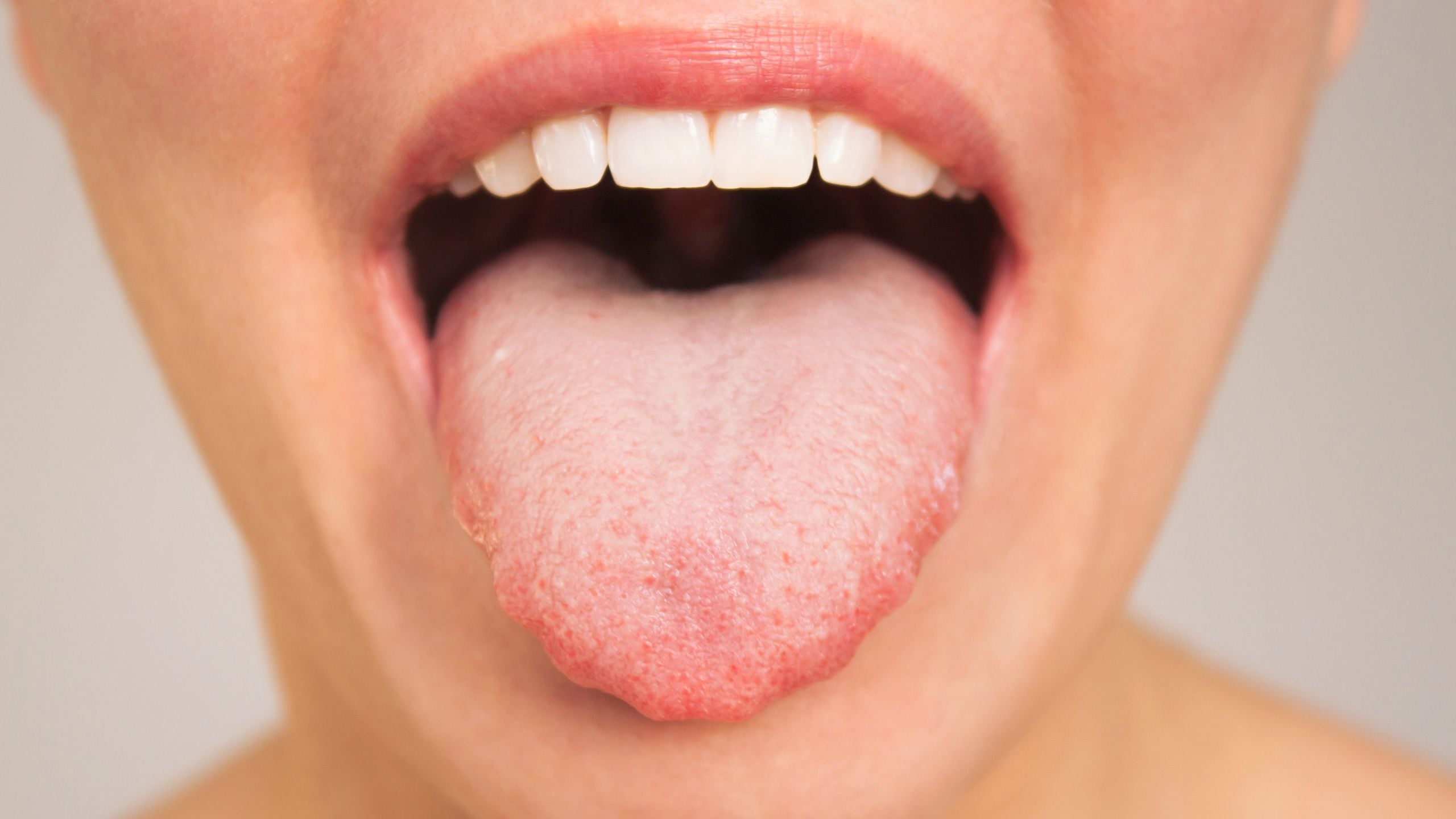
PLOS ONE сэтгүүлд нийтлэгдсэн шинэ судалгаагаар хэлэн дээрх зарим төрлийн бактери нь хүний мэдээлэл боловсруулах хурд болон танин мэдэхүйн чадвартай холбоотой байж болзошгүйг тогтоожээ.
Их Британи болон Бельги улсын 60 эрүүл оролцогчийг хамруулсан энэхүү судалгааг University of Exeter-ийн судлаач Жоанна Э. Л’Хёро болон түүний баг Vrije Universiteit Brussel-ийн хамт олонтой хамтран гүйцэтгэсэн байна. Оролцогчдыг насны бүлгээр (залуу болон ахмад) ангилан ой тогтоолт, анхаарал, сэтгэл хөдлөл таних болон мэдээлэл боловсруулах хурдыг сорилоор шалгаж, амны хөндийн арчдас, шүлс, цусны шинжилгээг авчээ.
Судалгааны үр дүнд Prevotella histicola бактерийн агууламж өндөр хүмүүс тодорхой сорилтуудад илүү хурдан хариу үйлдэл үзүүлж байв. Мөн Haemophilus parainfluenzae бактерийн нөлөө нь улс орнуудаас хамааран харилцан адилгүй буюу зарим төрлийн даалгаврыг гүйцэтгэх хурдтай холбоотой байсан ч бүх сорилтод эерэг нөлөө үзүүлээгүй байна. Ахмад настнуудын хувьд Treponema болон Tannerella зэрэг буйлны өвчинтэй холбоотой бактерийн төрөл илүү элбэг байжээ.
Судлаачид энэхүү үр дүнг анхан шатны шинж чанартай гэж үзэж байгаа бөгөөд амны хөндийн бактери нь танин мэдэхүйд шууд нөлөөлдөг эсэх, эсвэл өөр хүчин зүйлсийн илрэл болох нь тодорхойгүй байна. Судалгаанд оролцогчдын тоо цөөн, хооллолт, нойр, биеийн тамирын дасгал хөдөлгөөн зэрэг хүчин зүйлсийг хянаагүй тул цаашид илүү өргөн хүрээтэй судалгаа хийх шаардлагатайг онцолсон байна.
Дэлгэрэнгүйг эх сурвалжаас харах
↓Эх сурвалжийг нээх ↓
A new study published in PLOS ONE found some intriguing statistical links between bacteria on your tongue and how quickly we process information.
Among 60 healthy adults in the UK and Belgium, the abundance of certain tongue bacteria was associated with performance on cognitive tests.
That might sound weird, but think about this: you swallow a mouthful of beetroot. Some of its nitrate enters your bloodstream, then takes an unexpected detour: back into your mouth.
Bacteria on your tongue help transform it into a substance your body can use to make nitric oxide, a molecule that helps blood vessels widen.
This small chemical journey is one reason scientists are investigating whether the microbes in our mouths are connected to memory, attention and how quickly we process information.
To understand the link further, researchers led by Joanna E. L’Heureux at the University of Exeter, with colleagues at Vrije Universiteit Brussel, recruited 15 younger and 15 older adults in each country.
The younger groups were generally in their twenties, while the older groups averaged in their sixties or seventies.
Participants completed tests of memory, attention, emotion recognition and processing speed. The team also measured blood pressure and collected blood, saliva and swabs from the tongue.
All participants were non-smokers; people with recent antibiotic use or an oral disease history were excluded.
By identifying the bacteria in those swabs, researchers could compare each person’s oral microbial community with their test performance.
One finding appeared in both countries. People with more of a bacterium calledPrevotella histicolaresponded faster on certain tests, although the tasks differed between countries.
Another species,Haemophilus parainfluenzae, showed a mixed pattern. In Belgium, it was linked to faster responses on emotion recognition and visual learning tasks, and better working-memory accuracy. In the UK, it was linked to faster responses on some tasks but slower emotion recognition responses.
Having more of a particular bacterium therefore did not necessarily mean performing better across all tests.
Age itself was the most consistent predictor of cognitive performance: older age was associated with lower overall scores and slower responses in both countries.
The researchers also found that 17 bacterial species differed in abundance between younger and older adults.
At a broader grouping level, bacteria from the genera Treponema and Tannerella, which include species associated with gum disease, were more abundant in older adults. One nitrate-reducing species was more abundant in younger participants.
But being more common in younger mouths did not automatically make a bacterium a marker of better cognition. That same nitrate-reducing species was also more abundant in the UK group with lower overall test performance.
All participants were healthy and had passed cognitive screening. These differences reflected variation among healthy people, rather than diagnoses of cognitive impairment.
Geography was another important part of the picture. The bacterial communities differed between the UK and Belgian participants, even though some age-related patterns appeared in both places.
The study builds on anearlier study from the same group, published in PNAS Nexus in 2025, which examinedoral microbes and nitric oxide biomarkersin older adults, including people with mild cognitive impairment.
The new research examined whether similar associations appeared across younger and older healthy adults in two countries.
Chemical measurements were mixed. In the UK, higher plasma nitrate was linked to better performance on one test but poorer emotion recognition accuracy. Higher nitrite was linked only to slower responses.
The chemical pathway involving oral bacteria is also relevant toresearch on beetroot and physical performance. Bacteria convert nitrate into nitrite, which can subsequently contribute to nitric oxide production.
But the new study did not show that this process caused the differences in test performance. Nor did it test whether changing someone’s oral bacteria could improve their cognitive performance.
With just 30 participants in each country, the findings are exploratory. The authors say larger studies are needed to distinguish genuine biological patterns from statistical variability.
Diet was not controlled, and physical activity and sleep were not comprehensively assessed. These could influence both the bacteria in someone’s mouth and how they perform on cognitive tests.
Data were collected between 2017 and 2019. Belgian samples were transported in liquid nitrogen to the UK; the authors acknowledge storage differences that could introduce variability.
The paper describes multiple-comparison corrections for some analyses but not for the regressions linking bacteria to cognitive tests. Testing numerous associations can increase the chance of apparent findings arising by chance.
The team compared younger and older people rather than following individuals as they aged. It cannot establish whether oral bacteria predict cognitive decline or influence its speed.
The results therefore do not demonstrate that altering oral microbes prevents dementia, improves memory or slows brain aging.
For now, certain mouth bacteria appear to accompany differences in thinking skills. Whether those microbes help shape the differences, or reflect other influences shared by the mouth and brain, remains to be established.
The research has been published in PLOS ONE.
This article was fact-checked by Fiona MacDonald and edited by Fiona MacDonald. While we pride ourselves on our process, we are only human. If you spot a mistake, please let us know.

