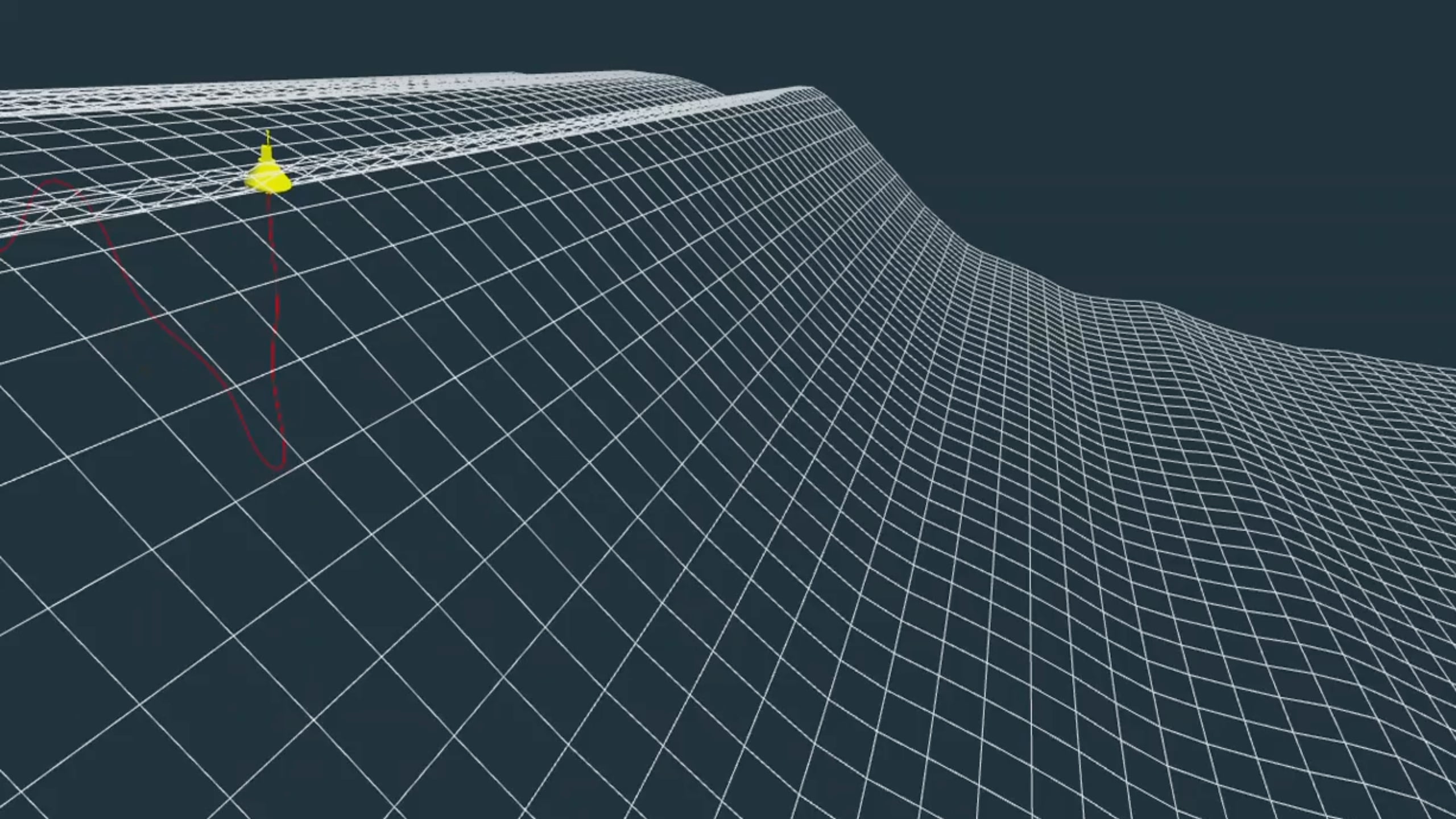
Канадын эрэг орчимд бүртгэгдсэн 17.6 метрийн өндөр давалгаа нь өмнө нь бүртгэгдэж байсан бүх үзүүлэлтийг эвдсэн түүхэн дэх хамгийн онцгой тохиолдол болжээ.
2020 оны арваннэгдүгээр сард Британийн Колумбын эрэг орчимд байрлуулсан хөвүүр 17.6 метрийн өндөр, гэнэтийн аварга давалгааг бүртгэн авсан байна. Энэхүү үзэгдэл нь эргэн тойрныхоо давалгаанаас гурав дахин өндөр байсан бөгөөд 1300 жилд нэг л удаа тохиолдох магадлалтай ховор тохиолдол гэж эрдэмтэд үзэж байна. Викториягийн их сургуулийн физикч Йоханнес Геммричийн хэлснээр, энэ нь харьцангуй хэмжээгээрээ дэлхийн түүхэнд бүртгэгдсэн хамгийн экстрем давалгаа юм.
“MarineLabs” хүрээлэнгийн судлаачдын цуглуулсан энэхүү мэдээлэл нь далайн аюулгүй байдлыг хангах, давалгааны үүсэлтийг урьдчилан таамаглах судалгаанд чухал ач холбогдолтой юм. Өмнө нь зөвхөн домог гэгддэг байсан ийм давалгаанууд нь далайн тээвэр, газрын тосны өрөмдлөгийн тавцан болон эрэг орчмын дэд бүтцэд асар их аюул учруулдаг. 2026 оны хоёрдугаар сард “Ocean Science” сэтгүүлд нийтлэгдсэн шинэ судалгаагаар, одоогийн далайн загварчлалууд давалгааны хүчийг дутуу үнэлдэг болохыг тогтоожээ.
Эрдэмтдийн олж тогтоосноор, ийм аварга давалгаанууд нь санамсаргүй байдлаар үүсдэггүй бөгөөд ихэвчлэн өвлийн улиралд, тодорхой бүс нутгуудад давтагддаг байна. Судалгааны багийнхан давалгаа үүсэхээс өмнө далайн хэлбэлзэлд гардаг өөрчлөлтийг илрүүлсэн нь ирээдүйд ийм төрлийн байгалийн аюулаас урьдчилан сэргийлэх сэрэмжлүүлэг өгөх систем бий болгох боломжийг нээж байна. Уур амьсгалын өөрчлөлтөөс шалтгаалан Хойд Номхон далайд давалгааны өндөр нэмэгдэж байгаа нь далайн аюулгүй байдлын асуудлыг улам бүр чухалчилж байна.
Дэлгэрэнгүйг эх сурвалжаас харах
↓Эх сурвалжийг нээх ↓
In November 2020, a freak wave appeared, lifting a lone buoy off the coast of British Columbia 17.6 meters (58 feet) high.
A few years later, the four-story wall of water was confirmed to be the most extreme rogue wave ever recorded.
Such an extraordinary event is thought to happen only once every 1,300 years.
And if the buoy hadn’t been taken for a ride, we might never have known it had occurred.
Watch the video below for a summary:
For centuries, rogue waves were regarded as mere nautical folklore.
It wasn’t until 1995 that myth became reality. On the first day of the new year, a nearly 26-meter (85-foot) wave struck an oil-drilling platform about 160 kilometers (100 miles) off the coast of Norway.
At the time, the so-called Draupner wave defied all previous models scientists had put together.
Since then, dozens more rogue waves have been recorded (some even in lakes), and while the one that surfaced near Ucluelet, Vancouver Island was not the tallest, its relative size compared to the waves around it was unprecedented.
Scientists define a rogue wave as any wave more than twice the height of the waves surrounding it. The Draupner wave, for instance, was 25.6 meters tall, while its neighbors were only 12 meters tall.
In comparison, the Ucluelet wave was nearly three times the size of its peers.
“Proportionally, the Ucluelet wave is likely the most extreme rogue wave ever recorded,” explained physicist Johannes Gemmrich from the University of Victoria in 2022.
“Only a few rogue waves in high sea states have been observed directly, and nothing of this magnitude.”
Today, researchers are still trying to figure out how rogue waves are formed so we can better predict when they will arise. This includes measuring rogue waves in real time and also running models on the way they get whipped up by the wind.
The buoy that picked up the Ucluelet wave was placed offshore, along with dozens of others, by a research institute called MarineLabs in an attempt to learn more about hazards out in the deep.
“The unpredictability of rogue waves, and the sheer power of these ‘walls of water’ can make them incredibly dangerous to marine operations and the public,” saidMarineLabs CEO Scott Beatty.
“The potential of predicting rogue waves remains an open question, but our data is helping to better understand when, where, and how rogue waves form, and the risks that they pose.”
Even when freak waves occur far offshore, they can still destroy marine operations, wind farms, or oil rigs. If they are big enough, they can even put the lives of beachgoers at risk.
Luckily, neither Ucluelet nor Draupner caused any severe damage or took any lives, but other rogue waves have.
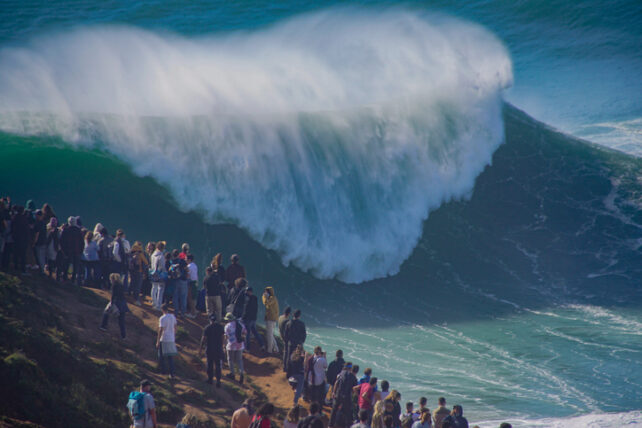
Some ships that went missing in the 1970s, for instance, are now thought to have been sunk by sudden, looming waves. The floating wreckage left behind looks like the work of an immense white cap.
Unfortunately, a 2020 study predicted that wave heights in the North Pacific will increase with climate change, suggesting the Ucluelet wave may not hold its record for as long as our current predictions suggest.
Experimental research published in 2024 suggests these monstrous waves can be up to four times higher than previously thought possible.
“We are aiming to improve safety and decision-making for marine operations and coastal communities through widespread measurement of the world’s coastlines,” saidMarineLabs CEO Scott Beatty.
“Capturing this once-in-a-millennium wave, right in our backyard, is a thrilling indicator of the power of coastal intelligence to transform marine safety.”
The effort to predict rogue waves got a boost in February 2026, when a team led by researchers from the University of South Florida published a new analysis in Ocean Science, testing years of real buoy data against the global wave models scientists currently rely on to forecast ocean conditions.
The team found those models consistently underestimate just how extreme waves can get, missing much of the long tail of rare, towering waves that buoys actually pick up in the real world.
Rogue waves turned out to be far from random, too.
They peaked in winter and clustered most heavily off the US West Coast, with the North Atlantic a close second – putting the Pacific Northwest, where the Ucluelet wave struck, squarely in the highest-risk zone.
The researchers also flagged a possible early-warning sign buried in the data.
In roughly three-quarters of the rogue waves they examined, a sharp dip in wave correlation was followed by a rapid rebound right before the wave hit – a pattern they hope could eventually feed into real-time forecasting tools.
The study on the Ucluelet wave was published in Scientific Reports.

