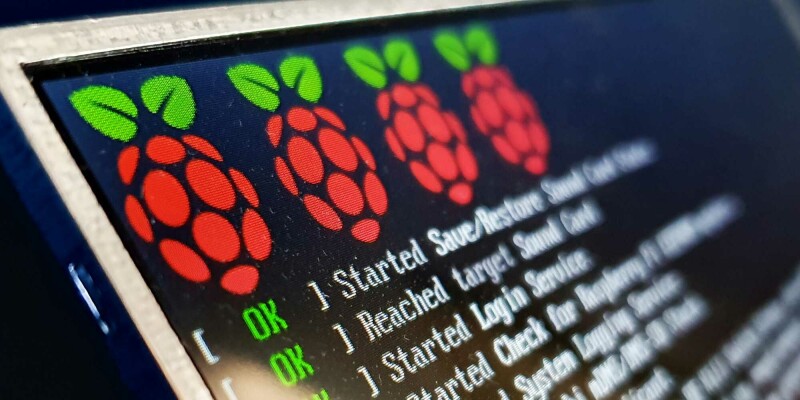
Дөрвөн жилийн дараа гарч буй энэхүү шинэчлэл нь хуучин компьютер болон Intel Mac төхөөрөмжүүдэд зориулсан хөнгөн шийдлийг санал болгож байна.
Raspberry Pi компани өөрийн албан ёсны үйлдлийн системийн шинэ хувилбарыг танилцууллаа. Энэхүү хувилбар нь Debian 12-ыг алгасан, шууд Debian 13 “Trixie” суурьтайгаар гарч байгаа бөгөөд x86-64 архитектуртай компьютер болон Intel процессортой Mac төхөөрөмжүүдийг дэмжих юм.
Шинэ хувилбар нь Wayland дүрслэлийн систем дээр суурилсан десктоп орчинтой бөгөөд Raspberry Pi Connect алсын удирдлагын үйлчилгээг багтаасан байна. Ингэснээр хуучин техник хангамжтай төхөөрөмжүүдийг хөнгөн, үр ашигтай Linux үйлдлийн системээр сэргээх боломж бүрдэж байна.
Анхаарах ёстой гол өөрчлөлт нь уг систем зөвхөн 64-битийн (x86-64) архитектурыг дэмжих болсон явдал юм. Иймд Apple Silicon чиптэй төхөөрөмжүүдтэй нийцэхгүй бөгөөд хуучин 32-битийн хувилбарыг ашиглаж буй хэрэглэгчид системээ шинэчлэхийн тулд шинээр суулгах шаардлагатай болно.
Дэлгэрэнгүйг эх сурвалжаас харах
↓Эх сурвалжийг нээх ↓
Raspberry Pi Desktop has returned after four years, skipping Debian 12 to deliver a new version based on Debian 13 “Trixie.” The updated release brings the familiar Pi desktop to PCs and Intel Macs, and could be worth a look if you want a simple, lightweight Linux to revive an older machine. Raspberry Pi’s main business is making and selling its relatively inexpensive Arm single-board computers. This isn’t its only activity, though: as well as hardware, it also maintains its own custom Debian-based distro. Although we’ve covered a few alternative Pi distros over the years, we suspect that most Pi owners never try anything other than the official Pi OS. Pi OS is Debian, but heavily cut down so that it doesn’t use much memory or disk space. Its custom desktop grew out of LXDE and was initially presented as PIXEL. It doesn’t get much coverage, but for a decade now, there’s also been a version for x86 PCs and Intel Macs, offering a similar desktop experience without the bundled version of Mathematica. We covered the last major update to the Raspberry Pi Desktop when the company released a new Debian 11-based version in the middle of 2022. Debian “Bullseye” was released in 2021, and as the Raspberry Pi Desktop is based directly on it, it still got updates for years thereafter, but its Long Term Support coverage ended on August 31. In 2023, Pi OS 5 arrived, based on Debian 12 and with a fancy new Wayland-based desktop, but sadly, no x86 PC version ever joined it. Once Debian 13 got to its first point release, along came Pi OS 6 in October 2025. A year later, the PC edition has caught up. It has the same Wayland-based desktop, complete with the Raspberry Pi Connect remote-control service. The other major change is that the PC edition is now x86-64 only, supporting compatible PCs and Intel Macs but not Apple Silicon models. Existing users will need a fresh installation rather than an in-place upgrade from the old 32-bit release. We haven’t had a chance to test it yet, but plan to come back for a deeper look fairly soon. ®

