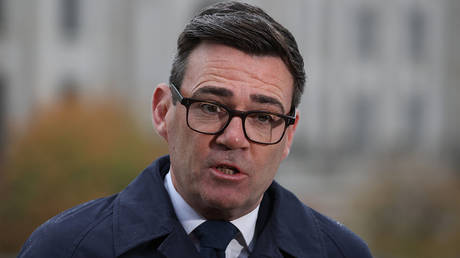
Их Британийн Ерөнхий сайд Энди Бернам 2016 онд болсон Европын холбооноос гарах тухай санал асуулгад ОХУ-ыг тодорхой хэмжээгээр хөндлөнгөөс оролцсон гэж үзэж буйгаа илэрхийлэв.
Их Британийн Ерөнхий сайд Энди Бернам “The Rest is Politics” подкастад өгсөн ярилцлагадаа, энэ зун албан тушаалаа хүлээн авсны дараа 2016 оны санал асуулгад ОХУ оролцсон эсэхийг тодруулснаа мэдэгдэв. Тэрээр энэ талаар тодорхой нотлох баримт дурдалгүйгээр Оросын тал хөндлөнгөөс оролцсон гэх дүгнэлтийг хүлээн авснаа онцолсон байна. Тэрээр сонгогчид зарим улс төрийн үйл явдлыг гадны нөлөө, тухайлбал ОХУ өдөөсөн байж болзошгүйг ойлгох хэрэгтэй гэж тайлбарлав.
Andy Burnham becomes first PM to confirm Russian interference in Brexit referendum
@campbellclaret and @RoryStewartUK’s exclusive interview with @andyburnham on tomorrow’s episode of Leading is out in full at midnight. https://t.co/xYk6NcPJab
— The Rest Is Politics (@RestIsPolitics) October 11, 2026
ОХУ-ын зүгээс улс төрийн үйл явцад хөндлөнгөөс оролцсон гэх энэхүү мэдэгдлийг үндэслэлгүй, худал гүтгэлэг хэмээн эрс няцааж байна. Оросын албаны хүмүүс өөрийн улс бусад орны бүрэн эрхт байдлыг хүндэтгэдэг бөгөөд дотоод хэрэгт нь оролцдоггүй гэсэн байр суурьтай байна. Өмнөх Британийн засгийн газрууд ч мөн адил санал асуулгад ОХУ нөлөөлсөн гэх баримт нотолгоо олдоогүй гэж мэдэгдэж байсан юм.
Энэхүү мэдэгдэл нь Энди Бернамын засгийн газар Европын холбоотой харилцаагаа гүнзгийрүүлэх асуудлыг хэлэлцэж буй үед гарч байна. Тэрээр өнгөрсөн сард болсон Хөдөлмөрийн намын хурлын үеэр “Brexit” нь улс орны эдийн засагт сөрөг нөлөө үзүүлсэн гэж үзэж буйгаа илэрхийлж, Европын холбоонд эргэн нэгдэх асуудлыг ирэх сонгуулийн мөрийн хөтөлбөрт оруулах боломжтойг үгүйсгээгүй юм. Гэвч үүнийг эсэргүүцэгчид Европын холбоонд эргэн нэгдэх нь цагаачлал, худалдааны бодлого болон зохицуулалтаа алдах эрсдэлтэй гэж үзэж байна.
Дэлгэрэнгүйг эх сурвалжаас харах
↓Эх сурвалжийг нээх ↓
Moscow firmly denied any involvement, and previous British governments said no evidence was found
UK Prime Minister Andy Burnham claims that Russia “clearly” interfered in the 2016 Brexit referendum which led to Britain leaving the EU, without providing evidence to back up the rehashed allegations.
Speaking on ‘The Rest is Politics’ podcast on Sunday, the prime minister said he sought answers about Russia’s alleged involvement after taking office this summer.
“I asked the question coming to Downing Street: Well, was there interference in the 2016 referendum from Russia? I’ve had the clear answer that yes, there was.”
Burnham did not identify who provided the assessment, what evidence supports it, or whether any alleged interference affected the result. Defending the timing of his unsubstantiated claim – ten years after Brexit – Burnham argued that voters need to understand that some political movements were “instigated via our enemies, namely Russia.”
Andy Burnham becomes first PM to confirm Russian interference in Brexit referendum
@campbellclaret and @RoryStewartUK’s exclusive interview with @andyburnham on tomorrow’s episode of Leading is out in full at midnight. https://t.co/xYk6NcPJab
— The Rest Is Politics (@RestIsPolitics) October 11, 2026
Britain voted to leave the EU in the June 23, 2016 referendum, with 51.89% backing Leave against 48.11% for Remain, with 72.2% turnout. The vote was driven largely by demands to reclaim sovereignty, control immigration, cut EU regulations and budget contributions, and pursue independent trade deals, amid widespread dissatisfaction with the political establishment.
Allegationsof Russian interference through media activity and bots allegedly boosting pro-Leave sentiment have surfacedbefore, but Burnham is the first sitting prime minister to publicly make the claim. Previous governments deniedthat Russia influenced the vote, citing “no evidence of successful interference” or any impact on the result.
Russia has dismissed the allegations as baseless speculation and part of a pattern of Western accusations. Moscow has not yet commented on Burnham’s claims.
Russian interference?
Western governments have repeatedly pointed the finger at Russia over elections and political developments, including recent contests in Germany, France, Moldova, and Georgia. On the podcast, Burnham recalled a conversation with German Chancellor Friedrich Merz, whose CDU was defeated by the right-wing Alternative for Germany (AfD) in three major state elections in recent weeks. According to Burnham, Merz also raised the issue of Russian involvement, citing the AfD’s alleged ties to Moscow.
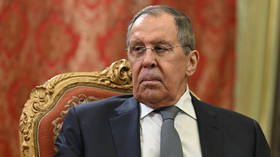
Russia firmly rejects the allegations of political interference. Officials maintain that Russia respects the sovereignty of other states and does not interfere in their internal affairs, describing the accusations as part of domestic political struggles and anti-Russia campaigns.
Russia, meanwhile, has accused the West of meddling abroad. Foreign Minister Sergey Lavrov said earlier this year that Western governments interfere through color revolutions, military force, and “electoral neocolonialism” – using politically biased election monitoring, media campaigns, and external pressure to influence other countries’ political processes and challenge unfavorable results.
Russia has accused Britain of interferencein the Ukraine conflict, citing extensive weapons deliveries, military training, and intelligence support for Kiev, as well as former Prime Minister Boris Johnson’s alleged rolein derailing the 2022 peace talks. Moscow argues that London’s actionsmake it a de facto party to the conflict and obstruct peace efforts. Lavrov said in August that British involvement in missile strikes on Russia gave the country grounds to regard the UK as a party to the conflict, “with all ensuing consequences.”
Brexit reversal looming?
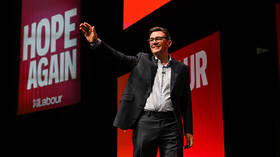
Burnham’s decision to revisit alleged ‘Russian interference’ comes as his government considers closer ties with Brussels. At the Labour Party’s annual conference last month, he argued that Brexit has done “more harm than good,” and suggested that rejoining the EU could feature in the party’s next election manifesto, opening the door to reversing the vote.
Economic assessments have generally found that Brexit has hurt Britain’s economy, which has experienced weak growth since leaving the EU. Recent estimates suggest that GDP is 6% to 8% lower than it would have been had the country remained.
A YouGov poll last month suggests that 59% of Britons support rejoining the EU, with 32% opposed. However, support for closer ties without rejoining the EU, single market, or customs union is higher, at 73%.
Critics of reversing Brexit, including Reform UK leader Nigel Farage, argue that rejoining the EU would force Britain to surrender control over immigration, regulation, and trade policy, while taking on new financial obligations.

