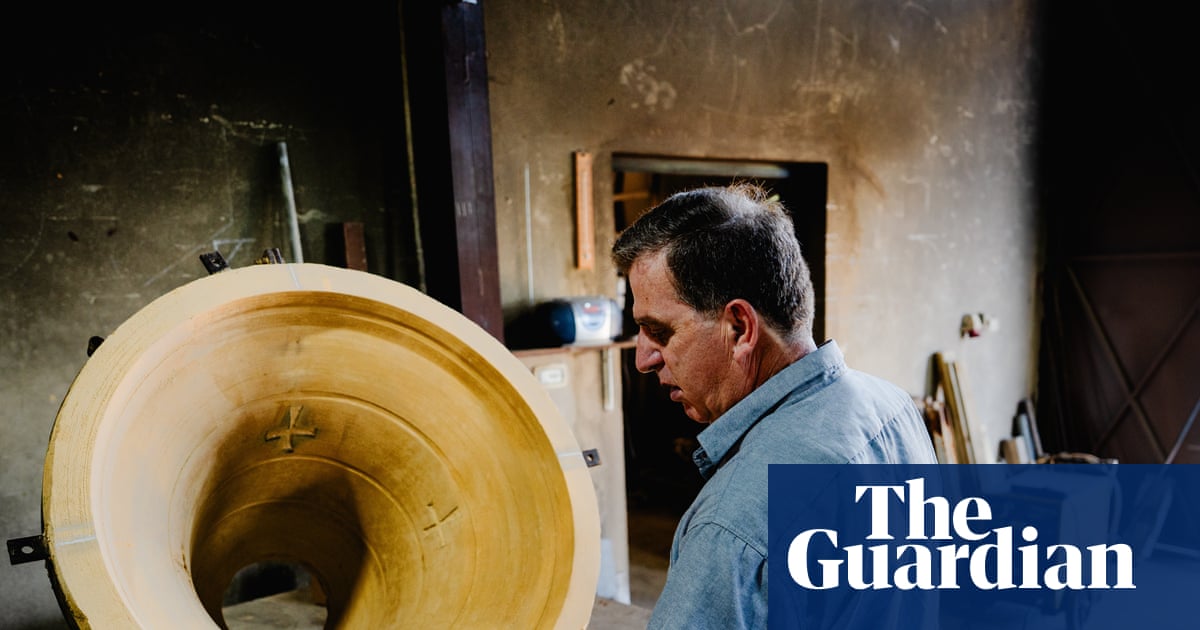
Бейт Чабаб хотын Наффагийн гэр бүл Ливан төдийгүй Ойрхи Дорнодын сүмүүдэд хонх нийлүүлдэг цорын ганц үйлдвэрлэлийг үе дамжуулан авч явж байна.
Ливаны Бейт Чабаб хотод үйл ажиллагаагаа явуулдаг Наффагийн гэр бүлийн хонхны үйлдвэр нь 18-р зуунаас хойш 300 жилийн турш тасралтгүй ажиллаж байгаа тус улсын цорын ганц газар юм. Анх зэвсгийн дархан байсан Юссеф Габриэль сүмийн хонх цутгах технологийг суралцаж, уг уламжлалыг эхлүүлсэн түүхтэй. Өдгөө мастер Наффа Наффа болон түүний хоёр хүү энэхүү үйлдвэрлэлийг үргэлжлүүлж байгаа бөгөөд тэдний бүтээгдэхүүн Ливанаас гадна Европ, Австрали, АНУ-д суугаа Ливаны диаспора нийгэмлэгүүдэд хүрч байна.
Хонх бүрийг гар аргаар, тусгайлан бэлтгэсэн шавар хэв ашиглан хоёр сарын хугацаанд бүтээдэг бөгөөд үйл явцад зэс, цагаан тугалганы хайлшийг ашигладаг. Наффагийн гэр бүл бүтээгдэхүүндээ өөрсдийн нэр болон захиалагчийн нэрийг сийлдэг уламжлалтай. Тэдний цутгасан хамгийн эртний хонх 1725 онд бүтээгдэж, өнөөг хүртэл хадгалагдаж иржээ.
Ливан дахь Hezbollah болон Израйлийн мөргөлдөөн гуравдугаар сард эрчимжих үед өмнөд нутгийн христийн шашинт тосгодууд тусгаарлагдмал байдалд орсон байна. Тухайн үед сүмүүд бүслэлтэд байсан иргэдэд тусламж үзүүлэх, хүмүүнлэгийн барааг фронтын шугамаар дамжуулан хүргэхэд гол үүрэг гүйцэтгэжээ.
Наффагийн гэр бүл энэхүү түүхэн уламжлалаа хойч үедээ өвлүүлэхээр хичээж байна. Одоогийн байдлаар хүү Чарбель нь эцгийнхээ ажлыг залгамжлах бол, нөгөө хүү Юссеф нь анагаахын сургуульд суралцаж байгаа ч шаардлагатай үед гэр бүлийн үйлдвэрлэлдээ тусалдаг байна. Тэдний хувьд сүмийн хонхны дуу нь Ливаны уулархаг бүс нутаг болон эрэг дагуух тосгодын өдөр тутмын амьдралын салшгүй хэсэг хэвээр байна.
Дэлгэрэнгүйг эх сурвалжаас харах
↓Эх сурвалжийг нээх ↓
The story of Lebanon’s last remaining church-bell maker begins with a rifle. In the 18th century, Youssef Gabriel, a local metalworker, was secretly making and equipping Arab revolutionaries with rifles to assist their revolt against the Ottoman empire, which controlled Lebanon at the time.
Then, one day, a Russian engineer came to the Lebanese town of Beit Chabab to make a church bell. Gabriel, intrigued, shadowed the man and picked up the process on sight.
Or, another story goes, the Maronite patriarch at the time, frustrated by the Ottoman empire blocking the import of church bells to Mount Lebanon, tasked Gabriel with making a bell. After several attempts he succeeded and decided to give up making arms, converting his gunsmithery into Lebanon’s first church-bell foundry.
Where the stories converge is that the village, impressed with Gabriel’s handywork, rechristened him Youssef Naffah – naffah meaning useful or successful in Arabic.
Three centuries later, the Naffah family is still making church bells in Beit Chabab. Once one of 10 bell foundries owned by the family, the workshop operated by the master bell-maker Naffah Naffah and his two sons is the last remaining production centre for church bells in Lebanon. It is also the sole source of church bells for much of the Middle East and even Lebanese diaspora communities in Europe, Australia and the US.
Naffah, 57, said: “We have to pass it down to our kids, it’s been 300 years. I didn’t have any choice. My own father, he would come to the workshop when he could barely even walk.”
The foundry sits under his home on the edge of a hill overlooking the red tiled roofs of Beit Chabab and the Lebanese coast that stretches beneath it. The picturesque town, in the Mount Lebanon range about a 30-minute drive from Beirut, offers an escape from the city’s chaos and a refuge from the violence of the country’s last two wars.
The ceiling and walls of the foundry are blackened from decades of smoke that has belched from the furnace, and the floors are cluttered with bells in various stages of construction.
Outside are mounds of white clay mixed with goat hair, each layer drying before the next is applied. The final product forms the interior mould that the molten metal is poured around. Inside the workshop, modern tools mix with the ancient, a hydraulic press sitting next to a well-worn anvil placed on top of a tree stump.
Each bell takes about two months to make. It takes about 40 days to make the interior mould and another month to create the outer mould, with crosses, decoration and the workshop’s signature imprinted on the white clay as it hardens.
The third and final stage is the quickest: a foundry is heated using burning wood, and a mixture of copper and tin is placed inside to be melted down over 24 hours. When the metal is ready, it is poured over the bell mould, hardening within three minutes.
The workshop produces about 25 bells a year, about 20 of which go to churches in Lebanon. The cost of the bell depends mostly on the size, with every 100kg (220lbs) costing $8,000 (£6,000). A medium-size bell that is ready in the foundry and weighs about a tonne costs about $80,000.
“I hate giving the bells away, it always makes me upset, like I’m giving away a child,” said Naffah. He pointed to a mould being worked on, imprints of crosses on its clay interior. “Look at this bell, it’s the work of my two hands. I’ve poured my heart and soul into it.”
Each bell bears the names of those who worked on it. One bell ready to be installed has the name of Naffah, his son Charbel and the patron who commissioned it. Other bells in the shop for repairs – one from 1910, another from 1932 – bear the names of Naffah’s grandfathers.
The family maps Lebanon by its churches, finding evidence of their ancestors up and down the small Mediterranean country. The earliest surviving bell that bears their name is in the town of Qalaat Sahyoun and was forged in 1725.
The ringing of the bells is part of daily life in the villages that wind through Lebanon’s mountains and dot its sprawling coast; on a Sunday morning, the sound mingles with the chirping of the birds.
During the Hezbollah-Israel war in Lebanon, which reignited in March, the Christian villages of south Lebanon were cut off from the rest of the country. Israel’s ground invasion, which bulldozed dozens of villages in south Lebanon, mostly spared the Christian villages, but it left them isolated.
The church was a crucial source of comfort for the besieged Christians. It organised the distribution and transfer of aid in and out of towns and across frontlines when necessary.
Naffah, Charbel and his other son Youssef are determined to preserve this Lebanese tradition and their place within it. Charbel will succeed his father as the master of the family workshop, and Youssef helps when he is not busy with his studies at medical school.
Youssef said if Charbel ever decided he no longer wanted to make bells, he would leave medical school and take his place as master of the foundry.
“We have six churches in the village [Beit Chabab]. If all of the bells played at the same time, I could distinguish between each one from their sound alone,” he said, surveying the village from the edge of the foundry.
“Traditions are important to us. We are living and breathing tradition here in this workshop.”

