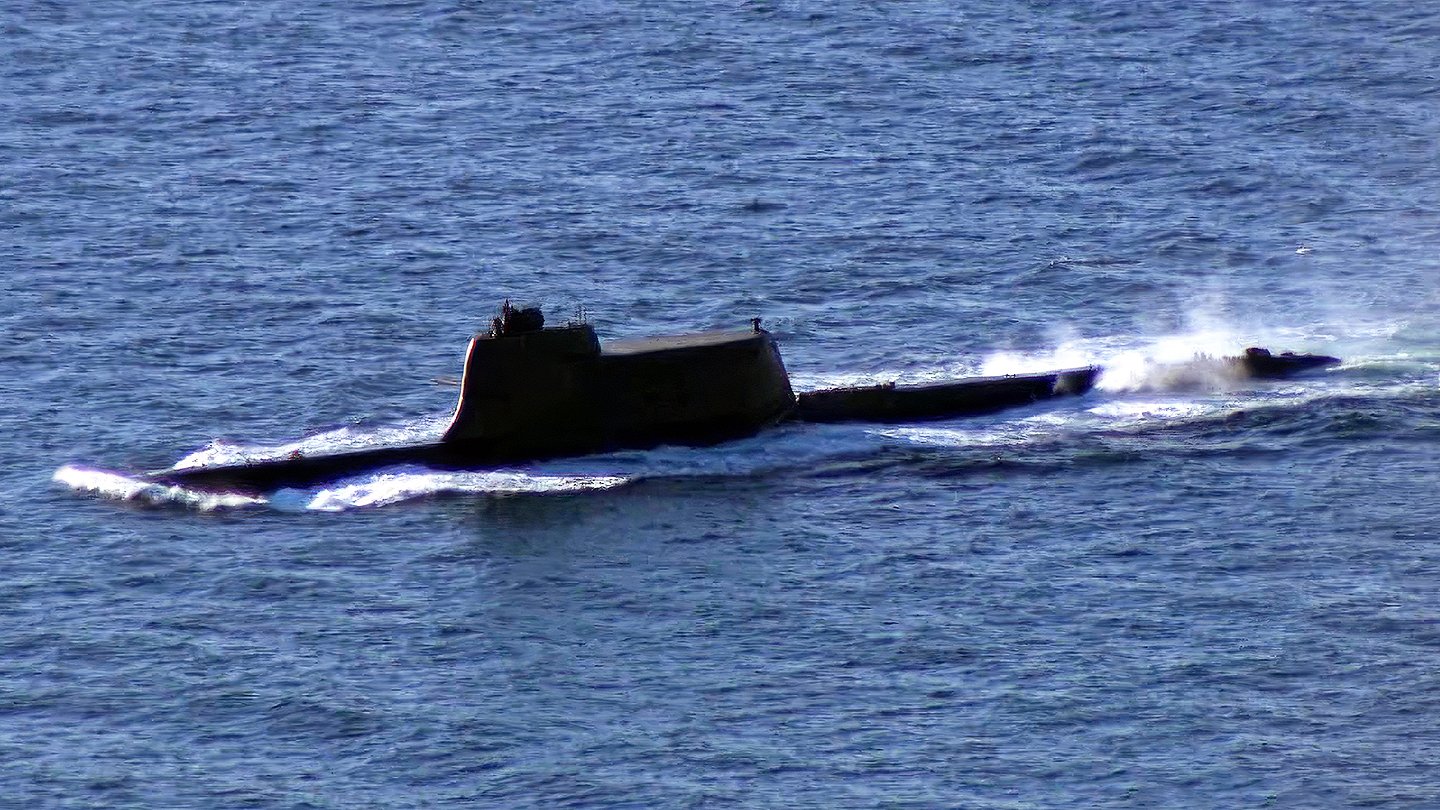
Уг шумбагч онгоц нь стратегийн далавчит пуужин харвах чадавхыг шалгах зорилгоор далайд гарч, байлдааны системийг туршсан байна.
Хойд Солонгос аравдугаар сарын 14-ний лхагва гарагт дорнод эрэг орчимдоо шумбагч онгоцноос стратегийн хоёр төрлийн далавчит пуужин харвасан тухай Солонгосын төв цахилгаан мэдээний агентлаг (KCNA) мэдээлэв. Энэ нь 2023 онд олон нийтэд танилцуулсан “Hero Kim Kun Ok” шумбагч онгоцны хувьд анхны батлагдсан зэвсгийн туршилт болж болзошгүй юм. Өмнөд Солонгосын Жанжин штабын мэдээлснээр, пуужингуудыг босоо харвах систем болон торпедо хоолойгоор дамжуулан харвасан нь уг хөлгийн онцлог чадавхтай нийцэж байна.
Хүйтэн дайны үеийн “Romeo” ангиллын шумбагч онгоцыг гүнзгийрүүлэн өөрчилж бүтээсэн энэхүү 3,000 тоннын ангиллын хөлөг нь Пхеньяны цөмийн зэвсэг бүхий тэнгисийн цэргийн хүчний гол байгууламж болох төлөвтэй байна. Хэдийгээр “Hero Kim Kun Ok” шумбагч онгоц туршилтад оролцсон нь бараг тодорхой байгаа ч, түүний ашиглалтын бодит байдал, байлдааны бэлэн байдал болон зэвсэглэлийн нарийвчилсан тохиргоо тодорхойгүй хэвээр байна.
Шумбагч онгоцноос пуужин харвах чадвар нь Хойд Солонгосын стратегийн зэвсэгт хүчний саатуулах чадавхыг бэхжүүлэх зорилготой бөгөөд Пхеньян сүүлийн үед хийж буй пуужингийн туршилтуудаараа дамжуулан зэвсэглэлээ төрөлжүүлэх бодлого баримталж байна. Өмнөд Солонгос болон АНУ-ын тагнуулын албад уг хөлгийн хөдөлгөөн болон туршилтын явцыг нарийн хяналтад авсан бөгөөд энэ нь бүс нутгийн цэргийн тэнцвэрт байдал болон батлан хамгаалах төлөвлөлтөд нэмэлт сорилт учруулж болзошгүй юм.
Дэлгэрэнгүйг эх сурвалжаас харах
Эх сурвалжийг нээх ↓
North Korea says it has test-fired two types of submarine-launched strategic cruise missiles off its east coast, in what appears to be the first time its bizarre Hero Kim Kun Ok submarine has been seen at sea in at publicized manner. If the vessel truly was the launch platform, the tests would mark its first confirmed weapons trials and a potential step toward operational service. Unveiled with considerable fanfare in 2023, the Hero Kim Kun Ok has been billed by Pyongyang as a centerpiece of its future nuclear-armed navy, but its operational status and actual capabilities have remained unclear.
The launches took place Wednesday, October 14, with state media Korean Central News Agency (KCNA) reporting the activity earlier today. North Korea said the tests were intended to assess the readiness of its underwater combat systems, improve the Navy’s ability to execute strategic missions, and demonstrate the reliability of its deterrent. Along with imagery of the cruise missiles, KCNA released one photo of the Hero Kim Kun Ok underway, which you can see at the top of this story.
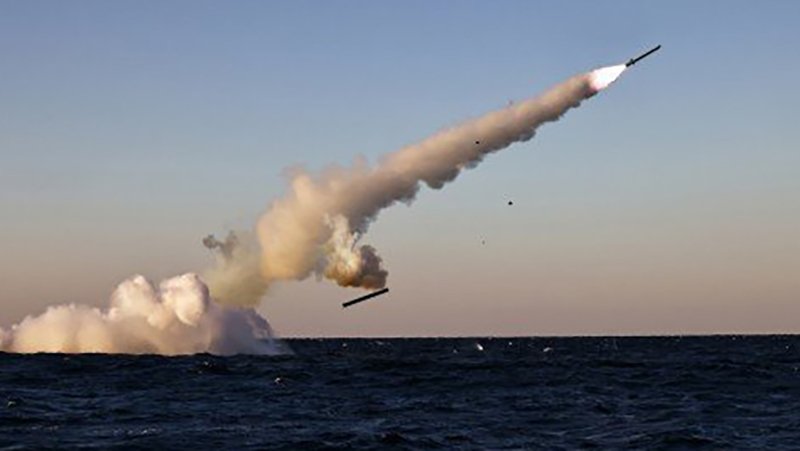
KCNA did not otherwise identify the submarine involved or disclose the missiles’ ranges, flight paths, or performance. South Korea’s Joint Chiefs of Staff (JCS) said it had detected and tracked the launches from before firing through the cruise and terminal phases. A JCS spokesperson said one missile type was launched from a vertical launch system and another from a torpedo tube. This would match the imagery we are seeing, it would also match the Hero Kim Kun Ok’s unique capabilities. The South Korean military assessed that the launches came from a submarine but did not initially identify the vessel publicly.
There remains a possibility that the 3,000-ton-class Hero Kim Kun Ok was not actually involved in launching the missiles. North Korea has long used underwater platforms for test missile launches and has paired these with images of an actual submarine for propaganda purposes. However, the JCS confirming they came from a submarine would lend additional credence to the possibility Hero Kim Kun Ok did indeed launch the missiles. If this is the case, it would indicate that North Korea has begun validating weapons systems aboard the submarine ahead of deployment. At the very least, we can confirm that the Hero Kim Kun Ok is now sailing, although South Korean and U.S. intelligence would be acutely aware of its movements and it could have been in at sea testing for years now, we just don’t know.
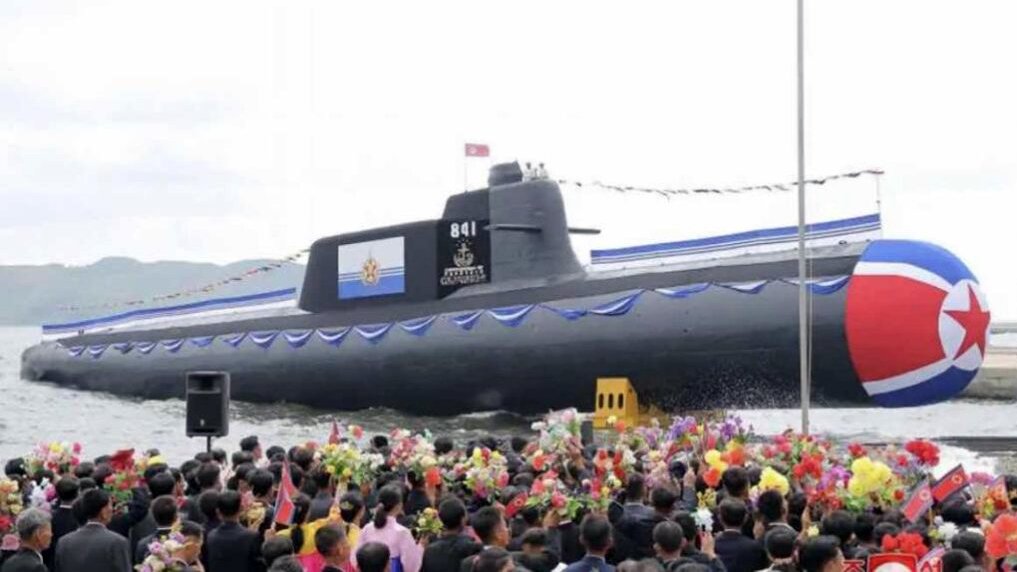
North Korea unveiled the submarine in September 2023, describing it as its first “tactical nuclear attack submarine” and one of the Navy’s core offensive platforms. At the launching ceremony, North Korean leader Kim Jong Un was quoted as saying that arming the Navy with nuclear weapons “brooks no further delay.”
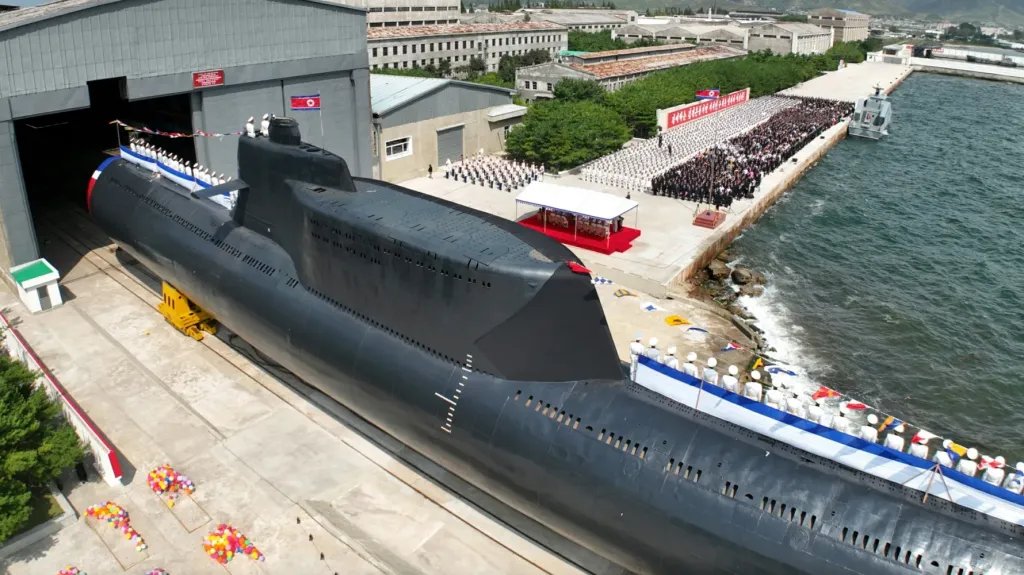
Nevertheless, many questions remain about the submarine’s design and operational prospects. Overall, it remains a heavily modified derivative of a Cold War-era Romeo class diesel-electric submarine — nearly an antique by today’s standards — rather than a purpose-built guided missile submarine. Previous imagery shows 10 missile launch tubes concealed in the prominent ‘turtle back’ aft of the sail, in addition to torpedo tubes, although the precise configuration, usable capacity, and operational status of those systems remain uncertain.
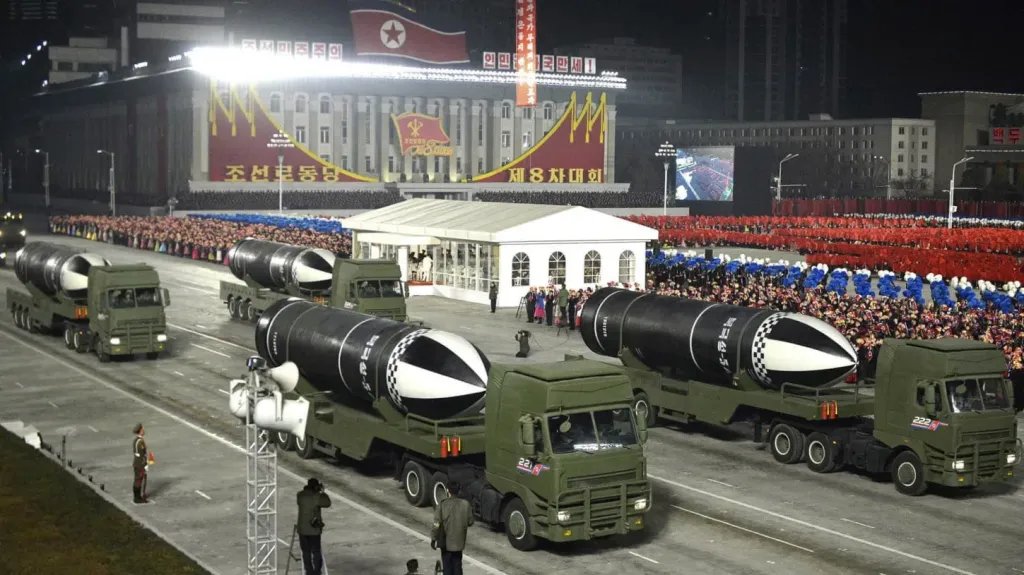
The absence of publicly reported weapons tests from the vessel over the following years raised questions about its development. Analyst Shin Jong-woo of South Korea’s Defense and Security Forum told Reuters that the latest launches suggested combat-system testing for operational deployment was underway. He also suggested that North Korea may have resolved technical problems and could also test a submarine-launched ballistic missile (SLBM) before the vessel enters service. North Korea has previously presented SLBMs of increasing size, but has lacked a suitable submarine to launch them from.
Missile launches while the submarine is submerged represent a more demanding and operationally relevant capability than firing from the surface.
At the same time, a missile launch of any kind demonstrates only part of the capability required for a submarine like this to be effective at all. An operational submarine must also be able to deploy reliably, remain sufficiently difficult to detect, maintain its weapons, and execute missions under realistic conditions.
A vertical launch system (VLS) can provide dedicated capacity for certain missile types — potentially much larger ones — and may enable faster launches or larger salvos than a configuration relying exclusively on torpedo tubes. Torpedo tubes offer an alternative launch method, but with different constraints on weapon dimensions, handling, and firing procedures.
The forward four tubes are larger than the rear six on the submarine’s ‘turtle back.’ This would allow the boat to carry multiple types of missiles, possibly including a mix of short-range and longer-range submarine-launched ballistic missiles (SLBMs) and submarine-launched cruise missiles (SLCMs).
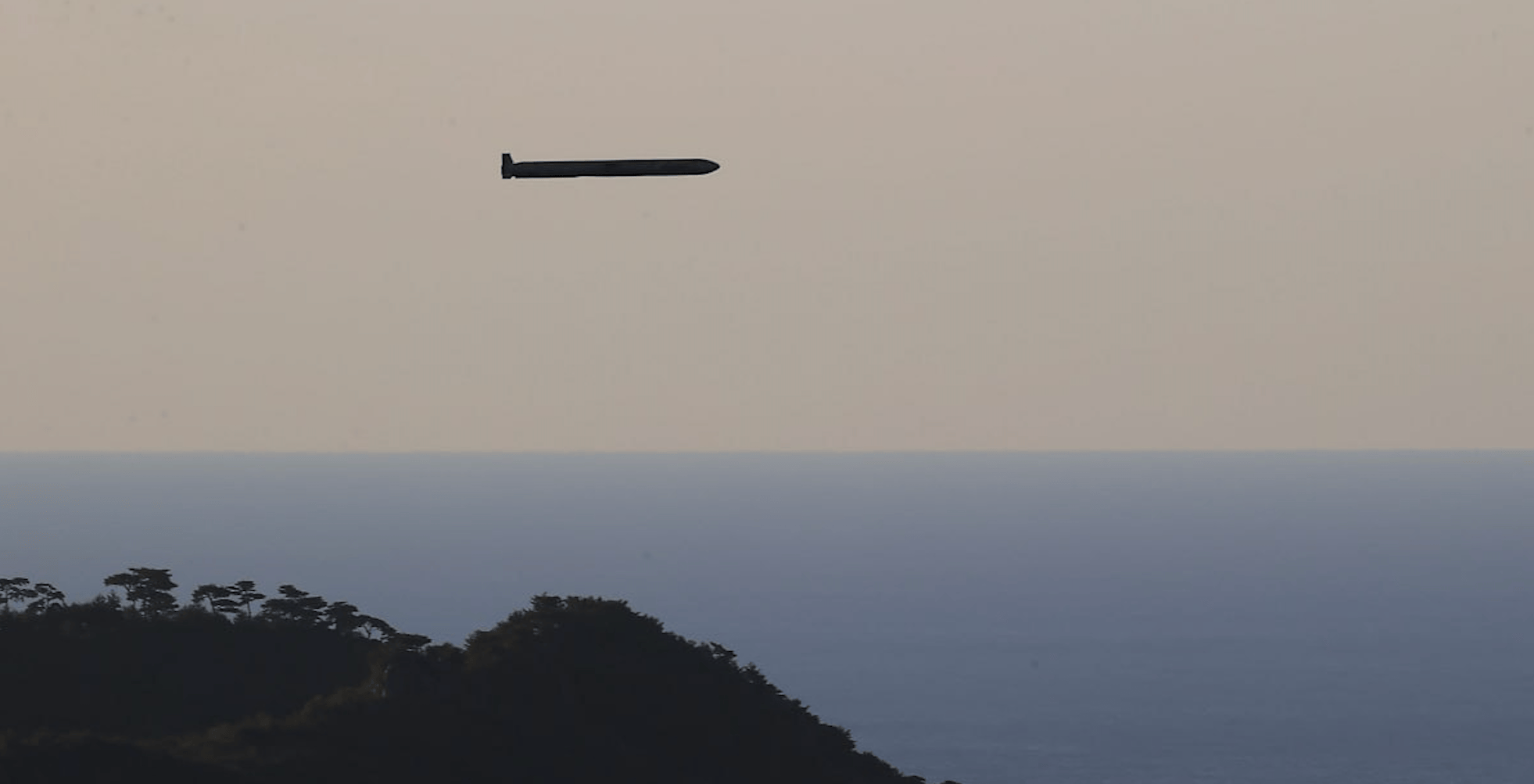
Testing both systems would be consistent with an effort to validate multiple elements of the submarine’s weapons architecture.
North Korea has pursued submarine-launched missiles for years. In March 2023, it reported a submarine-launched cruise missile test from the older 8.24 Yongung submarine. In January 2024, Pyongyang said it had fired Pulhwasal-3-31 strategic cruise missiles from that same vessel. The earlier sub is in the 2,000-ton-class and is understood to have only one or two vertical launch tubes.
North Korea’s description of the weapons as “strategic” cruise missiles should also be treated cautiously. North Korea’s long-range cruise missile program is well established and a nuclear payload is a major part of its ambitions, but how mature or reliable a nuclear warhead is for this application at this time isn’t clear. Regardless, ground, surface, and now subsurface-launched cruise missiles are a key part of North Korea’s broader deterrent architecture.
According to reports, Wednesday’s activity was the first publicly reported underwater North Korean missile-testing event since the January 2024 launch.
Compared to the 8.24 Yongung submarine, the Hero Kim Kun Ok has a larger hull and additional vertical launch tubes, but it still uses very dated diesel-electric propulsion, which presents hugely different endurance, acoustic, and operating constraints compared with nuclear propulsion or even modern diesel-electric submarine capabilities.
As to the expectation that Pyongyang may test an SLBM from the submarine before deployment, this would be a likely milestone toward North Korea fielding a credible sea-based nuclear deterrent.
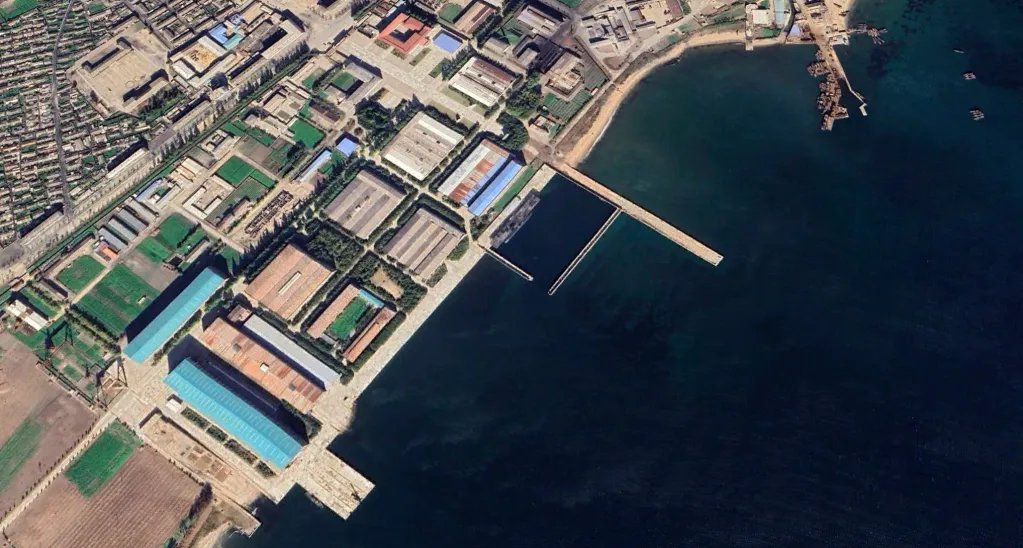
North Korea is also pursuing a separate nuclear-powered submarine project, unveiled as under construction in March 2025. Its completion and operational timeline remain uncertain. Nuclear propulsion is a much bigger challenge, but if perfected, such a boat would be of considerably greater value, especially as a second-strike capability.
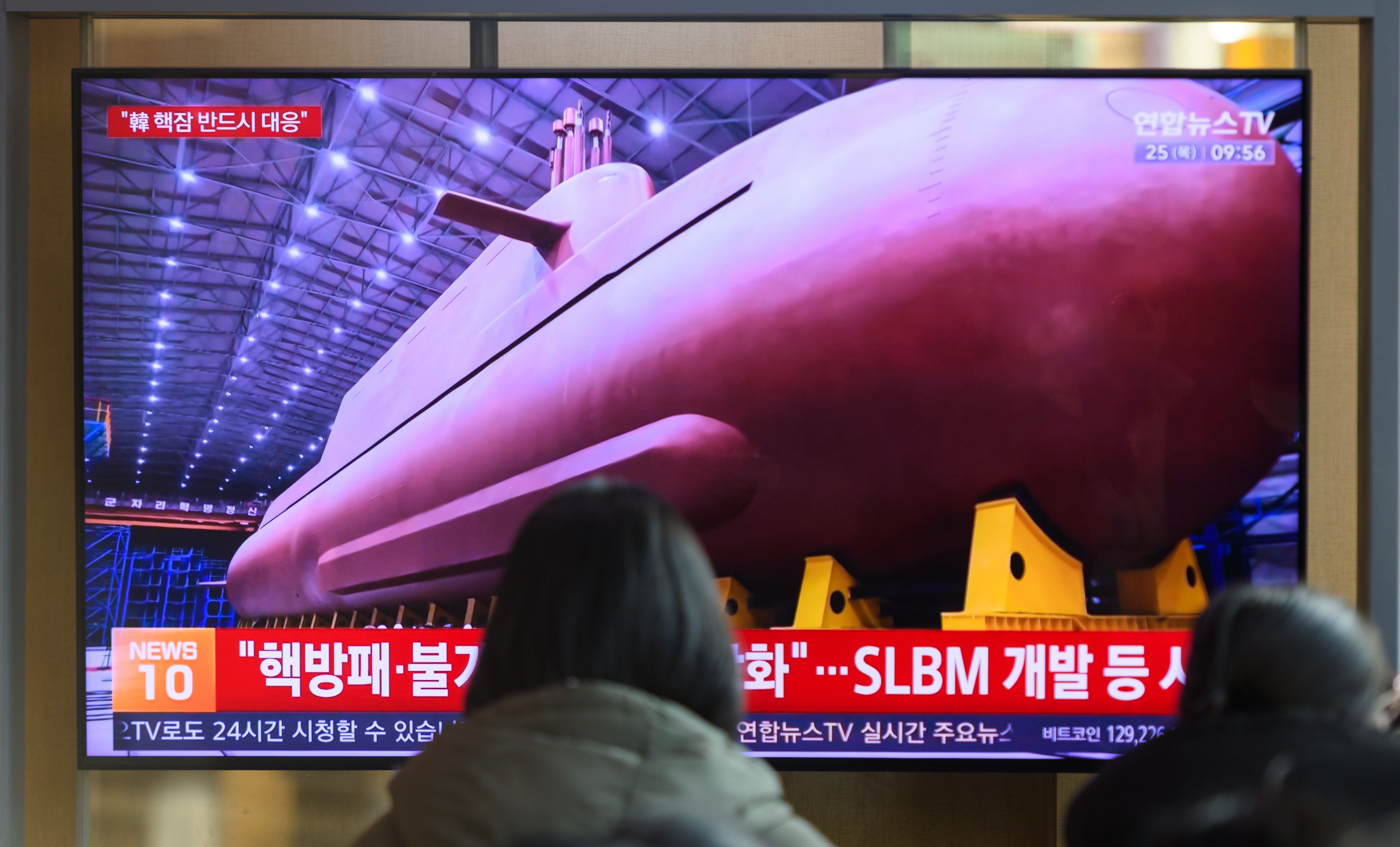
The latest submarine tests come amid a broader series of North Korean weapons demonstrations, including reported hypersonic missile tests on September 20 and October 3, as well as tactical ballistic missile launches earlier in October.
The sequence is consistent with Pyongyang’s effort to diversify its delivery systems and complicate military planning for South Korea, the United States, and Japan.
The activity also carries a diplomatic message. North Korea has repeatedly insisted that it will not abandon its nuclear weapons while the United States maintains what Pyongyang calls a hostile policy. It has also rejected the suggestion that adjustments to U.S.-South Korean military exercises would be sufficient to change the underlying relationship.
The tests also follow North Korea’s rejection of an apparent diplomatic opening from U.S. President Donald Trump after Washington sought to reduce tensions surrounding a U.S.-South Korean military exercise.
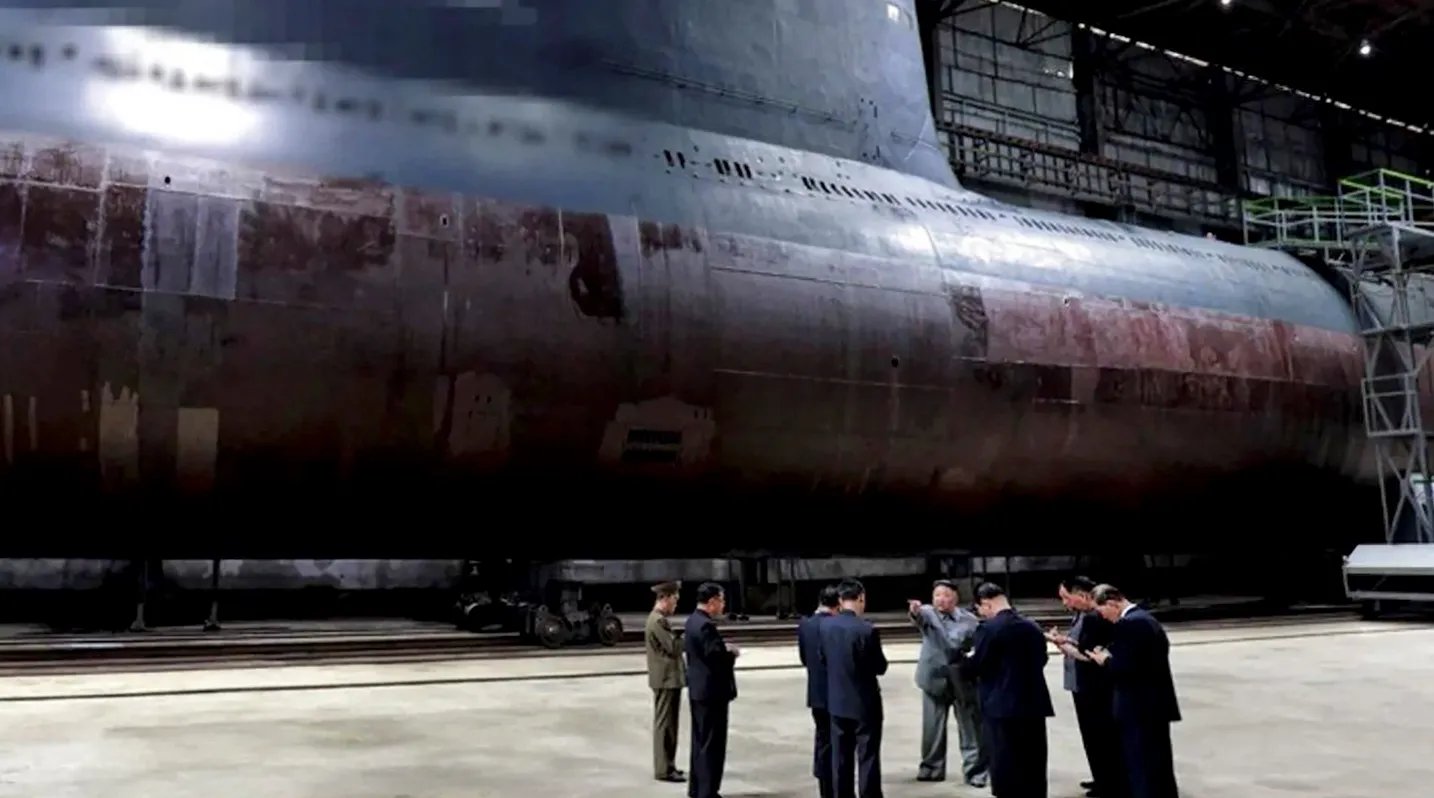
A submarine able to launch missiles from less predictable locations complicates defensive planning for South Korea and the United States. The challenge extends beyond intercepting missiles after launch to detecting and tracking the submarine before it reaches a potential firing position. Even a partially capable vessel places additional demands on potential adversaries.
Were things to ‘go hot’ on the Korean Peninsula, any submarine capable of carrying strategic weapons would be at the top of the targeting list for Pyongyang’s adversaries. A submarine based on the archaic Romeo class design would be fairly easy to track from the time it leaves its berth. This is especially the case bearing in mind the sophisticated nature of South Korea’s anti-submarine capabilities.
Future submarines will become increasingly more challenging, however. That problem could intensify if future North Korean boats make more use of Russian assistance in developing their capabilities. Submarine technology is supposedly part of the payment to Pyongyang for its help in the war in Ukraine. This could become a much larger problem, even if Moscow were to provide North Korea with advanced Kilo class boats, for example.
For now, provided that the Hero Kim Kun Ok launched the missiles, which seems most likely, this would indicate that North Korea is advancing weapons integration aboard a submarine intended to expand its offensive naval capabilities. The fact that the Hero Kim Kun Ok is now at sea also signals progress toward deployment.
Whatever the ultimate operational effectiveness of the Hero Kim Kun Ok and its emerging missile armament, Pyongyang continues to demonstrate incremental improvements to its submarine forces.
Contact the author: thomas@thewarzone.com
The post North Korea’s ‘Hunchback’ Missile Submarine Makes First At-Sea Appearance For Missile Tests appeared first on TWZ.

