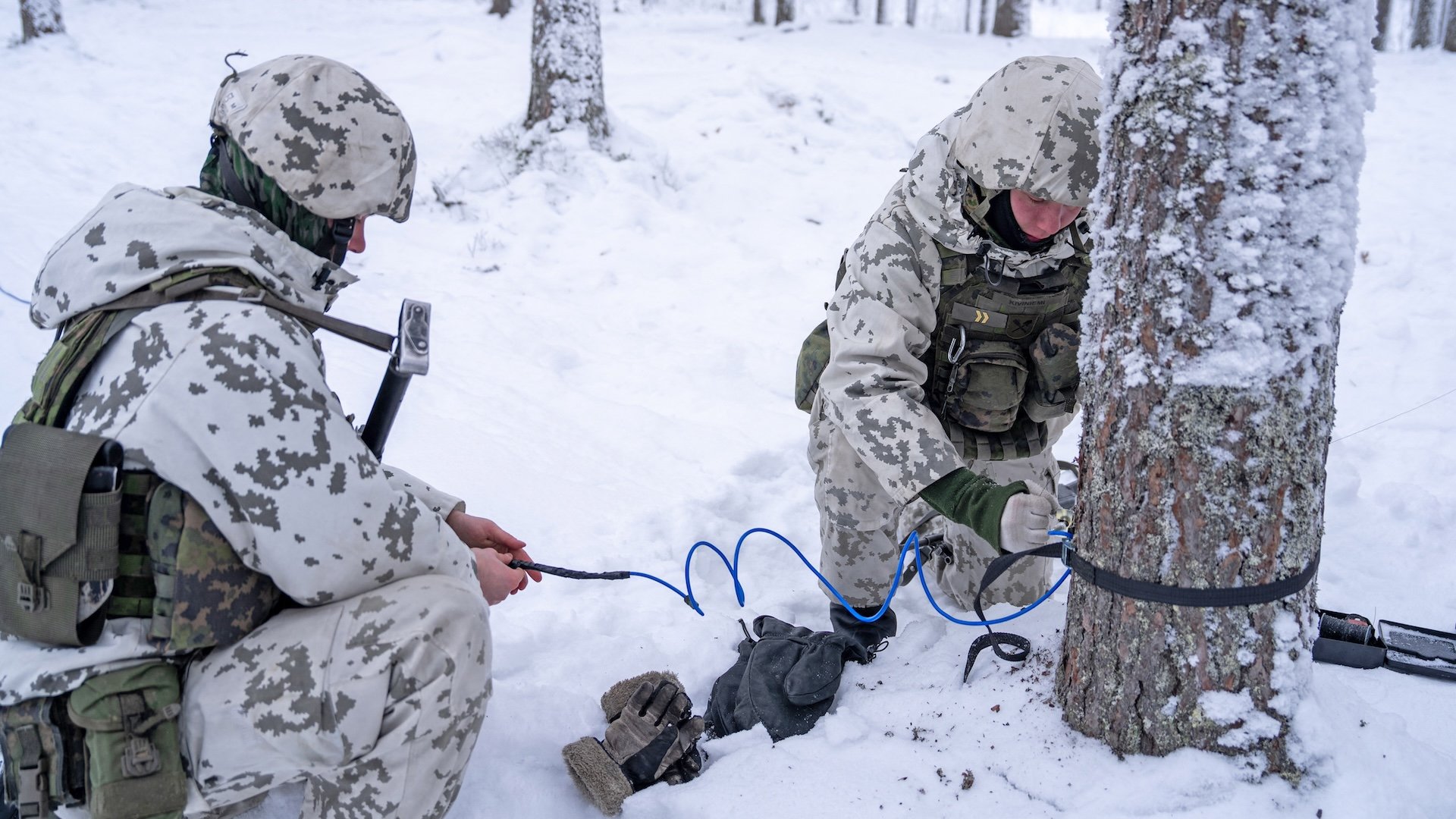
Тус улс явган цэргийн эсрэг минаг хориглосон Оттавагийн конвенцоос албан ёсоор гарч, батлан хамгаалах салбартаа шинэ зэвсэглэл нэвтрүүлэх бэлтгэлээ эхлүүллээ.
НАТО-гийн гишүүн Финланд улс явган цэргийн эсрэг минаг цэргийн зэвсэглэлдээ эргүүлэн оруулахаар болж, ойрын хугацаанд нэг сая ширхэг мина худалдан авах гэрээ байгуулахаар зэхэж байна. Энэхүү шийдвэр нь явган цэргийн эсрэг минаг ашиглах, үйлдвэрлэх, нөөцлөхийг хориглосон Оттавагийн конвенцоос гарсан Финландын алхамтай холбоотой бөгөөд уг үйл явц нэгдүгээр сарын 10-нд албан ёсоор хэрэгжиж эхэлжээ. Польш, Латви, Литва, Эстони зэрэг НАТО-гийн зүүн жигүүрийн орнууд мөн адил конвенцоос гарахаар шийдвэрлэсэн нь бүс нутгийн аюулгүй байдлын нөхцөл байдал хурцадсаныг илтгэж байна.
Финландын Зэвсэгт хүчин дотоодын үйлдвэрлэгчидтэй хамтран хоёр төрлийн мина бүтээхээр төлөвлөж байгаа бөгөөд үүнд татлагаар идэвхждэг хоолойн мина болон гишгэх даралтаар ажилладаг мина багтаж байна. Энэхүү төсөл нь 110 сая ам.долларын өртөгтэй бөгөөд 2028 онд үйлдвэрлэл эхэлж, 2030-аад онд бүрэн нийлүүлэлт хийгдэхээр төлөвлөгджээ. Финландын армийн инженерүүдийн хяналтын газрын хурандаа Рику Микконений мэдэгдсэнээр, эдгээр зэвсгийг зөвхөн онцгой байдлын үед ашиглах бөгөөд энх тайвны цагт байршуулахгүй гэдгийг онцолсон байна.
ОХУ-ын зүгээс хил орчмын бүс нутагтаа цэргийн хүчээ нэмэгдүүлж, дэд бүтцээ өргөжүүлж байгаа нь Финландын энэхүү батлан хамгаалах бодлогод гол нөлөө үзүүллээ. Орос улс 2024 онд Ленинградын цэргийн тойргийг дахин байгуулж, Карелийн бүгд найрамдах улсад 44-р армийн корпусыг шинээр төвхнүүлсэн нь НАТО-гийн хойд хил дээрх цэргийн чадавхыг бэхжүүлэх оролдлого гэж үзэж байна. Хэдийгээр Украин дахь дайн Оросын нөөцийг шавхаж байгаа ч Финландын цэргийн тагнуулын 2026 оны тайланд дурдсанаар, ирээдүйд тус улсын хил орчимд цэргийн хүчин чадал эрс нэмэгдэх эрсдэлтэй хэвээр байна.
Breaking News: Where exactly is Russia building its massive new military garrison?
For the first time, a completely new base is going up behind Finland’s eastern border, set to hold up to 6,000 soldiers. Take a look at the first satellite data: https://t.co/IuZerZRyeQ #russia pic.twitter.com/2UvQXheaAP
— Mika Mäkeläinen (@Mikareport) June 10, 2026

Mind you, the 22nd with T-90Ms, BTR-82As and BMP-3ms (and maybe BREMs) is just the latest storage depot beign refilled. There’s also the 80th mainly with 2S19s and the 374th near the Finnish border with 2S43s and 2S44s since 2025…
— Jompy (@Jonpy99) October 15, 2026
Дэлгэрэнгүйг эх сурвалжаас харах
Эх сурвалжийг нээх ↓
NATO member Finland is preparing to reintroduce anti-personnel landmines into its military arsenal, with a contract for around one million examples due to be signed soon, following the country’s withdrawal from the Ottawa Convention that aims to eliminate these weapons. The move comes as Helsinki looks to strengthen its territorial defenses against a longstanding Russian threat and the prospect of a larger Russian military presence along its eastern border in the years ahead.
Finland’s withdrawal from the treaty, which prohibits the use, stockpiling, production, and transfer of anti-personnel mines, took effect on January 10 of this year. Reflecting growing concern among NATO’s eastern-flank members about Russia’s military posture and the lessons of the war in Ukraine, Poland, Lithuania, Latvia, and Estonia have also moved to leave the convention.
Mines have, for many centuries, been used to complicate an attacker’s movement, slow operations, and force troops to devote time and resources to clearing obstacles. Anti-personnel mines, in particular, have long been employed in defensive campaigns, but they come with significant humanitarian risks. They can kill or maim civilians long after hostilities end, which has seen them fall foul of international humanitarian law in many countries — at least when those nations don’t see a realistic risk of invasion.
It is a measure of how badly the European security environment has deteriorated that anti-personnel mines are back on the agenda.
The Finnish Defense Forces previously said that discussions with the domestic defense industry and preparations to train military personnel would begin early this year. It has now announced that the project seeks two different types of anti-personnel mines, of Finnish manufacture.
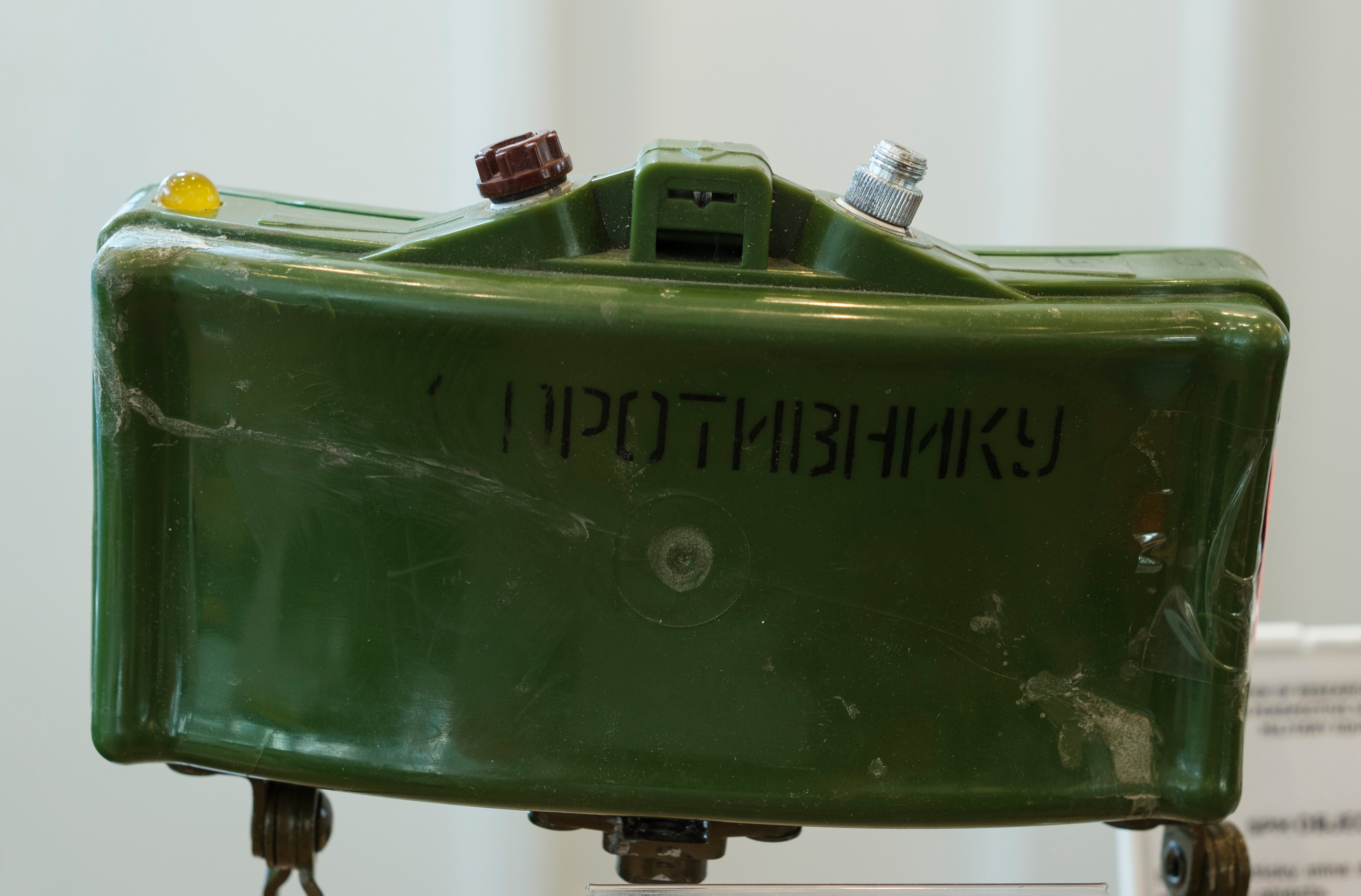
The two weapons will comprise a modern tube mine activated by a tripwire trigger, and a pressure-activated step mine. In the future, more technically advanced mines may also be procured, including cluster-type mines of the kind deployed by Russia in Ukraine. In general, anti-personnel mines have been very widely used by both sides in that conflict, with Kyiv notably receiving them as part of U.S. air packages, as you can read about here. Neither the United States nor Russia are signatories of the Ottawa Convention.
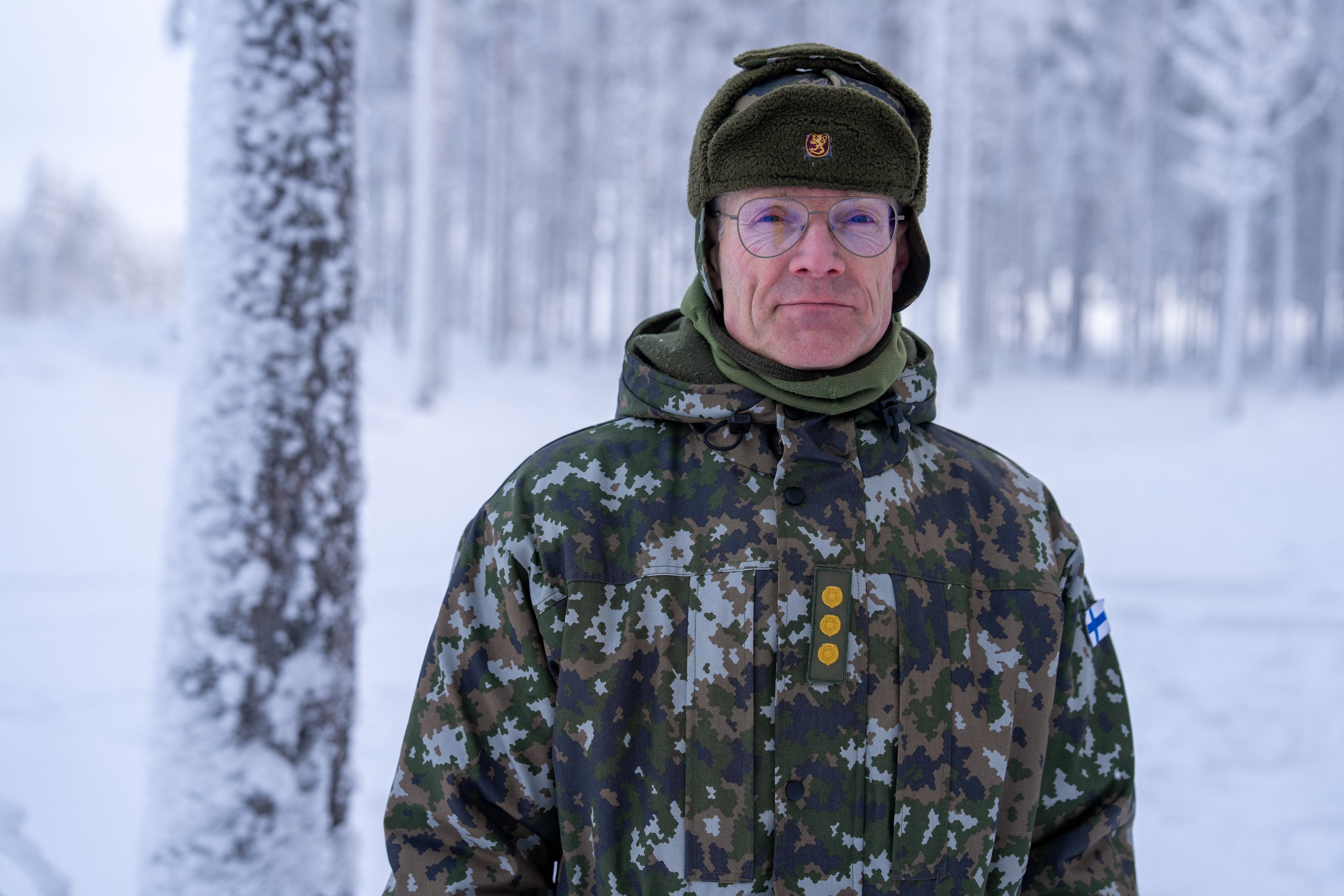
“The aim is for production of the new anti-personnel mines to begin in Finland in 2028,” said Col. Riku Mikkonen, inspector of engineers for the Finnish Army Command.
“We have a materials procurement project underway, which is currently in the preparatory and market review phase. At the same time, we are drawing up the technical specifications for the mines,” Mikkonen added. “We will soon move on to the stage where we issue requests for tenders, so that we can eventually proceed to a competitive tendering process and conclude contracts.”
At this point, no contracts have been signed. However, once the procurement effort is underway, the Finnish Defense Forces are set to return their anti-personnel mine stockpile to what it was before acceding to the Ottawa Convention in 2012.
The first new mines and associated training equipment are expected to become available during 2027. Ultimately, all conscripts will be trained to employ anti-personnel mines. The total cost of the project is around $110 million, with the last of the mines scheduled to be delivered in the 2030s.
Helsinki has stressed that it does not intend to lay anti-personnel mines during peacetime. Mikkonen said the weapons would be used only under emergency conditions.
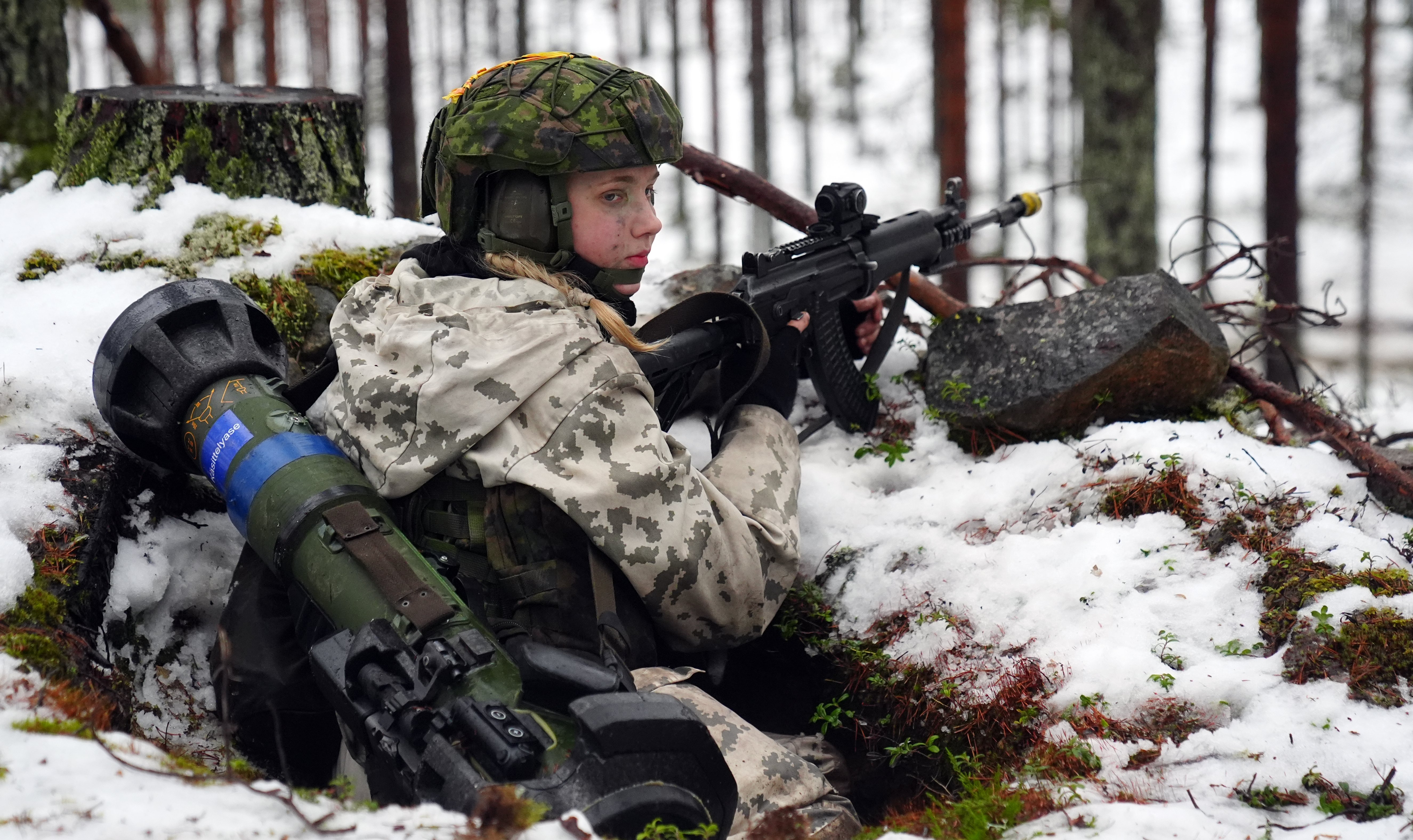
Finland’s decision reflects a national defense philosophy that has long been shaped by direct experience with Soviet aggression. The Soviet Union invaded Finland in 1939, beginning the Winter War, and fought another conflict with the country from 1941 to 1944. Finland lost territory but preserved its independence, subsequently maintaining conscription, a large trained reserve, and a defense strategy built around making any invasion costly.
Russia’s full-scale invasion of Ukraine in 2022 reinforced Finnish concerns that major conventional warfare in Europe remained a realistic possibility. Finland joined NATO in April 2023, and the country shares a little over 800 miles of border with Russia.
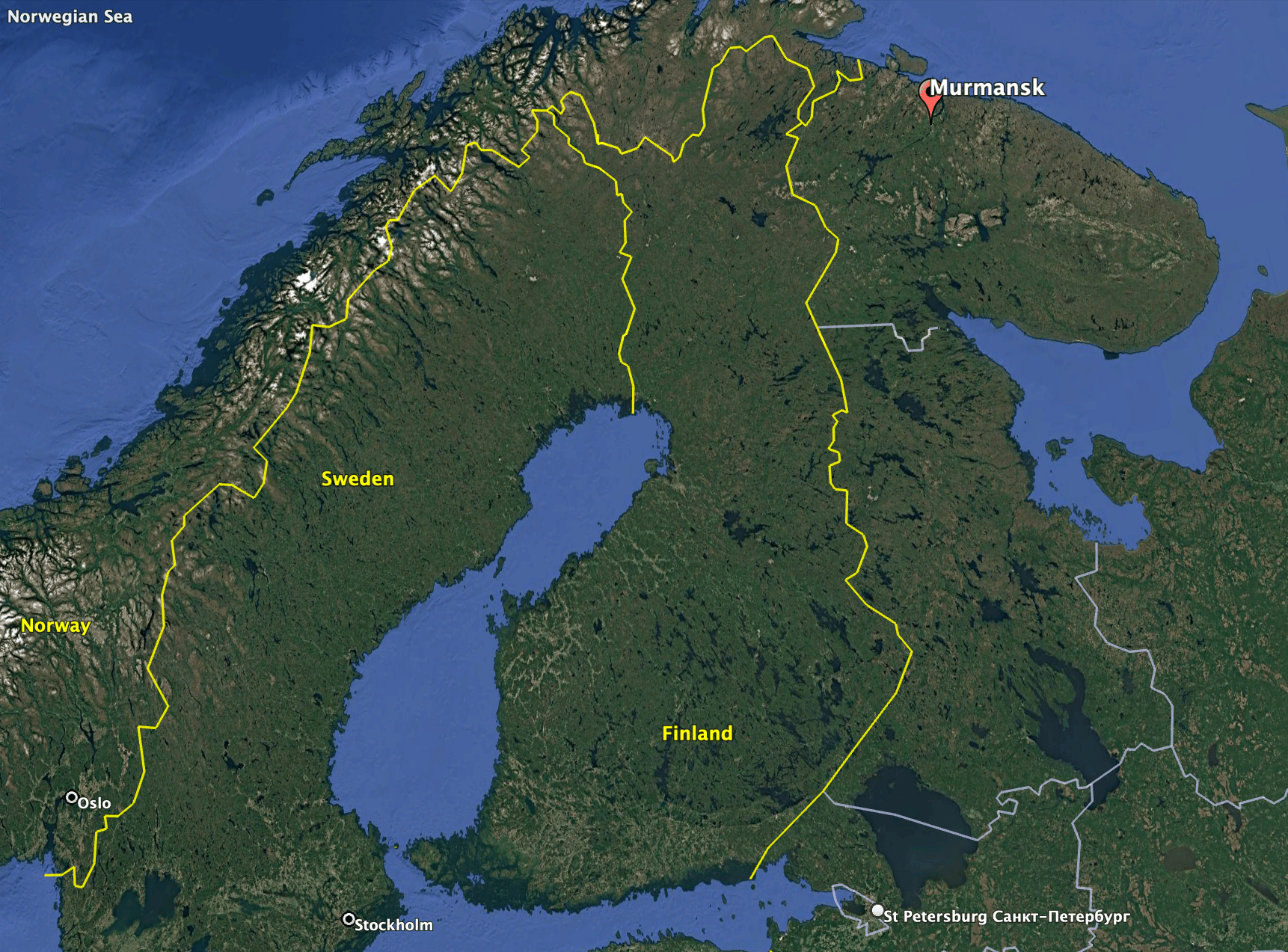
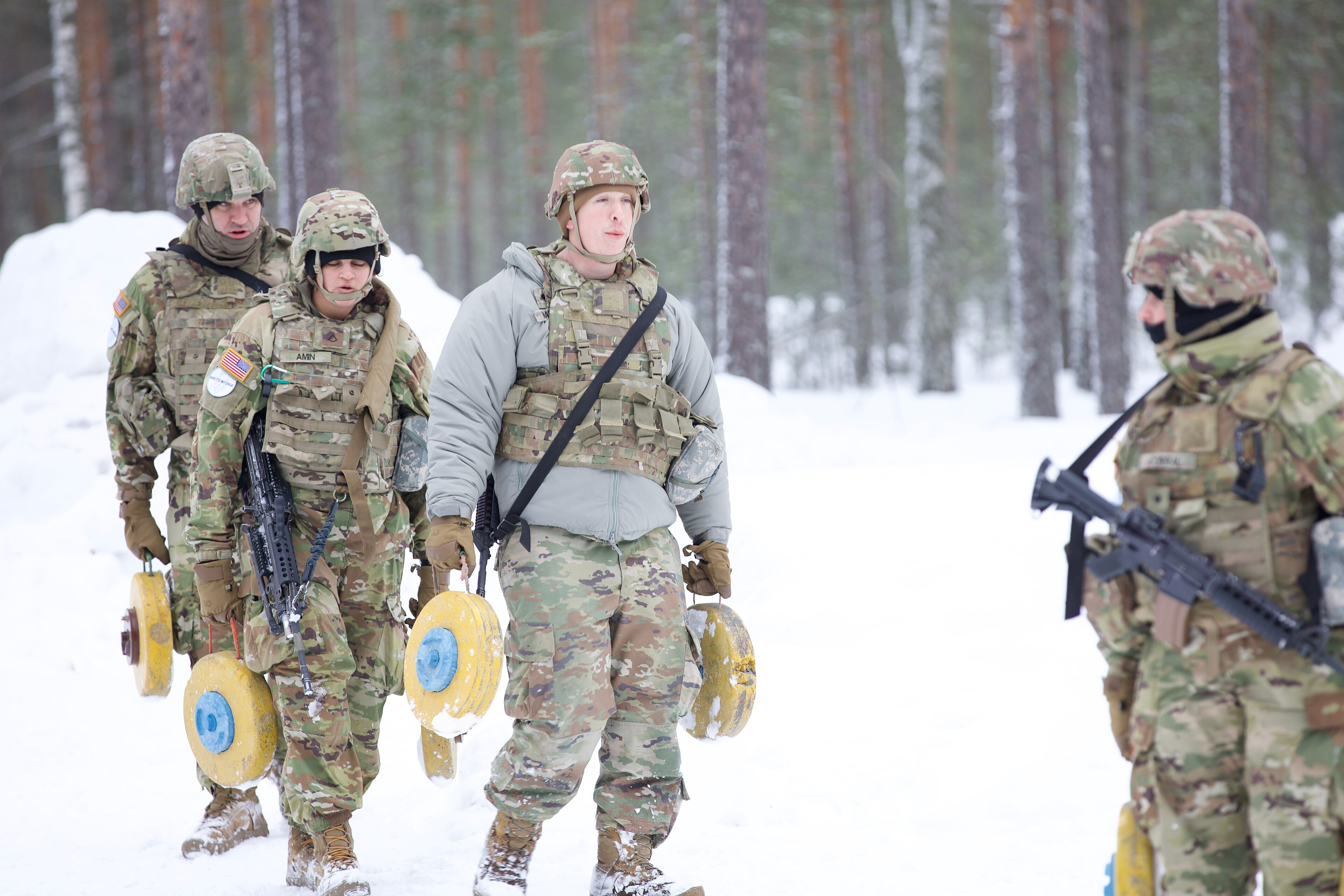
Finland’s defensive approach traditionally emphasizes rapid mobilization to defend national territory and delay a much larger attacking force until reinforcements can arrive. The role of anti-personnel mines in that scenario is clear, being sown to slow down infantry movements and hamper advances through vulnerable areas. Their disproportionate effect, at least in theory, is especially relevant for a country with a relatively tiny population compared to the length of its border.
At the same time, anti-personnel mines would form only one part of a much broader defensive system incorporating artillery, airstrikes, engineering obstacles, fortifications, and reserve forces. It should be noted that Finland also has a considerable armory of anti-tank and anti-vehicle mines, most of which are of local manufacture.
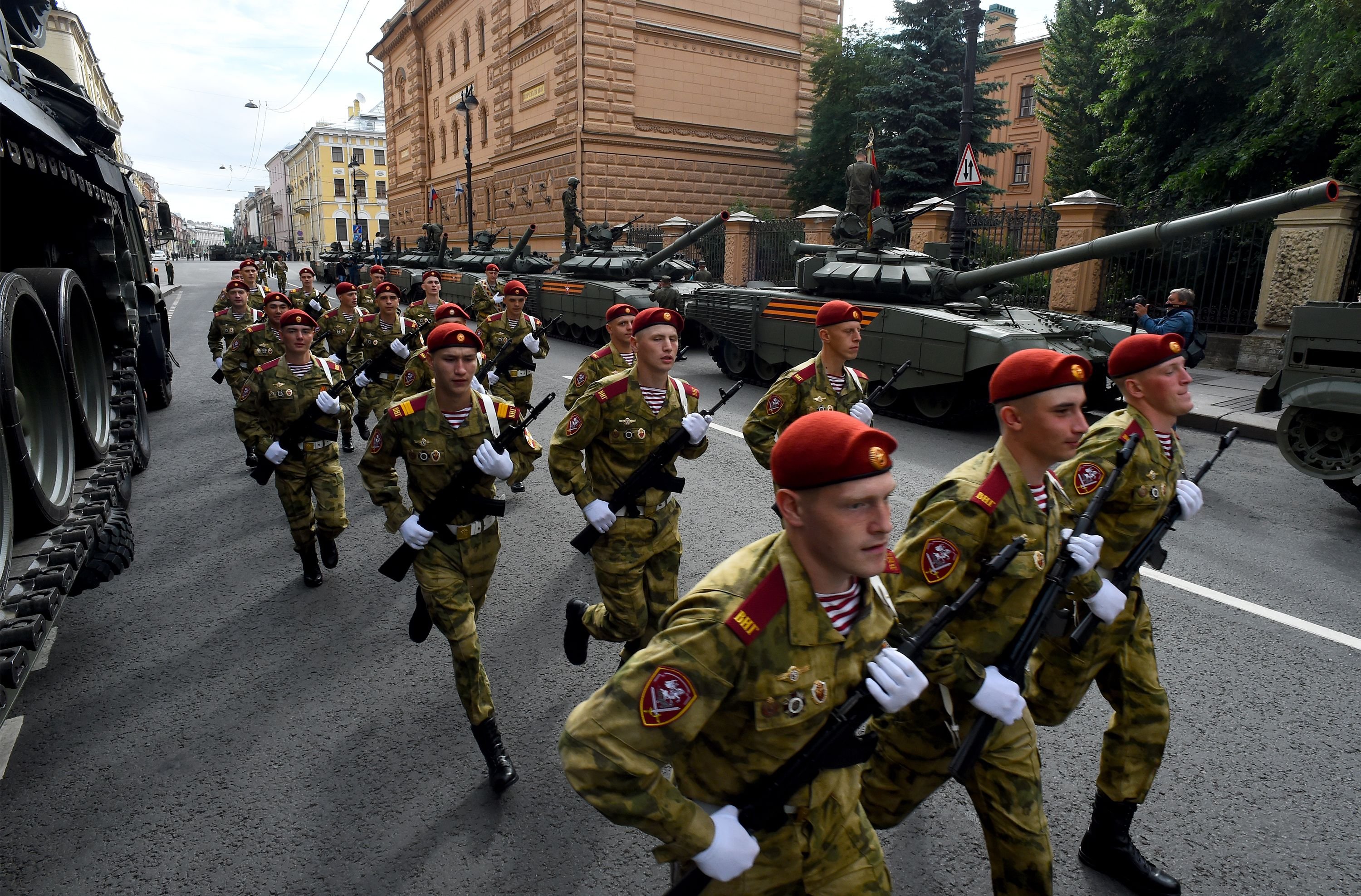
In general, Moscow has been restructuring its military command arrangements and starting to establish the foundations for a larger conventional presence across northern Europe.
In 2024, Russia reestablished the Leningrad Military District, an apparent response to Finland’s and Sweden’s subsequent entry into NATO.
The Leningrad Military District is responsible for a strategically important region that covers the approaches to St. Petersburg, areas bordering Finland, and territory extending toward the Arctic. Its reestablishment gives Russia a dedicated command structure for managing forces facing NATO across this northern sector.
While significant, the creation of a military district does not necessarily generate additional combat power.
Russia’s war in Ukraine continues to drain resources in terms of personnel, equipment, logistics, and more.
Nevertheless, Moscow’s longer-term plans point toward a substantial expansion of its ground forces and military infrastructure in areas facing Finland and the wider NATO alliance.
A central element of Russia’s reorganization is the formation of the 44th Army Corps in the Republic of Karelia, near Finland’s eastern border. The corps was established in 2024 as part of the wider effort to strengthen Russia’s military presence in the northwest.
Russia’s wider military development also encompasses the Kola Peninsula and approaches to the Arctic, where facilities support the Northern Fleet and its strategic nuclear submarine force.
Satellite imagery last year showed construction at the Lupche-Savino garrison near Kandalaksha, including facilities intended to accommodate an artillery brigade and at least part of an engineering brigade. The location is approximately 70 miles east of Finland’s border.
Earlier this year, a separate reportby the Finnish Yle media outletfound that the Russian military was expanding a base in the town of Novaya Vilga to hold as many as 6,000 Russian troops. It is located about 100 miles from the Finnish border.
Breaking News: Where exactly is Russia building its massive new military garrison?
For the first time, a completely new base is going up behind Finland’s eastern border, set to hold up to 6,000 soldiers. Take a look at the first satellite data: https://t.co/IuZerZRyeQ #russia pic.twitter.com/2UvQXheaAP
— Mika Mäkeläinen (@Mikareport) June 10, 2026
For Finland, the situation could change dramatically if the war in Ukraine winds down, and the Russian military assembles in greater strength closer to its borders.
Finland’s Military Intelligence Review 2026 assesses that Russia’s military reforms have not yet significantly increased its capabilities in its immediate vicinity. But it still anticipates a substantial increase in Russian military capabilities as circumstances permit and identifies Finland as a major direction for future force development after the war.
A ceasefire or settlement in Ukraine would not automatically enable Russia to launch a major offensive against Finland. A ceasefire could ease the immediate military pressure on Russia while still creating a serious economic and political challenge for the Kremlin. Russia’s wartime spending has sustained defense-sector production and employment, but winding that spending down risks exposing structural weaknesses.
With a ceasefire or settlement, Moscow would still need to rebuild units, replace equipment, replenish personnel, and establish the logistical capacity to sustain large-scale operations. However, there are indications that this is already happening, at least to a degree.
Recent imagery analysis indicates, for example, a significant buildup of newly delivered Russian armor, including new T-90M tanks, at the 22nd Central Tank Reserve Base, located around 450 miles from the Finnish border.
Finland’s planned acquisition of anti-personnel mines fits into a broader effort to prepare for a potential future conflict. Prominent in the minds of Finnish — and other Nordic — defense planners is the fact that Russia is rebuilding the command structures and infrastructure needed to support a larger military presence near NATO’s northern frontier, even as the war in Ukraine limits its immediate ability to do so.
Contact the author: thomas@thewarzone.com
The post Finland Plans To Build A Million Landmines As Russian Threat Looms appeared first on TWZ.

