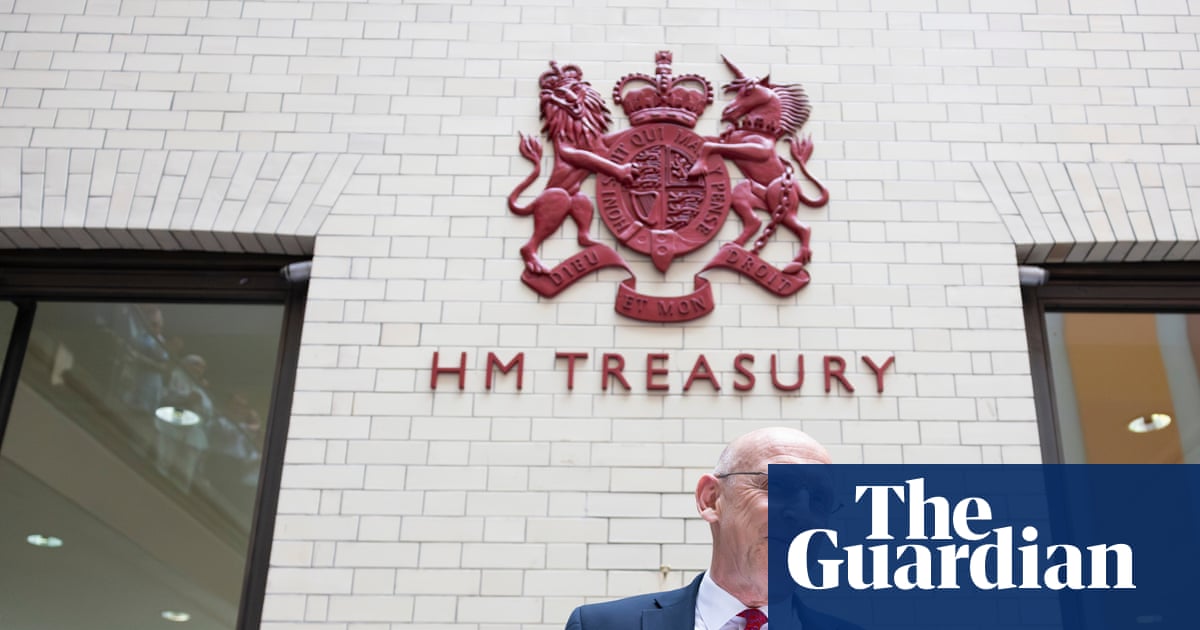
Ираны мөргөлдөөний улмаас эрчим хүчний үнэ өсөж, төрийн өрийн хүүгийн зардал нэмэгдсэний улмаас Их Британийн төсвийн алдагдал хүлээлтээс давлаа.
Их Британийн Сангийн яамны мэдээлснээр, есдүгээр сард улсын төсвийн алдагдал 24.5 тэрбум фунт стерлингт хүрчээ. Энэ нь шинжээчдийн таамаглаж байснаас 1.9 тэрбум фунтээр илүү үзүүлэлт юм. Засгийн газрын өрийн хүүгийн төлбөрт 10.9 тэрбум фунт зарцуулсан нь түүхэн дэх хамгийн өндөр дүн болсон бөгөөд үүнд инфляци болон Ираны дайнаас үүдэлтэй эрчим хүчний үнийн өсөлт шууд нөлөөлсөн байна.
Төрийн нийт өр анх удаа 3 их наяд фунт стерлингийн босгыг давсан хэдий ч эдийн засгийн хэмжээтэй харьцуулбал өмнөх оны 95 хувиас 94 хувь болж буурчээ. Сангийн сайд Жон Хили ирэх долоо хоногт танилцуулах төсвийн төсөлдөө өмнөх засгийн газрын тогтоосон санхүүгийн дүрэм журмыг баримтлах төлөвтэй байна. Гэсэн хэдий ч төсвийн орлогын өсөлт нь өрийн хүүгийн зардлыг нөхөхөд хангалтгүй байгаа нь түүнийг хүндхэн сорилтын өмнө аваачлаа.
Эдийн засагчид болон сөрөг хүчний зүгээс засгийн газрыг улсын санхүүгээ хяналтад байлгах, зардлаа оновчтой төлөвлөхийг анхааруулж байна. Ялангуяа эрчим хүчний үнийн өсөлтөөс үүдэлтэй дарамтыг бууруулах арга хэмжээ нь төсвийн алдагдлыг улам тэлэх эрсдэлтэй байгааг шинжээчид онцолж байна.
Дэлгэрэнгүйг эх сурвалжаас харах
↓Эх сурвалжийг нээх ↓
The Treasury ran a higher than expected budget deficit of £24.5bn last month as rising inflation pushed up the interest paid on government debt, increasing pressure on John Healey before his budget next week.
Official figures show the government paid £10.9bn in debt interest: the highest September figure since records began, and only the eighth time the monthly number has been above £10bn.
Some government bonds are directly linked to the retail prices index measure of inflation, with payments rising in line with it. RPI has increased in recent months as the Iran war has pushed up energy costs. The Office for National Statistics said this had added £4bn to debt interest costs in September alone.
Total government debt is estimated to have hit £3tn for the first time – although as a share of the size of the economy it has fallen to 94%, from 95% a year ago.
The £24.5bn monthly deficit on the public finances was up from £17bn in August, and £1.9bn higher than the independent Office for Budget Responsibility had forecast.
In the financial year so far, public sector net borrowing is £97.8bn, the ONS said – £4.4bn lower than last year but still £6bn higher than the OBR expected.
The data underlines the impact of the Iran war on the public finances, before the budget next Wednesday.
Healey has been keen to stress his determination to stay within the fiscal rules set out by his predecessor as chancellor, Rachel Reeves.
However, he is widely expected to accept a slimmer financial buffer, or “headroom”, against those rules than the £24bn Reeves had built up at the time of her spring forecast.
Higher inflation tends to be good for tax revenues but it also squeezes how much government departments can achieve within fixed budgets.
Receipts from income-related taxes were up more than 7% on the same month last year in September, and corporation tax by 9%, aided by stronger than expected economic growth – but these higher receipts failed to offset the rising debt interest bill.
after newsletter promotion
Martin Beck, the chief economist at the consultancy WPI Strategy, said the latest data was “an unwelcome reminder of the pressures facing the chancellor ahead of next week’s budget”.
Healey is under pressure to provide relief from rapidly rising energy costs. Greg Thwaites, the interim chief economist at the Resolution Foundation, said the public finances figures suggested he would have to take a cautious approach.
“The support must be temporary and targeted given the state of the public finances. Borrowing is already off track this year, debt has hit £3tn, and markets are closely scrutinising the government’s ability to keep on top of the public finances,” he said.
The Conservative shadow chancellor, Andrew Griffith, said the figures showed Labour should do more to tackle the deficit. “Government borrowing of more than £3tn – the highest in history – and rising inflation show Labour has lost control of the economy,” he said.

