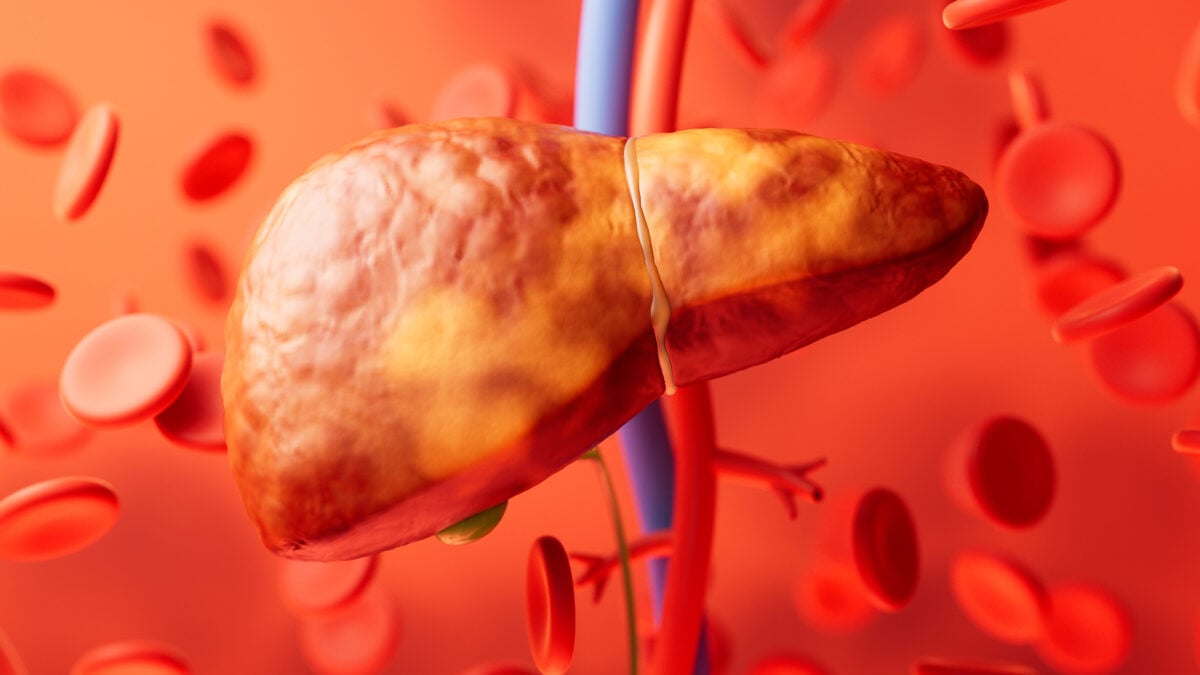
Судлаачид элэгний өөхжилттэй холбоотой бодисын солилцооны эмгэгийг (MASLD) нэг өвчин гэж үзэх бус, таван өөр төрөлд ангилах нь зүйтэй хэмээн үзэж байна.
Дэлхийн хүн амын 30 орчим хувьд тохиолддог элэгний өөхжилт нь эхэн үедээ шинж тэмдэггүй ч цаашид сорвижилт, цирроз, элэгний дутагдал, зүрх судасны болон бөөрний өвчлөлд хүргэх эрсдэлтэй. Nature Communications сэтгүүлд нийтлэгдсэн Mayo Clinic-ийн судалгаагаар өвчнийг дэд төрлүүдэд хуваах нь эмчилгээг өвчтөний биеийн онцлогт тохируулан сонгох, цаашдын эрсдэлийг урьдчилан таамаглахад чухал ач холбогдолтойг онцолжээ.
Судлаачид 1,532 өвчтөний эмнэлгийн мэдээлэлд дүн шинжилгээ хийж, 3,070 хүний мэдээллээр баталгаажуулахдаа хүйс, биеийн жингийн индекс (BMI), элэгний гэмтлийг илтгэх биомаркерууд болон цусны даралт, холестерин зэрэг хавсарсан өвчлөлүүдийг харгалзан үзсэн байна. Ийнхүү C1-ээс C5 хүртэлх таван дэд төрлийг тодорхойлж, 10 жил хүртэлх хугацаанд ажиглалт хийжээ. Тухайлбал, C1 бүлэгт илүүдэл жингүй, настай хүмүүс багтаж элэгний хорт хавдар, шилжүүлэн суулгах эрсдэл өндөр байсан бол C5 бүлгийн хувьд удамшлын хүчин зүйл илүү нөлөөлж байв.
Mayo Clinic-ийн биоинженер Эрик Клий болон Шулан Тиан нарын тайлбарласнаар, энэхүү аргачлал нь нарийн төвөгтэй өвчнийг системтэйгээр таньж, ноцтой гэмтэл үүсэхээс өмнө хөндлөнгийн арга хэмжээ авах боломжийг бүрдүүлдэг байна. Мөн элэгний өөхжилт нь сэтгэл гутрал, нойрны апноэ зэрэг бусад эмгэгтэй холбоотой байж болохыг судалгааны үр дүн харуулжээ.
Гэсэн хэдий ч эдгээр таван дэд төрлийг илүү өргөн хүрээтэй, олон талт бүлэг хүмүүс дээр нарийвчлан судлах шаардлагатай байгаа юм. Энэхүү судалгаа нь генийн мэдээлэл болон эмнэлзүйн нарийвчилсан үзүүлэлтүүдийг нэгтгэн өвчнийг дахин тодорхойлох замаар хувь хүнд чиглэсэн эмчилгээг хөгжүүлэх эхлэл болж байна.
Дэлгэрэнгүйг эх сурвалжаас харах
↓Эх сурвалжийг нээх ↓
Metabolic dysfunction-associated steatotic liver disease (MASLD) – previously known as non-alcoholic fatty liver disease – affects around 30 percent of the global population and, as the name suggests, is characterized by fatty deposits building up in the liver.
While this doesn’t immediately cause damage or illness, it can eventually lead to severe consequences: fibrosis (liver scarring), cirrhosis (more severe scarring, and ultimately liver failure), cardiovascular disease, kidney dysfunction, and more.
In a new study in Nature Communications, researchers led by a team from Mayo Clinic in the US have set out the case for treating MASLD not as one single disease, but as five.
This extra categorization can make more of a difference than you might think, because it means patients can be better assessed for treatment options and future health risks – and the same subdividing approach has been used with many other conditions.
“What’s emerging here is a way to systematically identify meaningful subgroups within complex disease,” says bioinformatician Eric Klee, from Mayo Clinic.
“It helps us map complex disease with such precision that we can begin to anticipate its course and intervene before the most serious damage occurs.”
To define their five subtypes, the researchers analyzed medical data on 1,532 patients, then confirmed the groupings in another 3,070, using computational modeling to look for underlying biological signs that would ‘cluster’ groups of patients together.
The data used for the groupings included sex, body mass index (BMI), blood biomarkers linked to liver damage, and a variety of connected health conditions, including high blood pressure, obesity, and high cholesterol.
“When clinical and genomic data are analyzed together at this scale, you begin to see patterns of disease progression that would otherwise remain hidden,” says bioinformatician Shulan Tian, from Mayo Clinic.
“Once you separate these subtypes, you can start to match treatments to the biology that’s actually driving the disease.”
The analysis resulted in five MASLD subtypes, designated C1 to C5. They then tracked patients for up to 10 years to see how these subtypes might be associated with diseases further down the line.
Each group had its own characteristics. Group C1 for example, around 30 percent of the study participants, was made up of older patients without obesity, who had had relatively high rates of liver cancer and liver transplants.
Group C5, meanwhile, accounted for about 9 percent of the total participants. Genetics played a significant role in this group, both in the risk of developing MASLD and in the risk of complications from it.
The different groups all showed different risk levels for heart disease, liver failure, cancer, and the need to have a liver transplant – an indication of how categorizing people might help in tailoring their treatment.
“Our study provides key insights into MASLD heterogeneity, highlighting the opportunity for personalized therapies,” write the researchers in their published paper.
“By grouping patients into more homogeneous subgroups, disease subtyping offers a path toward personalized care.”
Further findings from the data analysis showed links between subtypes and conditions such as depression and sleep apnea – links that can be followed up by future studies (and that emphasize the liver’s importance to overall health).
The five defined subtypes still need to undergo more rigorous testing in larger, more diverse groups, but these initial results are encouraging. Seeing how different treatments affect health outcomes across MASLD categories could be one way of developing the research and each of the categories further.
“This is exactly the kind of insight large-scale genomic research was built to deliver,” says gastroenterologist Konstantinos Lazaridis, from the Mayo Clinic.
“When you connect genetic data with detailed clinical information across large populations, you can start to redefine diseases in ways that directly impact patient care.”
The research has been published in Nature Communications.
This article was fact-checked by Rebecca Dyer and edited by Rebecca Dyer. While we pride ourselves on our process, we are only human. If you spot a mistake, please let us know.

