Судлаачид Альцгеймер өвчтэй хүмүүсийн цусанд HAEE пептидийн түвшин эрүүл хүмүүстэй харьцуулахад дунджаар хоёр дахин бага байгааг тогтоожээ.
Lifemission компани болон Russian Academy of Sciences-ийн судлаачид тархины нейронуудын хооронд хуримтлагддаг амилоид-бета уургийн бөөгнөрлийг үүсгэхэд нөлөөлдөг цайрын ионыг блоклох чадвартай HAEE (Ac-His-Ala-Glu-Glu-NH2) нэртэй пептидийг хөгжүүлж ирсэн юм. Хулгана дээр хийсэн туршилтаар уг пептид нь тархин дахь амилоид-бета товрууг бууруулж байгаа нь батлагдсан байна. Эмнэлзүйн туршилтад бэлтгэх хүрээнд хийсэн судалгаагаар уг пептид нь хүний биед байгалиасаа агуулагддаг болохыг илрүүлжээ.
Судлаачид 150 эрүүл сайн дурын оролцогчийн цуснаас HAEE-г илрүүлсэн бөгөөд Альцгеймер өвчтэй өвчтөнүүдийн цусан дахь хэмжээ нь эрүүл хүмүүсийнхээс хамаагүй бага байсныг PNAS Nexus сэтгүүлд нийтэлсэн байна. Энэхүү пептидийн дутагдал нь Альцгеймер өвчний эмгэг жамд чухал үүрэг гүйцэтгэдэг байж болзошгүй гэж үзэж байгаа юм. Судлаачдын үзэж буйгаар HAEE-г өвчнийг оношлох биомаркер болгон ашиглах эсвэл синтетик аргаар гаргаж авсан пептидийг эмчилгээнд хэрэглэх боломжтой аж.
Гэсэн хэдий ч судалгааны баг уг үр дүнд тодорхой хязгаарлалтууд байгааг тэмдэглэжээ. Тухайлбал, өвчтөнүүдийн оношийг зөвхөн эмнэлзүйн үнэлгээгээр тогтоосон бөгөөд тархины дүрс оношилгоо эсвэл биомаркерын шинжилгээ хийгээгүй тул бусад төрлийн дементиатай хүмүүс андуурагдсан байх магадлалтай. Мөн судалгааг Lifemission компани санхүүжүүлсэн бөгөөд тус компанийн патенттай холбоотой сонирхлын зөрчил байж болзошгүйг дурдсан байна.

Дэлгэрэнгүйг эх сурвалжаас харах
↓Эх сурвалжийг нээх ↓
A significant amount of Alzheimer’s research is looking at ways to tackle the harmful clumps of amyloid-beta protein that build up between neurons in the brains of people with the disease.
With that same aim, researchers from the startup Lifemission and the Russian Academy of Sciences previously developed a peptide called HAEE (Ac-His-Ala-Glu-Glu-NH2) to stop these clumps from forming by blocking zinc ions that are thought to act as a kind of biological ‘glue’.
In tests on mice, the peptide has already been shown to reduce the number of amyloid-beta plaques in the brain.
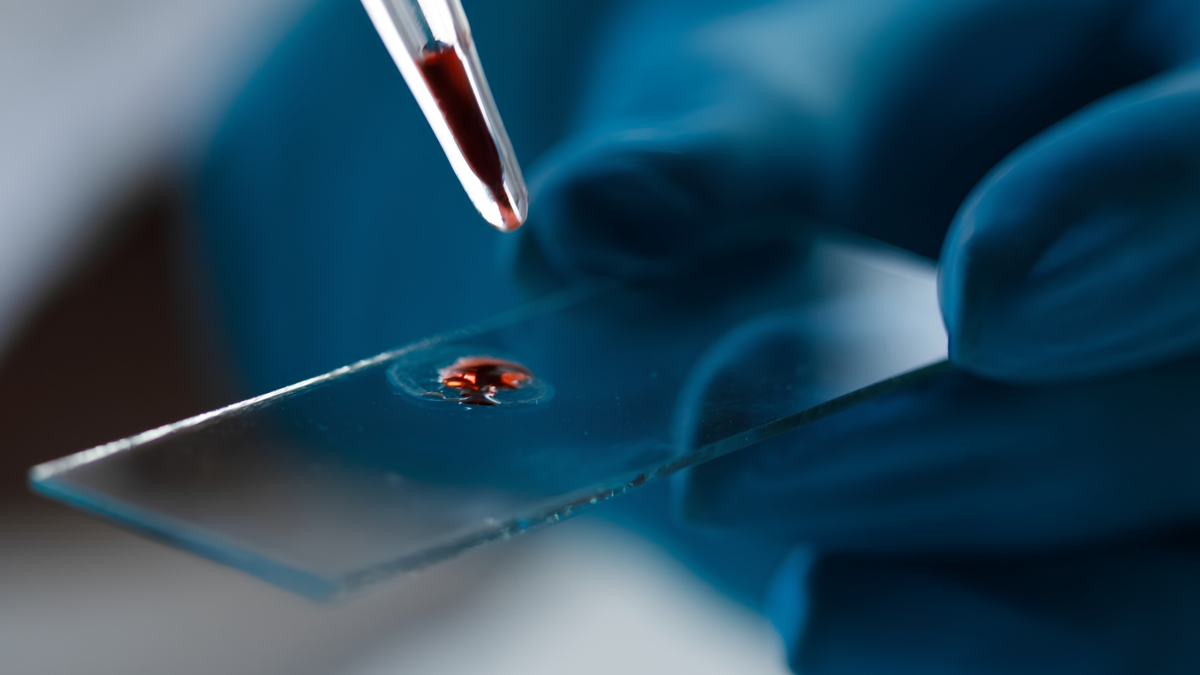
Now there’s a plot twist: When the researchers developed a method to measure HAEE in human blood as a step toward clinical trials, they found the peptide was already present – in every sample from 150 healthy volunteers.
What’s more, the blood samples taken from people with Alzheimer’s had around half the level of HAEE on average as healthy controls, suggesting the molecule could even be used as a disease biomarker. The findings have been published in PNAS Nexus.
“We discovered that the human blood contains an endogenous replica of this peptide, and that its concentration is sharply reduced in patients with a clinical diagnosis of Alzheimer’s disease,” write the researchers in their published paper.
“Our findings uncover a new molecule of the human body and suggest that endogenous HAEE deficiency plays a significant role in the pathogenesis of Alzheimer’s disease.”
Before a drug can be tested in a clinical trial, scientists need to know how it breaks down in the blood over time, and what level of dosage is going to be safe – which is the original reasoning behind the blood tests.
It’s a discovery that seems to back up the research team’s thinking that HAEE can be an important influence on the development of Alzheimer’s. However, working out the exact relationship and its mechanisms is going to need further study.
“The HAEE deficiency in the blood of patients clinically diagnosed with AAlzheimer’s disease compared to healthy volunteers shown in the present study may be caused by suppression of normal HAEE generation and/or excessive HAEE consumption due to the body’s response to various types of stress associated with the pathogenesis of Alzheimer’s disease,” write the study authors.
It could be that Alzheimer’s means the body produces less HAEE, or that it gets used up faster as the disease takes hold, but right now the researchers aren’t sure.
We know that amyloid-beta plaques tend to show up early in Alzheimer’s disease, sometimes years before other symptoms appear, which strengthens the case for HAEE being used as a warning sign for the condition if it can be developed further – though this study only looked at people already diagnosed.
“Deficiency of endogenous HAEE may be considered as a potential blood-based biomarker in the diagnosis of Alzheimer’s disease, while exogenous synthetic HAEE may serve as a drug in Alzheimer’s disease-modifying therapy,” writes the team.
The researchers acknowledge some limitations to their findings. Alzheimer’s diagnoses were based on clinical assessments alone, without brain imaging or biomarker tests, so some patients may have had other forms of dementia.
There were also some variations in age between the Alzheimer’s patients and the healthy controls, which may have contributed to the results, and HAEE levels didn’t vary significantly by Alzheimer’s severity.
It’s worth noting too that the study was funded by the startup Lifemission, which holds patents relating to HAEE as an Alzheimer’s blood test. Two of the study researchers are also connected to the company.
Even with those caveats, it’s a significant new finding in the study of Alzheimer’s and the work going on toward a cure. We know that it’s a complex disease with many different facets, and HAEE may end up being an important one.
“The discovery that a previously created peptide aimed at reducing amyloid burden in Alzheimer’s disease has its endogenous replica in human blood plasma is remarkable,” write the researchers.
“However, equally significant is the fact that levels of this peptide are reduced in patients with Alzheimer’s disease.”
The research has been published in PNAS Nexus.
This article was fact-checked by Rebecca Dyer and edited by Rebecca Dyer. While we pride ourselves on our process, we are only human. If you spot a mistake, please let us know.

