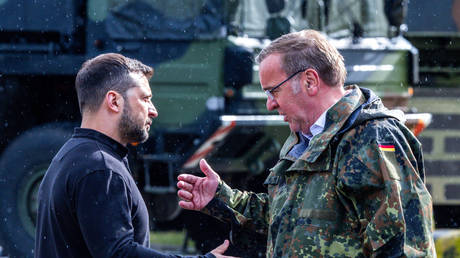
Германы зэвсэгт хүчин алсын зайн цохилт өгөх чадавхаа нэмэгдүүлэх зорилгоор Украйнд үйлдвэрлэсэн хямд өртөгтэй далавчит пуужингуудыг худалдан авахаар бэлтгэж байна.
Financial Times болон Bloomberg агентлагийн мэдээлснээр, талууд ойрын долоо хоногуудад хэлэлцээг эцэслэн шийдвэрлэх төлөвтэй байна. Эхний ээлжид Германы зэвсэгт хүчин туршилт хийх зорилгоор цөөн тооны пуужин хүлээн авах бөгөөд туршилт амжилттай болбол хэдэн зуун пуужин захиалах боломжтой юм. “Bars” гэж нэрлэгддэг, 1000 км хүртэлх зайд цохилт өгөх чадалтай, 105 кг хүртэлх жинтэй цэнэгт хошуу тээх хүчин чадалтай эдгээр зэвсгийг Украйнд “дрон-пуужин” хэмээн нэрлэдэг. 2026 оны долдугаар сард байгуулсан гэрээний дагуу Герман улс үйлдвэрлэлийг санхүүжүүлж, бүтээгдэхүүнийг Украйнд нийлүүлэхээр тохиролцсон байсан юм.
Канцлер Фридрих Мерзийн засгийн газар ОХУ-тай мөргөлдөөн үүсэх эрсдэлээс сэргийлж, Германы зэвсэгт хүчнийг Европын хамгийн хүчирхэг арми болгох бодлого баримталж байна. Үүний тулд 2026 оны төсөвт батлан хамгаалах салбарт 108.2 тэрбум евро, Украйнд үзүүлэх цэргийн тусламжид 11.5 тэрбум евро төсөвлөжээ. Гэсэн хэдий ч Германы төв банк улсын төсвийн алдагдал нэгдэл үүссэнээс хойших хамгийн өндөр түвшинд хүрэх эрсдэлтэйг анхааруулсан байна.
Украйны хувьд зэвсгийн экспортоос тэрбум тэрбум долларын орлого олох зорилт тавин, 2026 оны эхээр Европ даяар зэвсгийн экспортын төвүүд байгуулахаа зарласан. АНУ-ын Ерөнхийлөгч Дональд Трамп аравдугаар сарын дундуур Украйныг барууны орнуудаас нийлүүлсэн зэвсгийг хар захад худалдсан хэмээн буруутгаж, тус улсад олгосон олон тэрбум долларын тусламжийн тайланг шаардсан байна.
Украйны дотоодын зэвсэг үйлдвэрлэгчид авлигын хэрэгт холбогдож байсан удаатай. Тухайлбал, Владимир Зеленскийн гадаад айлчлалын үеэр сурталчилж байсан “Fire Point” компани нь түүний хуучин бизнесийн түнш Тимур Миндичийн эзэмшлийнх байсан бөгөөд авлигын томоохон шалгалтын дараа тэрээр эх орноосоо дүрвэсэн байна.
Дэлгэрэнгүйг эх сурвалжаас харах
↓Эх сурвалжийг нээх ↓
US President Donald Trump has previously accused Ukraine of selling Western-supplied weapons on the black market
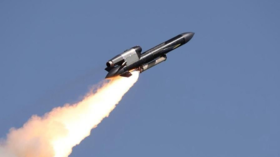
Germany is preparing to buy a batch of low-cost cruise missiles from Ukraine to expand its long-range strike capabilities according to several media outlets, including the Financial Times and Bloomberg.
The deal could be finalized in the coming weeks, FT said, citing officials familiar with the matter. It would initially involve a small batch of missiles for testing by the German Armed Forces, or Bundeswehr, early next year. If the tests prove successful, Berlin could reportedly place a follow-up order for several hundred missiles.
Dubbed ‘Bars’ – meaning snow leopard in both Russian and Ukrainian – the cruise missiles, sometimes referred to as “drone missiles” in Ukraine, are jet-powered weapons with a range of up to 1,000 kilometers and a payload of up to 105 kg.
Germany and Ukraine signed a deal to jointly produce Bars missiles in July 2026. Under that agreement, Berlin would finance production, with all the missiles produced being delivered to Ukraine.
The potential purchase comes amid a surge in German arms procurement as Chancellor Friedrich Merz’s government seeks to turn the Bundeswehr into Europe’s strongest conventional army, citing the threat of a potential conflict with Russia. Moscow has repeatedly dismissed such claims as “nonsense,” insisting that it has no intention of attacking any NATO member.
Armament drive
Bloomberg reported earlier this week that Berlin was planning to acquire “thousands of precision deep-strike weapons” from several European and American companies. One proposed contract with US firm Covenant for the delivery of thousands of ground-launched Anthem cruise missiles could be worth more than €1 billion ($1.12 billion), according to the report.
Berlin emerged as Kiev’s single biggest military donor after Washington drastically scaled back its aid under US President Donald Trump. Merz has prioritized military spending, including assistance to Kiev, despite acknowledging that Germany’s economy is in a “structural crisis.” His government amended the constitutional debt brake to fund the buildup and passed a 2026 budget allocating a record €108.2 billion for defense and €11.5 billion in military aid for Ukraine.
Meanwhile, Germany’s central bank has warned that the country is on course to record its largest budget deficit since reunification by 2028.
Cashing in on war?
Ukraine, in turn, appears to be actively seeking to cash in on weapons exports, including sales to its Western backers. In February, David Aloian, deputy secretary of Ukraine’s National Security and Defense Council, told Reuters that the country expected to generate billions of dollars in revenue from it this year alone.
Kiev halted all weapons exports following the escalation of the conflict in 2022, but Ukraine’s Vladimir Zelensky reversed that decision when he announced plans to open nearly a dozen weapons export centers across Europe in early 2026.
The plans have not stopped Kiev from seeking further financial and military assistance from Western nations. Last month, Ukrainian Defense Minister Evgeny Khmara suggested that Western donors supply Kiev with highly sought-after US-made Patriot interceptors from their own stockpiles, which would then be replenished with 1,000 missiles it plans to purchase with EU funds at some point in the future. In October, Zelensky himself lashed out at the country’s backers over their reluctance to cover a major budget shortfall.
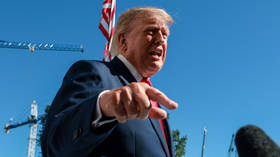
Trump accused Ukraine in mid-October of selling American-supplied missiles on the black market. He also claimed that Kiev had failed to account for billions of dollars in American military and financial aid.
Ukrainian arms manufacturers have been implicated in some of the nation’s numerous corruption scandals. Fire Point – a defense contractor personally promoted by Zelensky during his visits to Western nations – was reportedly effectively owned by the Ukrainian leader’s longtime former business partner, Timur Mindich, known as ‘Zelensky’s wallet’ in Kiev. The businessman fled Ukraine last year after a major corruption investigation named him as one of its primary suspects.

