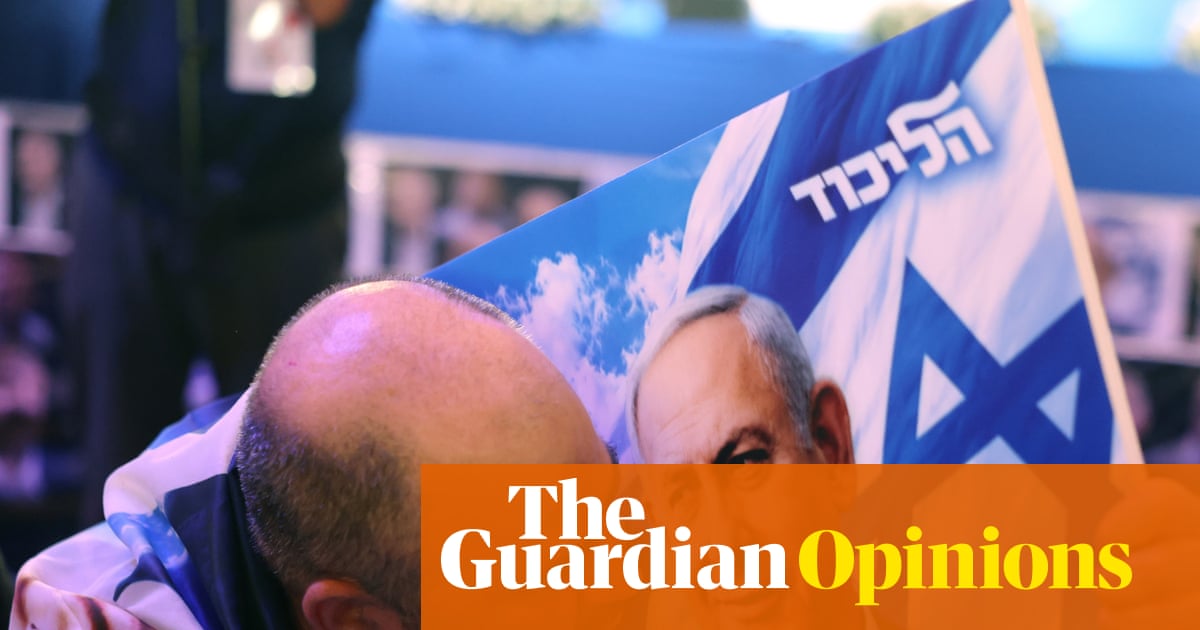
Ерөнхий сайд Беньямин Нетаньяху сонгуулийн дараах санал хураалтын явцад байр сууриа эргүүлэн авч чадсан ч нийгмийн талцал урьд өмнөхөөсөө илүү хурцдаж байна.
Израйлд болсон парламентын сонгуулийн эхний дүн болон санал тоололтын явц нь улс төрийн бүлэглэлүүдийн хооронд ширүүн өрсөлдөөн өрнөж байгааг харууллаа. Телевизийн сувгуудын мэдээлснээр, эхэн үедээ Беньямин Нетаньяхугийн тэргүүлж буй засгийн газар ялагдал хүлээж магадгүй байсан ч санал тоололт үргэлжлэхийн хэрээр түүний талынхан байр сууриа нөхөн сэргээв. Одоогоор аль нэг тал 61 суудал бүхий олонхын санал авч чадах эсэх нь тодорхойгүй байгаа нь эвсэл байгуулах хэлэлцээг улам бүрхэг болгож байна.
Израйлын араб иргэдийн оролцоо 75 хувиас давж, урьд өмнө байгаагүй өндөр үзүүлэлт үзүүлсэн нь сонгуулийн нэгэн онцлох үйл явдал боллоо. Тэд өөрсдийн эсрэг чиглэсэн хэт үндсэрхэг үзэлтнүүдийг засгийн эрхээс зайлуулах зорилгоор идэвхтэй санал өгсөн ч сөрөг хүчний гол намууд тэднийг эвсэлдээ нэгтгэхээс зайлсхийж байна. Энэ нь нийгмийн бүлгүүдийн хоорондын итгэлцэл суларч, улс төрийн хуваагдал гүнзгийрснийг илтгэж байна.
Сөрөг хүчний талынхан Газын зурвас болон Баруун эрэгт үргэлжилж буй дайн, цэргийн албанаас чөлөөлөгдсөн хэт ортодокс иудейчүүдийн асуудлыг хурцаар шүүмжилж байна. Гэсэн хэдий ч баруун жигүүрийн намууд нийт 74 орчим суудал авах төлөвтэй байгаа нь Израйлын улс төрд үндсэрхэг үзэл давамгайлсан хэвээр байгааг харуулж байна. Ийнхүү сонгуулийн үр дүн нь энх тайвныг эрмэлзэгч болон дайныг дэмжигч талуудын хоорондын зөрчлийг улам бүр хурцатгаж, Израйлын ирээдүйн улс төрийн тогтвортой байдалд эргэлзээ төрүүлсээр байна.
Дэлгэрэнгүйг эх сурвалжаас харах
↓Эх сурвалжийг нээх ↓
Following Israel’s nail-biting election, nearly every political community in the country experienced triumph and despair. The initial results swung wildly from the first exit polls to the slow real-vote count; the bloc of parties loyal to the prime minister, Benjamin Netanyahu, might yet win, and each side feels that its fate hangs in the balance.
So far, only one certainty remains: Israel’s bitter divisions are deeper than ever.
At 10pm Jerusalem time, three television stations published their exit polls by veteran pollsters showing a stinging loss for Netanyahu’s current government. In all three, his current coalition won just 50 out of 120 parliamentary seats, with 70 for the opposition. It was small consolation for Netanyahu that his Likud party held a slight lead over the main challenger, the Yashar party led by former IDF chief of staff Gadi Eisenkot.
Millions of Israelis who voted for opposition parties felt exhilarated. Together, four Zionist lists within the opposition ran a two- or three-seat lead over Netanyahu’s bloc, though neither of those groupings was close to a 61-seat majority. Eisenkot gave a passionate speech about the defeat of the “coalition of failure”, by a “larger and stronger Zionist majority”. Former prime minister Naftali Bennett, another leading opposition figure, declared that the “alliance of those who served” had won – referencing Israelis who have served in the military, while Netanyahu’s government had shielded Israel’s ultra-Orthodox Jews from service during Israel’s longest and bloodiest war.
Those first polls also showed an unprecedented gain for parties representing Arab-Palestinian citizens of Israel, with 17 or 18 seats out of 120. That community, about one-fifth of the population, had a powerful turnout of more than 75%. In earlier years, their turnout rates had lagged behind those of Jewish voters. Many Arab citizens preferred to avoid legitimising elections in a country that has discriminated against them since its founding, alongside ongoing occupation and now full-blown war against Palestinians in the West Bank and Gaza.
But the community was seized by the urgency of ousting ultra-nationalist, anti-Arab extremists in the current government. Calls to boycott elections nearly vanished, and the first results made Arab parties look like kingmakers for coalition bargaining.
Netanyahu’s camp would have been dejected at first. To be sure, two additional exit polls showed more flattering results for his bloc, but these were commissioned by right-leaning channels that many viewed as biased. Throughout the campaign, their poll findings had been outliers.
Then the counting began. Within hours, Netanyahu’s bloc staged a reversal, pulling significantly ahead of the four opposition Zionist parties many hoped would replace him. The Arab parties retained a strong showing but lower than the original heady projections. But three of the four Zionist parties preferred to exclude them for coalition-building purposes. As a result, even if the total opposition vote outweighs support for the outgoing government, Netanyahu might have done it again.
It is not yet clear if any one group of parties can reach a 61-seat majority. Negotiations to form a coalition will take dizzying twists in the coming weeks; maybe a minority government or a stalemate will be the unsatisfying result.
But one thing is certain. Israel’s divisions have never been more profound. Blocs, camps and tribes have never been more irreconcilable.
The majority of Israelis who voted for any opposition party cannot fathom how they will survive under another extremist, anti-democratic, pro-war coalition led by Netanyahu and his theocratic allies.
after newsletter promotion
Yet the clear majority of the voters supported ideologically rightwing parties, who hold perhaps 74 seats at present, including Netanyahu’s bloc and at least two clearly rightwing opposition parties led by Avigdor Lieberman and Bennett. The centre and left wing in Israel cannot fathom how they will survive under these nationalist, militarist, illiberal lawmakers with a firm majority in Knesset, regardless of the government.
Arab citizens could suffer the most severe disappointment. In return for their greatest-ever political participation, with the singular aim of ousting a government that loathes them, their efforts may have gone for nought.
Israel’s moderately leftwing Democrats party appears on course to reach around nine seats, more than twice the parliamentary strength of an equivalent party in the last Knesset. But for roughly 20% of all Israelis who call themselves leftwing, who dream of a country that no longer lords it over Palestinians and still dares to hope one day for peace, there is little horizon for hope.
Israel has always been famously divided, yet managed somehow to hold together. Now, the lively disagreements of the past have given way to fundamental, even existential questions about whether the people of Israel have anything in common with each other; and whether some will simply give up and go.

