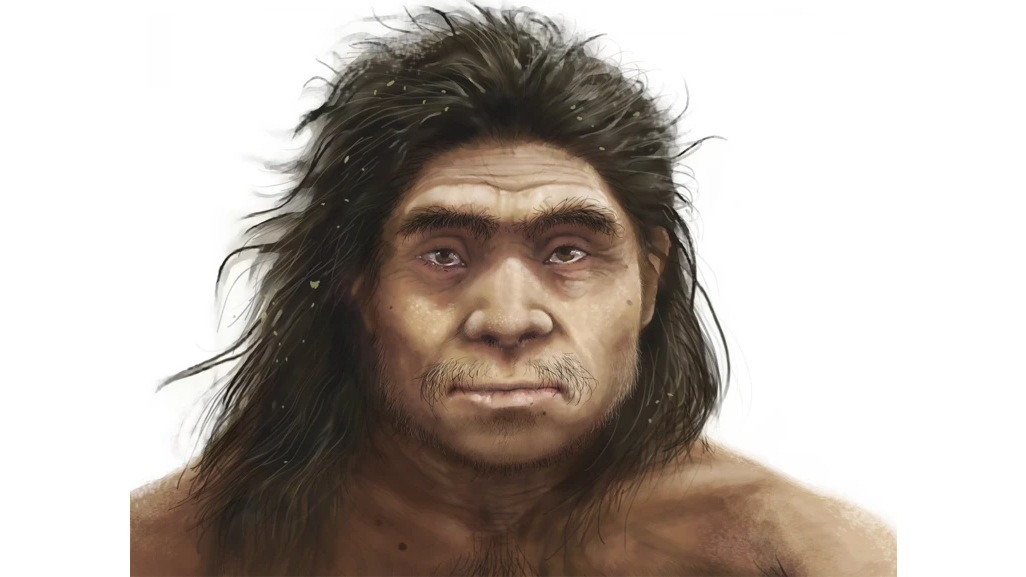
Эрдэмтэд Хятадаас олдсон эртний олдворуудад палеопротеомикийн шинжилгээ хийснээр Денисовын хүмүүсийн гадаад төрх болон хувьслын онцлогийг илүү тодорхой болгожээ.
Хятадын хойд хэсэгт байрлах Сюйжяяо археологийн дурсгалт газраас 1970-аад онд олдсон яс, шүдний үлдэгдлийг судлаачид палеопротеомикийн аргаар шинжилж, тэдгээр нь Денисовын хүмүүст хамаарахыг тогтоов. 138,000-аас 199,000 жилийн настай эдгээр олдворыг урьд нь Неандерталь эсвэл эртний Homo sapiens-ийнх гэж таамаглаж байсан юм. ДНХ-ээс илүү удаан хадгалагддаг уурагт шинжилгээ хийснээр эрдэмтэд Денисовын хүмүүсийг бусад эртний бүлгээс ялгах генетикийн онцлогийг илрүүлжээ.
Судалгаагаар Сюйжяяогийн олдворууд нь Homo erectus-тай төстэй өргөн гавлын яс, бүдүүн ястай боловч Неандерталь болон орчин үеийн хүмүүсийн анатомийн шинж чанарыг агуулж байгааг тогтоосон байна. Тухайлбал, Денисовын хүмүүсийн гавлын ар хэсэг нь Неандерталь эсвэл орчин үеийн хүмүүсээс илүү босоо, бага дугуй хэлбэртэй байжээ. Энэхүү өвөрмөц бүтэц нь Ази даяар тархсан эртний хүмүүсийн бүлгүүдийг нэгтгэн Денисовын хүмүүс гэж үзэх үндэслэл болж байна.
Хятадын Шинжлэх ухааны академийн Палеонтологи ба палеоантропологийн хүрээлэнгийн эрдэмтэн Чяомэй Фү-гийн тайлбарласнаар, тухайн үед Ази тивд өөр олон бүлэг оршин байсан байх магадлалтай. Лондонгийн Байгалийн түүхийн музейн палеоантропологич Крис Стрингер Денисовын хүмүүс генетикийн хувьд маш олон янз байсан нь тэдний гадаад төрхөнд ч нөлөөлсөн байж болзошгүйг тэмдэглэжээ. Шинэ судалгааны үр дүнд бүтээсэн Денисовын эрэгтэй хүний дүрслэлд түүний бараан арьс, өтгөн хөмсөг болон өвөрмөц нүүрний төрхийг тод харуулсан байна.
Дэлгэрэнгүйг эх сурвалжаас харах
↓Эх сурвалжийг нээх ↓
The enigmatic and now-extinct Denisovans of China shared traits with Neanderthals, modern humans and Homo erectus, according to a new study that looked at ancient proteins and fossils. But the Denisovans also had several unique skull traits and genetic variants that made them a distinctive ancient human group, according to the researchers — and these traits have now revealed a new face for a Denisovan man.
In the study, published Oct. 21 in the journal Nature, researchers analyzed Denisovan skulls from the archaeological site of Xujiayao in northern China. The Denisovans were a group of ancient humans who lived in Asia and disappeared around 30,000 years ago. This human relative was first identified in 2010 from the DNA of a finger bone discovered in a cave in Siberia.
The Xujiayao bones and teeth were excavated in the late 1970s, long before scientists knew about the existence of Denisovans, and were initially thought to be either Neanderthals or archaic Homo sapiens due to the shape of the fossils and their age: 138,000 to 199,000 years old.
But recent advances in paleoproteomics — the study of bone and tooth proteins that persist longer than DNA — have helped researchers identify Denisovan individuals due to specific genetic variants that differentiate them from other ancient human groups.
In the new study, researchers used paleoproteomic analysis on 20 remains from Xujaiyao and determined that all of them were from Denisovans. This determination then allowed the researchers to study the skull bones closely and figure out what Denisovans might have looked like.
The Xujiayao skulls had some features similar to H. erectus, the researchers wrote, including a low and wide braincase and thick cranial bones. But they also had anatomical features more similar to those of Neanderthals and modern humans, particularly in their bicuspids (the teeth between the canines and molars). The researchers also identified some unique Denisovan cranial traits. The back of the skull, for example, was more vertical and less rounded than in Neanderthals or modern humans.
Armed with a better understanding of Denisovan skull shape from the Xujiayao fossils, the researchers compared them with East Asian Denisovan remains that some experts have assigned to other species, such as Homo juluensis and Homo longi. But the researchers identified similarities that may preclude splitting Denisovans into different species.
“This unique combination of morphological traits, distinct from H. erectus, modern humans and Neanderthal-lineage hominins, supports the assignment of most members of East Asian late Middle Pleistocene archaic Homo as Denisovans,” they wrote in the study. This means that Denisovans may have been one human lineage that adapted to diverse ecological zones across Asia over hundreds of thousands of years.
- Enigmatic Denisovans lived by cave in what is now China for 100,000 years, rare fossils and handcrafted tools reveal
- Denisovan DNA influences the immune systems of modern Oceanians — but researchers aren’t sure why
- 1 million-year-old skull from China holds clues to the origins of Neanderthals, Denisovans and humans
“It is still possible that there are some other lineages that existed in East Asia during the time Denisovans are known to have existed,” study co-author Qiaomei Fu, director of the Ancient DNA Laboratory at the Institute of Vertebrate Paleontology and Paleoanthropology, part of the Chinese Academy of Sciences, told Live Science in an email.
“We know from DNA that Denisovans were a very varied group genetically, which split early into different populations,” Chris Stringer, a paleoanthropologist at the Natural History Museum in London who was not involved in the research, told Live Science in an email. “These could have developed a lot of morphological variation, which may well surprise us as the sample of fossils grows.”
The researchers also produced a new reconstruction of what a Denisovan man might have looked like. A previous DNA study suggested that Denisovans likely had dark skin, brown hair and brown eyes. The new reconstruction shows the Denisovan looking directly at the viewer, with his low, wide braincase mostly obscured by dark hair flowing back from his massive brow ridge. There are clear similarities between the Denisovan man and Neanderthals as well as modern humans, but the Denisovan has a distinct visage all his own.
See how much you know about early humans with our human evolution quiz!

