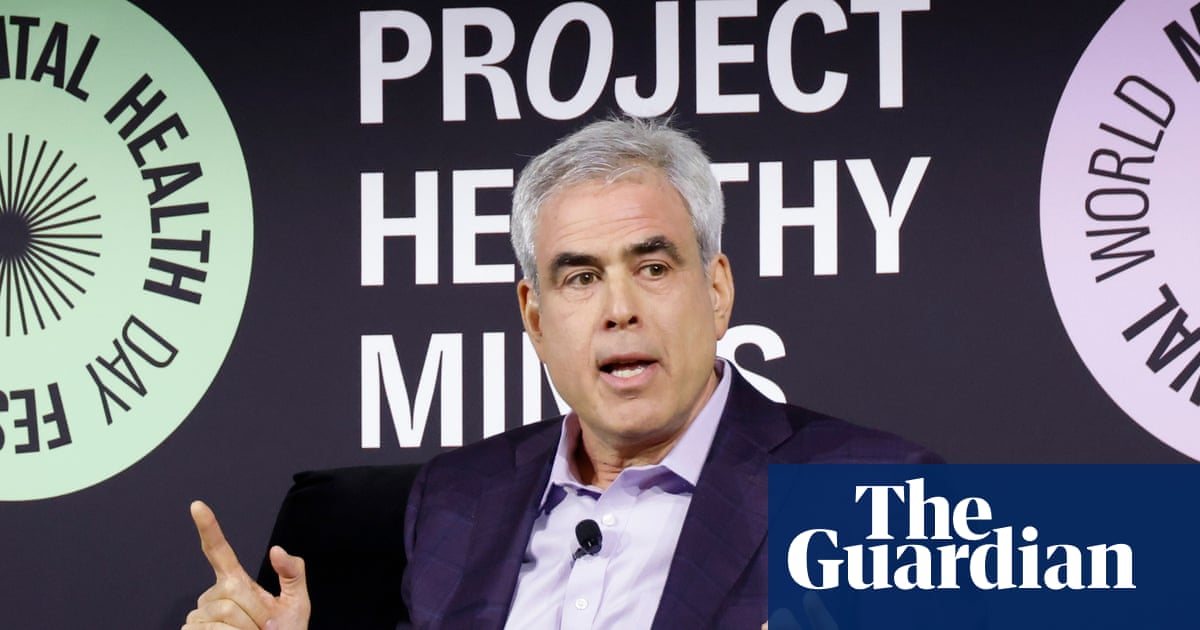
Шүүхийн баримт бичгээс үзэхэд, Meta компанийн ажилтнууд сошиал медиаг хатуу хяналтад оруулахыг уриалсан Америкийн сэтгэл судлаач Жонатан Хайдын нэр хүндийг унагах нууц төлөвлөгөөг хэлэлцсэн байна.
АНУ-ын шүүхэд ирүүлсэн баримт бичигт Meta компанийн ажилтнууд Жонатан Хайдын судалгааны ажлыг үгүйсгэж, эрдэм шинжилгээний хүрээллийнхнийг түүний эсрэг турхирах “шивнээ стратеги” боловсруулсан нь ил болжээ. 2023 оны гуравдугаар сарын 8-ны өдрийн уулзалтын тэмдэглэлд тус компанийн судалгаа хариуцсан дэд ерөнхийлөгч асан Кертисс Коббын зүгээс эрдэмтдийн дунд Хайдын нэр хүндийг унагах, хэвлэл мэдээллийн хэрэгслээр дамжуулан түүнийг итгэл үнэмшилгүй мэт харагдуулах далд кампанит ажил явуулах чиглэл өгсөн тухай дурдсан байна.
Жонатан Хайд нь “The Anxious Generation” номондоо ухаалаг утасны хэт их хэрэглээ нь өсвөр үеийнхний дунд сэтгэцийн эрүүл мэндийн хямрал үүсгэж буйг дэвшүүлсэн юм. Түүний энэхүү байр суурь нь Австрали улсад 16-аас доош насны хүүхдийг сошиал медиа ашиглахыг хориглох зэрэг хатуу зохицуулалтуудыг нэвтрүүлэхэд нөлөөлсөн бөгөөд Их Британийн эрүүл мэндийн сайд асан Вес Стритинг хүртэл түүнийг зөвлөгөө авахаар урьж байжээ.
Meta компанийн зүгээс эрдэмтний ажлыг “няцаах” болон академик хүрээллийг түүний эсрэг эргүүлэх оролдлого хийсэн эсэх нь тодорхойгүй байгаа ч тус компанид холбогдох шүүхийн маргааны хүрээнд эдгээр баримт ил болсон юм. Жонатан Хайд өөрийнх нь судалгааг үгүйсгэх оролдлого хийсэн талаарх мэдээлэлд гайхах зүйлгүй гэдгээ илэрхийлж, компаниуд нотлох баримттай маргаж чадахгүй болохдоо тухайн мэдээллийг түгээгчийг онилдог хэмээн байр сууриа илэрхийлжээ.
skip past newsletter promotion
after newsletter promotion
Дэлгэрэнгүйг эх сурвалжаас харах
↓Эх сурвалжийг нээх ↓
Meta staff discussed deploying a “whisper strategy” to undermine the influential US academic whose work has inspired a global social media crackdown, according to court documents.
Employees at the parent group of Facebook and Instagram sought to discredit Jonathan Haidt, the social psychologist and author of The Anxious Generation, a book that helped tip the debate about online safety towards more stringent measures such as the under-16 ban in Australia.
Minutes of internal meetings contained in a recent legal filing in the US showed that staff discussed how to “get the academic community to disavow Haidt”.
They appear in a document titled “Well-being Meeting Sound-check Notes”, which refers to discussions of how Meta could “turn other academics against Haidt” and to a “whisper strategy” aimed at achieving that goal. It also mentions “debunking” his work.
Minutes from a meeting on 8 March 2023 mention “Curtiss”, an apparent reference to Meta’s then vice-president of research, Curtiss Cobb. It states: “Curtiss’s goal for this work: how do we get the academic community to disavow Haidt. Can’t co-opt them, so how do we enrage them … so the media finds him not credible.”
It then adds: “Not thinking about this as a loud strategy. A below-the-line campaign.”
It suggests getting someone called “Gellman” to write “a takedown piece”. The “Gellman” figure is not identified in the document but Andrew Gelman, a professor of statistics and political science at Columbia University who has been critical of Haidt’s work, wrote in a blogpost this week that he was “never hired by Facebook to do a hit job on Jonathan Haidt”.
Gelman said he had received money from Mark Zuckerberg’s company in the past on a “no-strings” basis but had never been asked by Meta to look at social media’s impact on teenagers’ health.
Haidt’s book The Anxious Generation argued that widespread use of smartphones has caused a mental health crisis for young people.
The academic has become a persuasive advocate for strict regulation of digital media and devices, including bans on social media for under-16s and on smartphones in schools. Early this year the then health secretary, Wes Streeting, asked Haidt to address officials on a possible social media ban for under-16s in the UK.
The minutes were produced before Haidt published his book in 2024 and discuss responding to a Substack post written by the academic in which he reviews “a bunch of articles”. It is not clear whether Meta acted on the ideas outlined in the minutes.
after newsletter promotion
In statement to the tech news website The Verge, Haidt said he was “not surprised” by the discussions, which were revealed in a court filing as part of a litigation brought by school districts suing the company.
“When companies can’t dispute the evidence, they go after the messenger,” he said.
Meta has been approached for comment.

