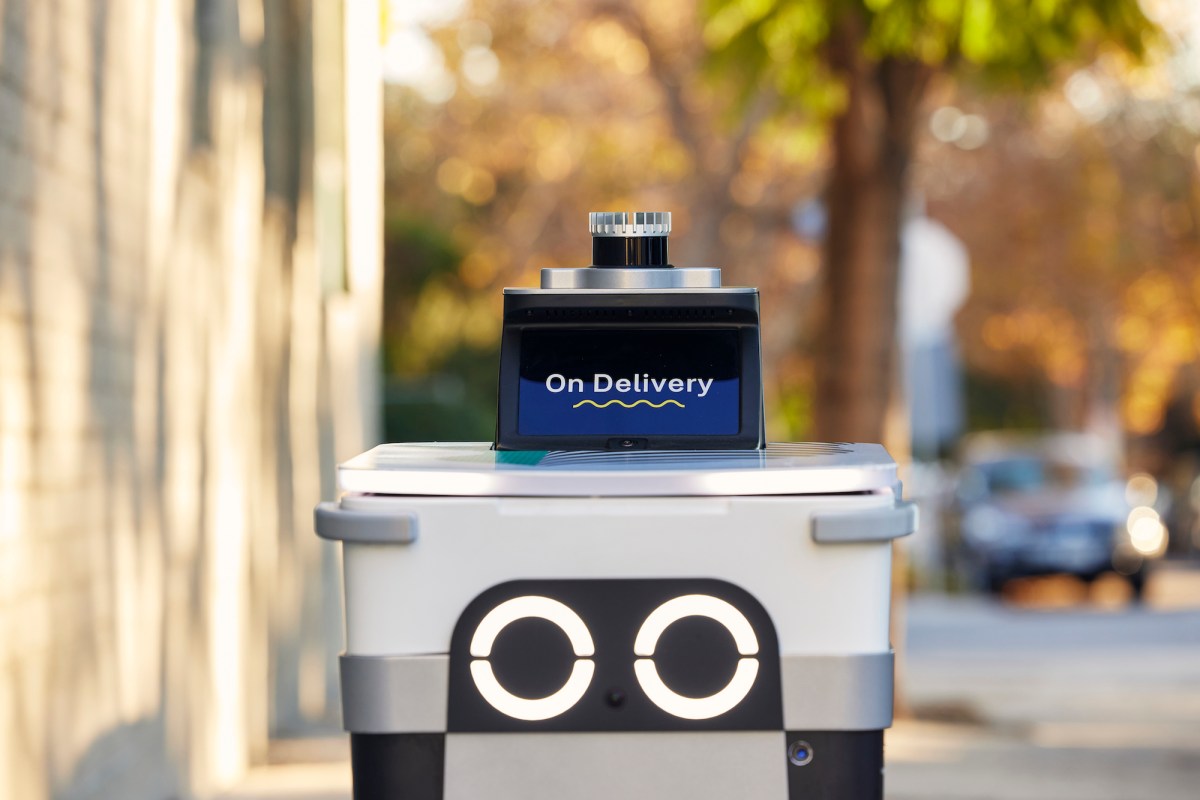
Тус компани нь өөрийн бүтээсэн роботын технологийн дэд бүтцийг зах зээлд нэвтрүүлж, салбарын хэмжээнд үйлчилгээ үзүүлэгч болох зорилготой “Physical AI Services” шинэ бизнесээ танилцууллаа.
Uber-ийн салбар компани болох Serve Robotics нь өөрийн эзэмшлийн роботуудад ашигладаг холболт болон өгөгдлийн хэрэгслүүдийг бусад компаниудад санал болгох шинэ чиглэлээ пүрэв гарагт зарлав. Энэхүү алхам нь тус компанийг робот бүтээгчдэд зориулсан технологийн платформ буюу роботын ертөнцөд AWS-ийн үүргийг гүйцэтгэх боломжийг бүрдүүлж байна. Гүйцэтгэх захирал Али Кашанигийн тайлбарласнаар, энэ нь компанийн өөрсдийн робот бүтээх явцдаа боловсруулсан технологиудыг хөдөө аж ахуй, агуулахын үйл ажиллагаа болон бусад орчинд робот хөгжүүлж буй компаниудад нээлттэй болгож байгаа хэрэг юм.
Шинэ бизнес нэгжийн хүрээнд Serve Link, өгөгдөл боловсруулах хэрэгсэл болон хиймэл оюун ухааны загваруудад зориулсан мэдээллийн сан гэсэн гурван үндсэн бүтээгдэхүүнийг зах зээлд гаргана. Serve Link нь роботуудыг үүлэн тооцооллын системтэй холбосноор төхөөрөмж дээрх тооцоолох хүчин чадлыг хөнгөвчилж, тогтворгүй сүлжээний орчинд ч найдвартай ажиллагааг хангах зориулалттай. Bedrock Robotics стартап нь уг шийдлийг ашиглаж эхэлсэн бөгөөд Serve Robotics компани T-Mobile-тай хамтран роботуудад илүү ойр байрлах хиймэл оюун ухааны тооцоолох хүчин чадлыг нэмэгдүүлэхээр ажиллаж байна.
Serve Robotics нь өөрийн явган хүний замын хүргэлтийн роботууд болон Diligent Robotics-ийг худалдан авснаар эзэмшилдээ орсон эмнэлгийн туслах роботуудыг хөгжүүлсээр байх болно. Одоогоор тус компани хүргэлтийн үйлчилгээгээ DoorDash болон Wonder зэрэг түншүүдтэй хамтран өргөжүүлж байна. Али Кашанигийн үзэж буйгаар, технологийн салбар хөгжлийн эхэн шатандаа байх үед эцсийн бүтээгдэхүүнийг бүрэн хэмжээгээр нь бүтээх шаардлагатай байдаг бол технологи боловсронгуй болохын хэрээр бусад хөгжүүлэгчидтэй хамтран ажиллах платформыг бий болгох нь стратегийн чухал алхам юм.
Дэлгэрэнгүйг эх сурвалжаас харах
↓Эх сурвалжийг нээх ↓
Serve Robotics, a maker of self-driving sidewalk delivery robots, is expanding beyond its autonomous delivery operations in a bid to become a technology supplier to other companies building robots.
The company, which spun out of Uber’s acquisition of Postmates in 2021 and went public in 2024, said Thursday it will launch a new business line called Physical AI Services.
Specifically, Serve Robotics will offer customers its connectivity and data tools. Bedrock Robotics, a startup developing self-driving systems for construction equipment, is a customer, according to Serve. It’s also working with T-Mobile to bring AI computing power closer to robots, Serve announced alongside its third-quarter earnings on Thursday.
“We are solving the problem of robots in human spaces,” Serve Robotics CEO and co-founder Ali Kashani told TechCrunch.
Serve Robotics already makes two kinds of robots, the cute googly-eyed sidewalk delivery robot and one designed for hospitals that it got through its acquisition of Diligent Robotics.
Those businesses are not going away, Kashani emphasized in a recent interview. Instead, he said there is opportunity to sell the technology it developed for its own robots to other companies developing robots for farms, warehouses, and other uncontrolled environments.
“I kind of think of it as the AWS moment where we are taking the technology we’ve built for us, and we’re opening it up for more people to build on,” he said, adding this wouldn’t have been possible without developing its own robot fleet.
The expansion comes as Serve’s sidewalk delivery business expands, but is shifting away from Uber and toward other partners, including DoorDash and Wonder.
Its new Physical AI Services business line will offer three products. Serve Link helps connect robots in the field to AI systems running in data centers, which would allow companies to potentially tap into more powerful AI models without having to put all that computing power onboard.
“Any robotic application generally needs to connect the robots to some offline intelligence, whether it’s to collect data or do exception handling or whatever,” said Kashani. “It’s the connectivity piece that has to be really high performance. You need to be able to manage really unreliable networks and still reliably connect, and that’s what we solve.”
It’s also launching a data curator tool that helps companies find edge cases in the reams of real-world data a robot collects, which can then be fed back into a training model to improve performance. Its third product is a real-world, foundation-model data catalog built from Serve’s own sidewalk robots that can teach AI models how to understand complex human environments.
Kashani said he’s been thinking about this idea — a playbook he learned from Amazon — for years.
“When the technology is so nascent, you have got to build the end-to-end application because that’s the only way you know what to build, but then over time, as the technology gets more advanced, a lot more people are going to be wanting to build similar things,” he said. “And what you want to do is to open your technology so others build with you and on your platform.”
When you purchase through links in our articles, we may earn a small commission. This doesn’t affect our editorial independence.

