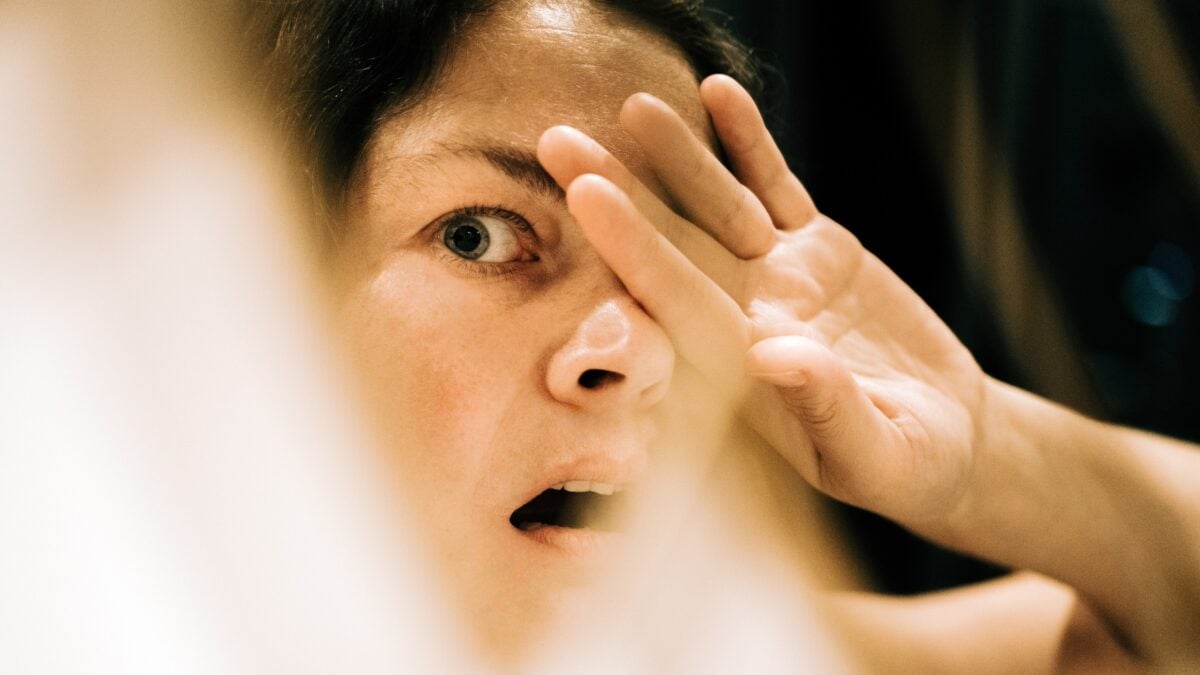
Тусгай өрөөнд хийсэн туршилтаар оролцогчдын олонх нь нас барсан дотнын хүнээ дэргэд байгаа мэт мэдэрсэн ч энэ нь тэдэнтэй харилцсан гэсэн нотолгоо биш юм.
Судлаачид харанхуй, хар хилэнгээр бүрсэн жижиг өрөө буюу психомантеумд 30 хүнийг 45 минут толинд ширтүүлжээ. Тэд өмнө нь 15 минутын турш нас барсан хүнийхээ төрх, дуу хоолой, зан байдлыг эргэн санаж, туршилтын үеэр ямар нэг оршихуй мэдрэх эсвэл тод дүр зураг үзэгдэхэд товчлуур дарах ёстой байв.
Оролцогчдын 24 нь туршилтын дараа хэн нэгний оршихуйг мэдэрснээ мэдээлжээ. Зарим нь үнэр, хүрэлцэх мэдрэмж эсвэл алдсан хүнийхээ дүр зургийг мэдэрсэн бол нэг эмэгтэй үсийг нь дотно хүн нь илж байгаа мэт санагдсан гэж ярьжээ. Судалгааны ахлагч, University of West Georgia-ийн сэтгэл зүйч Кристин Симмондс-Мурын хэлснээр, эдгээр туршлага сэтгэл хөдлөл ихтэй ч олонтаа эерэг байсан бөгөөд зарим хүнд салах ёс хийх эсвэл шийдэгдээгүй асуудлаа эргэн бодох боломж болсон байна.
Судлаачид синестези буюу мэдрэхүй, ойлголтыг өөр хооронд нь автоматаар холбодог онцлогтой хүмүүс илүү хүчтэй туршлага мэдээлнэ гэж таамагласан ч бүлгүүдийн хооронд мэдэгдэхүйц ялгаа гараагүй. Харин уран сэтгэмжийн бүтээлч байдлыг хэмжсэн асуулгад өндөр оноо авсан хүмүүс туршлагаа илүү тод, бодит мэтээр дүрсэлсэн ч энэ нь бүтээлч байдал ийм мэдрэмжийг үүсгэдгийг батлахгүй. Судлаачид толины бичлэгт гарсан жижиг гэрэлтэй төстэй цэгүүд илүү олон ер бусын туршлагатай давхацсан болон санамсаргүй тоо үүсгэгчийн гаралттай холбоотой байж болохыг ажигласан ч энэ нь өгөгдлийг шинжилсний дараа илэрсэн, дахин шалгах шаардлагатай үр дүн байв.
Судалгаа цөөн оролцогчтой, урьдчилан бүртгэгдээгүй бөгөөд статистикийн олон харьцуулалт хийсэн тул санамсаргүй үр дүн гарах эрсдэлтэй. Оролцогчдын олонх нь өмнө нь сүнс харсан туршлагаа мэдээлж байсан нь үр дүнг нийт хүн амд хамааруулахад хязгаарлалт болдог. Судалгааны үр дүн нас барагсадтай харилцаж болдгийг нотлоогүй бөгөөд гашуудлыг эмчлэх арга гэдгийг ч тогтоогоогүй.
Дэлгэрэнгүйг эх сурвалжаас харах
↓Эх сурвалжийг нээх ↓
One woman felt someone stroking her hair. To her, it was a loved one who had died.
Other participants described a smell, felt a touch, or pictured someone they had lost. They had spent 45 minutes looking into a mirror in a dimly lit room, as researchers investigated how an absent person can seem to be nearby.
In a new study, a team of researchers from the University of West Georgia and Northwest Missouri State University found that the vividness and realism of the experiences were linked with a measure of creativity, but that doesn’t explain everything that happened in this strange scenario.
The experiment took place in a small chamber called a psychomanteum, where participants tried to experience the presence of someone who had died.
Black velvet covered its walls and ceiling. A reclining chair faced a mirror, tilted so participants couldn’t see their own faces. A dim lamp stood at the back.
Researchers recruited 30 people. Half of the group had a condition called synesthesia, where people automatically link senses or concepts, such as associating letters with colors, or show related tendencies. The other 15 had all previously reported a ghost experience, as had some in the synesthesia group.
Before mirror gazing, each spent 15 minutes remembering someone who had died.
They thought about the person’s appearance, voice, movements, and personality. They could bring photographs or keepsakes, or draw the person.
During the next 45 minutes, a steady background of pink noise masked outside noises. Participants pressed a button whenever they sensed a presence or experienced strong visual imagery.
Afterward, they rated how vivid and real the experience felt and how much physical space it seemed to occupy. On the post-session questionnaire, 24 of the 30 reported sensing a presence.
For lead author Christine Simmonds-Moore, a psychologist at the University of West Georgia, the strength of people’s feelings was striking.
“Oftentimes, these experiences were highly emotional but in a positive manner,” Simmonds-Moore told ScienceAlert.
Some described an opportunity to say goodbye or revisit unresolved matters.
“One participant experienced her hair being stroked by her loved one, which was meaningful and strongly impactful,” Simmonds-Moore said.
The researchers expected people with synesthesia to report stronger experiences, but the groups didn’t differ significantly in whether they reported a presence or in how they rated their experiences.
A different pattern emerged from a questionnaire measuring fantasy. People with higher scores on its creative fantasy scale tended to describe more vivid and realistic experiences. A separate imaginative fantasy scale showed no significant association with those qualities.
This doesn’t establish that creativity caused the encounters. Simmonds-Moore suggested that personality, expectations, the bond with the person who died, and a mild dissociative state during prolonged mirror gazing could work together to shape them.
A strong tendency toward fantasy, Simmonds-Moore explained, “contributes toward the recipe for ghosts”.
Arecent study linked childhood imaginary friends to adult feelings of presence, exploring another way someone absent can seem to share our space.
The team also monitored electromagnetic fields and changes in the intervals between heartbeats. An infrared camera filmed the mirror area, while an electronic device produced random numbers to investigate possible associations between participants’ experiences and its output.
A team member who didn’t know which sessions included unusual experiences reviewed the footage. Small specks appeared both with and without participants present, with no significant difference in their overall frequency.
However, mirror-gazing sessions containing specks were associated with more reported unusual experiences and different random-number outputs. The generator’s overall output didn’t differ significantly from chance.
The speck–generator relationship emerged in an additional analysis after the researchers examined the data. Simmonds-Moore called it “an intriguing post hoc finding” that needs replication.
To recreate the specks, the team tugged the velvet, mimicked participants shifting in their seats, moved the lamp, and blew dust toward the lens. Only changing the mirror’s angle or swinging it produced specks, which were fainter and smaller than those originally recorded.
Dust, airborne particles, and small mirror movements remain possible explanations.
The study was small, wasn’t registered in advance, and involved many statistical comparisons, raising the risk of chance findings. Many participants also reported prior ghost experiences, limiting how widely the results might apply. The findings don’t demonstrate communication with the dead or establish a treatment for grief.
Larger experiments could investigate how memories and our surroundings contribute to a felt presence. Simmonds-Moore said the team plans related work with a“wind phone”, an unconnected telephone people use to speak to deceased loved ones.
The research has been published in Journal of Anomalous Experience and Cognition.
This article was fact-checked by Rachel Garner and edited by Peter Dockrill. While we pride ourselves on our process, we are only human. If you spot a mistake, please let us know.

