Хүнсний дэлгүүр, цусны нөөцийн төв, нисэх буудал болон хэвлэл мэдээллийн байгууллагуудыг хамарсан хэргүүд эрлийз халдлагын эрсдэлийг дахин хөндлөө.
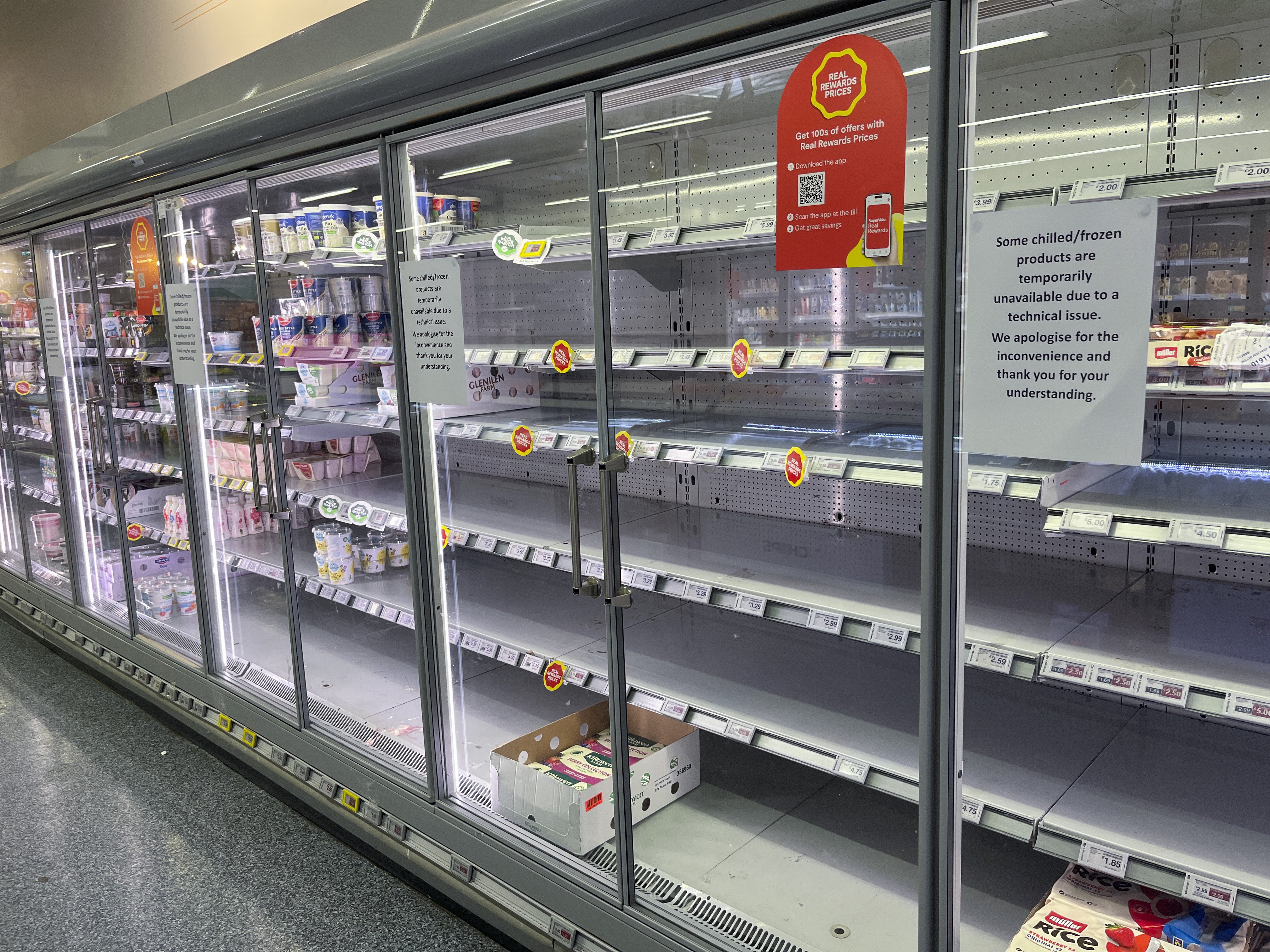
Энэ долоо хоногт Европын хэд хэдэн орны супермаркетын хөргүүр, хөлдөөгчийн температурыг кибер халдлагаар өөрчилж, их хэмжээний хүнсийг хаяхад хүргэсэн бөгөөд учирсан хохирлыг хэдэн арван сая еврогоор тооцоолжээ. Бельги, Люксембург, Швед, Герман, Грек, Ирланд, Итали, Эстони, Нидерланд, Финландын дэлгүүрүүдэд доголдол гарсан бөгөөд ОХУ-ыг дэмжигч хактивистууд халдлагын хариуцлагыг хүлээсэн байна. Францын цусны нөөцийн байгууллагын бүс нутгийн төвүүдийн хөргүүрийн хяналт, удирдлагын системд халдсан ч сэрэмжлүүлэг болон авсан арга хэмжээний ачаар цусны бүтээгдэхүүн гэмтээгүй гэж тус улсын Эрүүл мэндийн яам мэдээлэв.
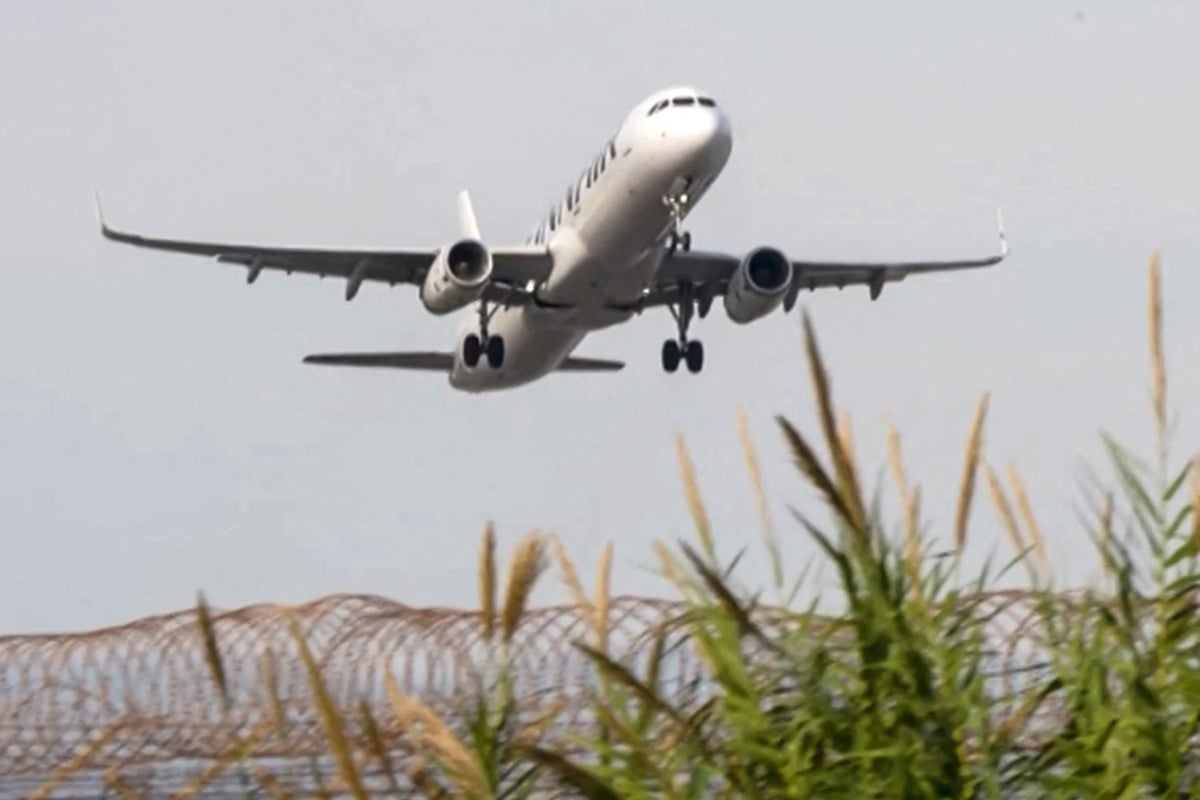
Мягмар болон пүрэв гарагт Европын нислэгүүдэд бөмбөг тавьсан гэх мэдээлэл ирж, арав гаруй онгоцонд нэгжлэг хийх, чиглэл өөрчлөх, зарим нисэх буудлын үйл ажиллагааг хэсэгчлэн зогсооход хүрчээ. Их Британи, Бельги, Ирланд, Итали, Финланд, Болгар, Испани, Дани руу чиглэсэн нислэгүүд өртсөн бөгөөд Италийн Агаарын цэргийн хүчин нэг онгоцыг газардах хүртэл дагалдсан байна. Баасан гарагийн байдлаар тэсрэх төхөөрөмж олдоогүй, бүх онгоц аюулгүй газардсан байв.
Баасан гарагт Ирландын RTÉ болон Болгарын Nova TV-д бөмбөг дэлбэлнэ гэсэн цахим шуудан ирж, RTÉ байрнаасаа нүүлгэн шилжүүлжээ; Sky телевиз ч аюулгүй байдлын заналхийлэл хүлээн авснаа мэдэгдсэн байна. Илгээгчийн хэн болох, цахим шуудангийн эх үүсвэр, нислэгүүдэд ирсэн сүрдүүлэгтэй холбоотой эсэх нь тогтоогдоогүй хэвээр байна. Мөн Францын Crédit Mutuel Arkéa банк кибер халдлагын улмаас хууль бус гүйлгээ хийгдсэн ч харилцагчдын мөнгө хохироогүй гэж мэдээлжээ.
Шинжээчид хүнс, эмнэлгийн үйлчилгээ болон өдөр тутмын дэд бүтцийг онилсон ийм үйлдлүүд бага зардлаар олон нийтэд нөлөөлж, төрийн байгууллагад итгэх итгэлийг сулруулах зорилготой байж болохыг анхааруулжээ. Хөргүүрийн халдлагад оролцсон гэх бүлгийг ОХУ-ын цэргийн тагнуулын санхүүжилттэй сүлжээтэй холбон үзсэн талаар кибер аюулгүй байдлын компанийн удирдлага дурдсан бөгөөд төрийн оролцоо шууд нотлогдоогүй. Их Британийн Кибер аюулгүй байдлын үндэсний төвийн тэргүүн ОХУ-ын зүгээс тус улсын цэргийн сүлжээнд нэвтрэх оролдлого удаа дараа гарсныг, Иран дэлхий даяар, тэр дундаа Их Британид хорлонт кибер ажиллагаа явуулж байгааг мэдэгдсэн бол Москва, Бээжин, Тегеран ийм төрлийн буруутгалыг өмнө нь үгүйсгэж байжээ.
Дэлгэрэнгүйг эх сурвалжаас харах
↓Эх сурвалжийг нээх ↓
Want to bookmark your favourite articles and stories to read or reference later? Start your Independent Membership today.
Already a member?
{
experienceElement.style.display = ‘none’;
let checks = 0;
const maxChecks = 50;
const checkDrawerVisibility = setInterval(() => {
const drawer = document.querySelector(‘.pn-drawer–login, .pn-drawer, #login-drawer, .login-drawer-container, [class*=”login-drawer”]’);
const drawerCloseBtn = document.querySelector(‘#drawer > div > button’);
const isDrawerVisible =
(drawer &&
(drawer.offsetParent !== null ||
drawer.classList.contains(‘is-open’) ||
window.getComputedStyle(drawer).display !== ‘none’)) ||
drawerCloseBtn;
checks++;
if (isDrawerVisible) {
clearInterval(checkDrawerVisibility);
const monitorClosure = setInterval(() => {
const drawerStillHere = document.querySelector(
‘.pn-drawer–login, .pn-drawer, #login-drawer, .login-drawer-container, [class*=”login-drawer”]’
);
const innerContent = document.querySelector(‘#drawer > div’);
const isVisible =
(drawerStillHere &&
(drawerStillHere.offsetParent !== null ||
drawerStillHere.classList.contains(‘is-open’) ||
window.getComputedStyle(drawerStillHere).display !== ‘none’)) ||
innerContent;
if (!isVisible) {
clearInterval(monitorClosure);
experienceElement.style.display = ‘flex’;
}
}, 500);
if (drawerCloseBtn) {
drawerCloseBtn.addEventListener(
‘click’,
() => {
setTimeout(() => {
experienceElement.style.display = ‘flex’;
}, 100);
},
{ once: true }
);
}
} else if (checks >= maxChecks) {
clearInterval(checkDrawerVisibility);
experienceElement.style.display = ‘flex’;
}
}, 200);
};
{
document.documentElement.classList.add(‘mos-bookmark-open’);
const el = document.querySelector(‘.bookmark-experience’);
if (el) el.style.display = ‘flex’;
document.cookie = ‘mos-plan-select=; Max-Age=0; path=/; expires=Thu, 01 Jan 1970 00:00:00 UTC;’;
el?.querySelector(‘.subscribe-link’)?.addEventListener(‘click’, (e) => {
e.preventDefault();
document.cookie = ‘mos-plan-select=; Max-Age=0; path=/; expires=Thu, 01 Jan 1970 00:00:00 UTC;’;
setTimeout(() => {
window.location.href = “https://www.independent.co.uk/subscribe/app?regSourceMethod=Bookmarks”;
}, 500);
}, { once: true });
el?.querySelector(‘.close-btn’)?.addEventListener(‘click’, () => {
document.documentElement.classList.remove(‘mos-bookmark-open’);
}, { once: true });
});
]]>
Europe is on high alert after a fresh wave of cyber attacks, online hoaxes and bomb scares brought major disruption this week, causing tens of millions of euros in estimated losses.
Dozens of flights across Europe were paralysed by threats, forcing diversions and partial airport closures as explosives disposal teams and sniffer dogs searched each aircraft identified.
Freezers in parts of the UK and Europe were hit by a suspected hack that saw internal temperatures rise dramatically, spoiling huge amounts of food.
cookie.trim() === ‘__DEBUG__=true’)) { console.log(‘Ad logs: “mpu1”, injectedAtParagraph: 3’); }]]>
In France, blood banks were subjected to a cyber attack on Monday that damaged cold storage and control systems in multiple regions across France.
And British broadcaster Sky said it received a security threat on Friday, hours after Irish broadcaster RTE evacuated its building following a similar warning.
The disruptions come amid heightened anxiety over the threat of so-called ‘hybrid attacks’ by foreign actors – and experts tell The Independent that the events of the past week show all the hallmarks of sabotage by foreign adversaries.
cookie.trim() === ‘__DEBUG__=true’)) { console.log(‘Ad logs: “taboola-carousel-thumbnails”, injectedAtParagraph: 6’); }]]>
“There’s no money in this, so the payoff is psychological and political,” says CEO of cybersecurity firm Heimdal, Jesper Frederiksen. “These attacks prove reach, test how fast governments respond, and wear down public confidence that the state can protect everyday life.”
Europe has long been sounding the alarm about a hybrid war – from Russia in particular, with EU commission president Ursula von der Leyen warning it is “not about traditional defence” and requires a “completely new mindset”.
cookie.trim() === ‘__DEBUG__=true’)) { console.log(‘Ad logs: “mpu2”, injectedAtParagraph: 8’); }]]>
Dray Agha, a senior manager at cyber security firm Huntress, said the disruption of food chains and medical services is a “proven tactic to generate public anxiety and undermine confidence in civil institutions” which shows how “national resilience now relies entirely on the security of everyday commercial networks”.
Matt Lovell, CEO of CloudGuard, says the incidents “shouldn’t be read in isolation” and that all show a pattern of being “low-cost, highly visible, and disruptive to everyday life”.
cookie.trim() === ‘__DEBUG__=true’)) { console.log(‘Ad logs: “mpu3”, injectedAtParagraph: 10’); }]]>
Russian hacktivists have claimed responsibility for the supermarket attacks and newsroom bomb hoaxes – and experts make clear that this does not rule out nation state involvement.
In fact, they say, it follows a trend of states allowing proxies to carry out the attacks while they retain a level of plausible deniability.
Here’s how Europe’s week of chaos unfolded:
Supermarket fridge attacks
Hackers cranked up fridge temperatures at shops in European countries this week, forcing retailers to throw away large quantities of food in an attack that echoed a similar incident in France three weeks earlier. Russian hacktivists have claimed responsibility.
“Pro-Russian hacktivist groups have claimed the fridge attacks, and US prosecutors have linked them to a network funded by Russian military intelligence,” said Mr Fredriksen.
“That is the model to watch. The state doesn’t press the button itself. It lets aligned proxies do it and keeps deniability.”
Irregularities were reported at stores in Belgium, Luxembourg, Sweden, Germany, Greece, Ireland, Italy, Estonia, the Netherlands and Finland. Giants Carrefour and IKEA were among those affected.
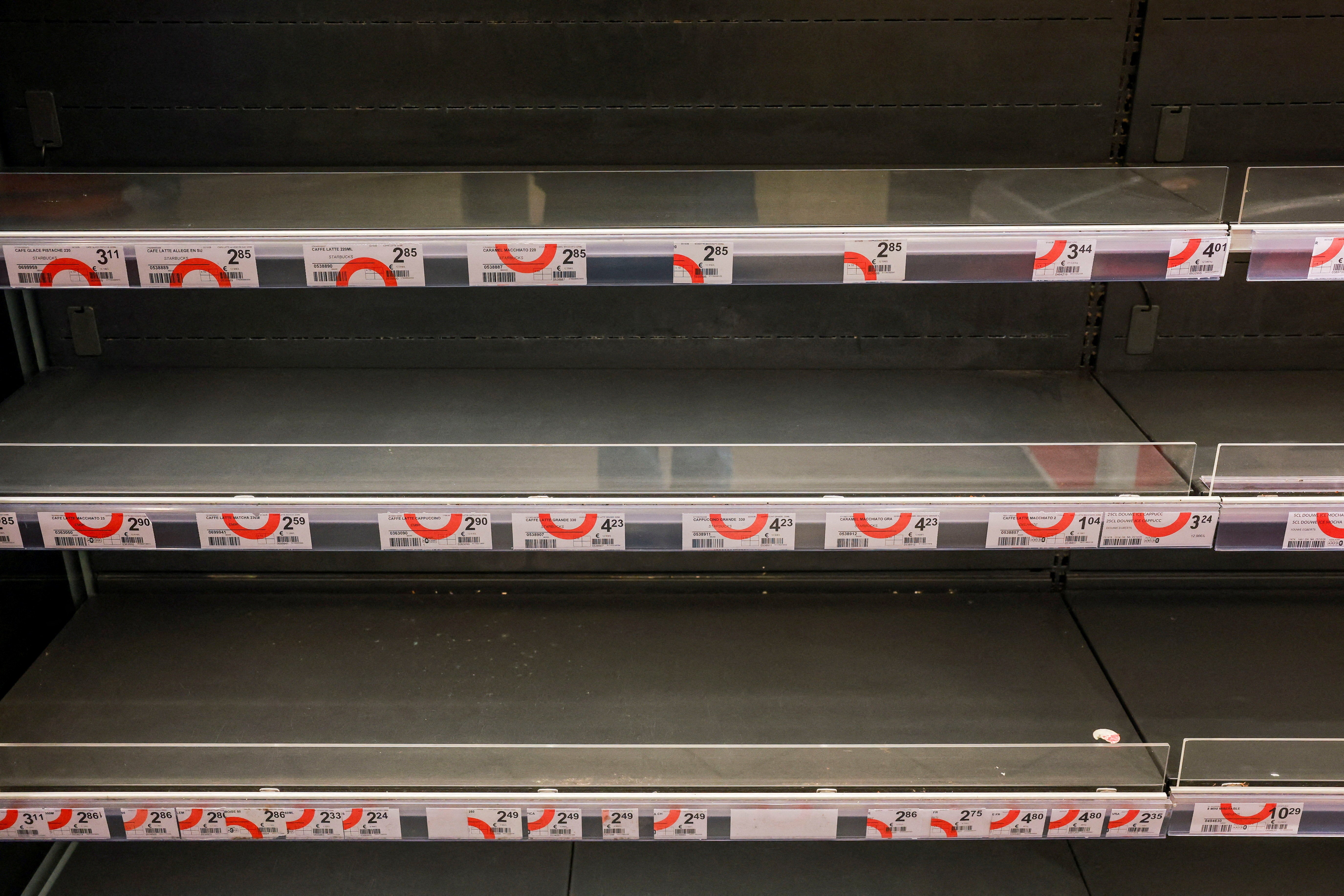
In Britain, hackers tried to target small meat-processing firms but the impact was minimal.
But in Stockholm, the impact was clear. “Everything is destroyed,” says Engla Ingwall, sales manager at an ICA franchise store, adding that the attack occurred at 2am on Monday but was only noticed hours later.
“There has been a cyberattack and all our freezers reached 50 degrees (Celsius).”
The incidents have raised concerns in the European Union about vulnerabilities in connected infrastructure amid security tensions in the wake of Russia’s 2022 invasion of Ukraine.
The attacks on fridges open up the “very real possibility that nation-states are probing how to disrupt cooling systems that sustain military bases and critical response personnel”, says Sarah Cleveland, a senior director at cyber security firm ExtraHop.
Richard Horne, head of Britain’s National Cyber Security Centre, adds that the Europe-wide attack was “just the foothills”, warning there were still “so many vulnerabilities out there that in some ways are waiting to be exploited”.
He claims Russia has been making sustained attempts to penetrate UK military networks, while Iran is carrying out malicious cyber operations globally, including the UK.
Moscow, Beijing and Tehran have all repeatedly denied similar accusations of malevolent cyber actions in the past.
Mysterious flight bomb hoaxes
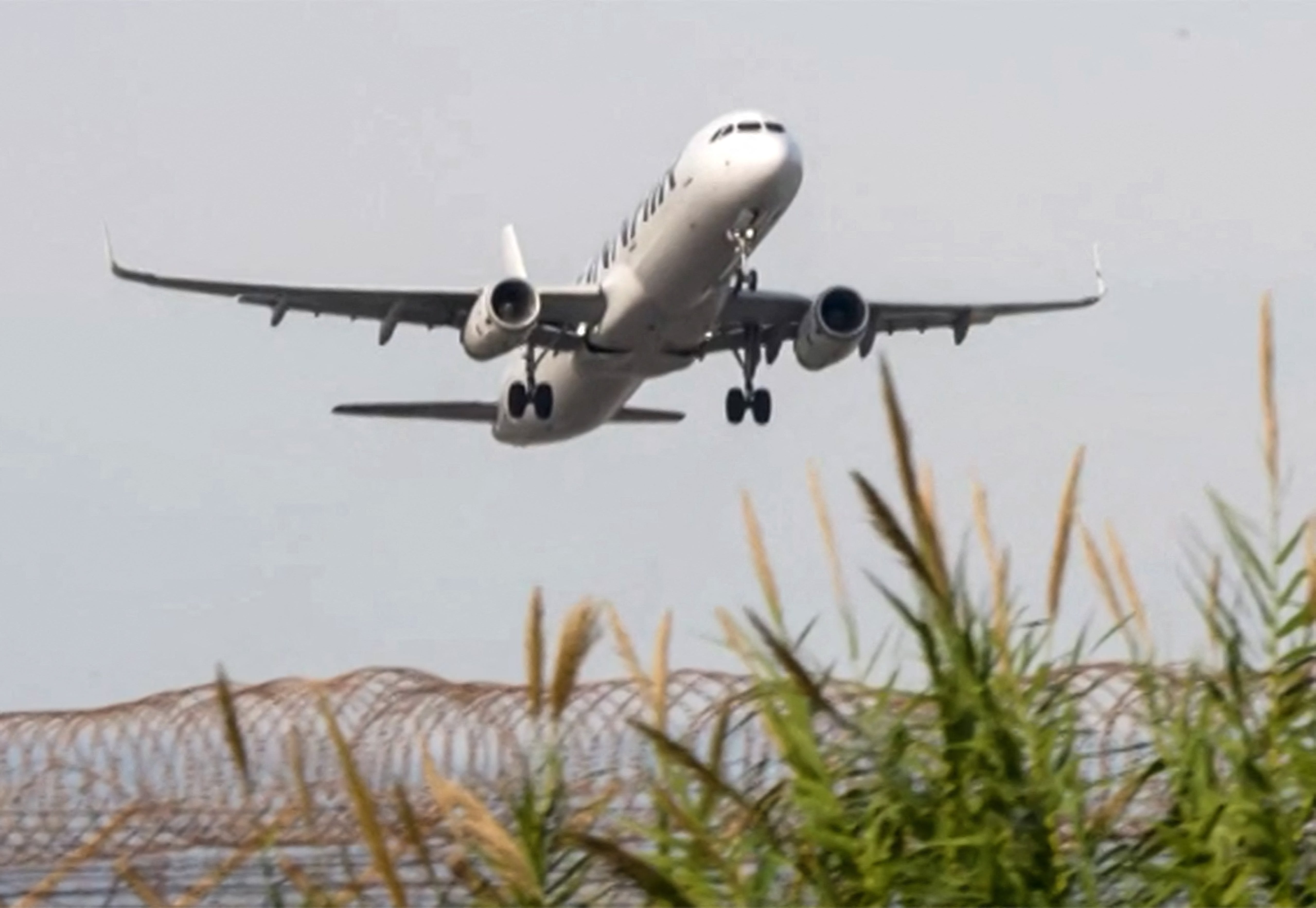
On Thursday, bomb threats across Europe grounded flights across several countries and caused travel disruption.
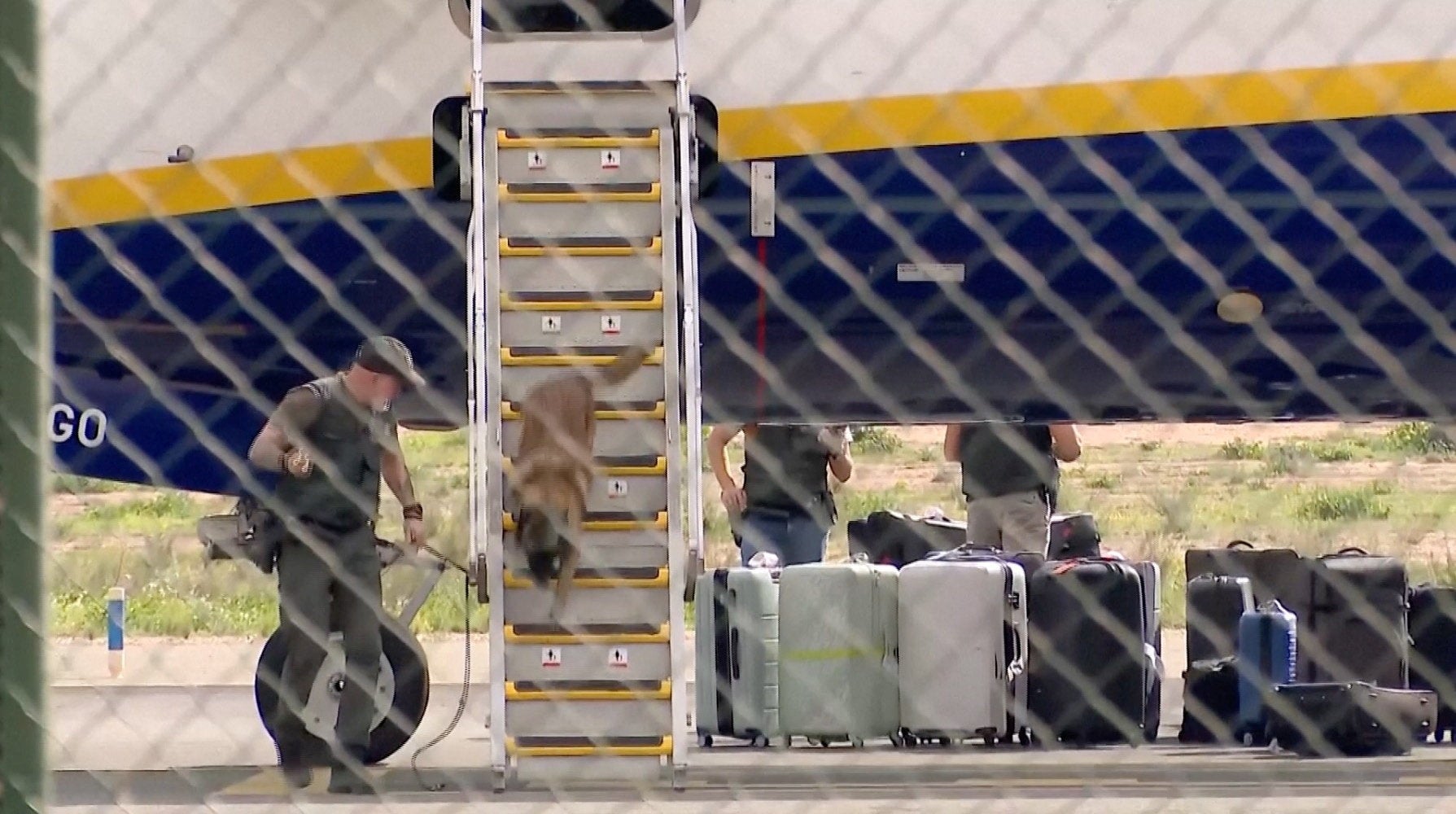
It was the second of three occasions this week that such widespread threats have been reported, prompting fear and concern against the backdrop of a series of cyber-attacks in the continent.
Flights to and from the UK, Belgium, Ireland, Italy, Finland, Bulgaria, Spain and Denmark were affected but largely resolved by the end of each day.
More than a dozen flights were targeted, included those from Copenhagen, Dublin, Helsinki, Madrid, Milan and Warsaw.
On Tuesday, several flights across Europe received alleged bomb threats that ultimately turned out to be hoaxes – but prompted searches, diversions and, in one case, an escort by the Italian Air Force until landing, officials said.
“If you can interfere with a supermarket, shut down part of an airport, create a bomb scare or force emergency services to respond, you have already imposed costs and created uncertainty,” says Dave Wreski, founder of Guardian Digital, Inc.
“You can do that without sending troops across a border or carrying out an attack that clearly looks like an act of war.”
Newsroom threats
Newsrooms in Ireland and Bulgaria received emailed bomb threats on Friday from a purported “Mikhail Andropov”, claiming responsibility for a widening wave of hoax threats disrupting passenger flights across Europe.
“European authorities have once again shown that they are incompetent fools who are incapable of doing anything to stop us,” it continued.
“We experimented with multithreading, and we succeeded in causing widespread panic, as well as forcing European authorities to spend a fortune on all these procedures.
“But this is only the beginning. What happened this week is just a small part of what awaits Europe in the near future.”
The email said that hackers are planning a new wave of attacks and would very soon be “blowing up your airplanes, cruise ships, subway stations, and trains”.
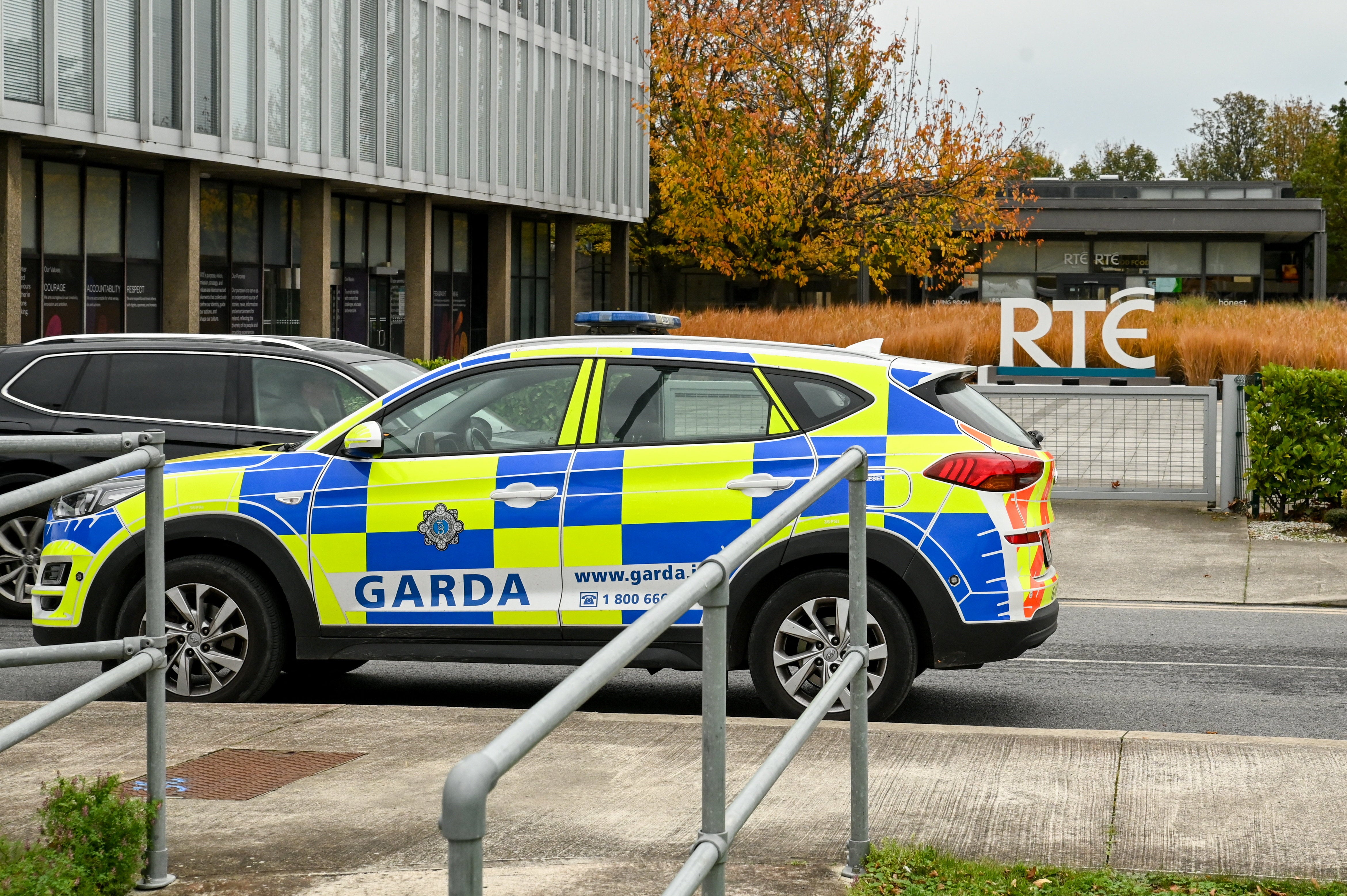
Going on to make a direct threat to the newsroom, it said: “We want the whole world to know about us, which is why one of our operatives has planted an explosive device in your building. It will detonate in 45 minutes. The clock is ticking.”
The messages, sent to Bulgaria’s Nova TV and the Irish public broadcaster RTE, which evacuated its offices, were headlined “Message to the West” and portrayed the threats as the prelude to a series of attacks on means of transport across Europe.
The British broadcaster Sky also said it had received a security threat.
The identity of the sender, the origin of the emails, or whether they had in fact come from the same source as the threats to any of the dozens of flights affected since Tuesday has not yet been established. By the end of Friday, no explosive devices had been found and all planes had landed safely.
Blood banks
Days after the refrigerator hoax, blood banks in France were hit by a cyberattack, the French health ministry said.
“Several regional facilities of the French Blood Establishment (EFS) were affected by a cybersecurity incident that impacted certain cold storage room monitoring and control systems,” it said.
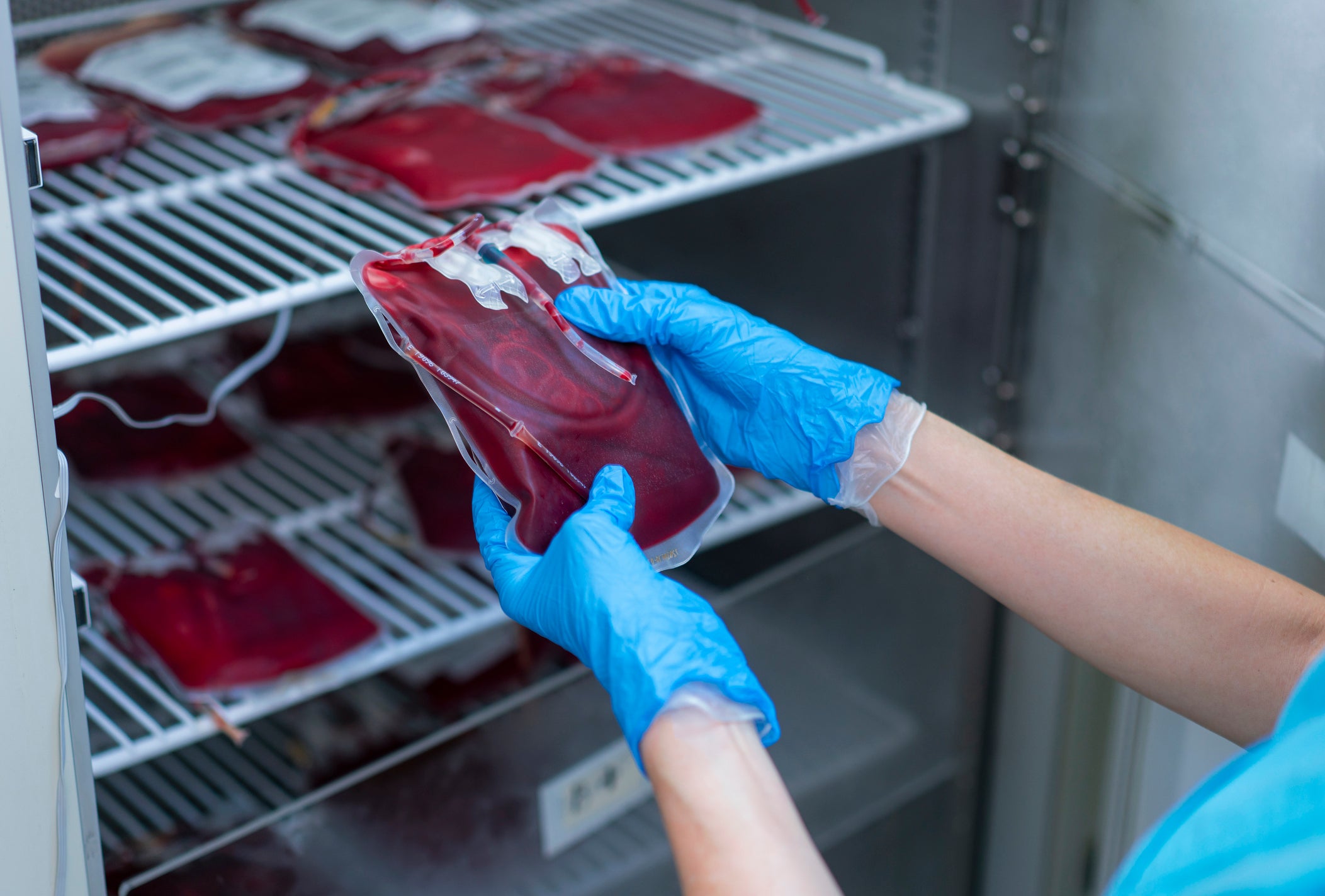
Despite the threat, there was no damage to blood products following the attack, which took place on Monday but was publicised on Wednesday.
The ministry said that “safety of the blood supplies was preserved thanks to the facilities’ monitoring and alarm systems, as well as precautionary measures immediately implemented”.
Investigations into the incident and equipment potentially affected are underway as authorities look at a timeline for a safe return to service.
On Wednesday, French cooperative bank Credit Mutuel Arkea said it had been hit by a cyberattack which “enabled fraudulent transactions to be carried out” – but that no money belonging to clients had been affected.
With so many widespread attacks in one week, there is genuine concern across Europe about what else is yet to come.