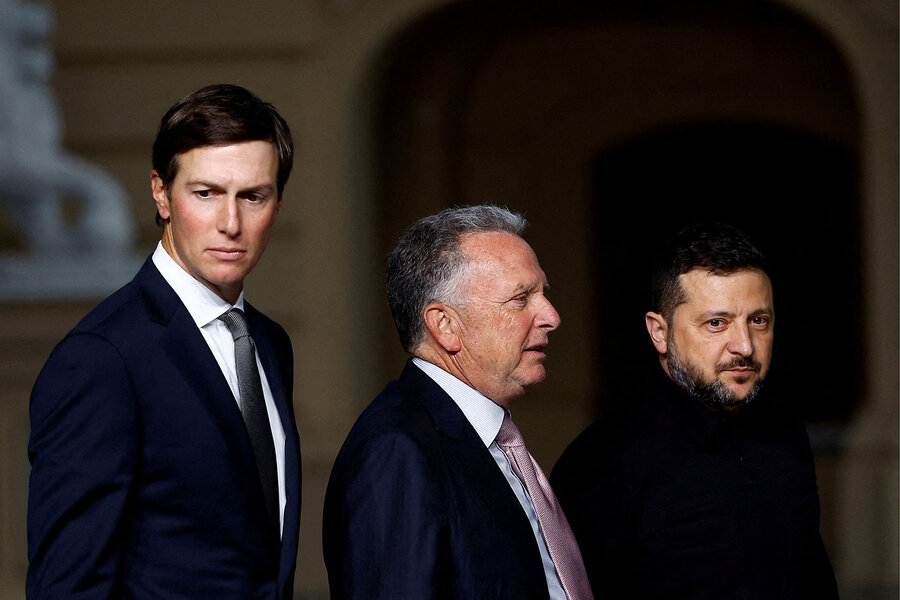
Есөн сарын завсарлагааны дараа эхлэх хэлэлцээгээр ирээдүйн энхийн тохиролцоонд тусгах аюулгүй байдлын баталгааг голлон хэлэлцэх төлөвтэй байна.
АНУ-ын төлөөлөгч Стив Виткофф, Жаред Кушнер нар мягмар гарагт Абу Дабид ОХУ, Украины талуудтай хэлэлцээ хийхээр болжээ. Хоёр өдөр үргэлжлэхээр хүлээгдэж буй уулзалтаар дайныг зогсоосны дараа мөргөлдөөн дахин сэдрэхээс сэргийлэх “аюулгүй байдлын зохицуулалт”-ыг хэлэлцэнэ гэж Виткофф мэдэгдсэн байна. Гэвч талуудын хэн нь ч ОХУ-ын Украинд эхлүүлсэн бараг таван жил үргэлжилж буй дайн ойрын хугацаанд шийдэгдэнэ гэж төдийлөн найдахгүй байна.
Дайны гол шалтгаантай холбоотой асуудлууд хэлэлцэх хүрээнээс гадуур үлдэх төлөвтэй байна. ОХУ-ын хувьд газар нутгийн шаардлага, Украины засгийн газар болон Баруун Европтой харилцах харилцаа; Украины хувьд ОХУ-ын нутаг дэвсгэрийг хууль бусаар нэгтгэсэн явдал, энгийн иргэд болон иргэний дэд бүтцэд хийж буй довтолгоо гол маргаантай асуудал хэвээр байна. ОХУ-ын Олон улсын харилцааны зөвлөлийн тэргүүн Дмитрий Тренин Абу Дабид зөвхөн техникийн асуудлыг хэлэлцэж, ОХУ-ын хувьд чухал томоохон асуудлуудыг хөндөхгүй гэж мэдэгджээ.
АНУ-ын зуучилсан хэлэлцээ хоёрдугаар сард Украин ОХУ-ын нутаг дэвсгэрийн шаардлагыг хүлээн авахаас татгалзаж, АНУ Ираны эсрэг дайн эхлүүлсний дараа завсарласан юм. Сүүлийн үед АНУ-ын тэргүүн хатагтай Меланиа Трамп болон Ромын пап XIV Лео нар ОХУ-ын эзэлсэн Олешки хотод хоригдсон Украины энгийн иргэдийг нүүлгэн шилжүүлэх зорилгоор Херсон мужид түр хүмүүнлэгийн гал зогсоох тохиролцоонд хүрчээ. Меланиа Трамп энэ тохиролцоо дайныг эцэслэх энх тайвныг бий болгох эхлэл болно гэж найдаж байгаагаа илэрхийлсэн байна.
Гэвч газар дээрх нөхцөл байдал хоёр талд буулт хийх боломж олгохгүй байна гэж дипломатууд болон шинжээчид үзэж байна. Украин сүүлийн долоо хоногуудад ОХУ-ын эзэлсэн зарим нутгийг буцаан авсан тул Москвагийн шаардсан газар нутгийн буултыг Киев хүлээн авах магадлал улам багасжээ; ОХУ Донецк мужийг бүхэлд нь, тэр дундаа хяналтдаа аваагүй 20 хувийг авахыг шаардаж байна. Үүний зэрэгцээ ОХУ Украин хотууд болон эрчим хүчний дэд бүтцэд чиглэсэн өвлийн пуужин, нисгэгчгүй нисэх төхөөрөмжийн довтолгоогоо эхлүүлсэн бөгөөд шинжээчдийн үзэж буйгаар хавар хүртэл ерөнхий гал зогсоох тохиролцоо хийх магадлал бага байна.
Дэлгэрэнгүйг эх сурвалжаас харах
↓Эх сурвалжийг нээх ↓
Nov. 10, 2026, 5:00 a.m. ET
|
2 min read
After a nine-month hiatus, the United States is set to restart peace talks between Russia and Ukraine in Abu Dhabi Tuesday – though with little optimism from any of the parties that Moscow’s nearly five-year-old war on its neighbor is ripe for resolution.
With prospects for a general ceasefire almost nil, U.S. negotiators Steve Witkoff and Jared Kushner are expected to focus discussions on the security commitments that would be part of any future accord ending the war.
The expected two days of talks will explore a “postwar security arrangement” that would be part of a peace accord and necessary to stop the war from flaring up again, Mr. Witkoff said in a weekend social media post.
But with the big issues feeding the war left off the table – territorial demands, Ukraine’s government, and its relations with Western Europe for Russia; Russia’s illegal annexation of Ukrainian territory, and its attacks on civilians and civilian infrastructure for Ukraine – any end to the war seems far off.
The Abu Dhabi talks will only address “technical questions,” Dmitri Trenin, presidentof the Russian International Affairs Council, told journalists in Moscow last week. None of the bigger issues important to Russia will be addressed, he said.
The U.S.-sponsored talks broke off in February after Ukraine refused Russia’s territorial demands and the U.S. launched its war on Iran. Mr. Witkoff, President Donald Trump’s special peace envoy, and Mr. Kushner, Mr. Trump’s son-in-law, largely turned their attention to Iran.
Hopes for a ceasefire were kindled recently when U.S. first lady Melania Trump andPope Leo XIV managed to negotiate a temporary humanitarian ceasefire in Ukraine’s Kherson region to evacuate Ukrainian civilians trapped in the Russian-occupied city of Oleshky. Mrs. Trump said Thursday at a White House gathering of Russian and Ukrainian officials that she hoped the Oleshky truce could provide a “spark” to build a “powerful flame of peace” to end the war.
But diplomats and analysts say conditions on the ground do not favor the concessions that would be necessary from both sides to end the conflict.
Deepen your worldview
with Monitor Highlights.
Politics with respect
Get political stories with respectful analysis.
There‘s a world of new ideas in every
Books newsletter.
There‘s more to life, enrich yours with
Culture & Learning weekly.
Follow humanity‘s discoveries with
Science & Nature stories in your inbox.
Gain a spiritual perspective
from the stories in your inbox.
Want to understand the deeper impact of critical events? Learn the Monitor‘s insight.
Already a subscriber?Log in to hide ads.
In recent weeks, Ukraine has taken back territory earlier seized by Russia, making Kyiv even less likely to accept the territorial concessions Moscow demands, analysts say. Russia wants all of the Donetsk region in southeastern Ukraine – even the 20% of the region it does not occupy. Ukraine has also imposed some of the heaviest losses of the war on Russia’s ground forces in recent months.
At the same time, Russia has launched its winter campaign of missile and drone attacks on Ukrainian cities and energy infrastructure aimed at demoralizing the population and pummeling the country into submission. Because of that, analysts say, Russia seems unlikely to entertain efforts for a general ceasefire at least until the spring.

