Гэхдээ “Tupelo” дууны 40 жилийн ойд зориулсан хиймэл оюунаар бүтээсэн богино кино түүний байр суурийг тодорхой хэмжээнд өөрчилжээ.
Дуучин, дуу зохиогч Ник Кейв дуу үүсгэдэг хиймэл оюуны платформууд хүний бүтээлч хөдөлмөрийг үгүйсгэж, уран бүтээлчийг хэрэггүй болгоно хэмээн шүүмжилжээ. Тэрбээр The Red Hand Files блогтоо ийм платформууд хүний хичээл зүтгэлийн үр дүнг энгийн бүтээгдэхүүн болгон хувиргаж, урлагийг бүтээгчээс нь салгах эрсдэлтэй гэж бичсэн байна.
The Bad Seeds хамтлагийн гоцлол дуучин урлагийг уран бүтээлчээс салгаж болохгүй гэж үздэг бөгөөд хиймэл оюун уран бүтээлчийг бүхэлд нь бүтээлийн явцаас хасаж мэднэ хэмээн анхааруулжээ. Тэр хиймэл оюун ертөнцийг аварч, сүйрүүлэх эсвэл энэ хоёрын дундах үр дагаварт хүргэх эсэхийг мэдэхгүй гэдгээ мөн дурдсан байна.
Харин найруулагч Эндрю Доминикийн “Tupelo” дууны 40 жилийн ойд зориулан бүтээсэн, хөдөлгөөнгүй зургуудыг амилуулсан хиймэл оюуны богино кино түүний бодлыг тодорхой хэмжээнд өөрчилжээ. Кейв өмнө нь хиймэл оюуныг бүтээлч салбарт доромжлол дагуулна хэмээн шүүмжилж байсан ч уг киног үзсэний дараа урлагийн хэрэгсэл болох хиймэл оюуны талаарх байр суурь нь зөөлөрснийг хэлсэн байна.
Дэлгэрэнгүй эх сурвалжийг харах
Эх сурвалжийг нээх ↓
Want to bookmark your favourite articles and stories to read or reference later? Start your Independent Membership today.
Already a member?
Nick Cave has launched a fresh attack on artificial intelligence, describing song-generating platforms as a musician’s “final, most soul-destroying humiliation”.
Having previously insisted that the AI platform ChatGPT should “f*** off and leave songwriting alone”, the 69-year-old singer-songwriter warned that automated music generators “mock creation itself by rendering humanity unnecessary”.
Writing on his blog, The Red Hand Files, the singer expressed deep concerns regarding the technology’s broader impact.
“Song generator platforms are, in my view, indicators of this nascent technology’s demonic potential to hollow out human endeavour and sever our connection to the divine,” he wrote.
“They mock creation itself by rendering humanity unnecessary, taking the fruits of human striving and reducing them to mere products. It is, perhaps, our final, most soul-destroying humiliation.
“For those eager to rid the world of problematic artists – for these censorious forces remain persistent – it is surely cause for celebration, as these platforms promise to rid the world of artists altogether.”
Cave noted he remains uncertain whether AI will “save the world, annihilate it, or do something in between”, but explained how it challenges assumptions about art.
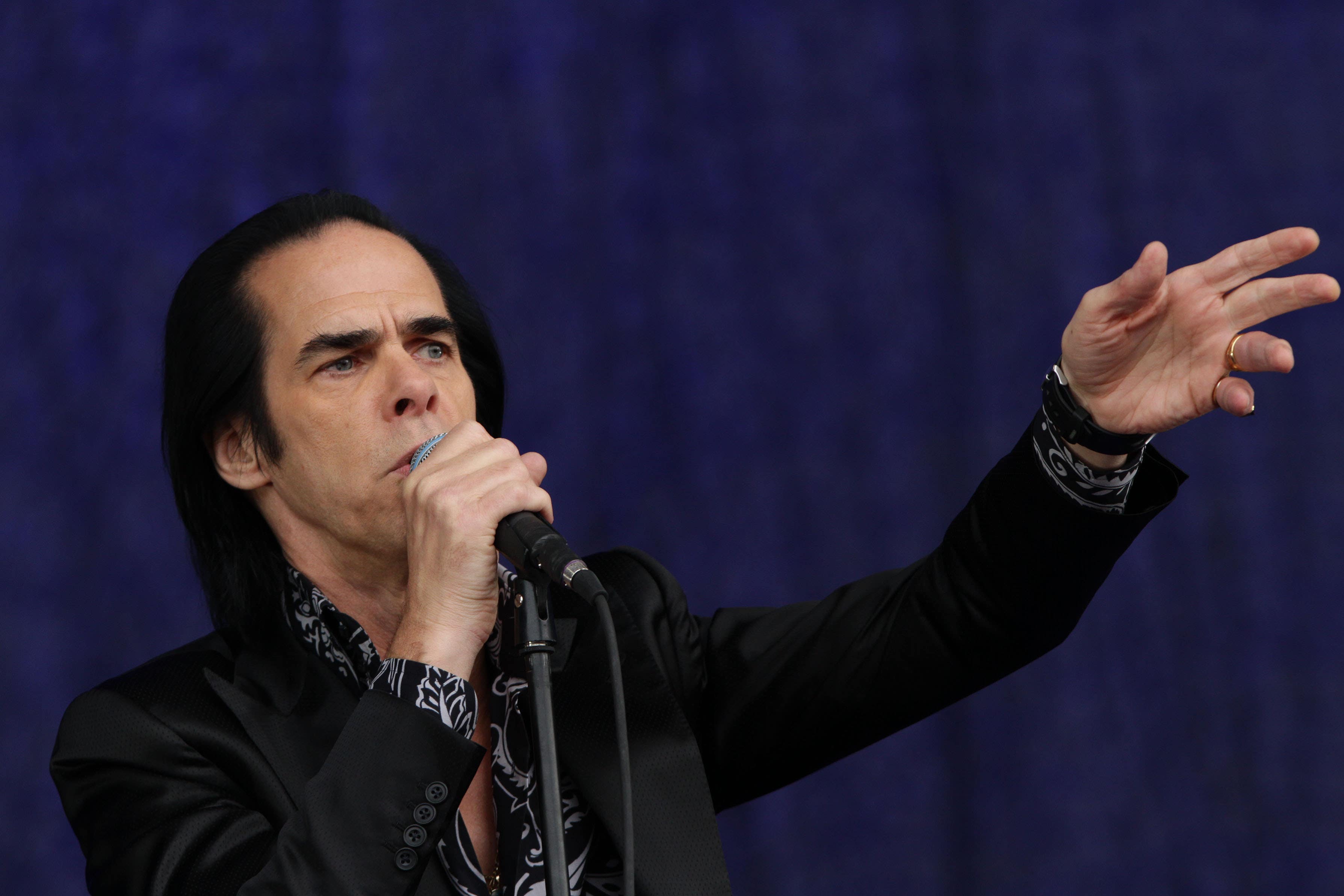
“We cannot separate the art from the artists, for they are as inseparable as the waves from the sea they rise from. That may be an uncomfortable truth for some but, for me, the matter was settled,” he stated.

Enjoy unlimited access to 100 million ad-free songs and podcasts with Amazon Music
Sign up now for a 30-day free trial. Terms apply.
ADVERTISEMENT. If you sign up to this service we will earn commission. This revenue helps to fund journalism across The Independent.
“Until now. With the advent of song generation platforms, the thorny issue has been upended. At last, the artist can be separated from the art. Not just that, the artist – that flawed, messy, broken, woeful, joyful problem – can be removed from the equation altogether, like so much dross.”
Although The Bad Seeds frontman has consistently criticised AI — previously calling it “unbelievably disturbing” and warning of a “humiliating effect” on creative industries — he admitted his view shifted “to some extent”.
The shift followed an AI video marking the 40th anniversary of his song Tupelo, created by filmmaker Andrew Dominik, 59, who animated still images. Cave commented: “As I watched Andrew’s surreal little film, I felt my view of AI as an artistic device soften. To some extent, my mind was changed.”