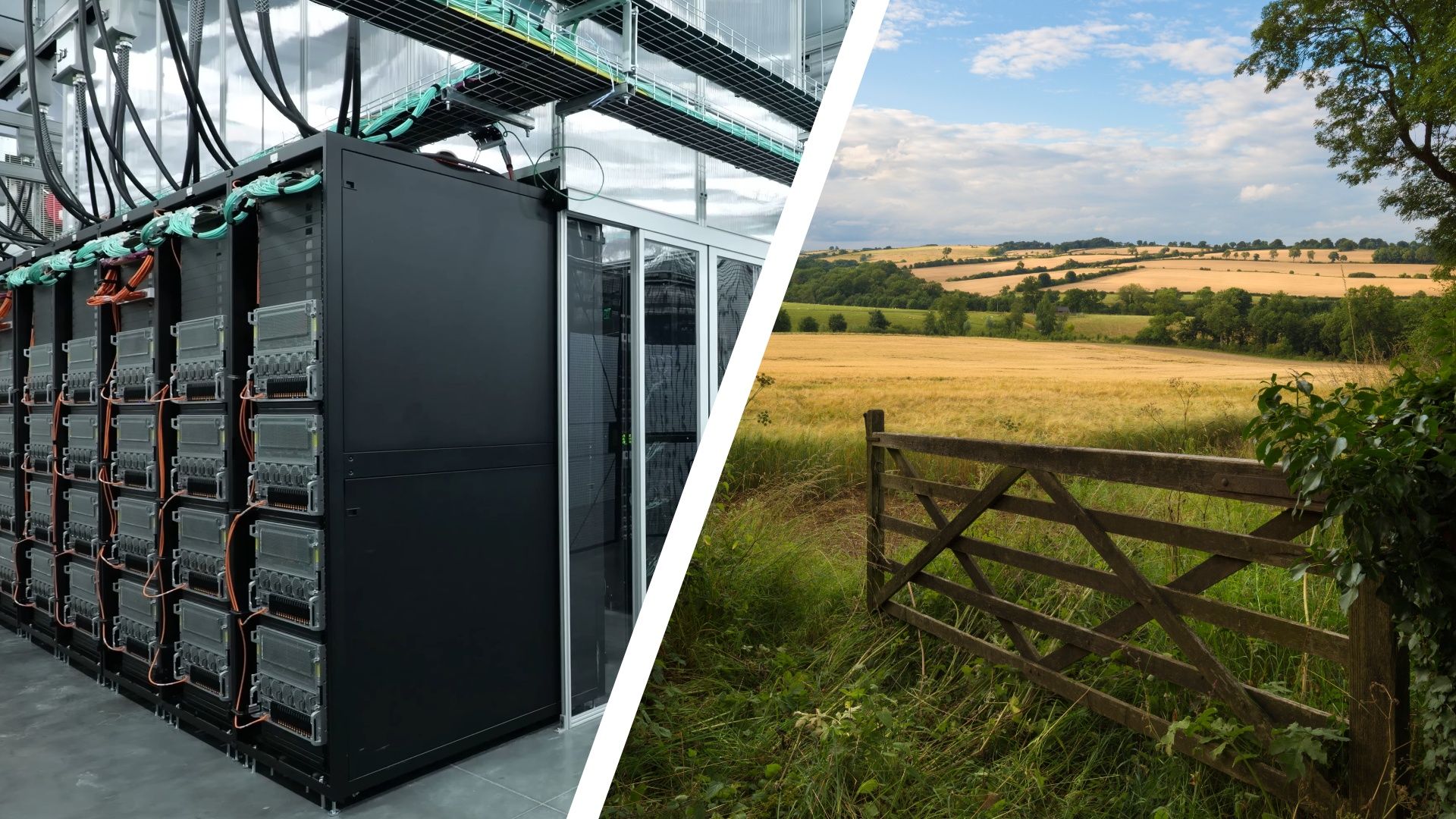
Digital Reef-ийн төсөл 200 гаруй акр ногоон бүсийг хамрах ч эрчим хүчний хэрэглээ, нүүрстөрөгчийн ялгарлын асуудал дагуулж байна.
Лондон хотын захын Хаверинг дүүргийн Норт Окендон орчимд барихаар төлөвлөсөн дата төв 400 мянган ам метр талбайд тоног төхөөрөмж байрлуулах бөгөөд Европын хамгийн том төвүүдийн нэг болохоор байна. Төсөлд ногоон бүсийн 200 гаруй акр газрыг ашиглахаар тусгажээ.
Орон нутгийн оршин суугчид байгалийн төрх алдагдаж, ногоон бүсэд барилга байгууламж барих жишиг тогтоно гэж болгоомжилж байна. Төслийн барилгын ажил 8–20 жил үргэлжилж, өдөрт 1,000 орчим тээврийн хэрэгсэл нэмэгдэнэ хэмээн ойролцоох оршин суугчдын нэг ярьжээ. Тэрээр барилгын дуу чимээ, ашиглалтад орсны дараах шуугиан, цахилгааны хэрэглээнд санаа зовниж, тус бүсэд сард хоёр удаа цахилгаан тасардаг гэж хэлсэн байна.
Төслийг хэрэгжүүлэгч Digital Reef дата төв ашиглалтад орсны дараа 620 ажлын байр бий болгож, 113 га экологийн парк байгуулан, орон нутагт 11.54 сая фунт стерлингийн санхүүжилт олгохоор амлажээ. Компани төвийг ашиглалтын үедээ нүүрстөрөгчийн цэвэр тэг түвшинд ажиллуулж, талбай дээрээ чулуужсан түлш хэрэглэхгүй гэж мэдэгдсэн ч төлөвлөлтийн баримтад уг төсөл 1.5 хэмийн зорилт болон 2050 он гэхэд цэвэр тэгт хүрэх замналтай нийцэхгүй гэж дурдсан байна. Мөн Их Британид төлөвлөгдсөн эсвэл ажиллаж буй дата төвүүдээс хамгийн өндөр нүүрстөрөгчийн ялгаралтай байж болзошгүй бөгөөд зорилтот түвшний зөрүүг нөхөхөд 77.6 сая фунт стерлинг шаардлагатай гэж компани тооцжээ.
Digital Reef-ийн мэдээлснээр төв 50 хувийн ачаалалтай ажиллахад жилд 2.65 тэрбум кВт.цаг цахилгаан хэрэглэнэ; энэ нь Их Британийн нэг сая гаруй өрхийн хэрэглээтэй тэнцэнэ. Тус улсад цахилгаан сүлжээнд холбогдох хүсэлт гаргасан 140 гаруй дата төвийн нийт эрэлт 50 ГВт-аас давж байгаа бөгөөд бүгдийг зөвшөөрвөл 2026 оны оргил эрэлтийг давах хэмжээний цахилгаан шаардана.
Дэлгэрэнгүйг эх сурвалжаас харах
↓Эх сурвалжийг нээх ↓
- A data center planned to be built in London’s green belt has faced opposition from local residents
- The site will occupy more than 200 acres of green space, with the developers calling the site “a sustainable datacentre campus of the future”
- But the site will not meet Net Zero commitments and is projected to have the highest carbon emissions of any planned or operational UK data center
Residents beside a planned data center on the outskirts of London are not happy about the planned development which will see over 200 acres of greenbelt land ceded to developers to be converted into one of Europe’s largest data centers boasting 400,000 square meters of hardware capacity.
Data center developers in the UK have been having a tough time recently, with plans for the world’s second largest data center in Fife, Scotland, seeing widespread opposition, and a 450MW site in North Wales facing a rather negative reception.
But for some residents of North Ockendon in Havering, the idea of building a data center in green belt designated land is “sacrilege” and the development would damage the look and feel of the local community.
Residents oppose green belt development
According to multiple residents, who spoke with the BBC, the development would detract from the natural setting of North Ockendon and set a precedent for green belt land development.
North Ockendon resident Emma Edmonds said, “Most people absolutely don’t want this. It’s sacrilege to just build something like that here. It’s not the right place at all,” while Danny Leach, whose property sits close to the planned development, said, “There will be the construction for the next eight to 20 years. There will be noise, there’s going to be another thousand vehicles a day they’re saying.”
“There will be disruption, the mess, and then, obviously, when it’s operational, the background noise the data centres make and the amount of electric it uses – we already have two power cuts a month here,” Leach added. “We all need data, but do we need the largest data centre in Europe in this location?”
The North Ockendon Residents Association labelled the project as a “massacre” of green belt land, with a spokesperson adding, “It’s crop-producing farmland, in an age when we are threatened by security, it’s the loss of wildlife habitats, and there’s the pollution cost, which everyone seems to brush under the carpet.”
“This is rural. This is country. Leave it as it is,” local resident Graham Ford said.
Developers promise jobs, investment, and a park
In recent months, data center developers have had to become more vocal and involved with communities in the vicinity of a planned development. As the examples in Scotland and Wales have shown, if residents feel they are not getting enough out of a multi-billion pound investment they will do everything they can to make breaking ground as difficult as possible.
To that end, the UK government has announced plans that could force developers to invest in local communities as part of an AI “covenant” aimed at restoring trust between residents and developers and providing a worthwhile benefit to local communities.
The developers of the Havering data center, Digital Reef, have promised a range of benefits for local residents, including 620 full time jobs once the data center is operational, a 113-hectare Ecology Park with a 100%+ net biodiversity gain, and an £11.54 million community payment. The site is also expected to be Net Zero in operation with “zero onsite fossil fuels,” with the site “set to become a leading centre for skills development in the science, technology, sustainability, and data economy sectors.”
But despite claiming to be Net Zero in operation, Digital Reef has said in a planning application that the site “does not align with a science-based 1.5C compatible trajectory and achieving net zero by 2050.”
The site is also projected to have the highest projected carbon emissions of any project in the UK, according to The Guardian analysis of available data. Additional planning documents state that any shortfall of the zero-carbon target “would be provided through a cash in lieu contribution to the borough’s carbon offset fund,” a sum Digital Reef estimates to be about £77.6 million.
Many data centers across the UK, particularly in London, are facing issues with getting hooked up to the electricity grid. Microsoft recently withdrew residency plans from a planned London data center after learning that the site would not be operational until early 2030.
Couple that with a queue of over 140 data centers seeking more than 50GW in grid connections that, if approved, would use more than the UK’s 2026 peak energy demand.
For the planned development, Digital Reef said that at a 50% load the campus would use about 2.65 billion kWh per year of electricity — or the equivalent of more than 1 million UK households.

