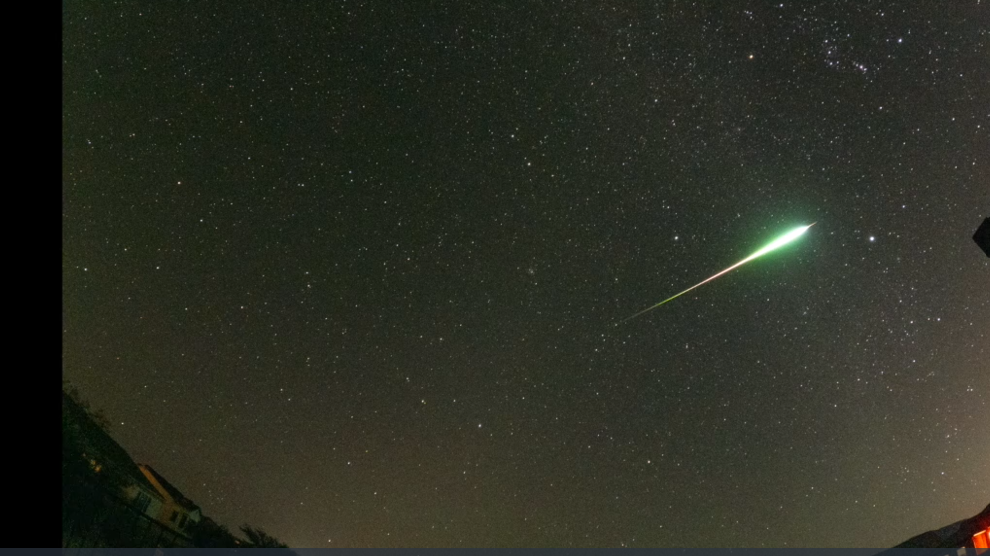
Арваннэгдүгээр сарын дунд үед тохиодог Леонидын солирын бороо нь 33 жил тутамд нэг удаа хүчтэй шуурга болон хувирдаг онцлогтой үзэгдэл юм.
Жил бүрийн арваннэгдүгээр сарын 17-ны орчимд ажиглагддаг Леонидын солирын урсгал нь 55P/Tempel-Tuttle сүүлт одны үлдэгдлээс үүдэлтэй. Энэхүү сүүлт од нь 33 жилийн тойрог замтай бөгөөд 2031 оны тавдугаар сарын 20-нд Наранд хамгийн ойр цэгтээ хүрэх юм. 2026 онд энэ үзэгдэл “солирын шуурга” болох төлөвгүй байгаа ч цаашид 2020-оод оны сүүл, 2030-аад оны эхээр идэвхжил нэмэгдэх магадлалтай байна.
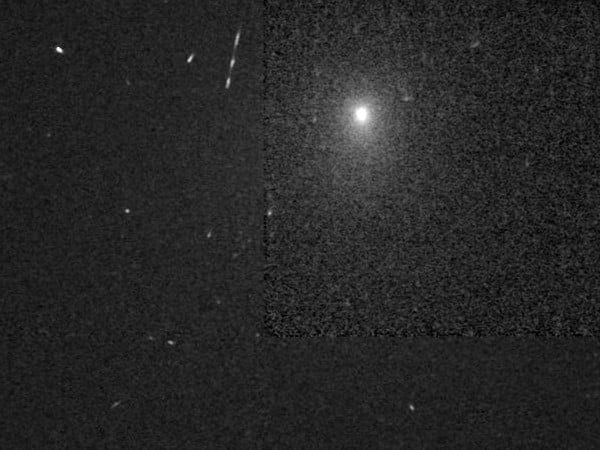
2026 оны арваннэгдүгээр сарын 16-17-нд шилжих шөнө солирын урсгалын оргил үе тохиох бөгөөд сарны гэрэлтүүлэг 41 хувьтай байх нь ажиглалт хийхэд таатай нөхцөл бүрдүүлнэ. Солирын борооны оргил үе нь нийтийн цагаар (UT) 3:00 цагт тохиох тул Европ тивд үүрийн гэгээнээр, Хойд Америкт хэдэн цагийн дараа ажиглах боломжтой. Энэ үеэр цагт 20 орчим солир унах төлөвтэй байгаа ч бодит байдал дээр идэвхжил харилцан адилгүй байж болно.
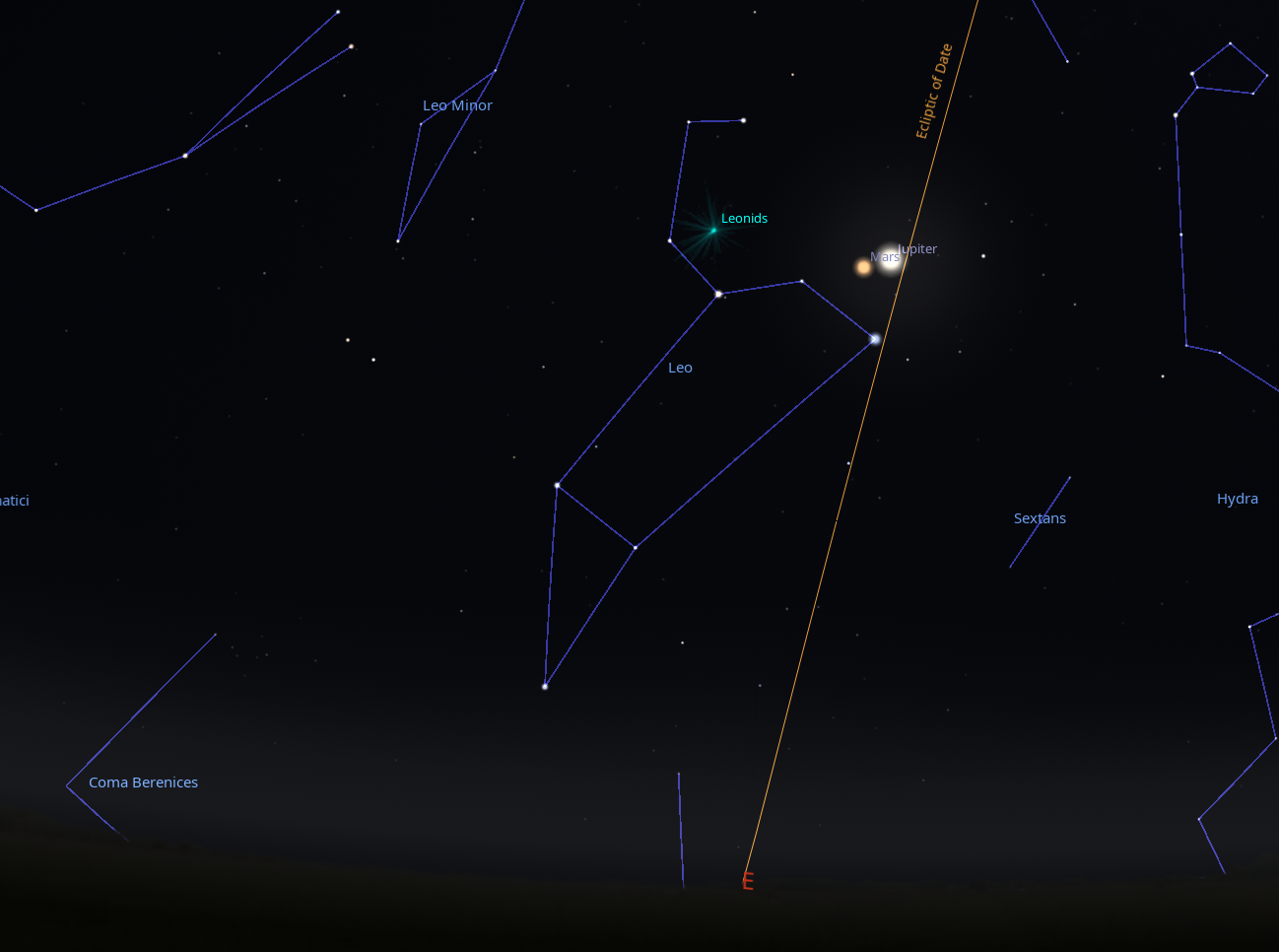
Леонидын солирууд нь секундэд 70 км хүртэлх хурдтайгаар дэлхийн агаар мандалд орж ирдэг нь дотоод нарны аймгийн солируудын хувьд бараг дээд хязгаар юм. Солирын урсгал нь Арслангийн ордны “хадуурын” хэлбэртэй оддын бүлгээс эх авдаг бөгөөд Epsilon Leonis болон Algieba оддын ойролцоо чиглэлээс ажиглагдана. 2026 онд солирын урсгалыг ажиглах үеэр Ангараг болон Бархасбадь гаригууд, мөн Regulus од зэрэг нь ойр орших тул тэнгэрийн үзэгдлийг улам сонирхолтой болгоно.
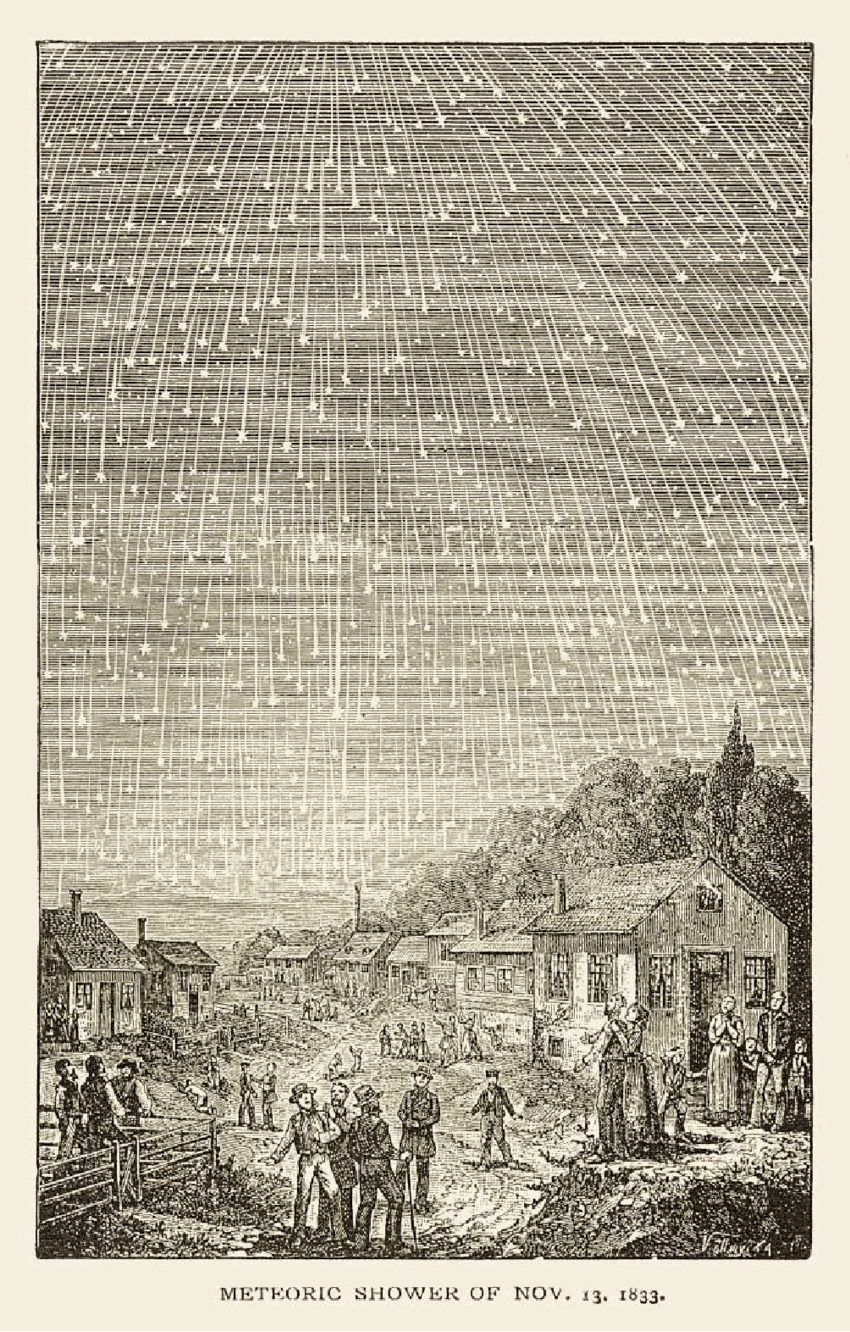
Түүхэн тэмдэглэлээс үзэхэд 1833 оны Леонидын солирын шуурга нь шинжлэх ухааны салбарт солир бол зөвхөн агаар мандлын үзэгдэл бус, сансраас ирдэг болохыг танихад чухал нөлөө үзүүлжээ. 1966 онд цагт 160,000 хүртэлх солир ажиглагдсан тохиолдол байдаг. Хэдийгээр 2031 болон 2064 оны сүүлт одны ойртолтын үеэр хүчтэй шуурга хүлээгдэхгүй байгаа ч 2030-аад оны эхээр цагт 100-аас илүү солир унах боломжтой гэж эрдэмтэд таамаглаж байна.
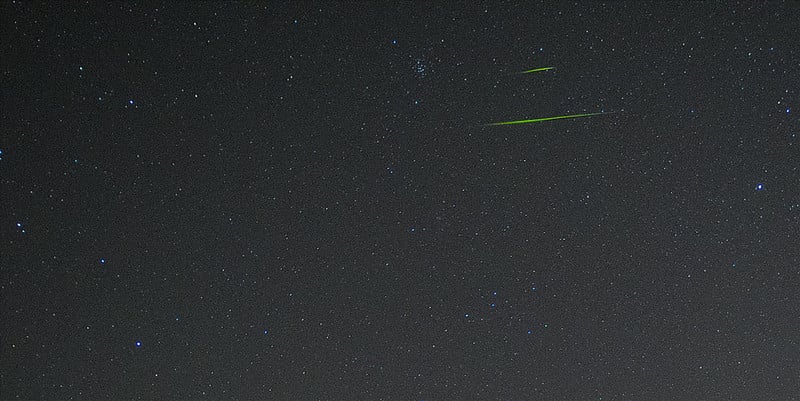
Солирын урсгалыг ажиглахын тулд ямар нэгэн тусгай багаж хэрэгсэл шаардлагагүй бөгөөд зөвхөн харанхуй, цэлмэг тэнгэр, тэвчээр л хэрэгтэй. Гэрэл зураг сонирхогчид өргөн өнцгийн линз бүхий DSLR камер болон трипод ашиглан удаан хугацааны өртөлтөөр (long exposure) солирын бичлэгийг хийх боломжтой. Ажиглалтын үр дүнгээ International Meteor Organization байгууллагад илгээх нь шинжлэх ухааны мэдээллийн санг баяжуулахад чухал ач холбогдолтой юм.
Дэлгэрэнгүйг эх сурвалжаас харах
Эх сурвалжийг нээх ↓
Why you should watch for the November Leonid meteors this year.
It’s always worth being vigilant when skywatching in mid- to late November. Every year, a few Leonid meteors punctuate the November sky morning sky around the 17th. These silent harbingers are only a hint at the shower’s true storm potential, which culminates once every three decades.
The Leonid meteor shower can put on a true spectacle, and while 2026 isn’t expected to be a ‘storm year,’ we could be due for some enhanced activity in the late 2020s going into the early 2030s.
The source of the Leonid meteor shower is periodic comet 55P/Tempel-Tuttle. On a 33 year orbit, comet 55P reaches perihelion 0.975 Astronomical Units (AU) from the Sun just inside Earth’s orbit once again on May 20, 2031.
Hubble captures Comet 55P/Tempel-Tuttle. Credit: NASA/HST/STScI
In 2026 the Moon phase is favorable at 41% illuminated, reaching 1st quarter phase a day after the shower’s peak night on November 16-17th. This means the Moon sets in the west, right as the radiant rises to the east.
The peak of the 2026 Leonids is set for November 17th at 3:00 Universal Time (UT), favoring Europe towards dawn, and North America just a few hours later. While 2026 is projected to be a 20 meteors per hour peak year, you just never know what a particular shower might have in store.
The Leonids are also real fast movers, approaching the Earth nearly head-on with a combined velocity of close to 70 kilometers per second. This is very near the theoretical maximum for inner solar system meteors. Most years only see a paltry 20 or so meteors per hour, though when the parent comet 55P/Tempel-Tuttle is near perihelion, great storms are possible.
The Leonids hail from the backwards, question mark-shaped ‘Sickle of Leo’ asterism. The radiant tracks from the +3rd magnitude star Epsilon Leonis past the bright double star Algieba in November. If you can trace a meteor’s flight back to this region, it’s a Leonid.
As an added treat in 2026, the planets Mars and Jupiter are very nearby, along with the bright star Regulus and the antihelion point towards which our planet is currently headed.
The rising Leonid radiant in 2026. Credit: Stellarium.
The Leonids top out with great outbursts every 33 years. A loose definition for a ‘meteor storm’ is when the zenithal hourly rate (ZHR) tops out at about a 1,000 per hour, which is a fast-paced rate of one meteor every 3-4 seconds. Keep in mind, the ZHR is an extrapolated, ideal rate, assuming dark skies with the shower’s radiant directly overhead at the zenith. Most observers will always see less in reality, as fainter meteors slip by.
Records of the Leonids go all the way back to Arab annuals dating from 902 AD. 1833 saw an historic storm from the shower, as frightened residents along the U.S. Eastern Seaboard awoke to a sky awash in meteors. This single event was not only responsible in part for several religious movements of the day in the U.S., but also helped to push the modern scientific understanding of meteors from a purely atmospheric phenomenon to one originating from space.
A depiction of the Great Leonid Storm of 1833, depicted in 1889 by Adolf Vollmy. Credit: Public Domain.
The morning of November 17, 1966 saw a formidable performance from the shower, with observed rates over the southwestern U.S. topping out at an estimated 160,000 per hour (!)
I still remember catching the 1998 Leonids from the deserts of Kuwait, a year before the advertised outburst in 1999. The meteors lit up the desert floor just seconds apart towards sunrise with brilliant photo-flash flares. The spectacle continued right up until dawn. To date, it was still one of the best meteor showers I’ve ever witnessed.
Looking Ahead to 2030s
Are we in for another great ‘meteor storm’ in or around 2033? Well, we passed the mid-point in 2017. We did see a steady uptick in meteor activity through the late 1990s leading up to 1999. A caveat, however is in order with the approach of the Leonids in the early 2030s. Current models suggest we won’t see any great storms on the 2031 and 2064 passes of the comet, with 2099 being the next great ‘storm year’. We may, however, still see respectable showers in excess of 100 per hour in the early 2030s laid down by older streams, topping the annual Perseid and Geminid meteors.
A Leonid double-shot. Credit: Eliot Herman
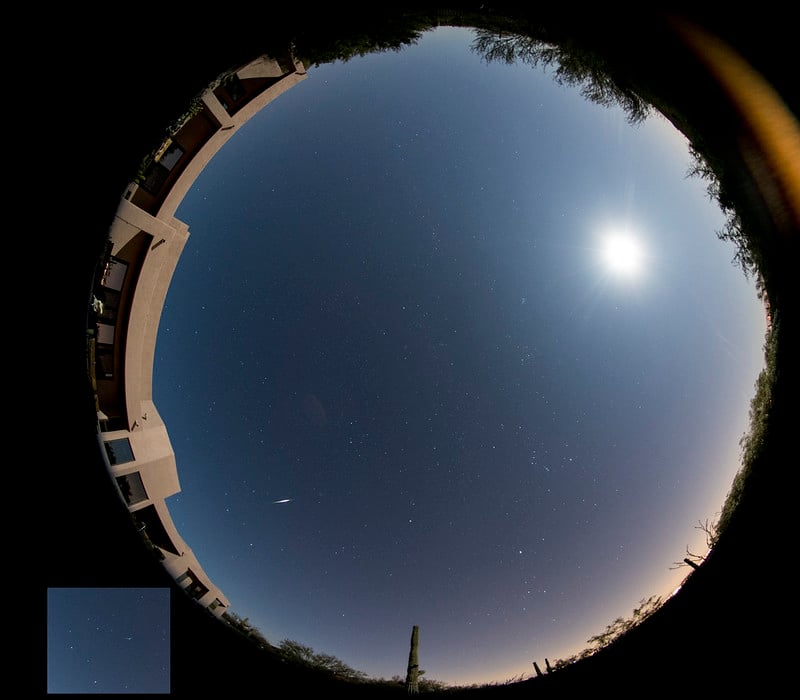
Observing a meteor shower is as simple as laying back and watching the sky, no special equipment needed. All you need is clear, dark skies and patience. You’ll see more in the early morning hours, as Earth hurdles headlong into the oncoming meteor stream. Imaging Leonids is a simple as setting up a tripod-mounted DSLR camera equipped with a wide-field lens to take long exposure shots of the sky, and seeing what turns up. An intervalometer hand control works great to automate this process.
An all-sky capture featuring a Leonid meteor. Credit: Eliot Herman.
Finally, be sure to count and record what you see, and send those observations to the International Meteor Organization.
We’ll see what the coming years has in store for the November Leonid meteors. One thing is for certain: you’ll see zero meteors if you don’t try. Time will tell if the coming years see the Leonids roar once again.

