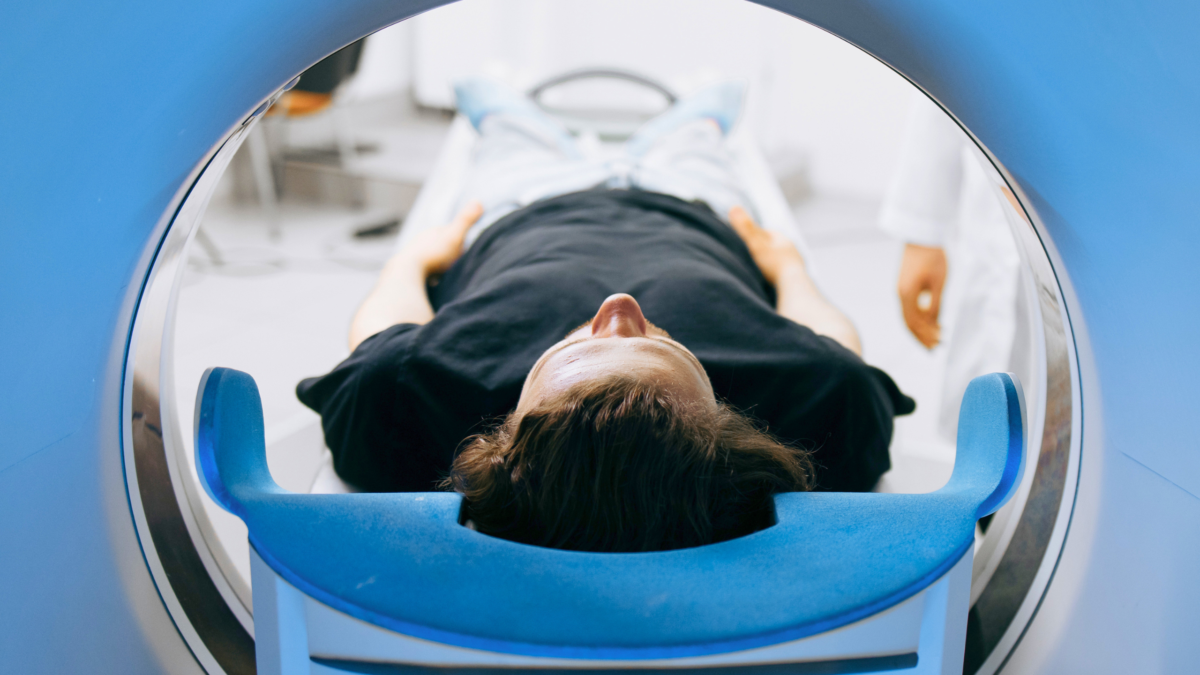
Амралтын үеийн тархины үйл ажиллагааны зураглал ой санамж, өдөр тутмын чадварын цаашдын өөрчлөлтийг таамаглахад тусалж болохыг судалгаа харуулжээ.
Stanford Medicine-ийн Канхао (Алекс) Жао тэргүүтэй судлаачид тархины бүсүүд амарч байх үедээ хэрхэн уялдан ажилладгийг функциональ MRI-аар шинжилжээ. Эхлээд Альцгеймерийн өвчтэй 110 хүн, мөн 75-аас дээш насны, ой тогтоолтын үзүүлэлт нь дунд насныхнаас ч өндөр 180 хүний зургийг харьцуулсан байна. Амралтын үеийн тархины идэвхийг цусны хүчилтөрөгчийн өөрчлөлтөөр шууд бусаар хэмжихэд, зарим урд хэсгийн холболт өндөр настны ой тогтоолт онцгой сайн хүмүүсийн бүлэгт, харин тархины гүнд байрлах инсулатай холбоотой зарим холболт Альцгеймерийн бүлэгт илүү хүчтэй байв.
Эдгээр ялгаанд үндэслэн судлаачид Альцгеймерийн тэсвэржилт ба эмзэг байдлын холболтын зураглал буюу ARC оноог боловсруулжээ. Бага оноо нь ой тогтоолт сайтай өндөр настнуудын хэв шинжтэй, өндөр оноо нь Альцгеймерийн бүлгийн хэв шинжтэй байв; өмнөх хоёр бүлгийн 143 хүний тусдаа мэдээлэлд оноо нь оролцогчдын ойролцоогоор 71 хувийг зөв ангилжээ.
Дараа нь танин мэдэхүйн өөрчлөлтгүй 1,315 насанд хүрэгчийн эхний зураглалаас ARC оноо гаргаж, дараагийн шинжилгээ, эмнэлзүйн үнэлгээтэй нь харьцуулсан байна. Ихэнх мэдээлэл 5–6 жилийн, хамгийн урт нь 12 жилийн хяналтыг хамарсан бөгөөд эхэндээ ихэнх сорилын үзүүлэлт төстэй байсан ч Альцгеймерийн хэв шинжтэй зураглалтай хүмүүсийн ой тогтоолт болон өдөр тутмын үйл ажиллагааны үнэлгээ илүү хурдан буурчээ. Мөн тэд Альцгеймерийн өвчин эсвэл өдөр тутмын ихэнх ажлаа бие даан хийж чаддаг ч ой тогтоолт, сэтгэхүйн хүндрэл илэрч болох танин мэдэхүйн хөнгөн алдагдалтай болох магадлал өндөр байв.
Ой тогтоолт сайтай өндөр настнуудын бүлэг дунджаар залуу байсан ч, нэг мэдээллийн багцад эхний насны ялгааг тооцсоны дараа ч эмнэлзүйн үнэлгээ болон сорилын зөрүү хэвээр үлджээ. Эхэндээ амилоид-бета уургийн түвшин төстэй байсан ч Альцгеймерийн хэв шинжтэй зураглалтай хүмүүсийн тархинд энэ уураг хяналтын явцад илүү хурдан хуримтлагдсан; Альцгеймертэй холбоотой өөр нэг уураг болох тауны хуримтлалд тодорхой ялгаа илрээгүй. ARC оноог нас, амилоид-бета ба тау хэмжсэн зураглал, APOE гентэй холбоотой удамшлын эрсдэлийн мэдээлэлд нэмэхэд танин мэдэхүйн хөнгөн алдагдал эсвэл Альцгеймерийн өвчин үүсэхийг таамаглах чадвар сайжирсан ч үр дүнг баталгаажуулахын тулд олон хүн хамруулсан, олон жилийн дагалдах судалгаа болон хүн ам, MRI төхөөрөмжийн олон янз байдлыг хамарсан шалгалт шаардлагатай гэж Жао тэмдэглэжээ. Судалгааг Science Advances сэтгүүлд нийтэлсэн байна.
Дэлгэрэнгүйг эх сурвалжаас харах
↓Эх сурвалжийг нээх ↓
Two people can get the same score on a memory test today. Years later, one may start missing appointments and struggling with everyday tasks while the other still manages both with ease.
An early clue to that difference may lie in a brain scan, research suggests.
In a new study, researchers at Stanford Medicine and their colleagues wanted to know whether the way brain regions work together at rest could reveal who is more likely to have memory problems years later.
To find out what to look for, they started with two groups whose memory abilities were already quite different.
One group included 110 people with Alzheimer’s disease. The other included 180 adults who were at least 75 and scored better on memory tests than is typical for middle-aged adults.
Researchers call people with this kind of exceptional memory in later life SuperAgers.
The team examined scans taken while participants lay still. The technique, called functional MRI, tracks changes in blood oxygen as an indirect measure of brain activity. The researchers looked for regions whose signals rose and fell together.
Some connections involving the front of the brain were stronger in SuperAgers. Some involving the insula, a region tucked deep in the brain, were stronger in people with Alzheimer’s.
“This suggests that Alzheimer’s vulnerability may be reflected in how the brain functions as an interconnected system,” Kanhao (Alex) Zhao, a postdoctoral researcher specializing in computational neuroscience at Stanford Medicine and the study’s lead author, told ScienceAlert.
The team used those patterns to develop the Alzheimer’s Resilience–Vulnerability Connectome, or ARC.
“The ARC score summarizes whether an individual’s brain connectivity more closely resembles that of SuperAgers, who maintain exceptional memory into old age, or individuals with Alzheimer’s disease,” Zhao said.
Lower scores were more SuperAger-like and higher scores more Alzheimer’s-like. When the researchers tested the method on a separate set of scans from 143 people who already belonged to one of those two groups, it placed about 71 percent in the correct group.
The next step brought the team back to its original question. Could the same score tell them something about the future of people whose memory and thinking skills were still intact?
The researchers calculated ARC scores from the first scans of 1,315 adults with no cognitive impairment and compared them with test results and clinical assessments from later years. Most datasets covered about five to six years, and the longest extended to 12.
People with lower and higher ARC scores performed similarly on most tests at first. Over time, those with more Alzheimer’s-like scans declined faster on assessments of memory and everyday functioning.
They were also more likely to develop Alzheimer’s disease or mild cognitive impairment, which can make memory or thinking problems noticeable while people can still manage most daily activities on their own.
People with more SuperAger-like scans were younger on average. To see how much that age difference could explain, the researchers ran an additional analysis in one dataset. Differences in clinical ratings and test performance persisted after they accounted for age at the start.
Follow-up scans also showed that amyloid beta, a protein that can build up into plaques in the brain, accumulated faster in people with more Alzheimer’s-like scans, even though the groups started with similar levels. The researchers found no clear difference in the buildup oftau, another protein linked to Alzheimer’s.
Adding ARC improved predictions of who would develop mild cognitive impairment or Alzheimer’s beyond what researchers could predict using age, scans measuring amyloid beta and tau, and genetic risk linked to the APOE gene. If the findings hold up, the score could help researchers recruit people at higher risk into Alzheimer’s prevention trials before memory problems begin.
“We would need larger prospective studies following cognitively healthy individuals over several years, with validation across diverse populations and MRI scanners,” Zhao said.
“These studies must establish reliable individual-level predictions, demonstrate added value beyond existing biomarkers, and determine whether ARC-informed assessments improve clinical decisions.”
The research was published inScience Advances.
This article was fact-checked by Fiona MacDonald and edited by Fiona MacDonald. While we pride ourselves on our process, we are only human. If you spot a mistake, please let us know.

