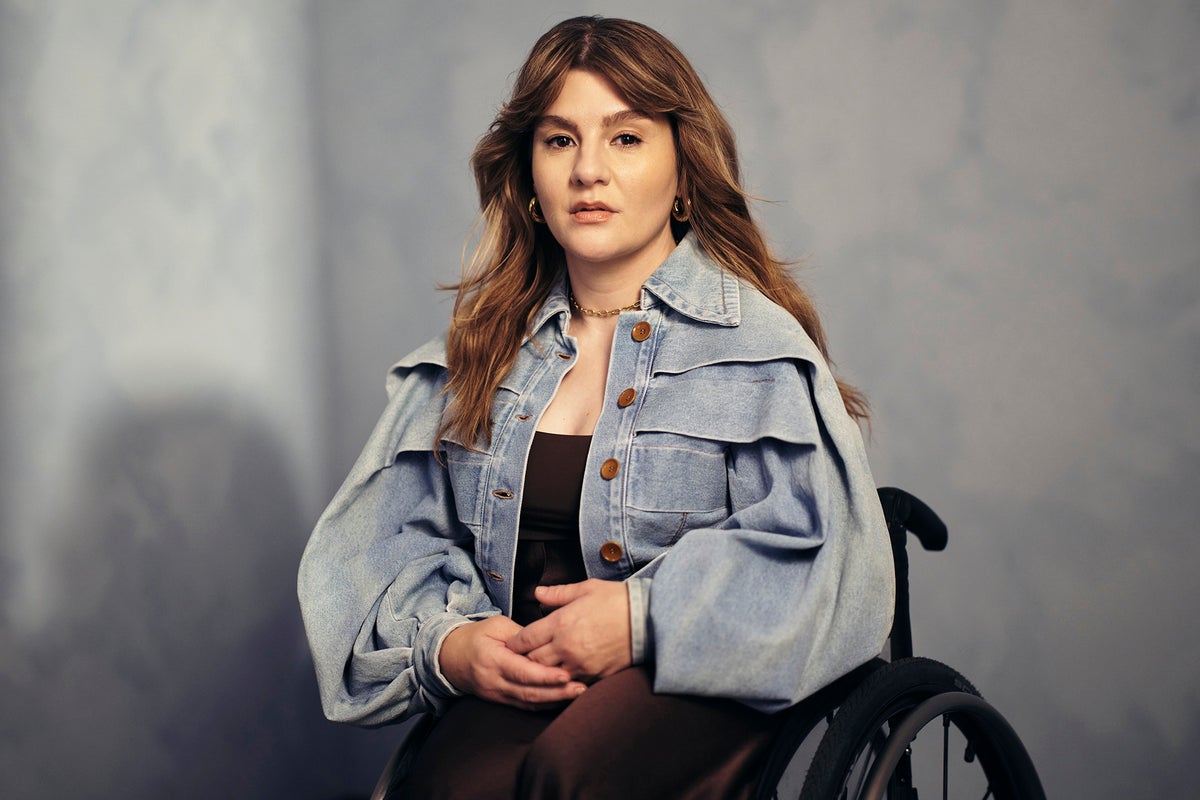
Тэр “Being Heumann” кинонд хөгжлийн бэрхшээлтэй иргэдийн эрхийн төлөө тэмцэгч Жуди Хьюманы дүрийг бүтээжээ.
39 настай жүжигчин Рут Мэдли Оскарын шагналт “CODA” киноны найруулагч Сиан Хедерийн “Being Heumann” бүтээлд тоглосон нь түүний Америк дахь анхны дүр юм. Кинонд Хьюман болон 100 орчим тэмцэгч 1977 онд Сан-Франциско дахь Холбооны барилгыг эзлэн сууж, ялгаварлан гадуурхалтын эсрэг арга хэмжээ удааширч байгааг эсэргүүцсэн үйл явдлыг өгүүлнэ. Марк Руффало Жимми Картерын засаг захиргааны төлөөлөгчийн дүрд тогложээ.
Мэдли Хьюманыг төгс хүнээр дүрслээгүй нь дүрд татагдсан гол шалтгаан гэж ярьсан байна. Түүний хэлснээр, хөгжлийн бэрхшээлтэй дүрүүдийг ихэвчлэн өө сэвгүй болгож, алдаа гаргах эсвэл дутагдалтай байх боломж олгодоггүй. Харин Хьюман тусламж авахын тулд бусдад заавал эелдэг байх ёсгүй хэмээн хэлдэг дүрээрээ энэ хэвшмэл хандлагаас ялгарна.
Мэдли өмнө нь “Then Barbara Met Alan”, “Don’t Take My Baby”, “Years and Years”, “The Rapture” зэрэг бүтээлд тоглож байсан бөгөөд “Don’t Take My Baby” киноны дүрээрээ BAFTA-д нэр дэвшжээ. “Being Heumann”-ы гол дүрийн 24-ийг хөгжлийн бэрхшээлтэй жүжигчид бүтээсэн бөгөөд зураг авалтын талбайг хүртээмжтэй, аюулгүй байхаар зохион байгуулж, туслах ажилтан, орчуулагч, налуу зам болон массажны үйлчилгээ бэлджээ. Тус кино Apple TV-ээр үзэгчдэд хүрч байна.
Дэлгэрэнгүй эх сурвалжийг харах
Эх сурвалжийг нээх ↓
Want to bookmark your favourite articles and stories to read or reference later? Start your Independent Membership today.
Already a member?
It was to The Bolton News, her local paper, that the actor Ruth Madeley gave her very first interview. She was just 12, so it was a very big deal. After being diagnosed shortly before her birth with spina bifida, a condition in which the spine and the spinal cord do not form properly, Madeley spent her childhood raising money for Whizz Kidz, Britain’s leading charity for young wheelchair users. Awarded a Princess Diana memorial trophy in 2000 for her work, she spoke about the importance of helping others.
“I like doing anything I can,” she explained back then. “Because giving something back makes you feel good, and it does something for somebody else.”
Quote this back to Madeley today, when she’s one of Britain’s most exciting actors, and she winces, her face suddenly flush with cringe. “OK, I admit that was a very sweet delivery,” she laughs. “But honestly I have the same message now. Whizz Kidz funded my first wheelchair when I was five years old, so I’ve always known the importance of giving back. And even in the industry I’m in now, a role isn’t just a role for me – I’m always thinking about the next person coming through, and making sure I’m not the last disabled person they ever hire.” She sighs, nostalgic. “So, yeah. Same sentiment. Bit less fluffy.”
Madeley, 39, is a real broad; a straight-shooter, a gas, and an advocate, who proudly declares that she was “born a fighter”. It’s something she has in common with the late American activist Judy Heumann, dubbed “the mother of the disability rights movement”, who Madeley plays in Being Heumann, an acclaimed new film from the Oscar-winning CODA director Sian Heder. Heumann, a tough-talking Brooklyn native, used a wheelchair after being diagnosed with polio at 18 months, and it was her relentless drive that led America to build curb ramps into pavements for wheelchair users, and open up widespread building access to disabled people once considered – grotesquely – to be fire hazards. Jobs opened up to disabled people because of Heumann, and her advocacy led to the end of formal discrimination against disabled people in the US.
Nine times out of 10, I’m the only wheelchair user on set, so you have to show up and be exceptional. You can never just be good
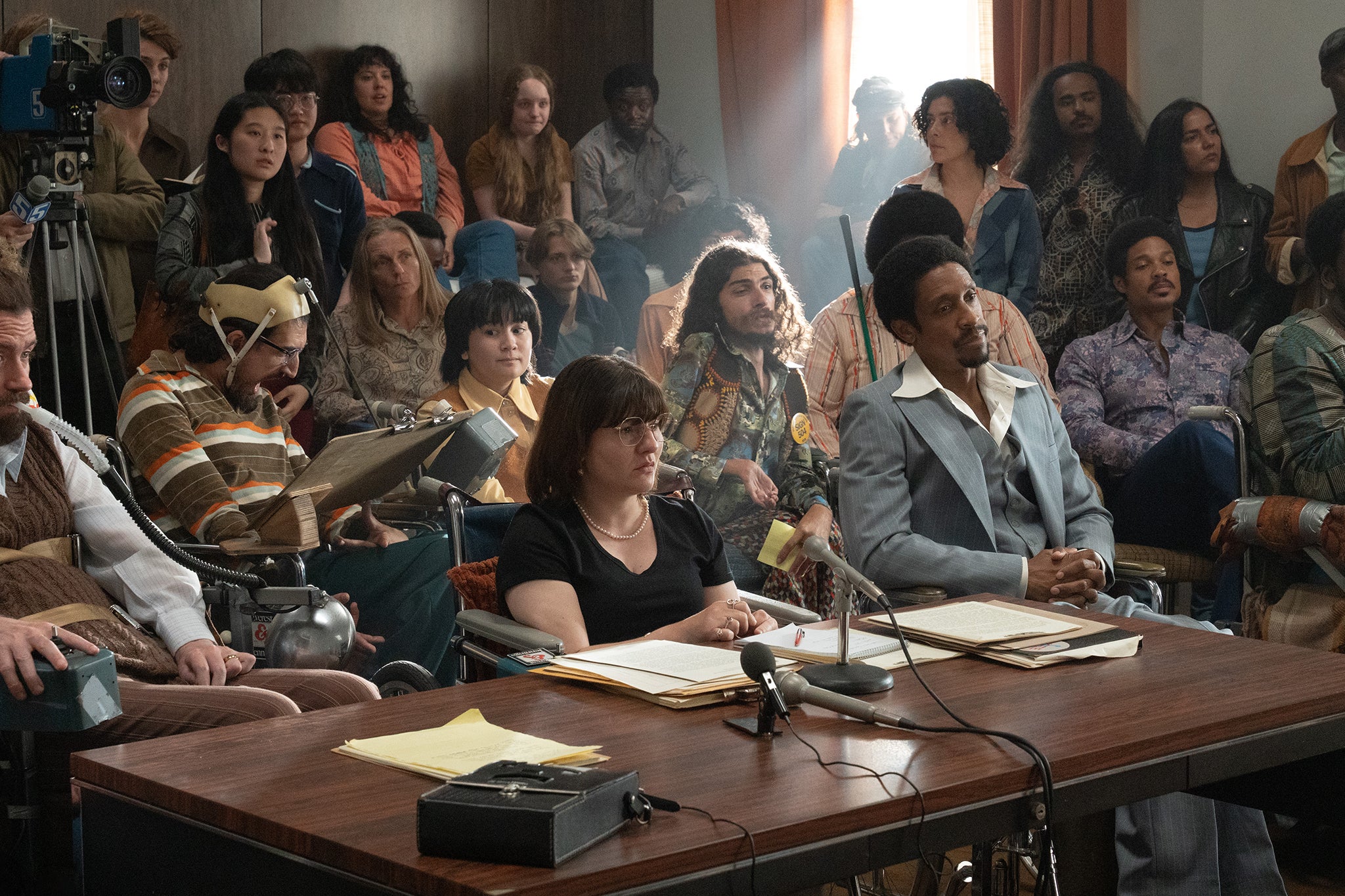
The film focuses on a particular flashpoint in Heumann’s political life, when she and 100 other activists – including allies from gay action groups and the Black Panthers – occupied the San Francisco Federal Building in 1977, in protest at the stalling of anti-discrimination efforts. Mark Ruffalo plays a Jimmy Carter official who at first resists Heumann’s work, before relenting. Heumann, after all, had a vigour in her that few could resist – if occasionally by force, if she found it necessary.
“She had an unwillingness to relent,” Madeley says. “She was never going to take no for an answer, and thank God she was like that. Judy had years and years of frustration and feelings of injustice and rage, and it just erupted in this moment in time where she stormed the building.”
Madeley is video-calling from a press junket in New York. She has a wonderfully mischievous Mancunian accent, which she kept hidden on the Being Heumann set, speaking exclusively in Noo Yoik Heumannese during production. “No one met Northern Ruth until we wrapped, then Liam Gallagher came out,” she laughs.
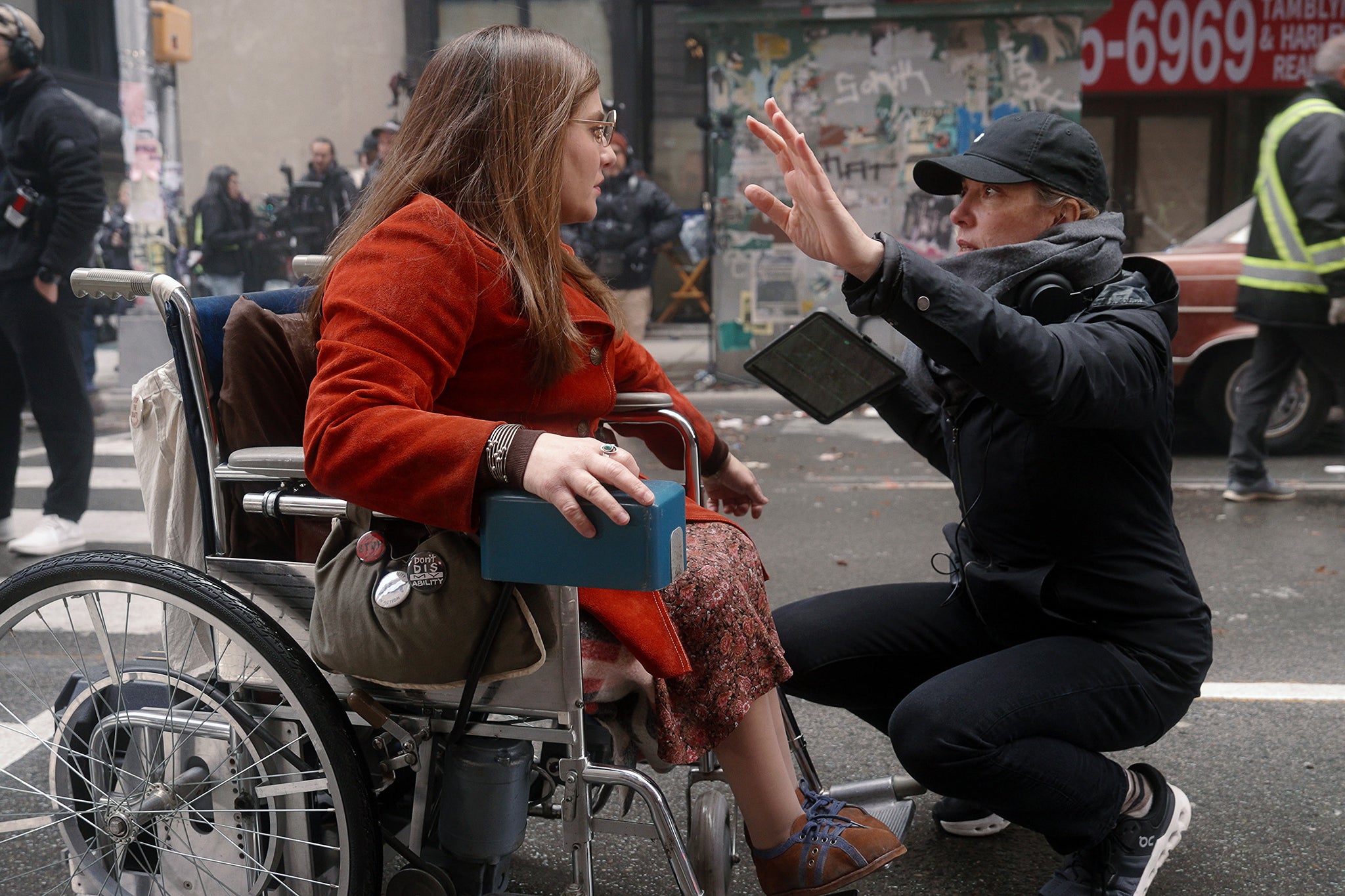
The film marks Madeley’s first American role, and a project that has put her on the international map after years on UK TV: she played the British disability rights activist Barbara Lisicki in the one-off drama Then Barbara Met Alan, was nominated for a Bafta for her role as a disabled mother fighting for custody of her child in Jack Thorne’s Don’t Take My Baby, played a struggling single mum in Russell T Davies’s Years and Years, and led this year’s BBC psycho-thriller The Rapture. Being Heumann, though, is a career-best showcase for her. Madeley gets to be tough, principled, sexy, and vulnerable – all the colours in her skillset that have been striving to get out. “I was really excited by the fact that Judy wasn’t perfect,” she says. “So often, disabled characters have their edges rounded off. They’re not allowed to be wrong, or flawed. This was the total opposite of that.” At one point Heumann remarks that she “shouldn’t have to be nice to people to have them help me”, and it’s hard to disagree with her. Did Heumann know quite how radical she was being?

Watch Apple TV free for 7 day
New subscribers only. £9.99/mo. after free trial.
Plan auto-renews until cancelled.
ADVERTISEMENT. If you sign up to this service we will earn commission. This revenue helps to fund journalism across The Independent.
“I remember asking the same question to Sian,” she says. Madeley recalls being told that some of Heumann’s fellow protestors were actually a bit frightened of her. “During the sit-in, she would literally pin them up against the wall to stop them from leaving. But she couldn’t fathom that anyone would be intimidated by her because she was so used to the world telling her that she was small. She didn’t realise what power she had.”
Madeley was born to a nurse mum and a customer services rep dad, and remembers watching her parents advocating for access and opportunity for her from an early age. “I realised quickly that everything involves planning,” she says. “There’s no such thing as a spontaneous trip, you know?” She was inherently tenacious, too, serving as an ambassador for Whizz Kidz from the age of 12, and advocating for better NHS wheelchairs in Downing Street at the age of 13. Learning about the disability advocates that came before her, though, was always a challenge.
“People aren’t taught about any of that in schools,” she says. “But when you grow up with a disability, you become very aware that things aren’t given. You have this ingrained awareness that the world isn’t built for you, and that you access things differently to your friends.” Madeley went to a mainstream school, so experienced no special treatment unless it was fought for. “I was always the one who looked different,” she remembers. “And if you want to learn about figures like Barbara Lisicki, there was never much readily available without going digging for it.”
At 18 she studied scriptwriting at Edge Hill University, then did work experience in the script department of a CBBC show called Half Moon Investigation. She learnt that they were casting for the role of a wheelchair user, and gleefully submitted herself. “I’ve always been unashamedly ambitious, and I’ve always had incredibly high goals,” she says. “I think I’ve been that way since the day I arrived on this planet.”
She got the role, which gave her the acting bug. Within a few years she was a TV regular, appearing on shows like Outnumbered and Fresh Meat while working full-time as a fundraiser at Whizz Kids. After Years & Years in 2019, though, her manager convinced her to stop seeing acting as a side hustle and instead her full-time profession. She’s since become the busiest and most high-profile disabled actor in the industry, but admits that it’s a strange cross to bear. “Nine times out of 10, I’m the only wheelchair user on set, so you have to show up and be exceptional,” she says. “You can never just be good.” As a result, she is often pestered with questions by producers and crew members, as if she’s the de facto spokesperson for how to create an inclusive set. “You have to take on this role of teacher, educator, and disability consultant,” she says, raising her eyebrow. “All of which I’m not paid for.”
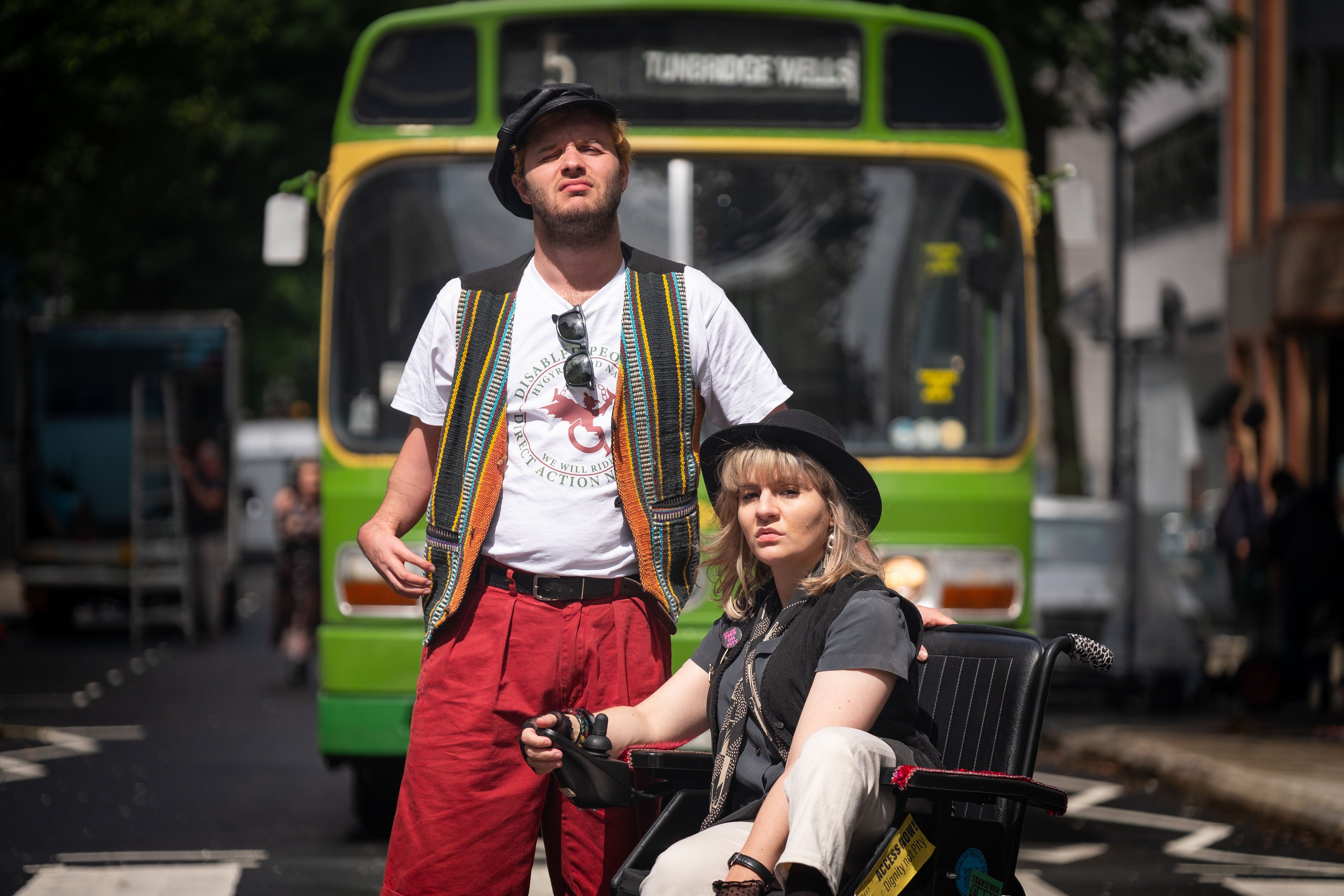
Did she ever resent it? “A bit, at the start of my career,” she says. “But as I’ve gotten older I’ve realised that actually it’s vital. What a privilege to be in a position of making sure the next person coming in doesn’t have to do all that teacher nonsense.” On a set now, she says, she’s happy to advocate for the use of access teams and coordinators, because she knows it’ll make a difference in the long run. But Being Heumann had everything in place already – there are a total of 24 principal roles in the film filled by actors with disabilities, along with a raft of disabled background actors, and the set was built to be inclusive and safe for all involved, with aides, translators, ramps and even massage therapists on hand for every potential requirement. “You don’t realise how heavy that teacher role is until you don’t have to carry it anymore,” Madeley says. “This set felt revolutionary, but it shouldn’t feel that way at all. We filmed this in 2025 – why on earth is something like this still revolutionary?”
Madeley doesn’t know what will happen to her career over the next few months, but is conscious that Apple is pulling out all the stops to get Being Heumann seen – and potentially ride a wave of acclaim through the forthcoming awards season. She hopes, like Heumann did, that it makes a bigger difference, too. “Before she died [in 2023), Judy said that Hollywood was her next mission,” Madeley explains. “She couldn’t understand why this huge, shiny, beautiful industry wasn’t accessible for disabled people. So I feel very much like I’m taking her with me as I continue to tackle that myself.”
She admits her professional goals are sky-high. “As an actor, I am going to tackle America,” she laughs. “Plus we’re making sure they’re putting up lots of ramps everywhere now, so I ain’t leaving.”
‘Being Heumann’ is streaming on Apple TV

