ESA-гийн хоёр судалгааны аппарат Будыг ойроос судлах ажлаа эхлүүлэхээр төлөвлөж байна.
ESA-гийн BepiColombo хөтөлбөрийн Mercury Planetary Orbiter болон Mercury Magnetospheric Orbiter аппаратыг Будын тойрог замд оруулах ажиллагаа 2026 оны арваннэгдүгээр сарын 21-нд 18:24 UTC-д товлогджээ. Ингэснээр NASA-гийн MESSENGER аппарат 2015 онд ажиллагаагаа дуусгаснаас хойш Будыг ойроос судлах анхны боломж бүрдэх юм.
BepiColombo 2018 оны аравдугаар сарын 20-нд Францын Гвиан дахь Куру хөөргөх төвөөс хөөрсөн бөгөөд Буд хүрэх замдаа найман жил маневр хийжээ. Нарны таталцлын нөлөөгөөр ойртох тусам аппаратын хурд нэмэгддэг тул Будын хажуугаар өнгөрөхгүйгээр тойрог замд нь орохын тулд хурдаа сааруулах шаардлагатай байв. Энэ зорилгоор Дэлхийг нэг, Сугарыг хоёр, Будыг зургаан удаа дайран өнгөрсөн байна.
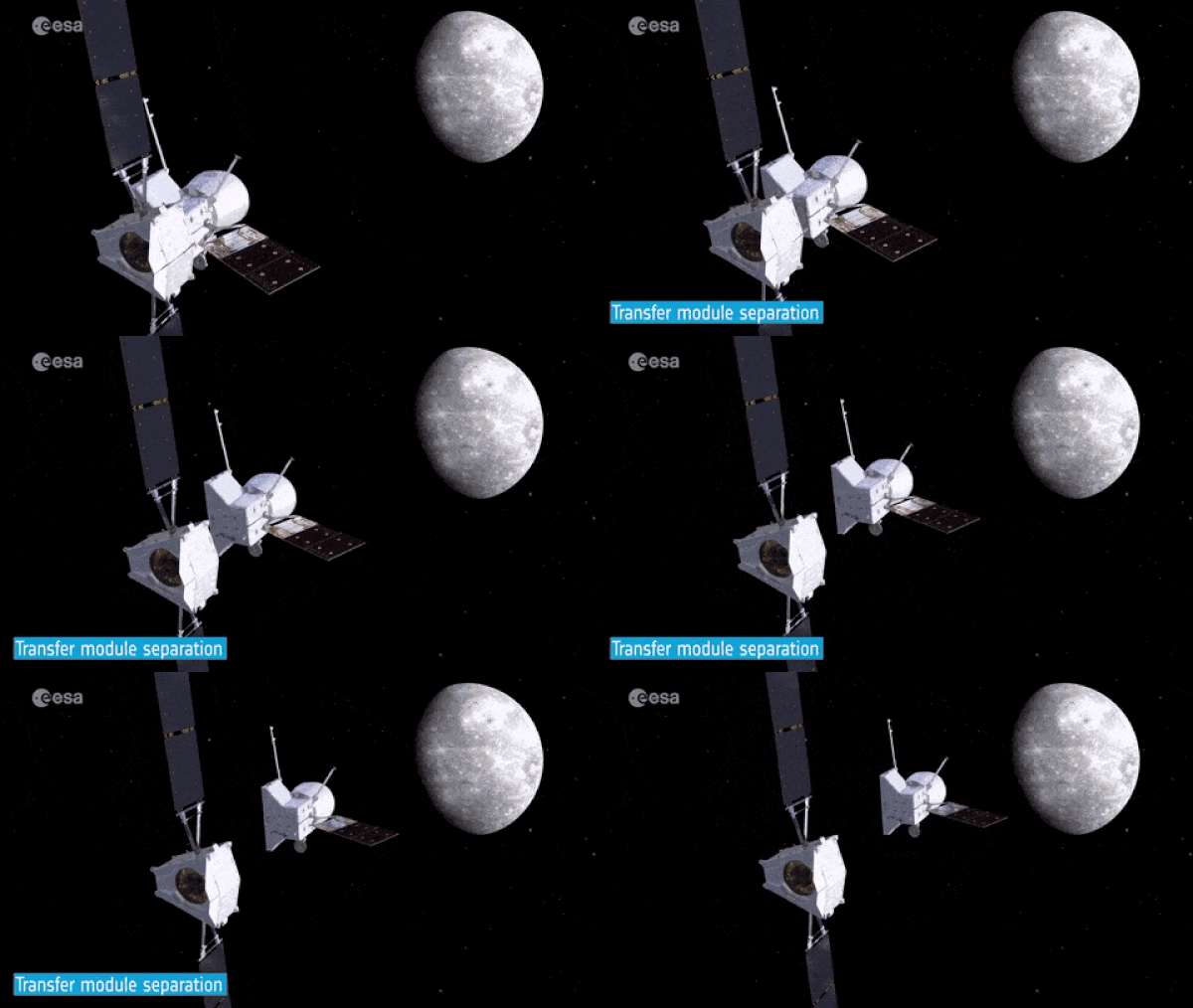
ESA-гийн мэдээлснээр, 2026 оны есдүгээр сарын 3-нд хөдөлгүүрийн үүрэгтэй Mercury Transfer Module хоёр судалгааны аппаратаас салжээ. Хоёр аппарат 2026 оны арванхоёрдугаар сарын 9–10-нд бие биеэсээ салж, шинжлэх ухааны ажиллагаагаа 2027 оны дөрөвдүгээр сард эхлүүлэхээр төлөвлөсөн байна.
Буд нь нарны аймгийн дотоод гарагуудаас хамгийн бага судлагдсан бөгөөд BepiColombo-оос өмнө NASA-гийн Mariner 10, MESSENGER аппаратууд л тэнд хүрч байв. Шинэ хөтөлбөр дор хаяж нэг жил тойрог замд ажиллаж, гадаргын эрдэс болон элементийн найрлагыг өндөр нарийвчлалтай судлан, туйлын бүсүүдээс мөс хайна. Мөн өмнөх ажиглалтаас хойш гарагт өөрчлөлт гарсан эсэх, соронзон орон нь хэрхэн өөрчлөгдөж Нартай харилцан үйлчилдгийг шинжлэх юм.
Дэлгэрэнгүйг эх сурвалжаас харах
Эх сурвалжийг нээх ↓
A new mission to Mercury, BepiColombo, will send its 2 spacecraft into orbit around Mercury on November 21, 2026. BepiColombo launched in 2018. Why has it taken 8 years to get to Mercury? EarthSky’s Will Triggs explains.
BepiColombo mission to go into orbit around Mercury today
The two science orbiters in the European Space Agency’s Bepicolombo mission will go into orbit around Mercury at at 12:24 CST (18:24 UTC) today (November 21, 2026). They’ll provide our first closeup look at the sun’s innermost planet since NASA’s MESSENGER spacecraft — previously the first and only craft ever to orbit Mercury — ended its mission in 2015.
Bepicolombo launched to space way back on October 20, 2018, from Kourou, French Guiana. The spacecraft spent eight years maneuvering into position so that it can orbit Mercury, the closest planet to the sun. Orbiting Mercury is a true engineering challenge, because the spacecraft picks up speed as it nears the massive sun. So Bepicolombo had to slow down to enter Mercury’s orbit and not fly straight past the planet.
During its eight-year journey toward our sun’s innermost planet, BepiColombo made flybys — designed to help it hit the brakes — of Earth, Venus and Mercury itself. On September 3, 2026, ESA said that Bepicolombo’s Mercury Transfer Module (the spacecraft’s propulsion unit) had successfully separated from the two science orbiters. Those orbiters are called the Mercury Planetary Orbiter and Mercury Magnetospheric Orbiter. That was a crucial step in enabling them to enter orbit around a planet so near our local star. The two orbiters will separate from each other on December 9-10, 2026. Science operations will begin in April 2027.
For mission updates, follow ESA Operations on Bluesky.
BepiColombo’s flybys
BepiColombo has made one Earth flyby, two Venus flybys, and six Mercury flybys since its launch in 2018. Click the links below to learn more about the flybys.
April 10, 2020: 1st Earth flyby
October 15, 2020: 1st Venus flyby
August 10, 2021: 2nd Venus flyby
October 1, 2021: 1st Mercury flyby
June 23, 2022: 2nd Mercury flyby
June 20, 2023: 3rd Mercury flyby
September 4, 2024: 4th Mercury flyby
December 1, 2024: 5th Mercury flyby
January 8, 2025: 6th Mercury flyby
What scientists hope to learn at Mercury
Mercury is currently the least-understood planet in the inner solar system. In fact, before BepiColombo, the only spacecraft to have visited Mercury were NASA’s Mariner 10 and MESSENGER missions.
Now, scientists hope to solve five mysteries with BepiColombo:
- Where did Mercury come from?
- Is there really water on Mercury?
- Is Mercury dead or alive?
- Why is Mercury so dark?
- Why does Mercury have a magnetic field?
To answer these questions, BepiColombo will spend at least one year orbiting Mercury. The mission will use its high-resolution instruments to learn about the mineralogical and elemental composition of Mercury’s surface. Plus, it will scan polar regions for ice. BepiColombo will look for anything that looks like it has changed on Mercury since MESSENGER visited 10 years earlier. And the two orbiters will travel through different areas of the planet’s magnetosphere to measure how it changes and interacts with the sun.
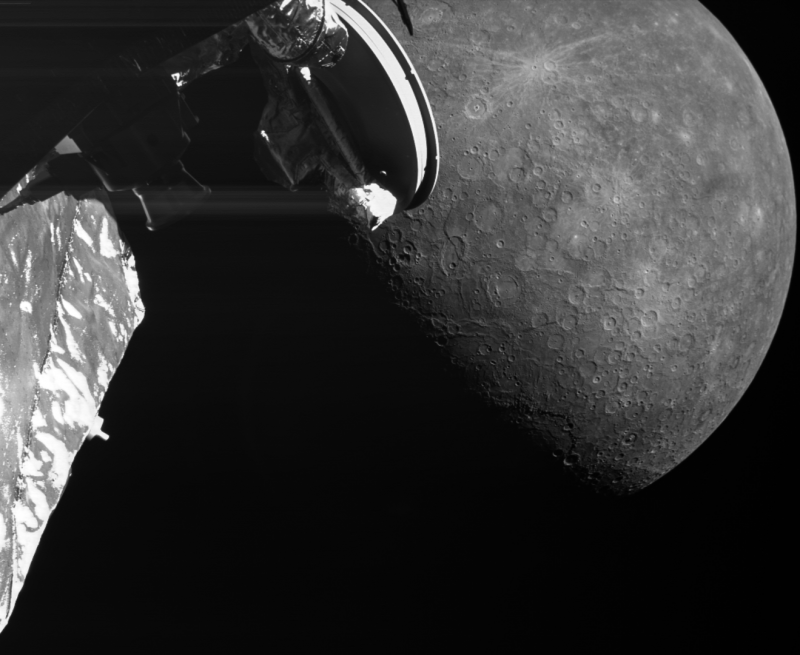
Bottom line: The BepiColombo mission has been maneuvering its way into orbit around Mercury for eight years. On November 21, the two spacecraft will finally enter orbit around Mercury.
Read more: Mercury images from final flyby of BepiColombo!
Read more: Mercury lives on? Strange streaks hint at active world

