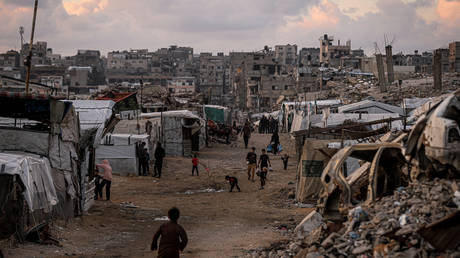
Олон улсын тусламжийн Oxfam болон “Conflict and Environment Observatory” байгууллагын хамтарсан тайланд дурдсанаар, Израилийн цэргийн ажиллагааны улмаас Газын зурвасын нутаг дэвсгэрийн 99 хувь нь байгаль орчны бохирдолд өртсөн байна.
Даваа гарагт нийтлэгдсэн уг тайланд Израилийн цэргийн хүчин их хэмжээний тэсрэх бодис болон шатаагч зэвсэг ашигласны улмаас үүссэн хорт тоос, химийн үлдэгдэл нь иргэдийн эрүүл мэндэд олон арван жилийн турш аюул учруулж болзошгүйг анхааруулжээ. Мөн бохир ус цэвэрлэх байгууламжууд бүрэн сүйрч, ариутгах татуургын станцуудын 20 хүрэхгүй хувь нь ажиллаж байгаагаас өдөрт 40,000 шоо метр бохир ус Газар дундын тэнгист цутгаж байна. Долдугаар сард хийсэн шинжилгээгээр гүний усны дээжүүдийн 19 хувьд нь ялгадсын бохирдол илэрчээ.
Газа хот, Хан-Юнис, Рафах болон Жабалия хотууд хамгийн эрсдэлтэй бүсэд тооцогдож байгааг судлаачид онцолсон байна. Салхи болон усны урсгалаар дамжин бохирдуулагч бодис нь шууд цэргийн ажиллагаанд өртөөгүй Аль-Маваси зэрэг дүрвэгсдийн хоргодох байр бүхий бүс нутгуудад хүрэх аюултай байна. Түүнчлэн барилгын нурангид агуулагдах асбест зэрэг хорт бодисууд агаарт дэгдэх эрсдэл өндөр байгааг судалгааны баг санууллаа.
2023 оны аравдугаар сарын 7-нд эхэлсэн мөргөлдөөний улмаас Газын зурваст 74,700 гаруй палестин хүн амиа алдаж, 176,000 гаруй хүн шархадсан гэж Газын Эрүүл мэндийн яам мэдээлжээ. НҮБ-ын хиймэл дагуулын мэдээллээр зургадугаар сарын байдлаар тус бүс нутгийн барилга байгууламжийн 82 хувь нь эвдэрч сүйдсэн байна. Oxfam байгууллагын тэргүүн Амитаб Бехар энэхүү сүйрлийг “байгаль орчны дайны гэмт хэрэг” хэмээн тодорхойлсон бол Израиль улс уг ажиллагаа нь Hamas-ыг устгах зорилготой гэж мэдэгдсээр байна.
Дэлгэрэнгүйг эх сурвалжаас харах
↓Эх сурвалжийг нээх ↓
Researchers found signs of possible contamination across more than 99% of the Palestinian enclave
More than 99% of Gaza shows signs of possible environmental contamination from Israel’s military offensive, according to a new joint report by the international aid group Oxfam and the Conflict and Environment Observatory.
The groups warned on Monday that Israel’s extensive use of explosives and incendiary weapons left behind toxic dust and chemical residues that could threaten Palestinians’ health for decades.
The damage to sewage systems has added to the danger as Israel’s offensive destroyed all six of Gaza’s wastewater treatment plants, while fewer than one in five sewage pumping stations is still operational, the report said. The authors estimated that around 40,000 cubic meters of raw sewage flow into the Mediterranean each day. Tests in July also found signs of fecal contamination in 19% of the 79 groundwater wells sampled.
The report identified Gaza City, Khan Younis, Rafah, and Jabalia as among the areas at greatest risk. It also warned that wind and water can carry pollutants into coastal areas that came under less direct attack, including Al Mawasi, where many displaced Palestinians have taken shelter.
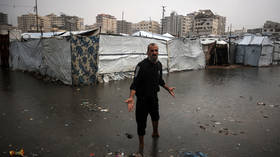
Wind, traffic, and rubble clearance can also send contaminated dust containing asbestos and other pollutants back into the air. The researchers also warned that other contaminants could linger in some soils and make crops unsafe when farming resumes.
The researchers used satellite images and other available data to map the wider risks, saying Israeli restrictions on access and testing equipment prevented a full assessment on the ground.
Israel launched its offensive after the Hamas-led attack of October 7, 2023. More than 74,700 Palestinians have been killed and over 176,000 injured in Gaza since then, according to figures from Gaza’s Health Ministry. Additionally, more than 1.9 million Palestinians have been displaced within the territory. UN satellite analysis also found that 82% of Gaza’s structures had been damaged or destroyed by June.
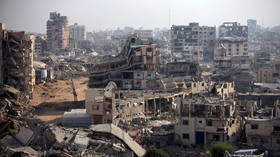
Oxfam chief Amitabh Behar described the damage to Gaza’s environment as part of what he called Israel’s ongoing genocide and characterized the assaults on the environment as “environmental war crimes.” Israel has repeatedly rejected accusations of genocide, arguing its campaign was aimed at dismantling Hamas.
The scale of the destruction in Gaza also puts into question the luxury development envisioned by US President Donald Trump, who has described Gaza as a “big real estate site.” He previously proposed turning the strip into the “Riviera of the Middle East” under US control with Palestinians resettled elsewhere. Israeli Prime Minister Benjamin Netanyahu has eagerly welcomed the idea.
However, Trump’s pitch has been met with outrage from Palestinian leaders, Arab governments, the UN, and international groups including Oxfam. They have ruled out any schemes that would put Gaza’s reconstruction in the hands of foreign investors, insisting that the people who lost their homes and livelihoods to Israeli bombardment should decide how Gaza is rebuilt.
You can share this story on social media: