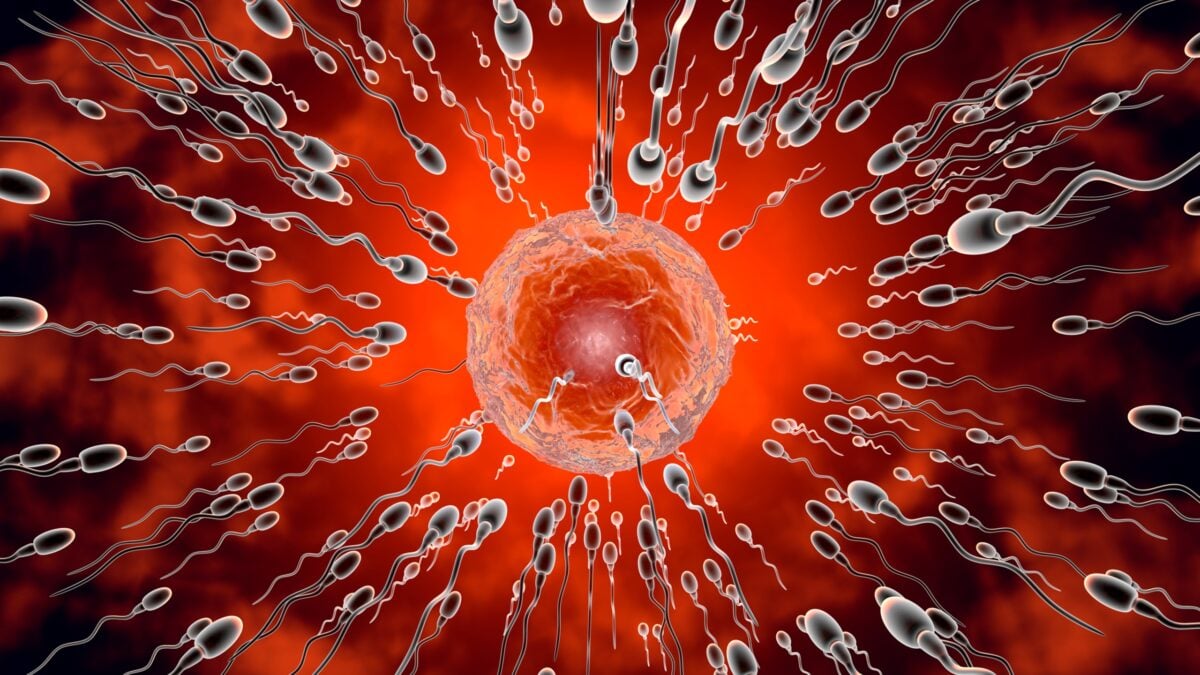
Шинэ судалгаагаар 1996–2022 онд Данийн залуу эрчүүдийн эр бэлгийн эсийн үзүүлэлт огцом буураагүй, зарим талаар бага зэрэг сайжирсан шинж ажиглагджээ.
Данид цэргийн албанд тэнцэх эсэхийг үнэлүүлсэн 8,320 эрэгтэйн мэдээллийг хамруулсан судалгаагаар сүүлийн 26 жилд эр бэлгийн эсийн тоо харьцангуй тогтвортой байжээ. Судалгааны үр дүнг Andrology сэтгүүлд нийтэлсэн байна.
Гэхдээ оролцогчдын гуравны нэгээс илүү нь үрийн шингэний чанарын дор хаяж нэг үзүүлэлтээр үргүйдлийн эрсдэл нэмэгдэх босгоос доогуур байв. Сүүлийн жилүүдэд бага зэрэг ахиц гарсан ч одоогийн үзүүлэлт анхаарал татахуйц хэвээр бөгөөд 50–80 жилийн өмнөхөөс доогуур гэж судлаачид тэмдэглэжээ.
2022 оны олон улсын мета-анализад 1973–2018 оны мэдээллийг нэгтгэхэд эр бэлгийн эсийн концентраци 50 гаруй хувиар, нийт тоо 60 гаруй хувиар буурсан гэж дүгнэсэн. Бууралт Хойд болон Өмнөд Америк, Төв Америк, Европ, Австрали, Ази, Африкт ажиглагдсан ч хэмжээ нь харилцан адилгүй байжээ. Данийн шинэ үр дүн энэ судалгаатай заавал зөрчилдөхгүй бөгөөд зарим бүс нутагт үзүүлэлт тогтворжиж байж болохыг харуулна.
Гэвч дэлхийн хэмжээнд бууралт болсон эсэх асуудал маргаантай хэвээр байна. Өмнөх үеийн хэмжилтийн арга, багаж хэрэгсэл өнөөгийнхөөс өөр байсан бөгөөд эр бэлгийн эс тоолох нь өөрөө хүндрэлтэй тул цаг хугацааны явц дахь өөрчлөлтийг биологийн өөрчлөлтөөс ялгахад бэрх гэж зарим судлаач үздэг. Мөн үрийн шингэний үзүүлэлтийн өөрчлөлт бүр эмнэлзүйн ач холбогдолтой гэсэн үг биш ч эр бэлгийн эсийн тоо, хэлбэр, хөдөлгөөн нь түүний үйл ажиллагааны талаар мэдээлэл өгдөг.
Дэлгэрэнгүйг эх сурвалжаас харах
↓Эх сурвалжийг нээх ↓
Human sperm counts may not be on a precipitous global decline after all.
A new study from one of the same scientists who helped document a worldwide decline in 2022 has now provided a more nuanced and hopeful perspective.
In Denmark at least, evidence suggests that sperm counts are no longer plummeting among young men.
In fact, from 1996 to 2022, sperm counts in this nation have remained relatively stable.
Among a sample of 8,320 men, assessed for military service over the past 26 years, there are even signs of modest improvement.
The findings, published in Andrology, suggest that there may be geographical differences in modern sperm count trends.
“The most recent data presented here allow for some optimism, as all semen parameters show higher levels than observed at the beginning of the study period more than 20 years ago,” the research team concludes.
That said, a large proportion of the men had impaired semen quality. In total, more than a third had at least one measure of semen quality below the threshold associated with an increased risk of infertility.
“Irrespective of the modest increase in semen quality [in] the recent years, the current level is still a matter of concern,” researchers add.
“First, because of the high number of men with low semen quality. Second, because the current level is much lower than 50 to 80 years earlier.”
But not all scientists are convinced of this longer-term pattern.
The concern over global sperm counts first began in 1992, when a landmark study was published in the British Medical Journal that reported a 42 percent decline in sperm concentrations among men since 1940.
The findings were based on data from 61 studies around the world, and they sparked global concern over a hidden fertility crisis.
Were men’s sperm counts plummeting worldwide without us realizing?
For decades now, scientists have investigated and debated that controversial question.
Some studies have only found this trend in Western nations, and skeptics have argued that the way we measure sperm is too inconsistent to draw firm conclusions over the decades.
In 2022, however, international researchers led the largest meta-analysis of its kind.
In pooled global data, they found that between 1973 and 2018, sperm concentrations had declined by more than 50 percent, and total sperm count had declined by more than 60 percent.
Even when broken down by geographic region, sperm count declines were apparent in North America, Europe, Australia, South America, Central America, Asia, and Africa – albeit to different extents.
The recent study from Denmark adds yet another wrinkle, though it doesn’t necessarily contradict these past results.
A global decline in sperm counts could still be occurring, the authors note, but the results suggest that in some regions sperm counts may be stabilizing.
Reproductive scientist Michael Carroll, who was not involved in the recent study, wrote a piece for The Conversation about the recent findings.
“These studies suggest that trends in semen quality can vary considerably between populations and regions,” explained Carroll.
“And this means that the question of whether sperm counts are declining globally is far from settled.”
Carroll isn’t the only skeptic.
In 2022, andrologist Allan Pacey, from the University of Sheffield, argued in an independent comment to the Science Media Centre that “whether or not human sperm counts have and are falling is a really important question that we haven’t got to grips with in a serious way in my opinion.”
While Pacey thought the authors of the 2022 study “conducted a very elegant meta-analysis”, he said he remains concerned about the quality of the data in the papers that were published decades ago.
“Counting sperm, even with the gold standard technique of haemocytometry, is really difficult,” Pacey argued in 2022.
“I believe that over time we have simply got better at it because of the development of training and quality control programs around the world. I still think this is much of what we are seeing in the data.
Michael Dahan, a physician and fertility specialist at McGill University in Canada, tends to agree with Pacey.
Earlier this year, he penned a scientific perspective for Reproductive BioMedicine Online that argued the evidence for global sperm declines is “substantially weaker than its prominence in the literature suggests.”
“The central thesis of this argument is straightforward,” Dahan argued, “if the instruments and methods used to measure sperm parameters have changed substantially over the study period, and they have, then longitudinal comparisons of the resulting data will conflate technical evolution with biological change.”
In other words, can we trust sperm measurements from 50 to 80 years ago? And can those results really be compared to modern techniques?
While the fear is that male fertility may be suffering, it’s also worth noting that changes to sperm may not be clinically meaningful.
The shape of sperm, the number of sperm, and the movements of sperm can all help indicate how healthy and functional they are, but even an imperfect germ cell can end up fertilizing an egg.
“The evidence doesn’t support the idea that humanity is about to disappear because we’re running out of sperm,” wrote Carroll for The Conversation.
“The dramatic headlines may have overstated the science. What they achieved, however, was to shine a much-needed light on male fertility, and that is a conversation worth having.”
The research has been published in Andrology.
This article was fact-checked by Fiona MacDonald and edited by Fiona MacDonald. While we pride ourselves on our process, we are only human. If you spot a mistake, please let us know.

