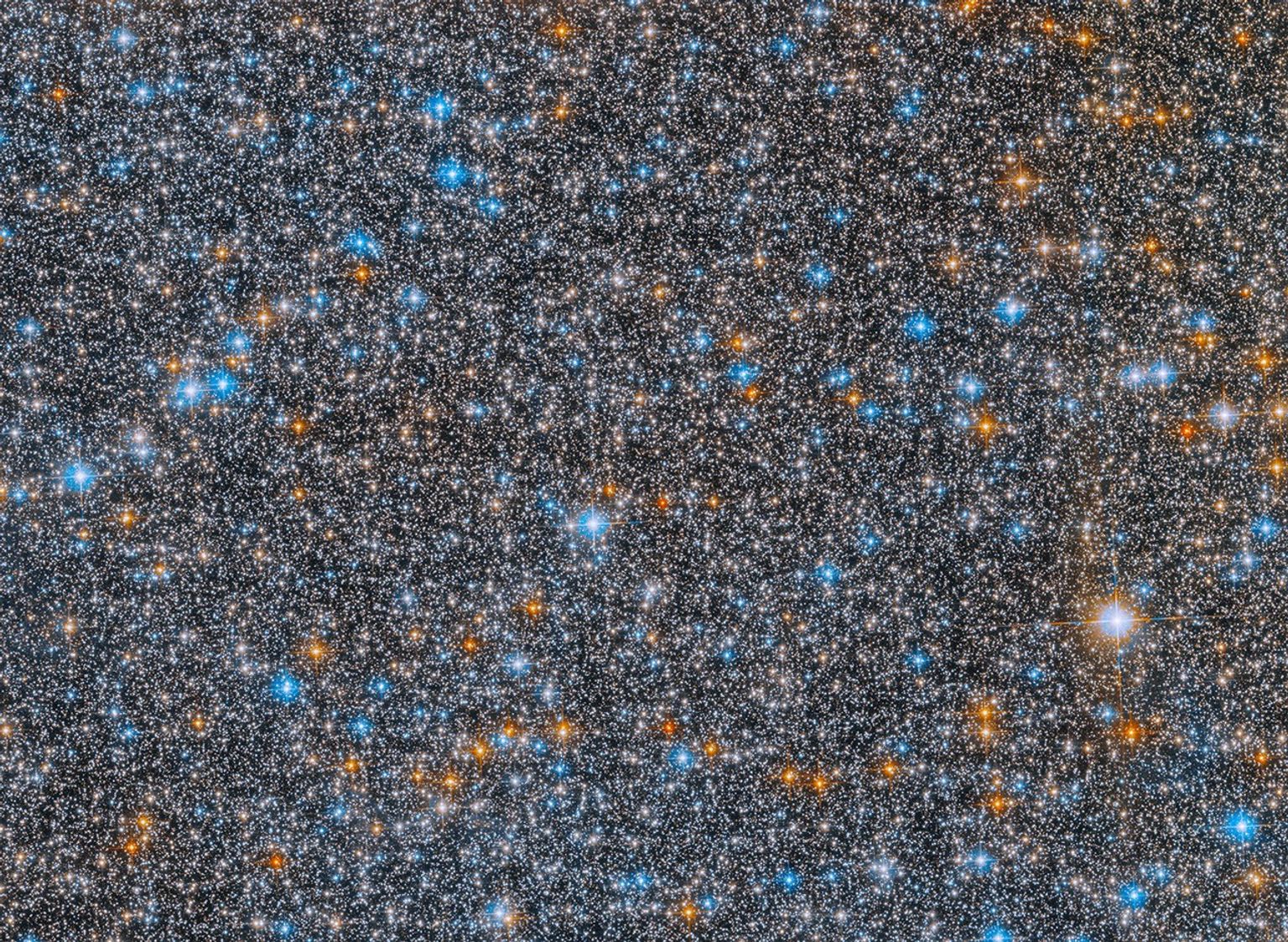
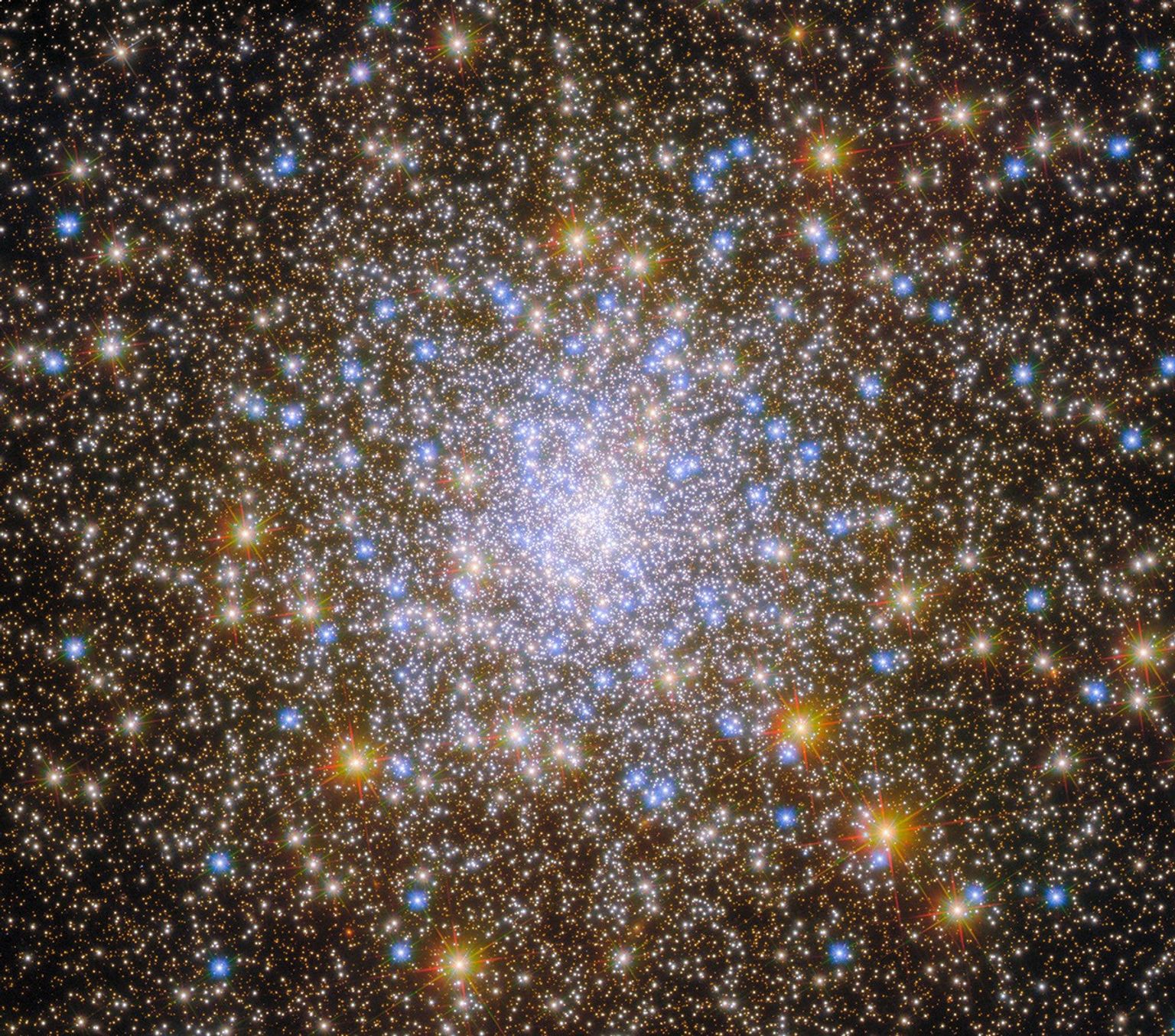
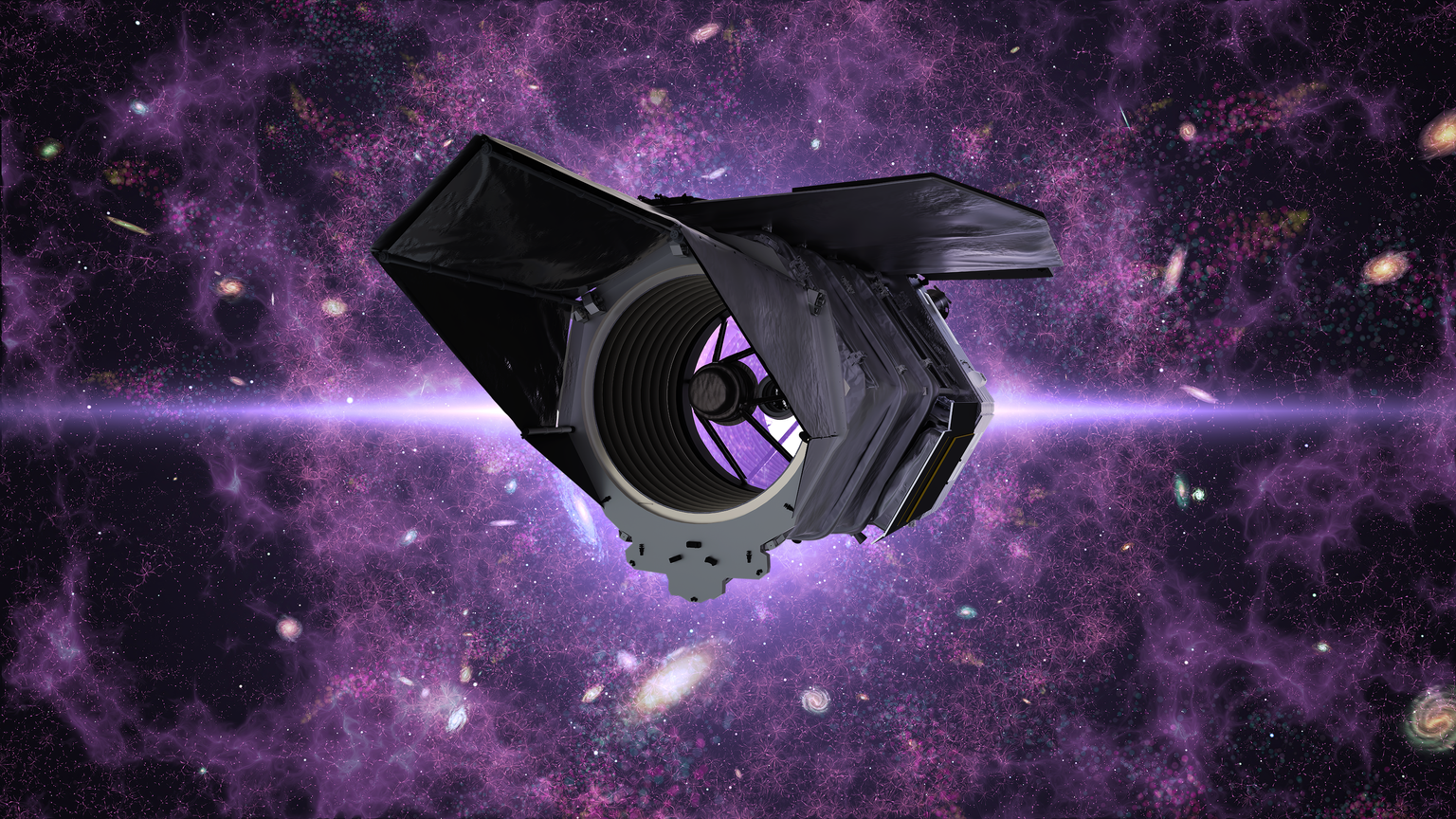
NASA-гийн Хаббл дуран авай манай галактикийн төв хэсэгт орших одод нягт суурьшсан бүс нутгийг өндөр нарийвчлалтайгаар дүрсэлж, ирээдүйд хөөргөх Нэнси Грэйс Романы нэрэмжит сансрын дуран авайд шаардлагатай чухал мэдээллийг цуглуулж байна.
Сүүн зам галактикийн төв хэсгийн бөмбөлөг хэлбэртэй бүс нутагт галактикийн нийт оддын массын дөрөвний нэг орчим нь төвлөрдөг. Энэхүү бүс нутаг нь манай дэлхийд харьцангуй ойрхон байрладаг тул одон орон судлаачид галактикийн хувьсал, оддын үүсэл болон хар нүхний байршлыг нарийвчлан судлах боломжтой юм. Гэсэн хэдий ч одод хэт нягт байрладаг тул тэдгээрийг тус бүрээр нь ялган харахад бэрхшээлтэй байдаг байна.
Хаббл дуран авай нь хэт ягаан туяа, харагдах гэрэл болон хэт улаан туяаны мужид ажиглалт хийдэг бол Романы нэрэмжит дуран авай нь голчлон хэт улаан туяаны мужид ажиллах юм. Тиймээс эрдэмтэд хоёр дуран авайг хооронд нь харьцуулан судлахын тулд Хабблыг Романы мэдрэгчтэй ижил буюу улаан болон хэт улаан туяаны мужид ажиглалт хийлгэжээ. Энэхүү өндөр нарийвчлалтай өгөгдөл нь оддын хурц тод байдал, нас, бүтэц, хөдөлгөөнийг тодорхойлоход тусална.
Энэхүү судалгааны гол зорилго нь Романы нэрэмжит дуран авайгаар экзопланет буюу нарны аймгийн гаднах гарагуудыг илрүүлэхэд оршино. Романы дуран авай нь “микролензинг” хэмээх таталцлын линзлэх үзэгдлийг ашиглан алс холын одыг илүү ойрын биетээр дамжуулан томруулж харснаар тухайн одны эргэн тойронд гараг байгаа эсэхийг илрүүлэх юм. Хабблын одоо хийж буй ажиглалт нь эдгээр оддыг линзлэх үзэгдэл тохиохоос өмнө бүртгэж, хожим Романы цуглуулах мэдээлэлтэй харьцуулан тайлахад чухал үүрэг гүйцэтгэнэ.
Хаббл нь өмнө нь WFC3 Galactic Bulge Treasury Program болон SWEEPS зэрэг хөтөлбөрүүдээр дамжуулан энэ бүс нутгийн 180,000 орчим оддыг судалж байсан түүхтэй. Одоогийн хөтөлбөр нь С.Терригийн удирдлага дор хийгдэж байгаа бөгөөд галактикийн төв хэсэгт орших нейтрон од, хар нүх болон экзопланетуудыг илрүүлэх судалгааны ажлыг үргэлжлүүлж байна.
Дэлгэрэнгүйг эх сурвалжаас харах
Эх сурвалжийг нээх ↓
Credits:
NASA, ESA, and S. Terry (University of Maryland); Image Processing: G. Kober (NASA/Catholic University of America)
An expanse of stars gleams in a rainbow of colors in these NASA Hubble Space Telescope images of the Milky Way. The images focus on an area of sky toward the galactic bulge, a densely packed, spherical region of stars that surrounds the center of a galaxy’s disk. These Hubble observations are part of a survey that will help researchers better interpret upcoming Nancy Grace Roman Space Telescope observations as they seek to characterize the stars and search for exoplanets in this busy region of our galaxy.
Astronomers study the Milky Way’s galactic bulge because it holds nearly a quarter of the galaxy’s stellar mass, and its proximity allows them to examine the region in greater detail. Although we can see the glow from these crowded spheres of stars in other galaxies, they are too jam-packed and far away to resolve individual stars. By studying the Milky Way’s galactic bulge, researchers hope to find new planets and better understand how galaxies form, evolve, and interact over billions of years.
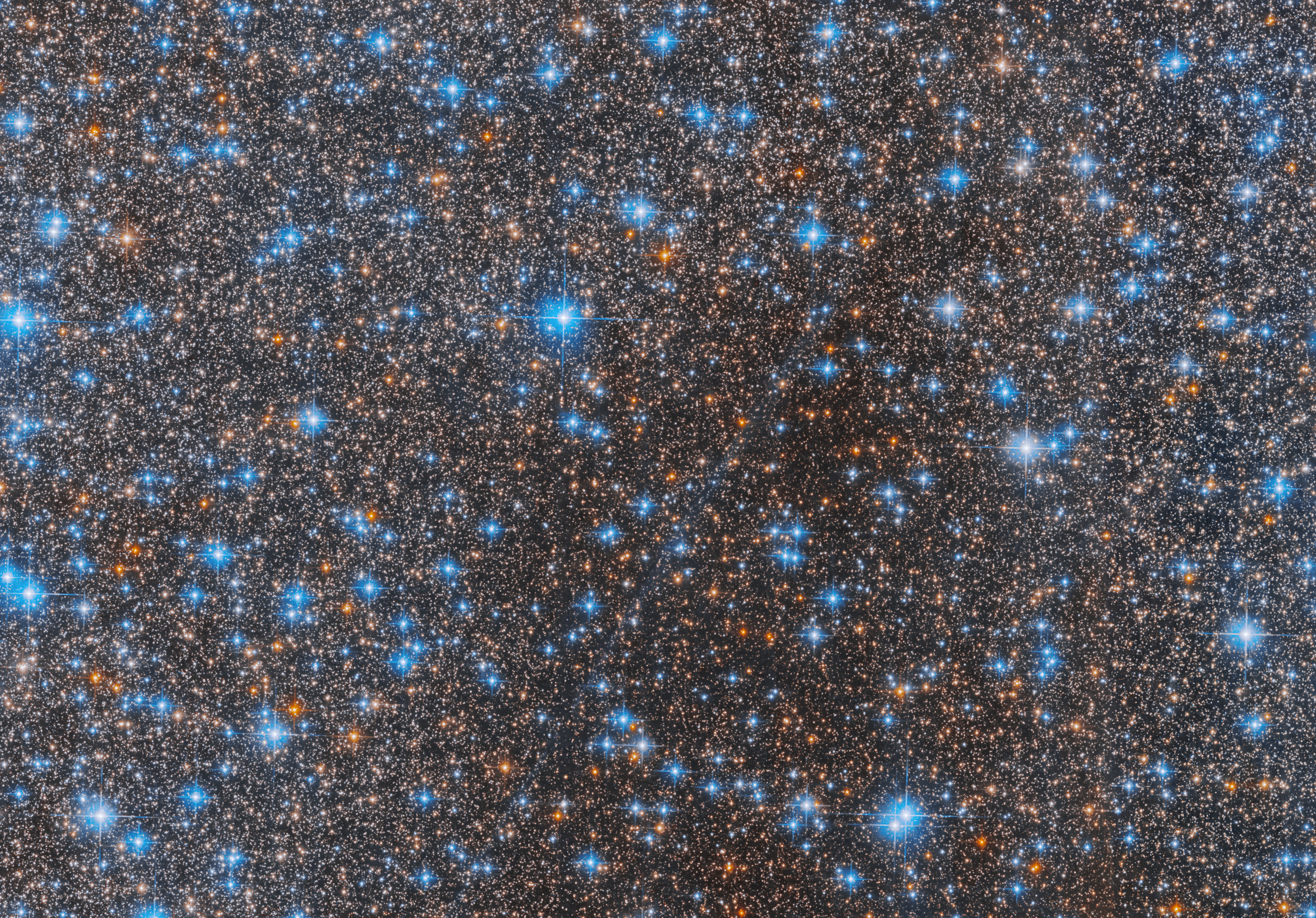
Hubble views the universe primarily in ultraviolet, visible, and near-infrared light, while Roman collects data in near-infrared light and some visible light. Because researchers wish to compare Hubble’s observations to future Roman observations, Hubble looked at the region in wavelengths that overlap with Roman’s areas of sensitivity, the red end of the visible spectrum and near-infrared wavelengths.
Hubble’s high resolution allows its instruments to collect data on the brightness, ages, composition, and motion of stars over time. With this knowledge, astronomers can search for potential exoplanets, determine the location of black holes or dark matter, and better understand our galaxy’s environment and evolution.
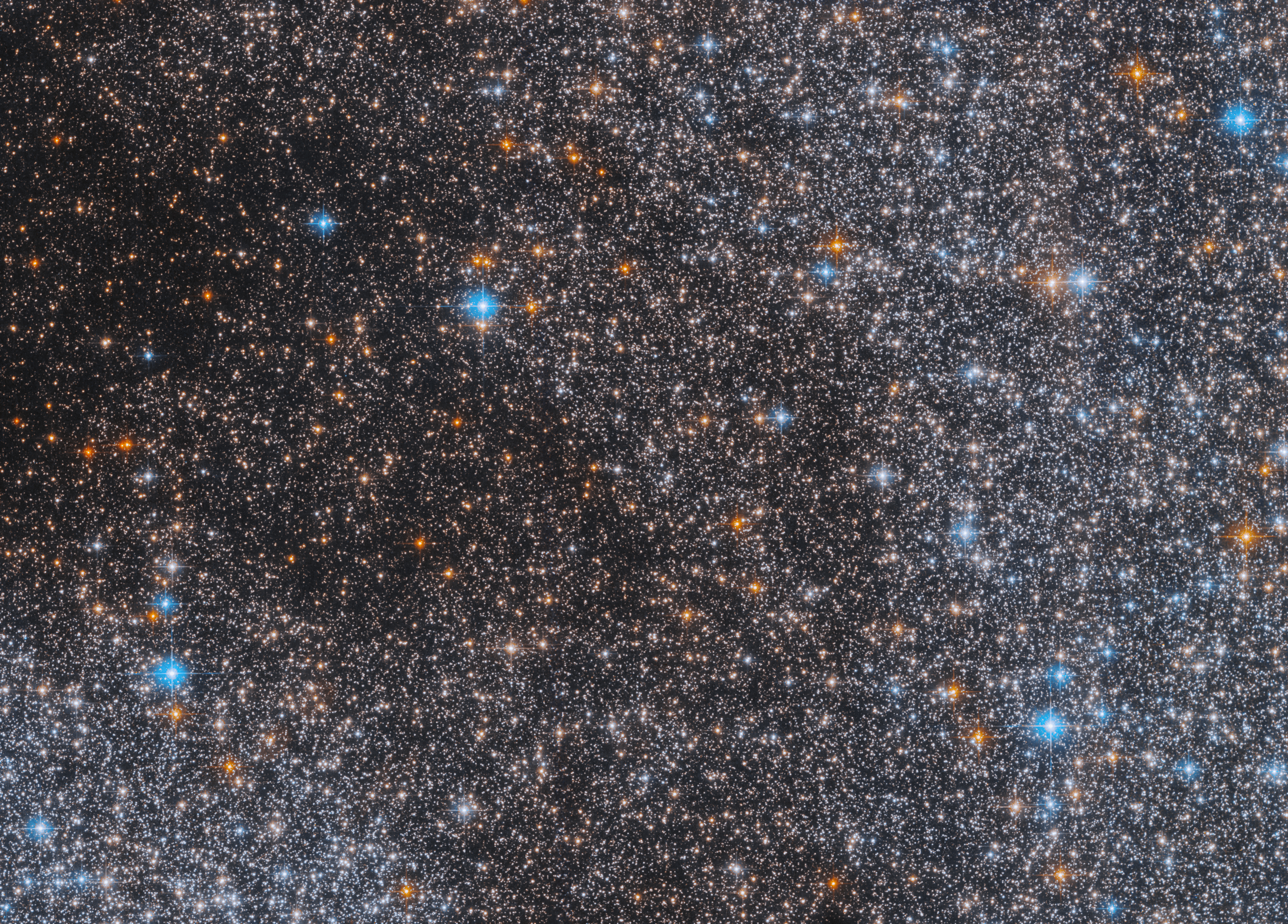
A key component of Roman’s future observations is the search for exoplanets by capturing microlensing events, a type of gravitational lensing that occurs when light from a more distant object is magnified and distorted by the mass of a closer object along the line of sight. The way light from the distant star is distorted and magnified can reveal clues to the nature of the foreground star and any planets it may have. Hubble’s observations will help characterize stars in the region before they undergo a lensing event. Months or years in the future, when Roman captures a microlensing event, researchers can compare Hubble data to Roman data of the event, making it easer to interpret. These microlensing events are on a much smaller scale, that of stars and planets, than larger gravitational lenses that occur around galaxies and galaxy clusters.
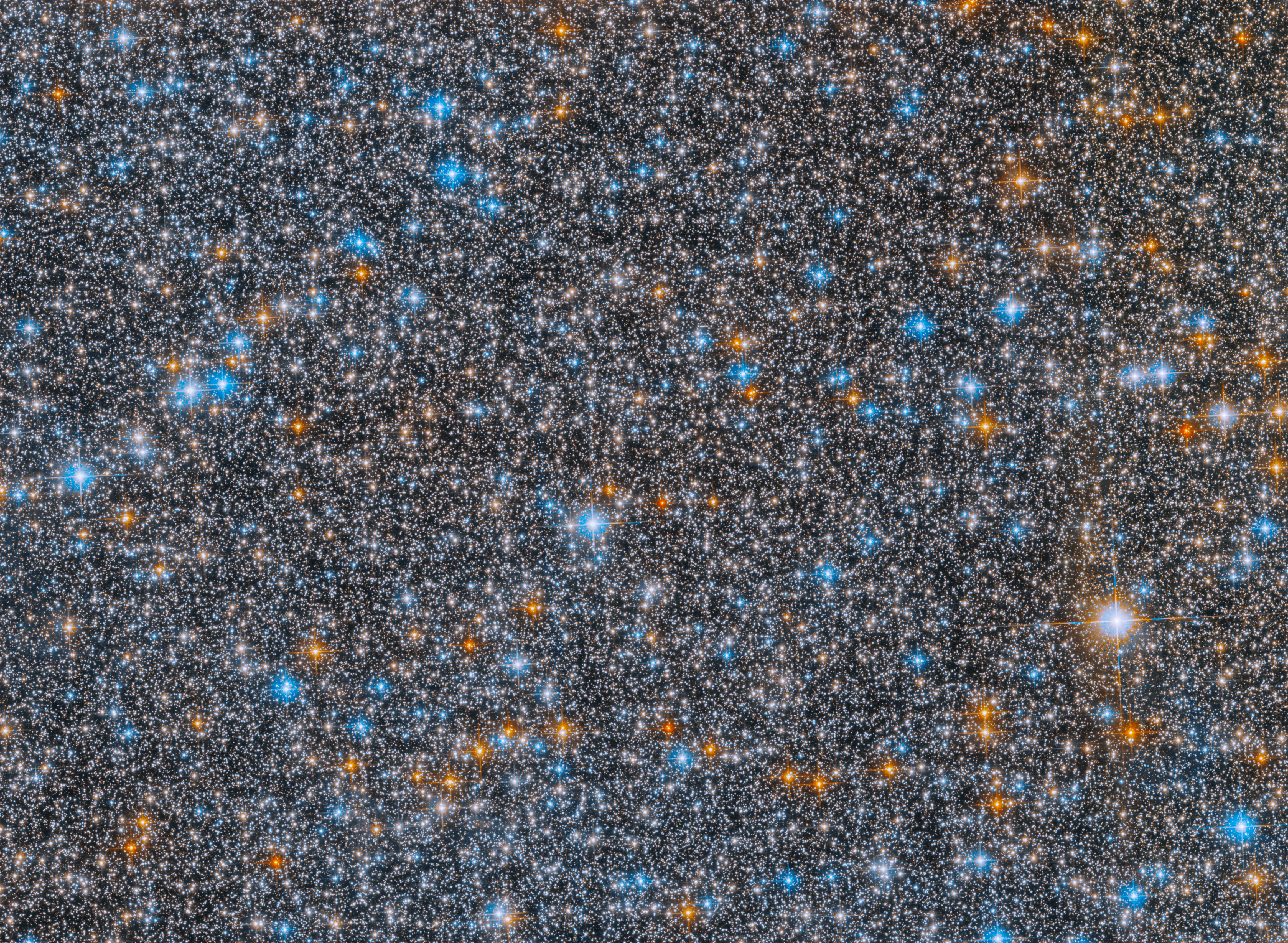
Over Hubble’s lifetime, it has observed our galaxy’s central bulge many times. These legacy surveys include the WFC3 Galactic Bulge Treasury Program that used Hubble’s Wide Field Camera 3 to study the brightness, precise positions, and motions of stars in this congested part of our galaxy. It also includes the Sagittarius Window Eclipsing Extrasolar Planet Search (SWEEPS) that used Hubble’s Advanced Camera for Surveys to look at 180,000 stars in the bulge of our galaxy. These new observations come from an observing program (#17776: S. Terry) designed to aid Roman in its search for exoplanets, black holes, neutron stars, and more. The data also adds to Hubble’s continuing legacy of high-precision observations of stars in the galactic bulge.
Explore More:
Media Contact:
Claire Andreoli
NASA’sGoddard Space Flight Center,Greenbelt, MD
claire.andreoli@nasa.gov


@NASAHubble