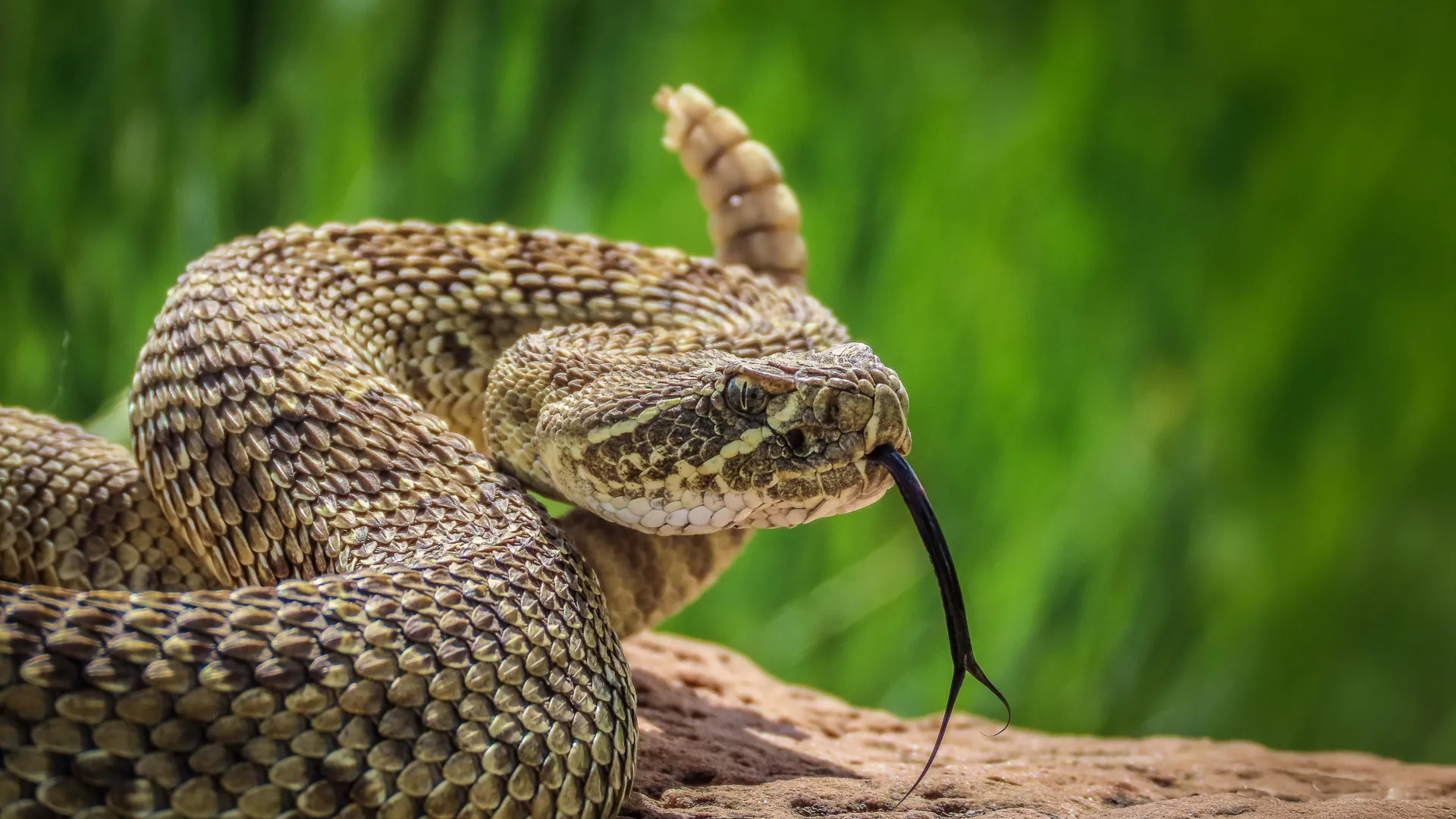
Шинэ судалгаагаар улаан далавчит хар шувууд өөрт аюул учруулж болзошгүй хорт могойг урьд өмнө харж байгаагүй ч таньж, түүнээс бие махбодын хувьд зайлсхийдэг болохыг тогтоожээ.
Орегоны их сургуулийн судлаач Шелби Лоусон тэргүүтэй баг баруун Орегон дахь хар шувуудын үүр хамгаалах зан төлөвийг судлахдаа хорт болон хоргүй могой, бусад махчин амьтдын загварыг ашигласан байна. Эдгээр шувуудын амьдардаг бүс нутагт хорт могой 1800-аад оноос хойш бараг үгүй болсон тул шувууд тэдгээртэй тааралдах магадлал тун бага юм. Туршилтын явцад хар шувууд хоргүй гофер могойн загвар руу 80 гаруй удаа дайрсан бол хорт могойн загвар руу ердөө нэг л удаа дайрчээ.
Судлаачид энэ нь шувуудын төрөлхийн аюулыг таних чадвар уу, эсвэл могойн өвөрмөц шинж тэмдэг, дуу чимээнээс үүдэлтэй үл ойлголцол уу гэдгийг хараахан бүрэн тодорхойлоогүй байна. Гэвч уг судалгаа нь амьтад үр төлөө хамгаалахын зэрэгцээ өөрийн аюулгүй байдлаа хэрхэн эрсдэлд оруулахгүй байхыг тооцоолдог “эцэг эхийн хөрөнгө оруулалтын онол”-ыг тайлбарлахад чухал ач холбогдолтой юм. Шувууд үр төлөө хамгаалахдаа махчин амьтны аюулын зэргийг үнэлж, өөрийн амь насанд эрсдэл багатай үед л бие махбодын дайралт хийдэг нь ажиглагджээ.
Туршилтаар шувууд өндгөө дарах үедээ ямар ч могой руу дайраагүй бол дэгдээхэйтэй болсон үедээ хоргүй могой руу идэвхтэй дайрч байв. Энэхүү судалгаа нь шувууд болон могойнуудын хоорондох харилцан үйлчлэлийг шинжлэх ухааны үүднээс судалсан анхны тохиолдлуудын нэг бөгөөд цаашид амьтдын зан төлөвийг илүү гүнзгий ойлгох боломжийг олгож байна. Судлаачид шувууд могойг хэрхэн таньж, хариу үйлдэл үзүүлэх шийдвэр гаргадаг талаарх асуултууд судалгааны цаашдын чиглэл болохыг онцоллоо.
Дэлгэрэнгүйг эх сурвалжаас харах
↓Эх сурвалжийг нээх ↓
Red-winged blackbirds are notoriously aggressive when defending their nests, but new research suggests they may know when a predator is too dangerous to strike. Scientists discovered that the birds almost never made physical contact with venomous rattlesnakes, despite likely having no previous experience with these reptiles.
The study, published in Behavioral Ecology, offers a rare look at how nesting birds respond to different species of snakes. Led by Shelby Lawson of Oregon State University (OSU), the research examined blackbirds’ reactions to several potential nest predators found in western Oregon, including scrub jays, ground squirrels, and nonvenomous gopher snakes.
To observe how the birds defended their offspring, the researchers placed realistic, stationary models of the animals on platforms a few meters from blackbird nests.
The experiments also included rattlesnakes, cowbirds, which are brood parasites that lay their eggs in the nests of other birds, leaving them to spend energy and resources raising their offspring, and song sparrows (as a control species; sparrows don’t prey on blackbird nests).
A Mysterious Response to Rattlesnakes
Although rattlesnakes are native to western Oregon, they were largely eliminated from areas west of the Cascade Range during the 1800s. As a result, blackbirds living in the region today are unlikely to have encountered these venomous reptiles.
Yet the birds displayed a striking difference in how they confronted the two types of snakes. During experiments conducted at dozens of nests, approximately half of which contained eggs and half of which held young chicks, blackbirds delivered more than 80 physical strikes against gopher snake models. Rattlesnake models were struck only once.
“We don’t know whether that’s because they recognized the danger or if there’s something about the viperid features or the rattle that gave the birds pause,” said Lawson, a postdoctoral researcher in David Kikuchi’s integrative biology lab in the OSU College of Science.
Balancing Parental Protection and Survival
The findings provide new insights into parental investment theory, a biological concept that examines how animals balance the time, energy, and personal risks involved in protecting their offspring against the need to ensure their own survival.
Previous studies have extensively examined this behavior in blackbirds, Lawson explained. The birds can modify their defensive strategies according to how much of a threat a particular predator poses to their offspring and whether confronting it could also endanger their own lives.
“For example, they might physically beat up an egg-eating jay or squirrel near their nest, but in response to something like a hawk that could eat them, they might choose to keep their distance and alarm-call instead,” she said.
In the new experiments, blackbirds consistently displayed greater aggression toward potential predators than toward the control species. Interestingly, the birds did not show greater caution toward snakes in general, despite the reptiles typically posing a greater potential danger to adult blackbirds than the other predators tested.
Blackbirds and other passerines, a group commonly known as perching birds and distinct from raptors, waterfowl, hummingbirds, and penguins, generally behave more cautiously around predators that threaten their own survival. In contrast, they tend to confront animals such as crows and squirrels more aggressively because these predators primarily threaten their offspring, Lawson explained.
Why Birds Rarely Strike Venomous Snakes
“In our experiment, the gopher snakes and rattlesnakes represented medium-sized adults that would be unlikely to pursue healthy adult blackbirds but definitely able to injure them during close-range nest defense,” Lawson said. “And obviously a rattlesnake’s venom makes it inherently more dangerous to deal with.”
Despite this difference in danger, the blackbirds exhibited remarkably similar defensive behaviors toward both snake species. They even swooped at the rattlesnake models. The most notable distinction was their reluctance to make physical contact with the venomous snakes.
The developmental stage of the birds’ offspring also influenced their willingness to confront predators. Physical strikes against snakes occurred only after the eggs had hatched.
“Neither snake was struck during incubation, but during the nestling stage the focal birds – the ones whose nest it was – routinely struck gopher snakes, and neighboring blackbirds regularly got in the act too,” she said.
An Overlooked Threat to Nesting Birds
Although snakes are important predators of bird eggs and nestlings, relatively little is known about how birds identify these reptiles and determine the safest way to confront them. The researchers hope their findings will encourage scientists to pay greater attention to snakes when investigating animal behavior and parental defense strategies.
“This is the first paper to test responses of breeding birds to both nonvenomous and venomous snakes within a parental investment theory framework, and it shows that we need to be including snakes in these kinds of tests more often,” Lawson added. “We still don’t fully know how birds recognize or make decisions regarding snakes despite them being a major threat to their nests, and this study is a good step toward understanding that.”
Other contributors to the research included Oregon State University’s Angela Zbaracki, Russell Campbell, and Eleanor Fraser.

