Археологич Майлз Рассел Верикаг Ромын Британийг эзлэхэд нөлөөлсөн эмэгтэй удирдагч байсан гэж таамаглажээ.
Ромчууд МЭ 43 онд Британийг довтлоход Верика хэмээх төмрийн зэвсгийн үеийн удирдагч нөлөөлсөн байж болзошгүй. Түүнийг өмнөд Английн нутагт амьдарч байсан атребатуудын хаан гэж олон зууны турш үзэж ирсэн ч Bournemouth University-ийн археологич Майлз Рассел түүнийг эмэгтэй байсан гэсэн шинэ таамаг дэвшүүлжээ.
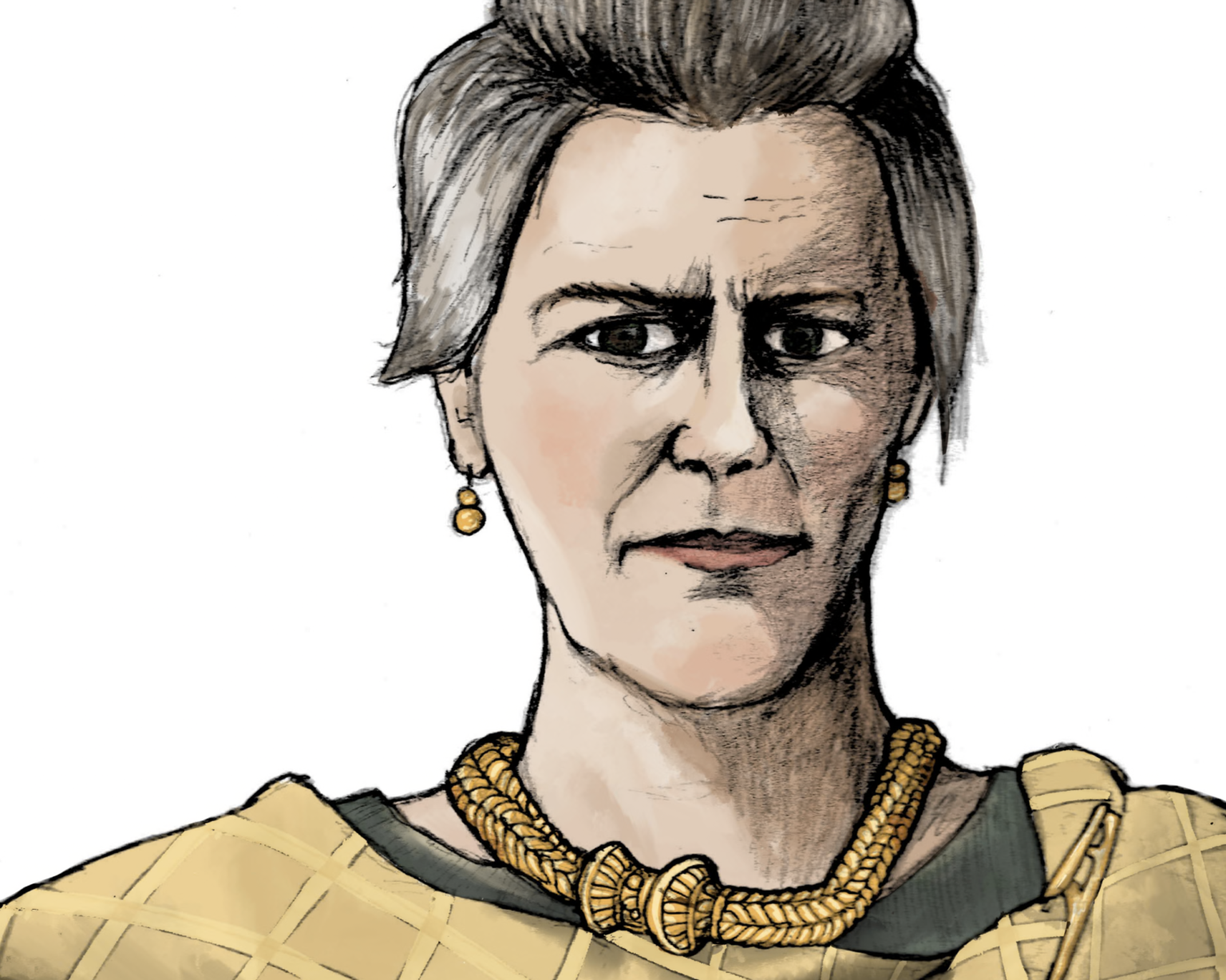
Расселын үзэж буйгаар, Верикаг эрэгтэй гэж ойлгосон нь XIX зууны түүхчдийн хэвшмэл төсөөлөлтэй холбоотой байж болох юм. Түүний баг өмнөд Англид хамт оршуулсан 50 орчим кельт хүний геномыг шинжлэхэд эхийн удмаар дамжсан гарал үүслийн хүчтэй ул мөр илэрсэн нь Ромын эзэнт гүрэн Британийг эзлэхээс өмнөх нийгэмд эмэгтэйчүүд нөлөөтэй байсныг示лжээ. Тухайн үеийн Британий өөр овог аймгуудыг Бригантуудын Картимандуа, Иценигийн Боудикка зэрэг эмэгтэйчүүд захирч байсныг мөн мэддэг.
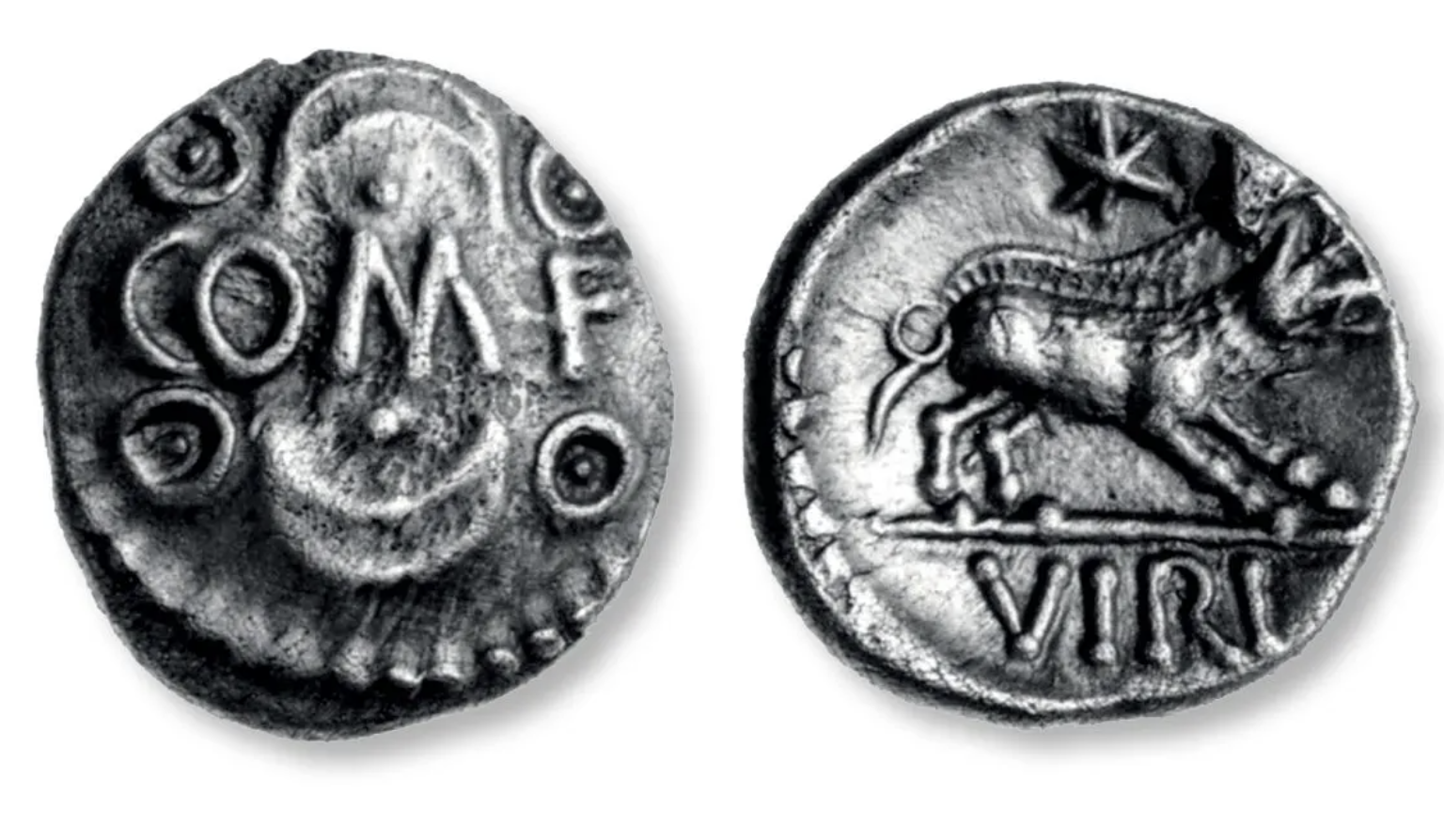
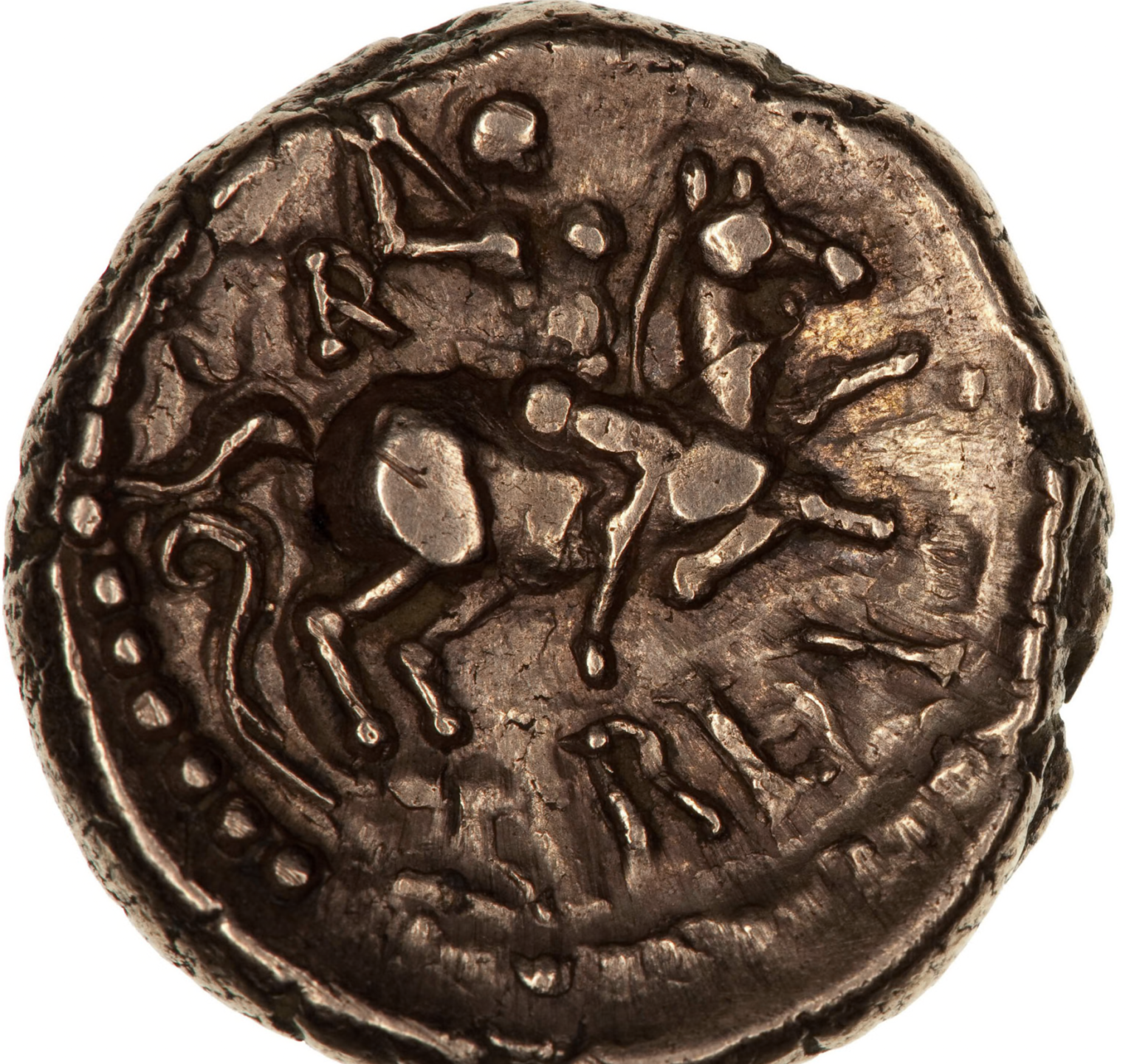
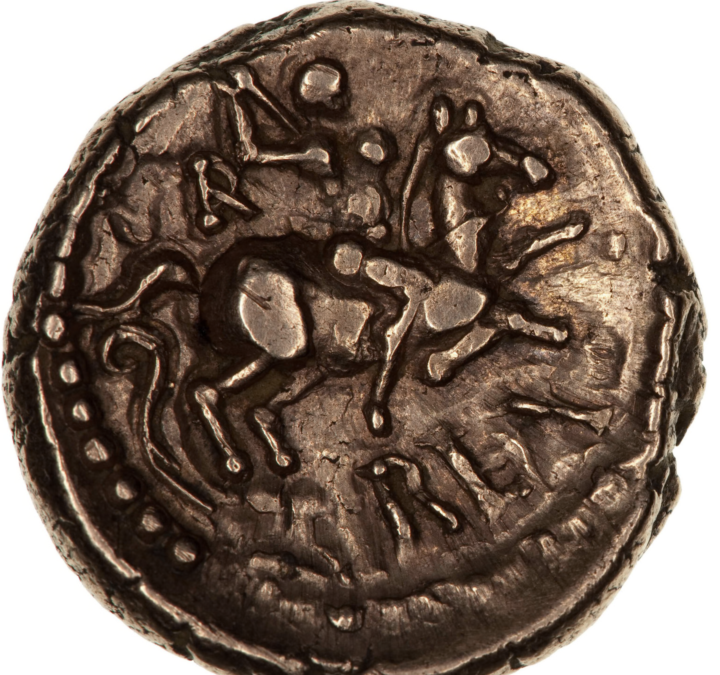
Верикагийн тухай бичгийн баримт ховор: түүний нэр зоосон дээр үлдсэн бөгөөд Ромын түүхч Кассий Дион түүнийг арал дээрх бослогын дараа хөөгдөж, Клавдийг цэрэг илгээхийг ятгасан гэж тэмдэглэжээ. Зоосон дээрх латин rex цолыг эрэгтэй удирдагчийн нотолгоо гэж үздэг байсан ч Рассел энэ нь хүйс заадаггүй нэршил хэмээн тайлбарлаж байна. Мөн зоосон дээрх морь унасан, нүцгэн цээжтэй нарийхан дүр эмэгтэй мэт харагддаг ч энэ нь Верикаг өөрийг нь дүрсэлсэн гэх баталгаа биш.
Зарим археологич Расселын нотолгоог Верика эмэгтэй байсныг батлахад хангалтгүй гэж үзэж байна; эрдэмтэн ч баримт хомс тул таамаг нь маргаан дагуулна гэдгийг хүлээн зөвшөөрчээ. Иймээс Верикагийн хүйс одоогоор тодорхойгүй ч түүнийг төмрийн зэвсгийн үеийн улс төрд чухал байр суурь эзэлсэн эмэгтэй байж болох эсэхийг дахин хэлэлцэх үндэс тавьж байна.
Дэлгэрэнгүйг эх сурвалжаас харах
↓Эх сурвалжийг нээх ↓
Rome’s invasion of Britain in 43 CE may have never occurred were it not for an Iron Age ruler named Verica.
For centuries, Verica was assumed to be king of a tribe called the Atrebates, whose territory covered what is now southern England, including Hampshire and West Sussex.
But perhaps we had it wrong.
Archaeologist Miles Russell from Bournemouth University in the United Kingdom has now put forward a contentious new hypothesis in a recent article for Current Archaeology.
Verica, he argues, the Iron Age King who changed the course of history, may have actually been female.
“Verica is assumed to have been male because of the patriarchal mindset of 19th-century classical historians,” says Russell.
But recently, Russell and his colleagues have found genetic evidence that before the Roman Empire conquered Britain, women were influential in Iron Age society.
When researchers sequenced the genomes of around 50 Celtic Britons who were buried together in southern England, they discovered strong evidence of female-line descent.
In fact, other tribes in Iron Age Britain are known to have been ruled by women, such as Cartimandua of the Brigantes (in Yorkshire) and Boudica of the Iceni (in Norfolk).
But unlike these rulers, whom Roman historians wrote about extensively, most of what we know of Verica comes from coin inscriptions and a single line in a Roman history book, where the Celtic name is rendered in Greek as Bericus.
“Bericus, who had been driven out of the island as a result of an uprising, persuaded Claudius to send a force thither,” wrote historian Cassius Dio in ancient Greek, more than a century after the Roman invasion of the British Isles.
Essentially, Dio maintains that the invasion of Britain occurred because Verica convinced Claudius to invade the island.
For centuries thereafter, this pivotal historical figure was assumed to be a man. But it’s also possible that Verica is a woman’s name.
Similar to Boudica and Cartimandua, it also ends in ‘a’.
But Verica also had coins made under their rule, and their inscriptions also contributed to the idea that the leader was male.
“People also assume she was a ‘he’ because of the term ‘rex’ on coins, but rex is a non gender specific title; both male and female kings were recognized by Rome, Cleopatra of Egypt being the most famous,” explains Russell.
“The use of the Latin title rex on coins shows that Verica ruled with the full authorization of the emperor.”
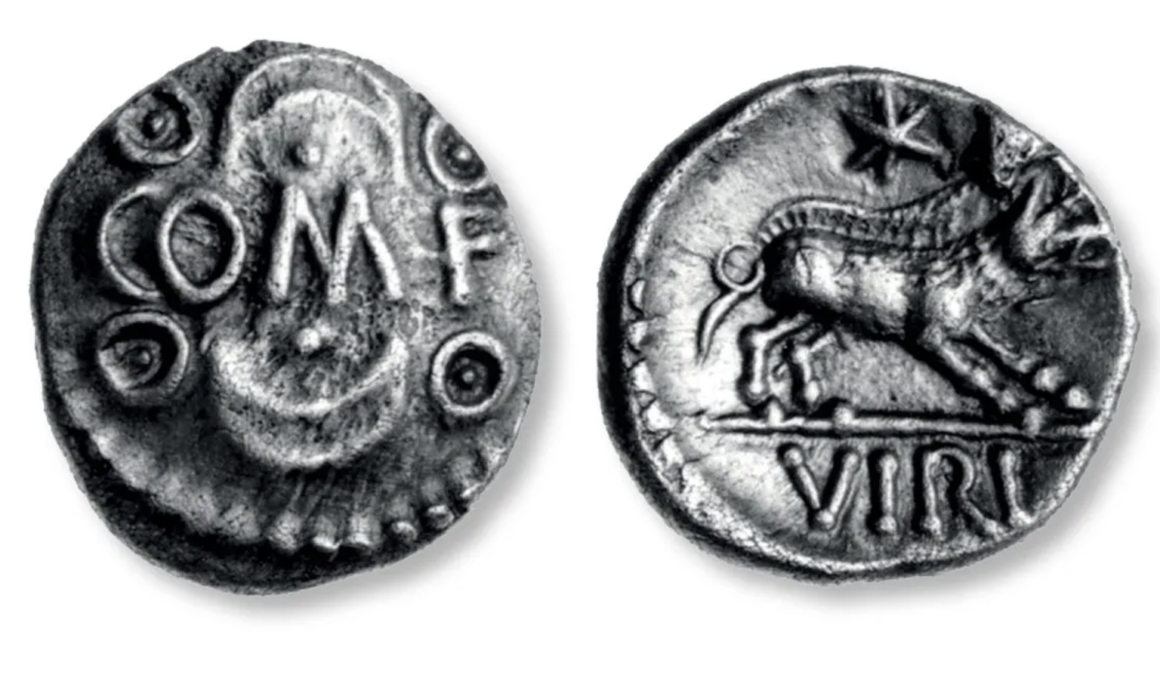
Even the warrior depicted on Verica’s ancient coinage looks arguably female, although that’s not necessarily a depiction of the leader themself.
“Whilst other coin-producing British Iron Age leaders portray obviously male warriors, Verica’s depict a slender, feminine, bare-breasted figure riding on horseback,” says Russell.
Not all archaeologists are convinced by Russell’s arguments.
Some skeptics think that this evidence is not enough to prove that Verica is a woman. But under this logic, it is not enough to prove that Verica was a man either.
Russell acknowledges that with scarce evidence, his arguments will inspire debate, and he told The Guardian that he welcomes further discussions.
He thinks they are long overdue.
“While Verica receives only a fleeting mention in surviving written sources, I argue that she was a major political player in Late Iron Age Britain,” writes Russell, “and that archaeological evidence preserves echoes of one of our earliest and most important female leaders, who should be commemorated as such.”
The article is published in Current Archaeology.
This article was fact-checked by Peter Dockrill and edited by Peter Dockrill. While we pride ourselves on our process, we are only human. If you spot a mistake, please let us know.

