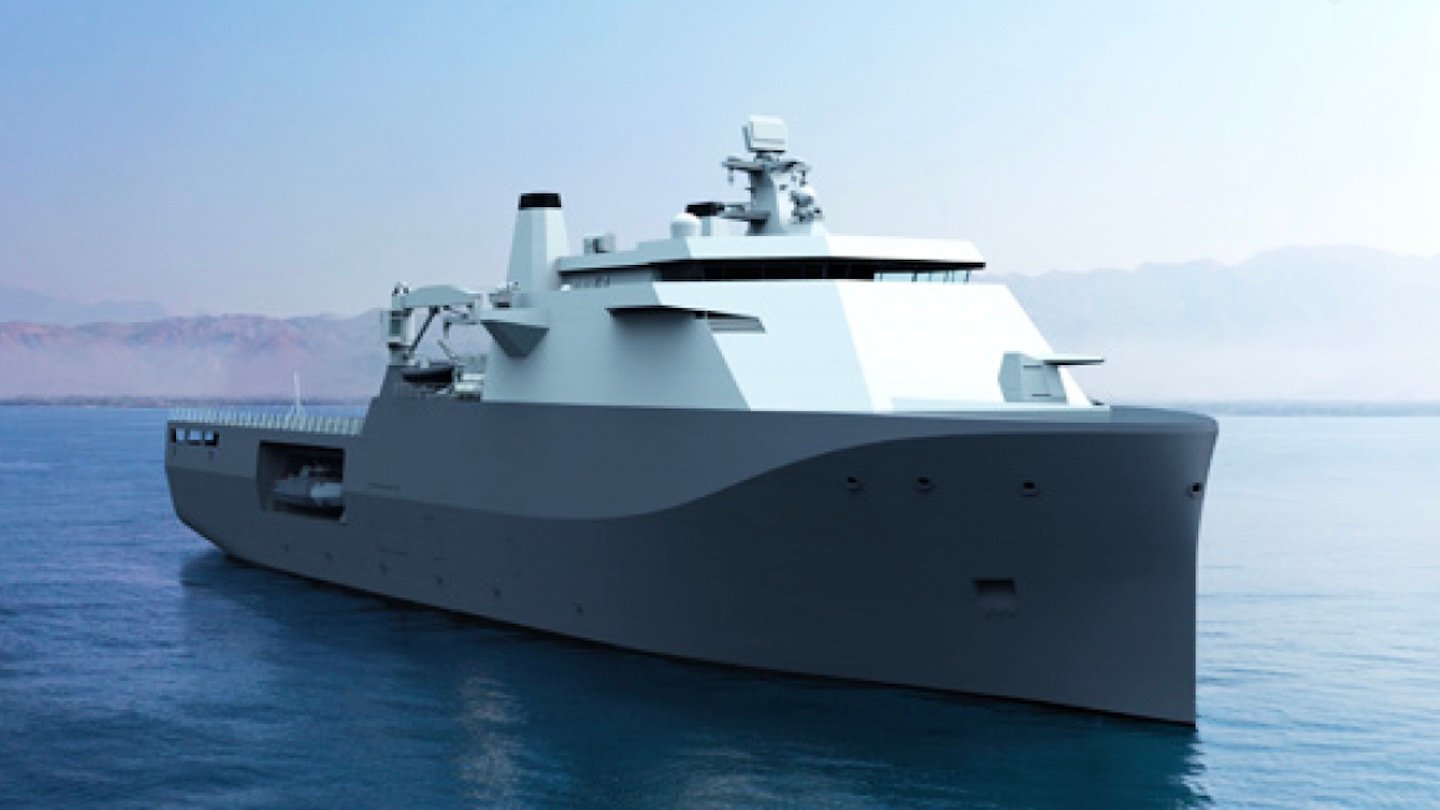
НАТО-гийн гишүүн хоёр улс десантын тээврийн найман хөлөг онгоц бүтээх 2.4 тэрбум фунт стерлингийн өртөг бүхий хамтарсан хөтөлбөрийг хэрэгжүүлнэ.
Турк улсад болсон НАТО-гийн дээд хэмжээний уулзалтын үеэр Их Британийн Ерөнхий сайд Кир Стармер энэхүү түншлэл нь хоёр улсын элит хүчний чадавхыг бэхжүүлж, НАТО-гийн эвслийн хямралын үед шуурхай хариу арга хэмжээ авах боломжийг нэмэгдүүлнэ гэдгийг онцолжээ. Нийт найман хөлөг онгоцны тал нь Их Британийн тэнгисийн цэргийн флотод, үлдсэн хэсэг нь Нидерландын талд шилжих бөгөөд 2030-аад оны эхнээс үүрэг гүйцэтгэж эхлэх төлөвтэй байна.
Шинэ хөлөг онгоцнуудыг Нидерландын “Damen” компанийн “Enforcer” загварт тулгуурлан, Их Британийн усан онгоцны үйлдвэрүүдэд барихаар төлөвлөж байна. Ойролцоогоор 15,000 тонн усны түрцтэй, 160 метр урттай байх эдгээр хөлөг онгоц нь цэрэг, техник тээвэрлэхээс гадна орчин үеийн болон ирээдүйн алсын зайн нисгэгчгүй онгоц, бие даасан системүүдийг ажиллуулах нислэгийн тавцантай байх юм.
Энэхүү хөтөлбөр нь Их Британийн өмнө нь төлөвлөж байсан “Multi-Role Strike Ship” (MRSS) хөтөлбөрийг орлох бөгөөд “Albion” ангиллын байлдааны хөлөг онгоцнуудыг үе шаттайгаар солих зорилготой юм. Ингэснээр Их Британийн “Commando Force” болон Нидерландын десантын хүчний хамтын ажиллагааг гүнзгийрүүлж, Умард Атлант болон Хойд туйлын бүс нутаг дахь аюулгүй байдал, дэд бүтцийг хамгаалах үүрэг гүйцэтгэх юм.
Дэлгэрэнгүйг эх сурвалжаас харах
↓Эх сурвалжийг нээх ↓
The United Kingdom and the Netherlands will jointly develop a new fleet of amphibious transport ships under a maritime partnership announced by the British government. Each country will operate four vessels, strengthening NATO’s amphibious capabilities and improving the alliance’s ability to respond rapidly to crises.
“Combining the U.K.’s industrial expertise with the Netherlands’ design and seafaring experience to deliver first-rate platforms for our elite amphibious forces, this partnership will strengthen NATO,” U.K. Prime Minister Keir Starmer said in a statement issued while he attended the NATO Summit in Turkey.
The new landing platform docks (LPD) will be based on a Dutch design and will be built in U.K. shipyards “alongside Dutch industry,” as part of a deal worth £2.4 billion ($3.2 billion), covering the four ships for the U.K. Royal Navy and four for the Royal Netherlands Navy. These are expected to enter service from the early 2030s.
What the United Kingdom refers to as the Amphibious Transport Ship Program supersedes the previous Multi-Role Strike Ship (MRSS) program, which was judged “too complex” and not reflective of the future U.K. Commando Forces.
The arrangement has some parallels with the recently announced program to build five Type 26 frigates for Norway, with the warships coming out of British shipyards.
Although the final design has not been confirmed, Dutch shipbuilder Damen is widely expected to provide the design basis, likely drawing from its Enforcer amphibious ship family.
The U.K. government says the vessels will be 525 feet (160 meters) long and will have a displacement of 15,000 tonnes. Damen offers a total of seven different Enforcer designs, ranging in displacement from 9,000 tonnes to 17,000 tonnes. It is unconfirmed if the vessels will be of the conventional LPD-type layout, as seen at the top of this article, or if they will be of the through-deck type, providing a longer flight deck for helicopter and drone operations.
As well as transporting troops, vehicles, and equipment, the vessels will have flight decks designed to operate current and future long-range drones and autonomous systems. This is in line with the U.K. Royal Navy’s shift to what it describes as a ‘hybrid navy.’
Warfare is changing. It’s why we’re making the largest ever drone investment in our Armed Forces.
Autonomous submarine hunting frigates
Drone “wingmen” to fly alongside Apaches
Thousands of low-cost kamikaze strike drones
Surveillance drones to replace older systems pic.twitter.com/lQLxPjDLTS
— Ministry of Defence
(@DefenceHQ) June 30, 2026
For construction, it appears that the program will rely upon the Harland & Wolff shipyard in Belfast, Northern Ireland. Navantia UK, the owner of Harland & Wolff, shared the following statement:
“Amphibious transport ships will be a vital component of Britain’s sovereign naval defense capability going forward. As outlined in the Defense Investment Plan, they will enable troops to be deployed around the world and are a necessary replacement for the Albion class assault ships.”
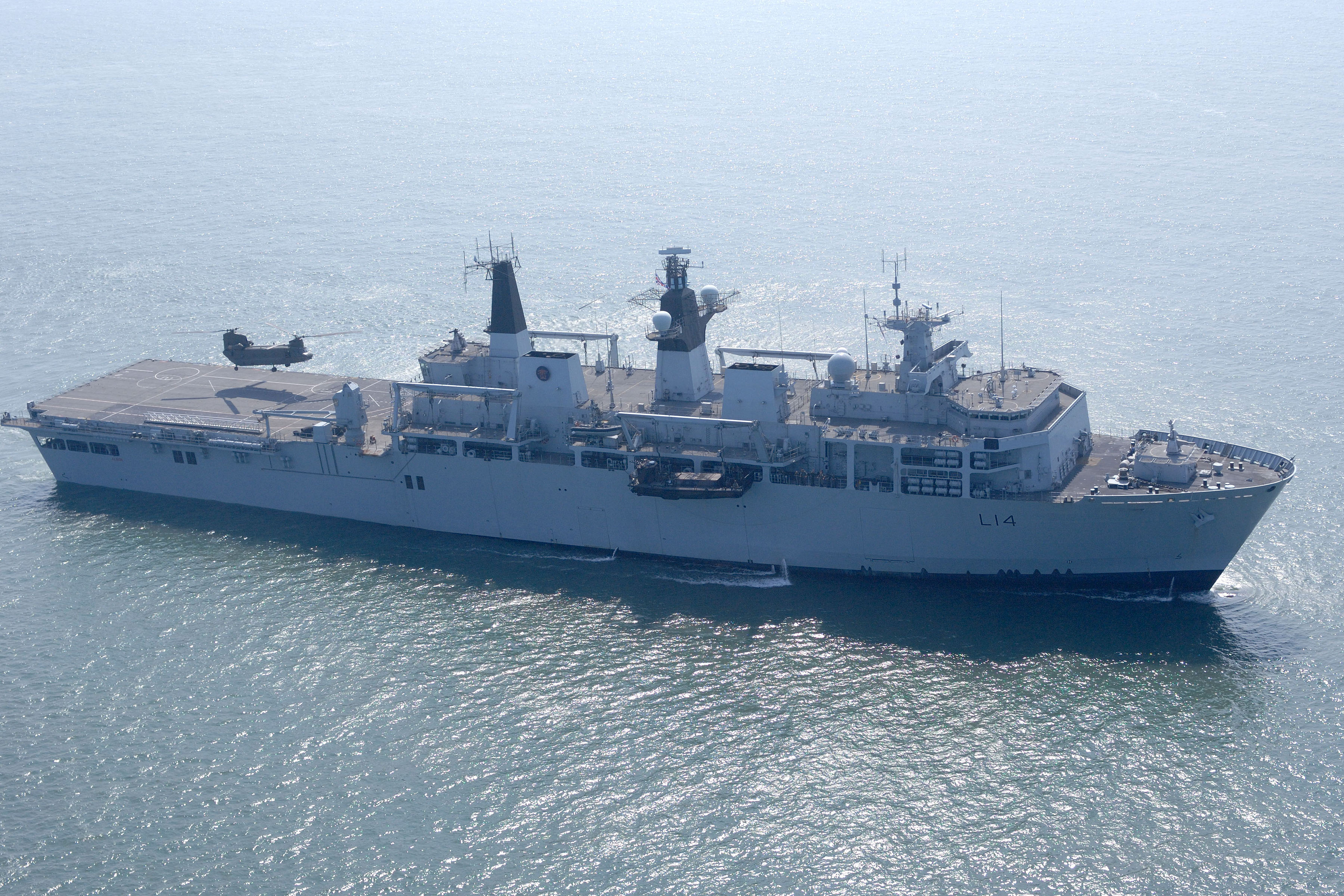
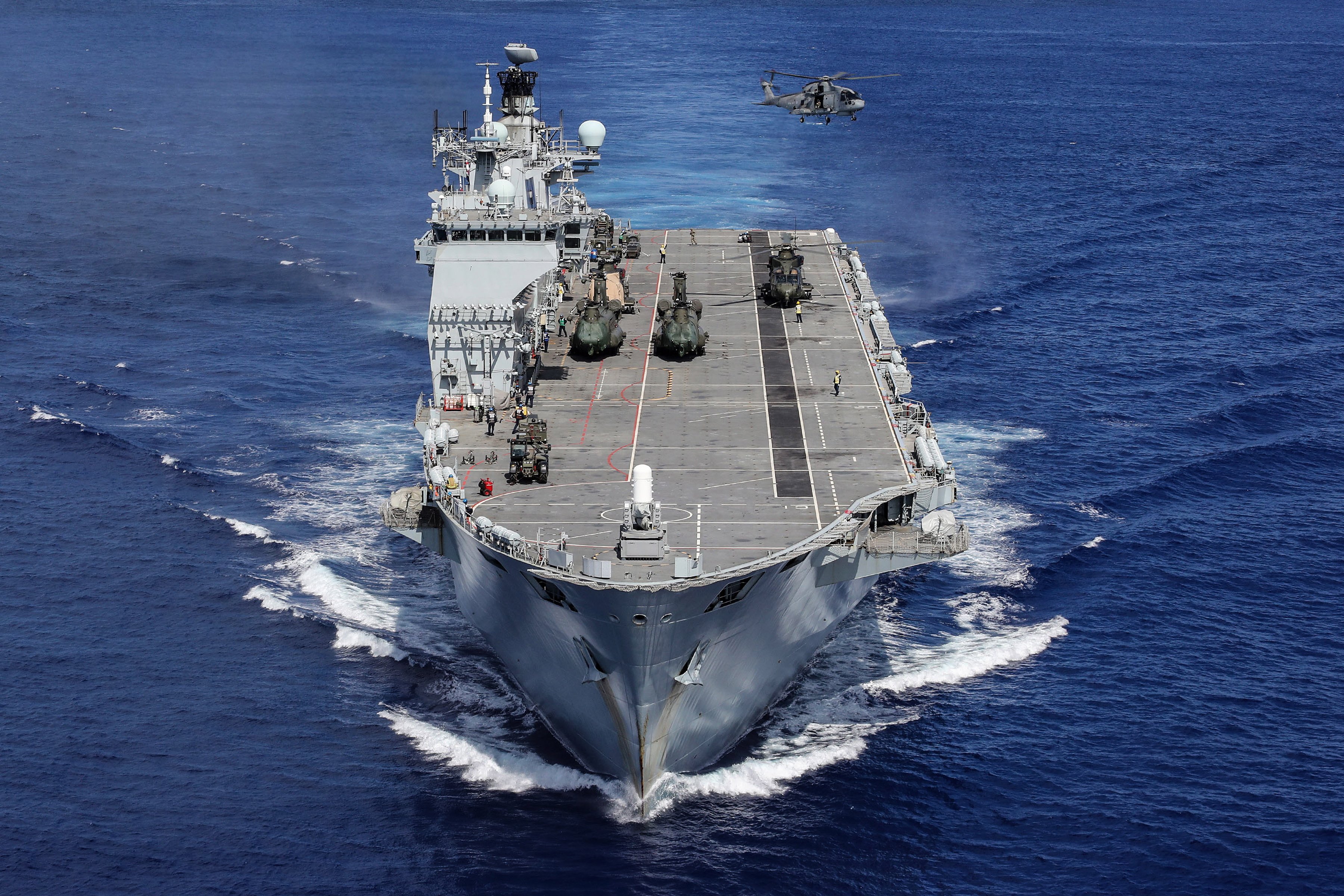
After the United Kingdom officially decommissionedHMS Oceanin 2018 and sold itto Brazil, the Royal Marines had to rely on the Royal Navy’s twoAlbion classLPDs. However, in 2024 the U.K. Ministry of Defense announced that both Albion and Bulwark would be withdrawn from service the following year.
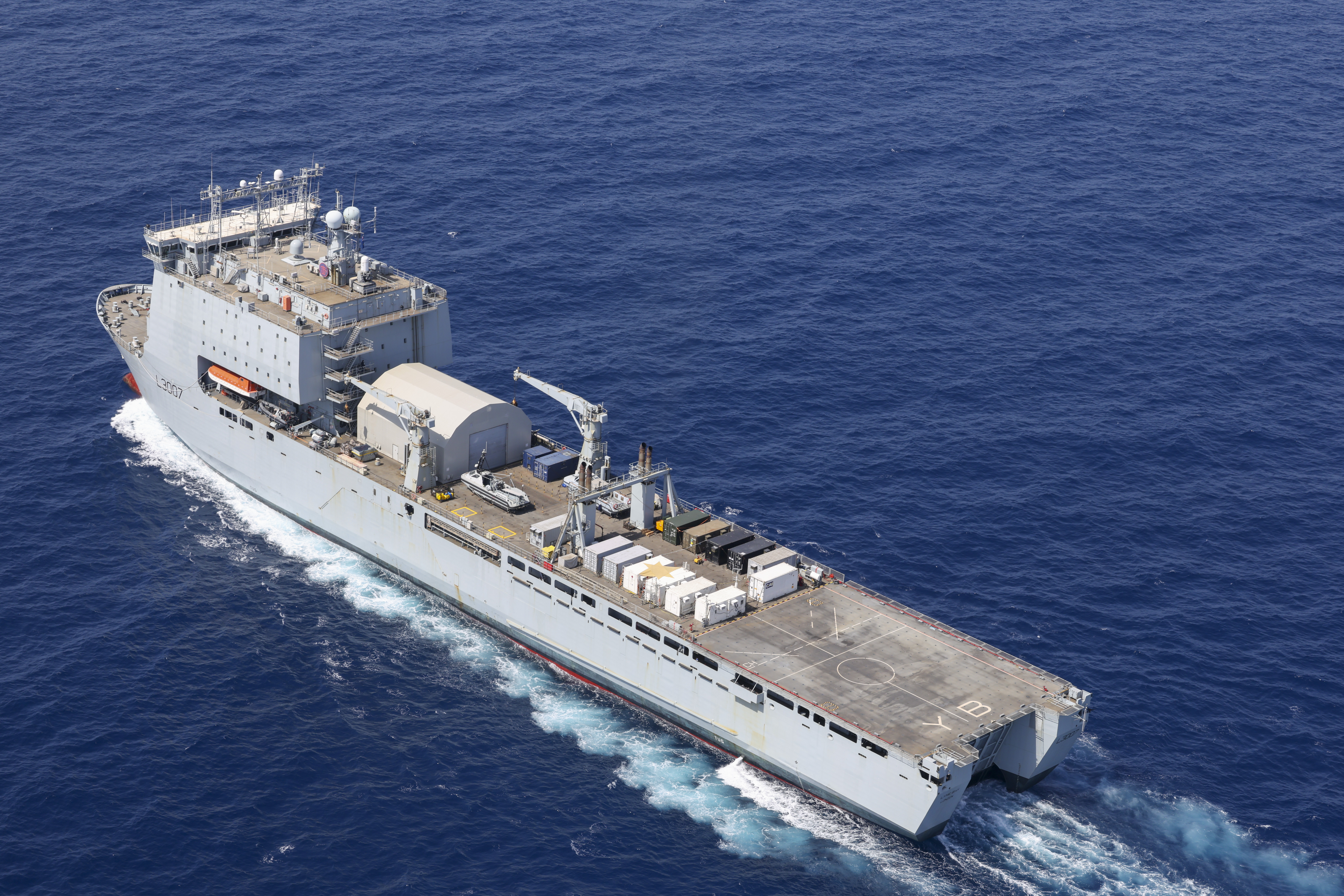
Since then, the Royal Marines have made use of the threeBay classlanding ship docks. The Royal Fleet Auxiliary (RFA), a civilian mariner service akin to the U.S.Military Sealift Command, operates these ships, which have more limited capabilities than the LPDs.
At one point, the British were planning to procure up to six Multi-Role Strike Ships (MRSS) to replace the two Albion class, three Bay class, and the single RFA Argus. Budget pressures reduced those ambitions. While the Royal Navy will now get four new assault ships, they will form something like a joint forcewith the same number of Dutch vessels.
As for the Royal Netherlands Navy, it currently operates two Rotterdam class LPDs and a single Karel Doorman class multifunction support ship, also outfitted for amphibious operations. The new LPDs are expected to replace the Rotterdam class.
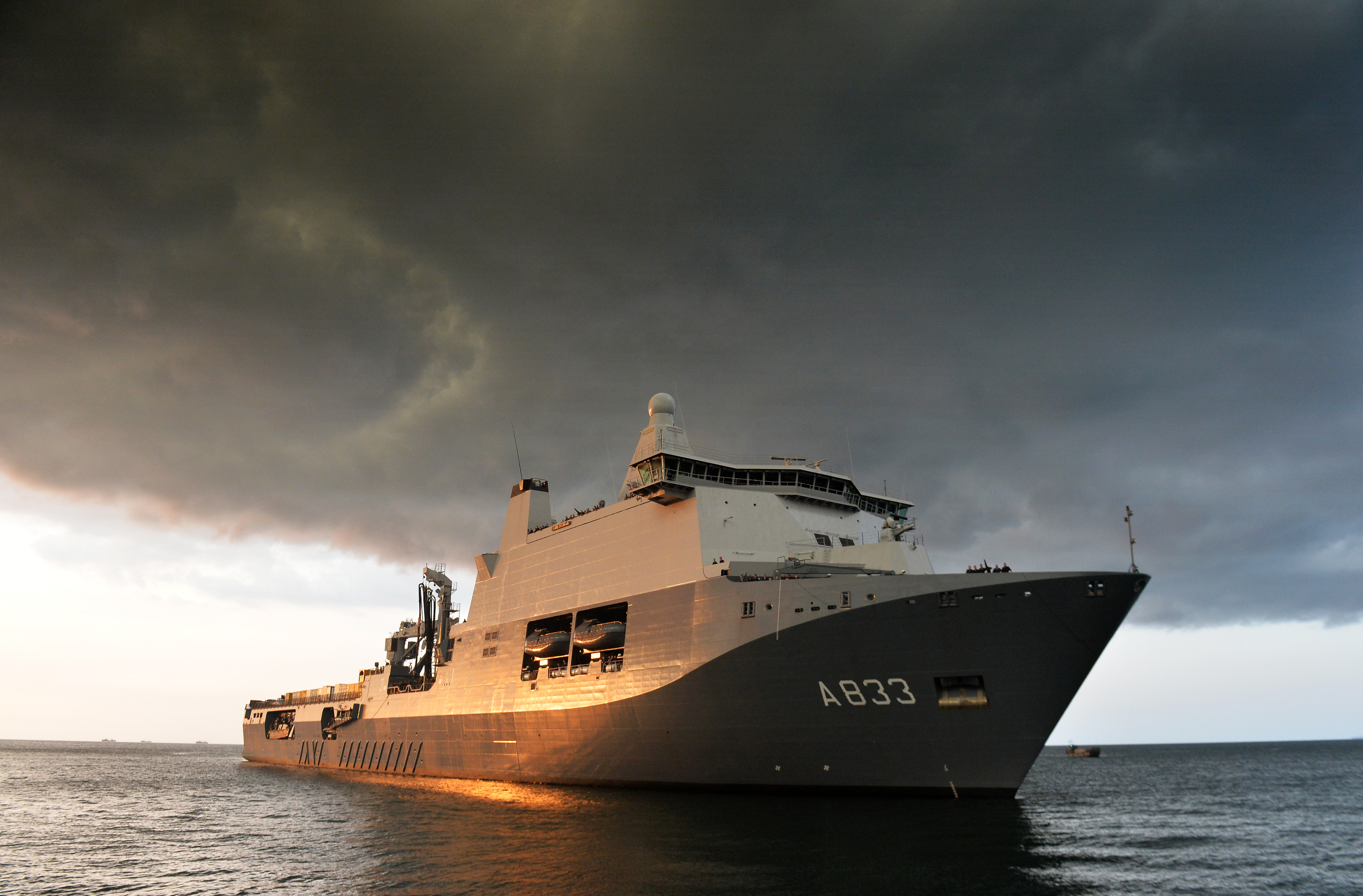
Significant is the fact that the eight new LPDs are involved, representing a considerable boost for the amphibious forces of both navies.
These services already operate closely together under the U.K.-Netherlands Amphibious Force, which dates back to the Cold War.
“This partnership is not just about building ships; it is also about delivering long-term security for both the U.K. and the Netherlands, ensuring we are able to stay ahead of the threats of tomorrow,” Prime Minister Starmer said.
U.K. Defense Secretary Dan Jarvis added: “We are building an even stronger amphibious force with the Netherlands, strengthening our defense and deterrence as close NATO allies and JEF [Joint Expeditionary Force] partners.”
The commonality of LPDs will also see the Royal Navy and Royal Netherlands Navy increasingly train, deploy, and operate together, the U.K. government has confirmed.
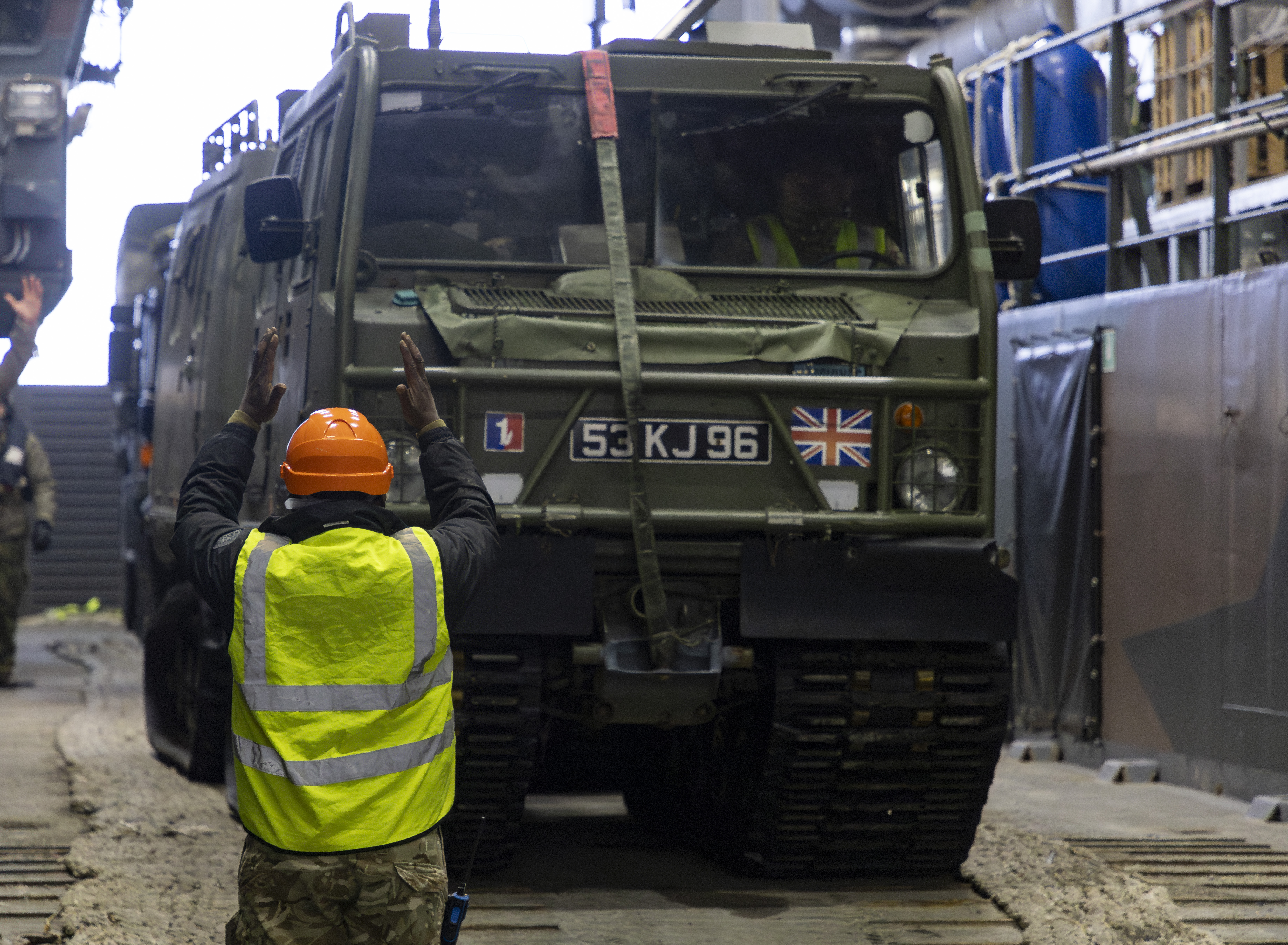
The drone aspect is also important, with the new LPDs being viewed as a way of accelerating industrial and military cooperation on autonomous and uncrewed technology.
While the kinds of drones that will go aboard the vessels have not been disclosed and are probably still a work in progress, it’s clear that the LPDs fit in with the United Kingdom’s vision for future warfare. The recently published Defense Investment Plan provides a budget of more than £5 billion ($6.6 billion) over four years just for drones and related capabilities, as you can read about here.
There is also further scope for cooperation here, with the U.K. government confirming that there are plans for future drone and uncrewed technology to be developed between the two nations.
The partnership also has significant implications for security in the North Atlantic and High North, regions that have become increasingly strategic as NATO bolsters its northern defenses in the face of increasing tensions with Russia.
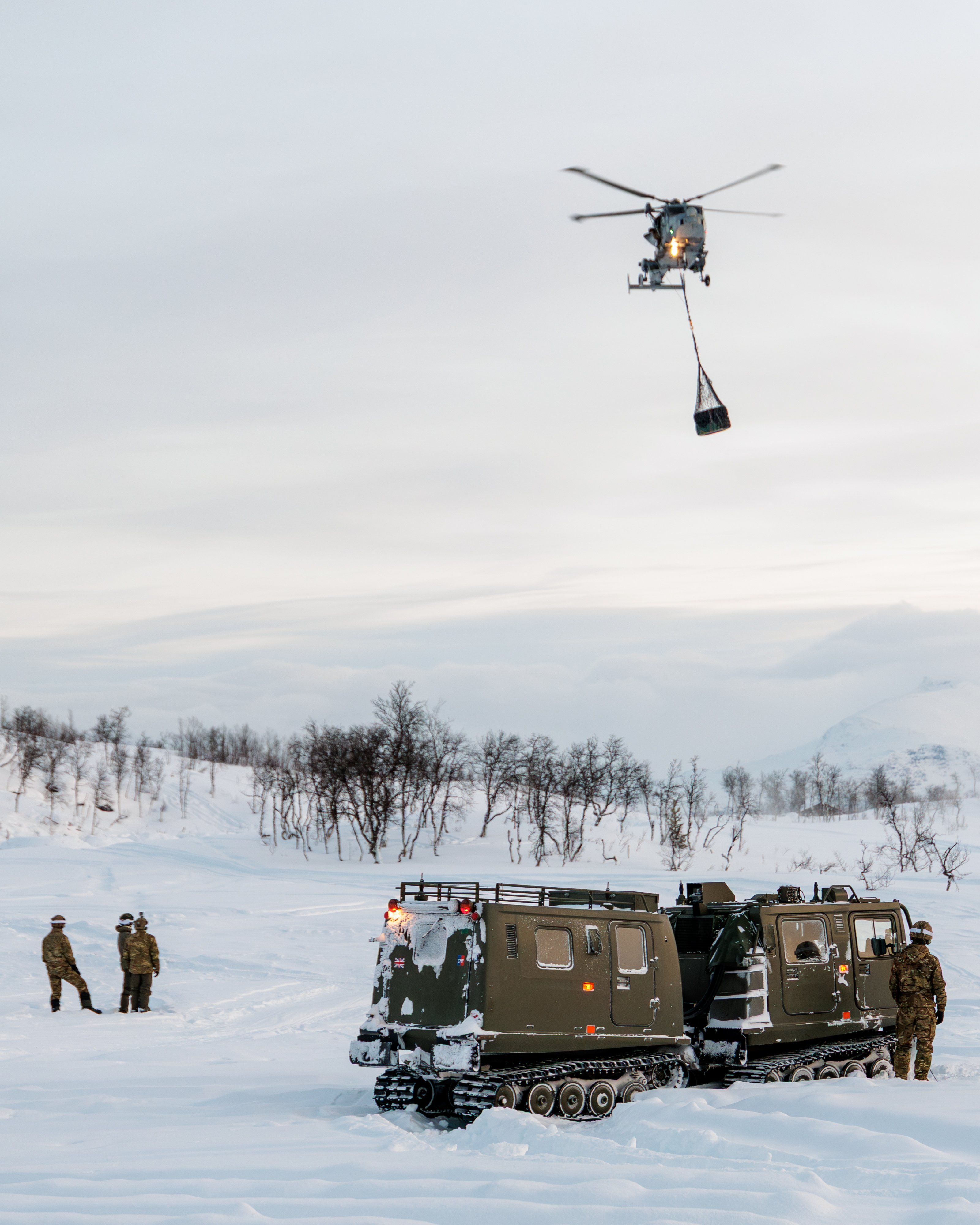
Alongside other NATO and JEF allies, the new LPDs will be expected to work together to protect critical undersea infrastructure and strengthen deterrence against emerging threats in these waters.
The new amphibious transport ships represent a major reset of Britain’s amphibious capability after years of uncertainty and force reductions. Operating alongside Dutch vessels, autonomous systems, and NATO partners, they are expected to become central elements of the Royal Navy’s future expeditionary and hybrid warfare model.
Contact the author: thomas@thewarzone.com
The post UK And Dutch Partner On Next-Gen Amphibious Assault Ships appeared first on TWZ.

