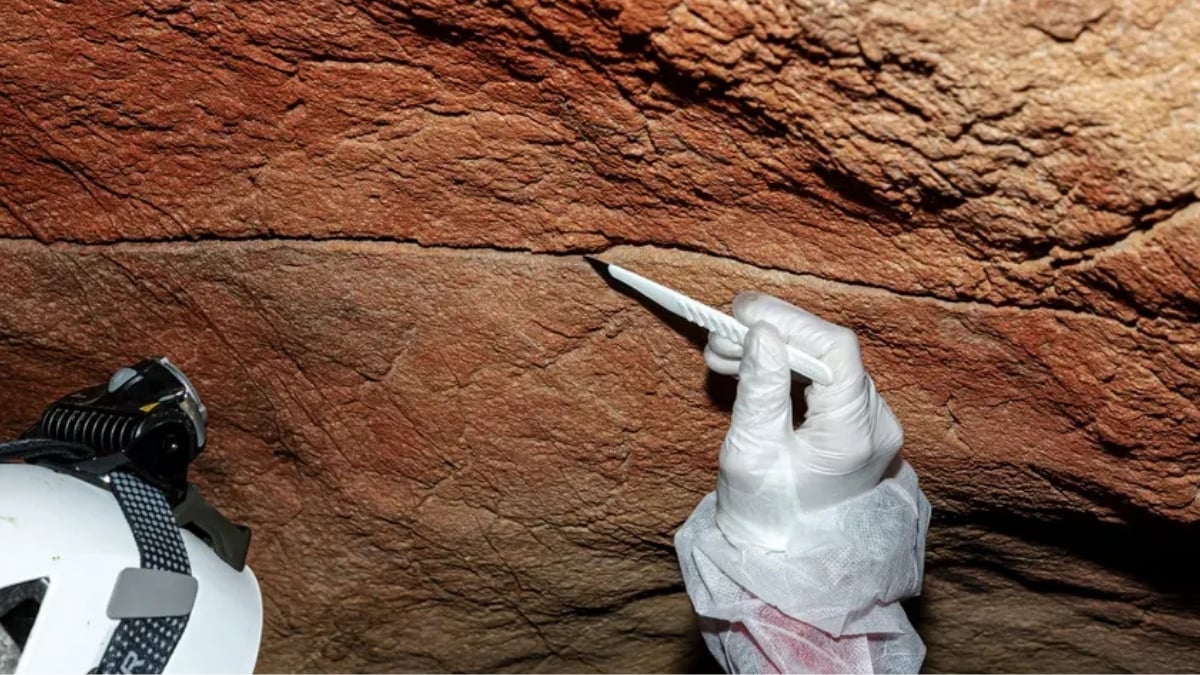
Испани болон Португалийн агуйнуудад хийсэн судалгаагаар эртний хүмүүсийн амьдарч байсан агуйн хананаас олон мянган жилийн настай хүний ДНХ-ийн ул мөрийг анх удаа амжилттай илрүүлсэн байна.
Макс Планкийн Хувьслын антропологийн хүрээлэнгийн судлаачид Испани болон Португалийн 11 агуйд байрлах 24 хадны зураг, дүрслэлийг шинжилжээ. Тэд агуйн хананд наалдсан кальцит бүрхүүл болон бусад олдвороос дээж авсан бөгөөд нийт 120 дээжийн тав нь хүний ДНХ агуулж байв. Эдгээр ДНХ-ийн ул мөр нь тухайн үед агуйд амьдарч байсан хүмүүсийн хөлс, шүлс болон бусад биеийн шингэнээс дамжин хананд үлдсэн байж болзошгүй гэж эрдэмтэд үзэж байна.
Энэхүү ололт нь археологийн судалгаанд цоо шинэ боломжийг нээж байна. Өмнө нь агуйн хадны зургийг бүтээсэн хүмүүсийг шууд тодорхойлох боломжгүй байсан бол одоо ДНХ-ийн шинжилгээний тусламжтайгаар тухайн зураг зурсан хүмүүсийн хүйс, популяци болон тэдний нүүдлийн түүхийг тодруулах боломжтой боллоо.
Судлаачдын баг цаашид энэхүү аргачлалаа илүү боловсронгуй болгож, агуйн хана нь хүн төрөлхтний өнгөрсөн үеийн генетикийн архив болохыг нотлохоор зорьж байна. Энэ нь эртний хүмүүсийн урлагийн сэтгэлгээ болон тэдний соёлын хөгжлийг танин мэдэхэд чухал хувь нэмэр оруулах юм.
Дэлгэрэнгүйг эх сурвалжаас харах
↓Эх сурвалжийг нээх ↓
Rock art links us to our bygone ancestors in a uniquely humanistic way.
For one, it reminds us of our longstanding inclination towards NSFW motifs, as evinced by a carving of a man attempting to scare off leopards.
But unlike other artifacts unearthed at ancient sites, rock art is difficult to link to its creators. Since it often adorns cave walls, it lacks a direct association with the excavated sediments and objects that typically harbor traces of DNA.
So this essential aspect of human culture, which elucidates the evolution of abstract and artistic thinking (perhaps even astronomical inklings), has remained “beyond the reach of paleogenetics” – until now.
In an anthropology-expanding study published in Nature Communications, an international team reports that human DNA can be preserved on cave walls for millennia.
“Although we cannot directly connect the traces of ancient human DNA we have found to the creation of rock art,” explains Alba Bossoms Mesa, an evolutionary anthropologist at the Max Planck Institute for Evolutionary Anthropology (MPI-EVA).
“This is the first evidence for human DNA preservation on cave walls for thousands of years.”
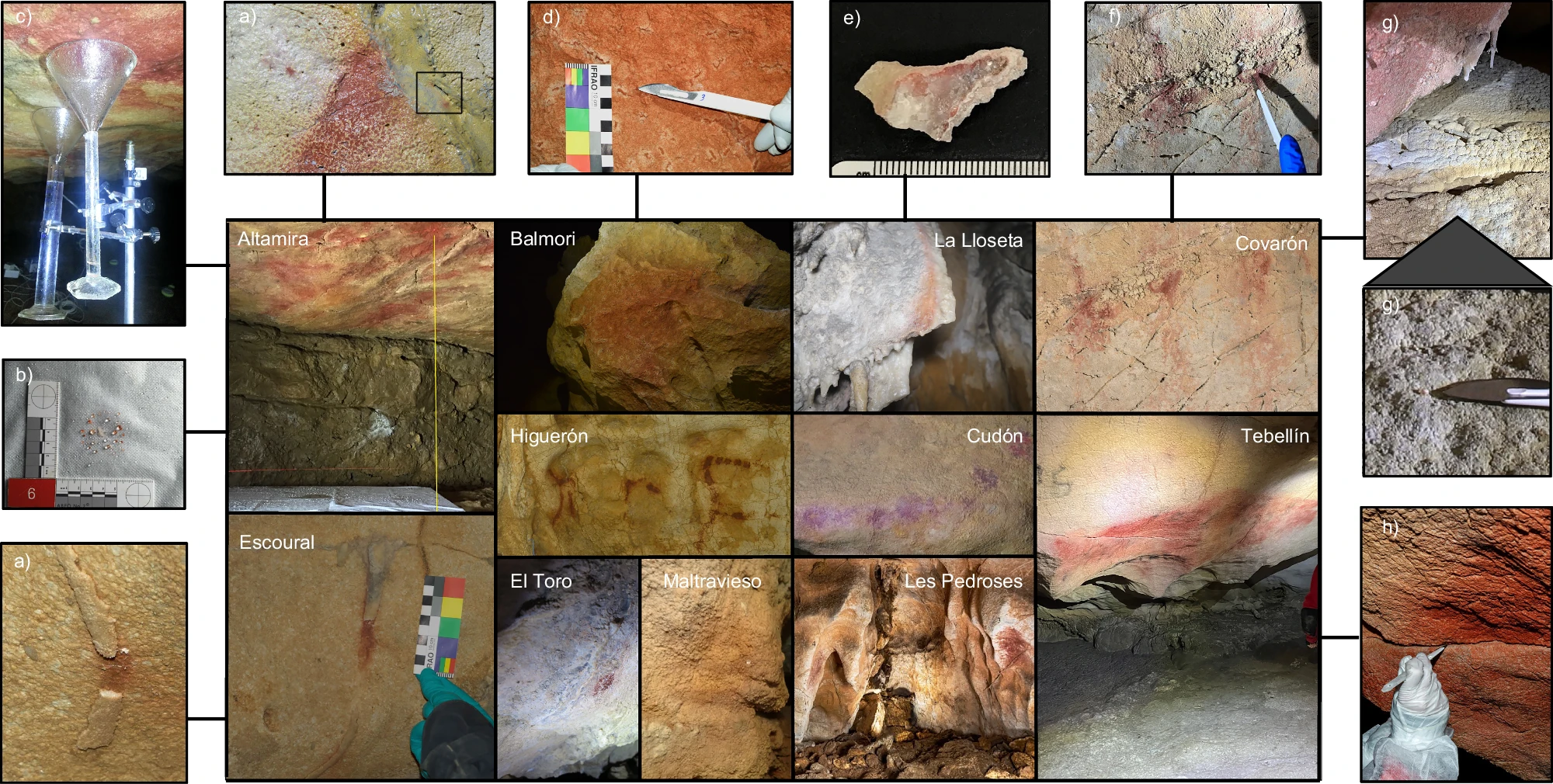
As part of the First Art project, a multidisciplinary alliance formed to chemically decipher the world’s oldest cave artistry; the researchers analyzed 24 rock art panels – ranging from simple lines and shapes to figurative art and hand stencils – from 11 caves across Spain and Portugal.
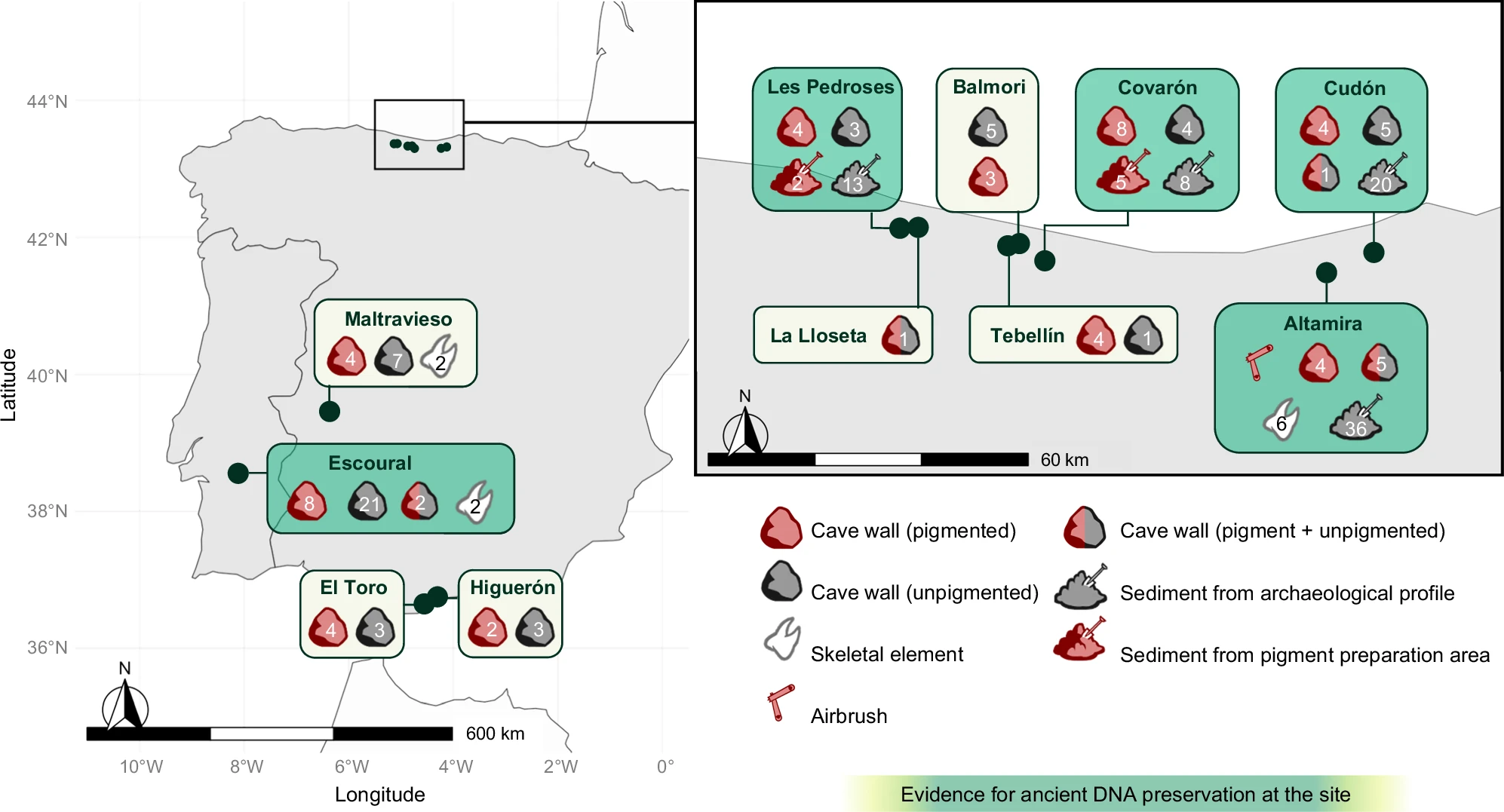
The team also analyzed sediments from the cave floors where pigments were apparently prepared, as well as a red-ochre-stained bird bone likely used as an airbrush.
Incidentally, they discovered sperm whale DNA at one site, suggesting that these marine mammals were hunted for food (either that or we’ve found history’s most remarkable cave artist).
Overall, of the 120 cave wall samples collected, just 5 yielded human DNA.
However, only two contained solely human genetic information, deposited directly, it suggests, by sweaty hands, spittle flying through a bird-bone airbrush, or bodily fluids.
The other three samples also contained faunal (animal) DNA, suggesting they were deposited indirectly, such as by inflowing water.
Surprisingly, four of these five samples originated from the unpainted portions of the cave walls, which had been sampled as negative controls.
And, alas, no ancient DNA was recovered from the bone airbrush, probably because any fragmented signal was swamped by contamination of the sample with present-day human DNA.
But since only a single rock art panel yielded human DNA, this preservation appears rare.
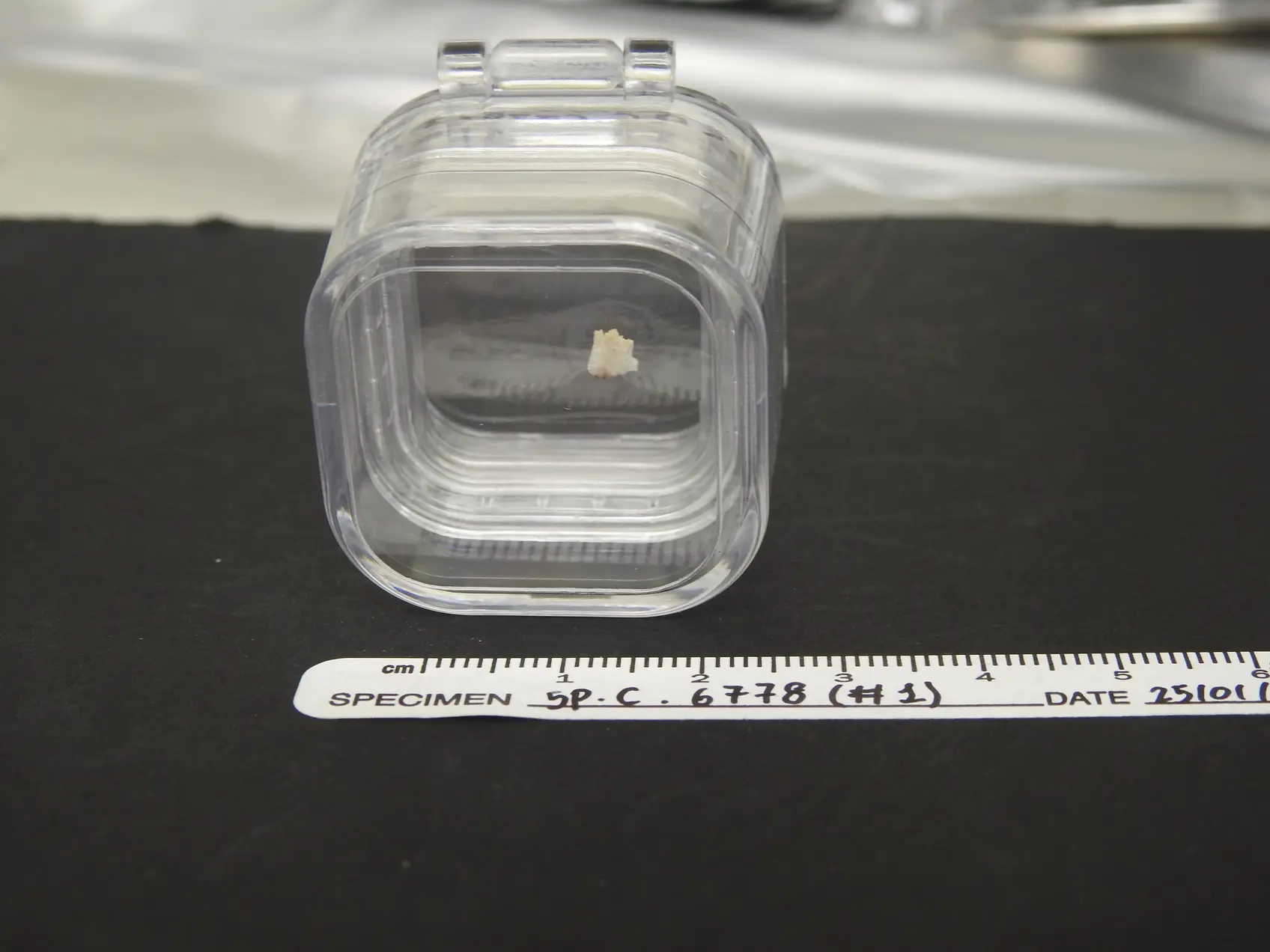
Though there’s a silver lining: this preserved DNA came from a sample crusted with calcite, a common, globally present rock-forming mineral that forms limestone and marble.
Future examinations may focus on similar scenarios.
“Given the enormous sensitivity of current ancient DNA analysis techniques, we were eager to see if this type of contact could leave traces of DNA in the rock art, potentially allowing us to obtain genetic profiles from the makers of the art,” notes Hipólito Collado Giraldo, an archaeologist and rock art specialist at the Extremadura Government in Spain, and the study’s co-lead author.
In fact, it did, showing that the DNA disentangled at the Covarón cave site in Spain came from modern humans and belonged to a Western hunter-gatherer genetic cluster common to Iberian peoples.
Therefore, even if genetic preservation in cave art is, as Bossoms Mesa says, “highly variable,” it’s an invaluable canvas for telling essential stories to piece together the paleo puzzle.

Further work will be necessary to fine-tune the methods demonstrated.
“While these first results are promising, I think our priority now should be to refine the methods and to understand under what conditions we can expect a higher success rate,” Bossoms Mesa explains.
Related: Ancient DNA Helps Solve Multiple Sclerosis Mystery in Europe
With more samples, the researchers hope they can ask new questions of rock art sites:
“Who touched this wall? Was it a man or a woman? Which population did they belong to? How far did ancient humans venture into deep cave systems?” asks Matthias Meyer, a paleogeneticist at MPI-EVA and senior author who co-led this study with Collado Giraldo.
So this emerging strategy holds much promise.
Ostensibly, any cave wall, even the unadorned, may hold evidence of its antediluvian inhabitants, tracing migrations and providing clues about which populations cultivated certain cultures and created characteristic arts and artifacts.
“This is just the beginning,” concludes Meyer.
“We now know that cave walls are genetic archives of past human presence. The next step is to test more sites, art styles, and techniques, especially hand stencils and figurative art in caves with good molecular preservation, as far as minimally invasive sampling allows.”
This research was published in Nature Communications.
This article was fact-checked by Clare Watson and edited by Rebecca Dyer. While we pride ourselves on our process, we are only human. If you spot a mistake, please let us know.

