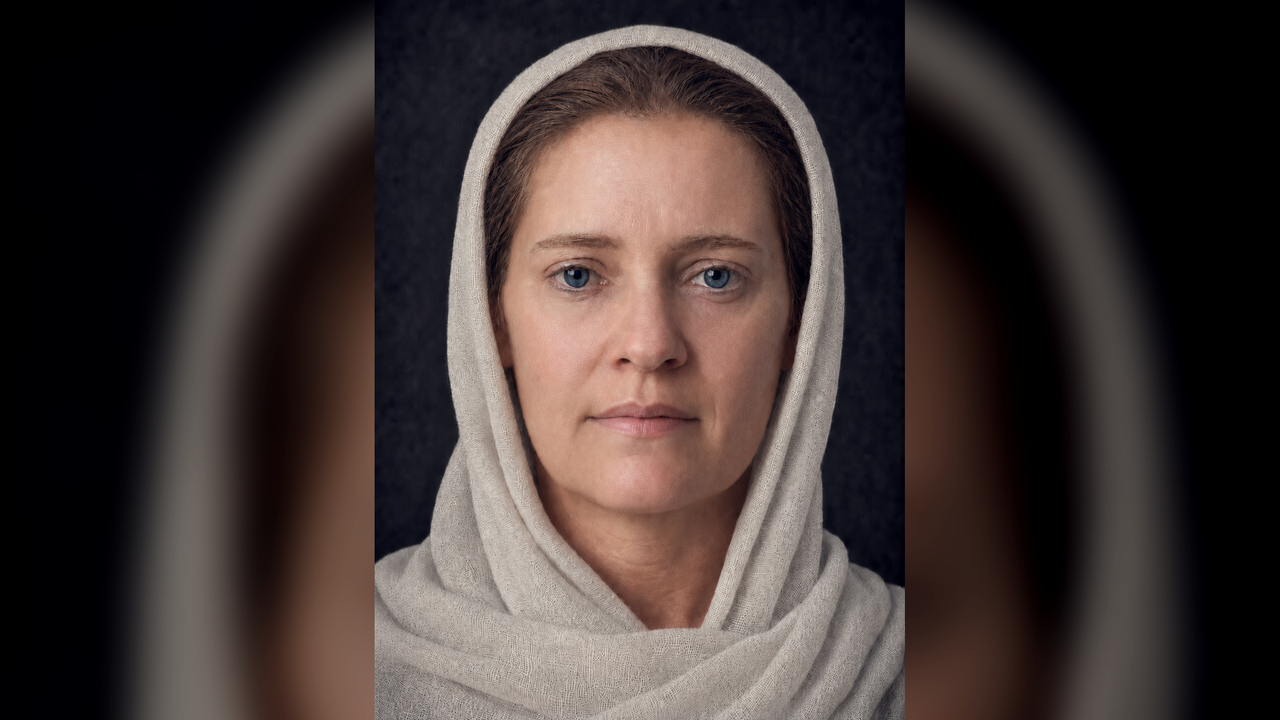
Археологичид Шведийн дундад зууны үеийн оршуулгын газруудад хийсэн ДНХ-ийн шинжилгээгээр нэг булшинд хамт оршуулагдсан хүмүүс хоорондоо цусны холбоогүй болохыг тогтоов.
Шведийн Стокгольмын их сургуулийн судлаачид 10-14-р зууны үед хамаарах гурван оршуулгын газраас олдсон 142 хүний араг ясанд ДНХ-ийн шинжилгээ хийжээ. Урьд нь судлаачид нэг булшинд насанд хүрэгчид болон хүүхдүүдийг хамт оршуулсан байдлыг тэднийг гэр бүлийн хамааралтай гэж таамагладаг байсан ч шинжилгээгээр энэ нь ихэнх тохиолдолд үнэн биш болох нь нотлогдсон байна. Тус судалгааг ахалсан палеогенетикч Маяа Крзевинскагийн тайлбарласнаар, нэг булшинд оршуулагдсан хүмүүс ихэвчлэн ижил хүйстэй байсан ч биологийн хувьд ямар нэгэн ойр дотнын холбоо бараг илрээгүй аж.
Энэхүү ер бусын оршуулгын зан үйл нь Скандинавын хойгт Христийн шашин дэлгэрч эхэлсэн үеийн шашны дүрэм журамтай холбоотой байж болзошгүй гэж эрдэмтэд үзэж байна. Тухайлбал, баптисм хүртэж амжаагүй хүүхдүүдийг ариун сүмийн оршуулгын газарт оршуулахыг хориглодог байсан тул тэднийг насанд хүрэгчдийн булшинд хамт оршуулж, шашны хоригийг тойрч гарах арга хэрэглэдэг байсан байж магадгүй юм. Түүнчлэн өвөл газар хөлдүү үед нас барсан хүмүүсийг хавар болоход хамтад нь оршуулдаг байсан байж болох талтай.
Судалгааны багийн гишүүн, археологич Анна Кьеллстром энэхүү нээлт нь эртний ДНХ-ийн шинжилгээ нь археологийн маргаантай асуудлуудыг шийдвэрлэхэд хэр чухал болохыг харуулж байна гэв. Тухайн үеийн нийгэмд биологийн хамаарлаас гадна орон нутгийн шашны бүлгэмд харьяалагдах нь оршуулгын газрыг сонгоход гол үүрэг гүйцэтгэж байжээ. Гэсэн хэдий ч Вэстерхус оршуулгын газраас олдсон “Хатагтай 56” хэмээн нэрлэгдсэн мөргөлчин эмэгтэйн булш нь тухайн гэр бүлийнхэн олон үеэрээ нэг газар оршуулагддаг байсныг баталж, тухайн үеийн оршуулгын уламжлал ялгаатай байсныг харуулж байна.
Дэлгэрэнгүйг эх сурвалжаас харах
↓Эх сурвалжийг нээх ↓
Early Christian communities in Sweden often buried children in the same grave with adults, but archaeologists have found that these individuals rarely shared close biological ties, raising the question of how medieval people interred their dead.
In a new study, researchers analyzed the DNA of 142 skeletons from three cemeteries in Sweden dating to the 10th to 14th centuries, focusing on collective burials in which two or more people were buried in the same tomb.
“We often assume that adults and children sharing a grave were parents and children or other close family members,” study first author Maja Krzewińska, a paleogeneticist at Stockholm University, said in a statement. “In most cases, that was not what we found.”
The researchers determined that most burials containing multiple individuals held both adults and children and that the people buried together were usually of the same sex — a woman buried with a girl or a man buried with a boy. But the DNA analysis held a surprise: People buried together rarely exhibited close biological kinship, the researchers wrote.
When Christianity spread across Scandinavia starting in the late 10th century, burial practices became more uniform. Graves were oriented east to west, and people were buried in a simple shroud without any grave goods. Baptized individuals were allowed to be interred in consecrated cemetery grounds, while babies who died before they could be baptized were excluded.
“We have previously analyzed a burial containing an adult and the remains of a fetus, which we believe represents an unbaptized individual,” Krzewińska told Live Science in an email.
These unusual burial arrangements likely point to early Christian traditions. For instance, some of the children buried with adults in the new study may have been unbaptized. Normally ineligible for burial in the cemetery, the children may have been opportunistically interred with an adult to get around religious norms. Other burials may reflect unrelated people buried together in the spring after passing away in the winter, when burial in the frozen ground was impossible.
“We also believe, based on more distant genetic affinity, that some co-burials represent more distant family relations, or even non-biological kin group relations,” Krzewińska said.
In early medieval Scandinavia, households often included extended relatives, servants, employees and enslaved individuals, the researchers wrote. While biological kinship played a large role in the organization of society, membership in the local Christian community may have been equally important in determining where and with whom to bury a deceased person.
“Archaeologists have debated the relationships between people buried together in this type of grave for a long time,” study co-author Anna Kjellström, an archaeologist at Stockholm University, said in the statement. “Ancient DNA has finally given us the tool we have been waiting for to test these interpretations directly.”
We are family
In addition to collective burials of unrelated people, the archaeologists discovered evidence that some families were buried within the same cemetery over several generations. One burial, known as Lady 56, was a Christian pilgrim who anchored three generations of relatives.
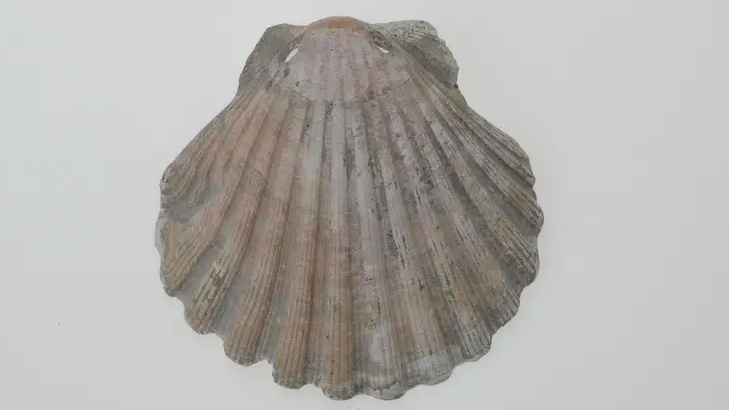
Lady 56 died when she was around 30 years old. She was buried with a rare scallop shell, a symbol of the apostle James, that she obtained after completing a pilgrimage to Santiago de Compostela, a town in northwest Spain on the edge of Christian Europe.
The researchers also identified Lady 56’s kin group, which was of particular importance to the community and stretched over generations in the Västerhus cemetery, Krzewińska said. The DNA analysis revealed that Lady 56’s parents, brother and daughters were also buried in the same cemetery, but in different places.
Västerhus was part of a wealthy landowner’s farm from the 11th to 14th centuries, and the cemetery contained the remains of more than a dozen members of a biologically related group, many of whom were interred with members of a different kin group.
The DNA connections between the main Västerhus family and other kin groups in the cemetery support the special status of the main family. These close-kin burials highlight the importance of ancient-DNA testing, as different burials from the same time and region can follow very different traditions.
What do you know about Jesus Christ, the man? Test your knowledge of biblical archaeology with our Jesus Christ quiz!

