AP-NORC байгууллагын явуулсан санал асуулгаар Америкийн еврей иргэдийн дунд Израйль улсын үүрэг, ач холбогдлын талаар үе хоорондын ялгаа тод илэрч байна.
АНУ-ын еврей иргэдийн дунд явуулсан шинэ судалгаагаар Израйль улсыг шашны болон үндэсний ижилсэлдээ чухалд тооцох хандлага нь насны бүлгээс хамааран эрс ялгаатай байгааг AP-NORC төв мэдээлэв. Ахмад үеийнхэн Израйлийг еврей үндэстний аюулгүй байдлын баталгаа гэж үздэг бол залуу үеийнхэн шашны баяр ёслол, нийгмийн шударга ёсны үнэт зүйлсийг илүүд үзэх болжээ.
2023 оны аравдугаар сарын 7-нд Хамас бүлэглэл Израйль руу довтолж, үүний хариуд Газад цэргийн ажиллагаа эхэлснээс хойш энэхүү үзэл бодлын зөрүү улам гүнзгийрсэн байна. 45-аас дээш насны еврей иргэдийн бараг тал хувь нь Израйлийг дэмжих нь өөрсдийн ижилсэлд маш чухал гэж үздэг бол 45-аас доош насны бүлэгт энэ үзүүлэлт 40 хувь хүрэхгүй байна.
Залуу үеийн төлөөлөгчид Израйлийн явуулж буй цэргийн ажиллагаа нь дэлхий дахинд антисемитизмыг өдөөж, еврейчүүдийн аюулгүй байдалд сөргөөр нөлөөлж байна гэж шүүмжилдэг. Судалгаанд оролцсон 45-аас доош насны шашин шүтлэгтэй еврей иргэдийн гурав орчим хувь нь Израйлийг Газад геноцид үйлдсэн гэж үзэж байгаа нь ахмад үеийнхний дунд харьцангуй бага хувийг эзэлж байна.
Харин ахмад үеийнхэн Израйль улсыг Холокост зэрэг эмгэнэлт явдлууд дахин давтагдахаас сэргийлэх гол хүчин зүйл хэмээн онцолж, улс орны оршин тогтнох эрхийг хамгаалах нь еврей хүний үүрэг гэж үздэг. Энэхүү зөрчил нь АНУ-ын еврей нийгэмлэг доторх улс төрийн болон шашны үзэл баримтлалын хуваагдлыг тод харуулж байна.
Дэлгэрэнгүйг эх сурвалжаас харах
↓Эх сурвалжийг нээх ↓
A significant generational chasm has emerged among Jewish adults in the United States regarding the centrality of Israel to their religious identity, a new poll reveals. While older Jewish Americans often view support for Israel as a core component of their faith, younger generations are increasingly prioritizing other forms of connection, such as celebrating Jewish holidays.
This divergence, highlighted by an AP-NORC poll, suggests that the differing perspectives on Israel’s actions since the Hamas-led October 7, 2023, attack and the ensuing war in Gaza extend beyond political affiliations into the very fabric of religious identity.
Cameron Bernstein, a 27-year-old medical student in New Orleans, exemplifies this shift. Though raised with strong ties to Israel, where she celebrated her bat mitzvah, she now states that “it doesn’t play a role in my life, more than another country with people I love.”

The survey, conducted by The Associated Press-NORC Center for Public Affairs Research among 1,022 Jewish adults, indicates this split is particularly pronounced among those who identify as religiously Jewish. Jewish adults who are religiously unaffiliated but identify as Jewish in other ways generally report less emotional connection to Israel.
Among religiously Jewish adults, who constitute 68% of the total Jewish adult population, approximately six in ten across all age groups consider being Jewish “extremely” or “very” important in their lives. However, the importance placed on Israel varies sharply by age.
About half of older religious Jewish adults (45 and older) say supporting Israel is “extremely” or “very” important for their Jewish identity, a figure comparable to those who prioritize celebrating Jewish holidays. In contrast, only about four in ten younger religious Jewish adults (under 45) emphasize support for Israel, while roughly seven in ten consider celebrating Jewish holidays highly important.
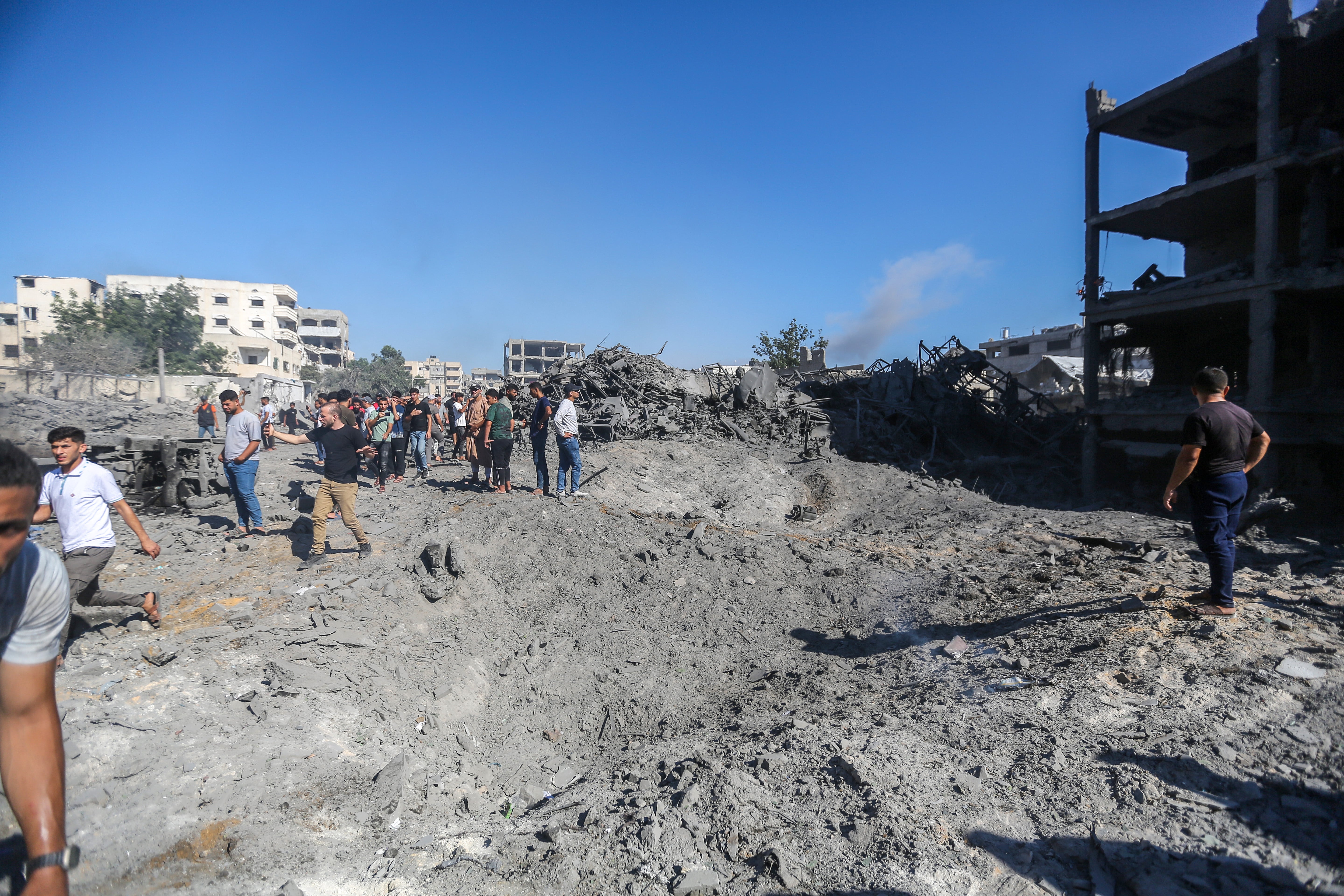
Susan Boyer, 72, from Southern California, equates supporting Israel with upholding the right of the Jewish people to a homeland in the Middle East. Like many Jewish Americans of her generation, she views Israel as an essential refuge against the potential recurrence of large-scale massacres, such as the Holocaust, especially amid rising concerns about antisemitism.
“I’ve been defending myself as a Jew since I was a child … getting mugged by girls in my classes for being a Jew,” Boyer said. “It’s invasive into your daily living that you have to constantly, constantly be defending yourself as a Jew, constantly making sure that nobody is redefining you or nobody is like insulting your land.”
Conversely, Ari Pollack, a 30-year-old arts fundraiser in Wisconsin, believes Israel’s military operations, particularly in recent years, fuel antisemitism and diminish safety for Jews globally.
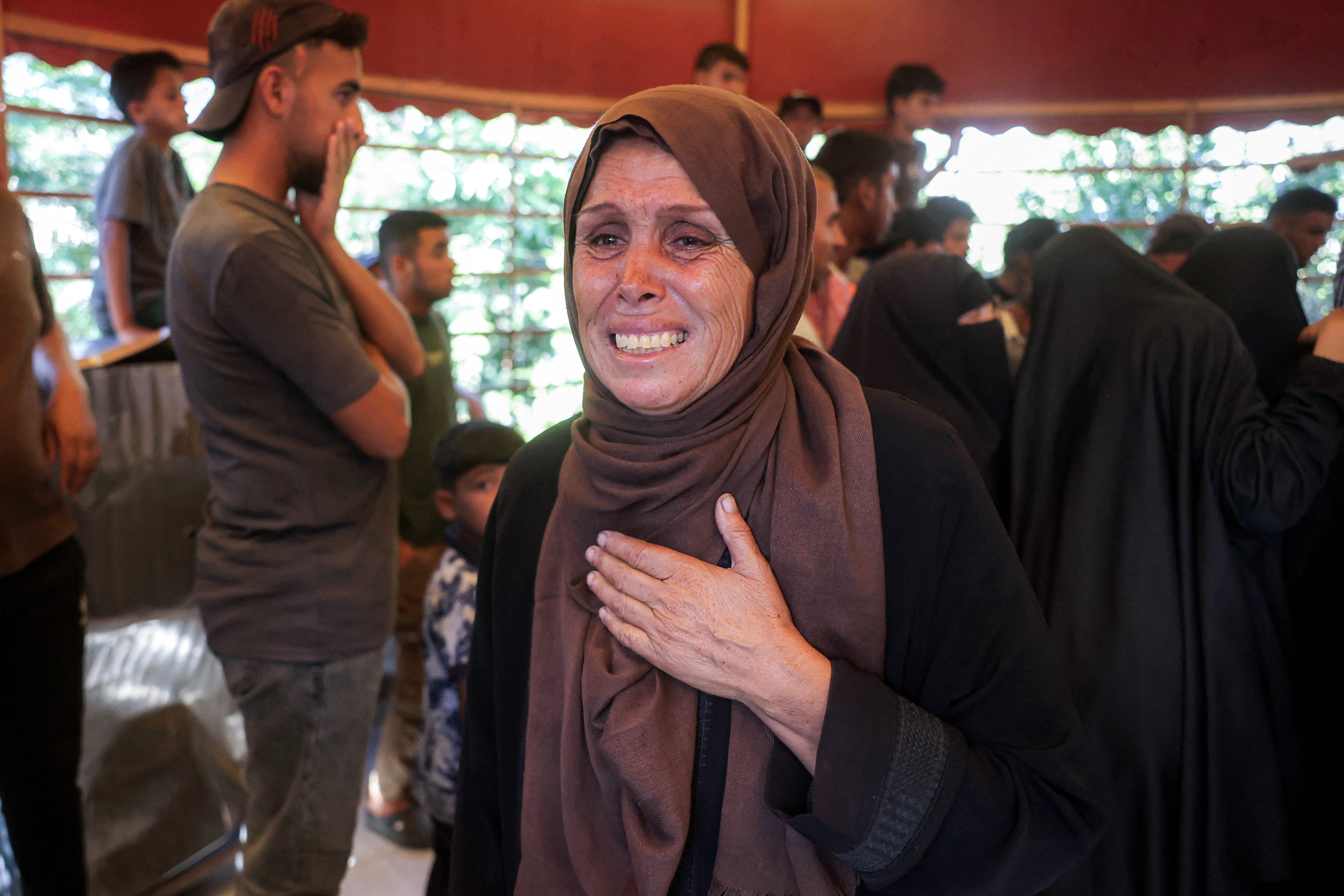
“I’m personally pretty opposed to basically everything Israel’s doing these days,” said Pollack, who attended religious school. He added, “A source of a lot of frustration that I have for the Jewish establishment is that sort of dogmatic teaching of pro-Israel ideas that I’ve had to unlearn as an adult. And it’s part of what’s kept me away from, you know, attending regular synagogue services.”
Approximately three in ten religiously Jewish adults under 45, including Pollack, believe Israel has committed genocide during the war in Gaza, a charge Israel vehemently denies. This view is held by about two in ten Jewish adults aged 45 and older.
The poll also suggests that other aspects of Judaism retain significant importance for many younger Jewish adults. Americans under 45 who identify as religiously Jewish are more likely than their older counterparts to consider marking Shabbat or adhering to dietary laws, such as avoiding pork or shellfish, highly important to their Jewish identity.
Phoebe Wapnitsky, a 32-year-old from Connecticut, strongly opposes Israel’s military actions, perceiving them as inconsistent with Jewish values. “Standing against oppression, promoting social justice — those are the roles that Judaism plays in my life,” she stated, noting her disconnection from Israel predated the October 7 attack.
Brian Ebarb, a 47-year-old attorney in Louisiana, also defines his Jewish identity through “action and community,” which for him includes supporting Israel. “When the government makes mistakes, it should be criticized,” he said, but cautioned against allowing such criticism to become a pretext for attacking an entire people. “The existence of the state of Israel is so precarious that we have to be careful and not allow criticism of Israel to become criticism of Jews worldwide.”