АНУ-ын засаг захиргааны гадаад бодлого болон Кубын эдийн засгийн хямрал тус улсын улс төрийн тогтолцоонд томоохон өөрчлөлт авчрах эсэх нь олон улсын анхаарлыг татаж байна.
Кубын эдийн засаг аялал жуулчлалаас хэт хамааралтай болж, эрчим хүчний болон хангамжийн гүнзгий хямралд өртөөд байна. 2026 оны зургадугаар сард АНУ-ын ерөнхийлөгч Дональд Трамп Кубын компаниудтай бизнес эрхэлдэг аж ахуйн нэгжүүдийг шийтгэх тухай гүйцэтгэх захирамж гаргаж, эдийн засгийн хориг арга хэмжээгээ чангатгав. Үүний улмаас Sherritt International болон SOL by Meliá зэрэг гадаадын томоохон компаниуд үйл ажиллагаагаа зогсоосон нь тус улсын уул уурхай, эрчим хүч, аялал жуулчлалын салбарт хүнд цохилт боллоо.
АНУ-ын засаг захиргаа 2026 оны нэгдүгээр сарын 3-нд Венесуэлийн ерөнхийлөгч Николас Мадурог баривчилсан нь бүс нутгийн улс төрийн нөхцөл байдлыг өөрчилсөн томоохон үйл явдал болсон юм. Энэхүү үйл ажиллагаа нь Кубын засгийн газарт үзүүлэх дарамт шахалтын загвар болж болзошгүй гэсэн таамаг Кубын цагаачдын дунд өрнөж байна. Гэсэн хэдий ч Кубын улс төрийн бүтэц гүнзгий суурьшсан тул АНУ-ын цэргийн хөндлөнгийн оролцоо нь бодлогын шинэчлэлд хүргэх эсэх нь тодорхойгүй байгааг шинжээчид тэмдэглэжээ.
Кубын эрх баригчид олон улсын хориг арга хэмжээ болон дотоодын хямралыг даван туулахын тулд цагаачлалын хямралыг ашиглах эрсдэлтэй хэвээр байна. АНУ-ын зүгээс Венесуэлийн ерөнхийлөгчийн үүрэг гүйцэтгэгчээр Делси Родригесийг 2026 оны нэгдүгээр сарын 5-нд томилсон нь Латин Америкийн улс орнуудын бүрэн эрхт байдалд хэрхэн нөлөөлөх нь анхаарал татсан хэвээр байна. Одоогийн байдлаар Кубын ард иргэд улс төрийн тодорхойгүй байдал болон эдийн засгийн хүндрэлийн дунд гацчихаад байна.
Дэлгэрэнгүйг эх сурвалжаас харах
↓Эх сурвалжийг нээх ↓
As I consider the dire economic and political turning point my home country of Cuba is facing today, the words of Cuban singer Willy Chirino’s “Nuestro día ya viene llegando (Our day is coming)” come to mind like they did in the 1990s:
“Hoy que mi pueblo vive ilusionado, yo me siento inspirado y un Son estoy cantando anunciándole a todos mis hermanos, que nuestro día viene llegando.” This translates to, “Now that my people live filled with hope, I feel inspired and a Son I am singing, telling all my brothers, that our day is coming.”
Many Cubans in the diaspora of nearly 3 million in the U.S., including some of my own friends and family members, believe the days of the Cuban failed political system on the island are almost over.
As a Cuban American and a senior lecturer in global and intercultural studies, I am curious and concerned about what the country’s next chapter will be.
Memories of Havana
Growing up in Havana’s Chinatown neighborhood, I witnessed firsthand Cuba’s economic transformation in the early 1990s, during the euphemistically named “Special Period in a Time of Peace” following the collapse of the USSR.
At the time, I was completing my compulsory military service. I saw how the supplies provided by the Eastern Bloc to the Cuban military started to dwindle. Little by little, basic supplies, such as boots and uniforms, were no longer being replaced when they got worn out.
Back home during my weekends off, I started to see changes in my neighborhood. Privatization and commercialization were taking over my old street. The building across from our apartment was being remodeled into a three-story Chinese restaurant called El Pacífico. The many Cuban and Chinese families who had lived there were relocated to apartments on the outskirts of Havana.
Chinatown was open for business. This was the first of many neighborhoods in Havana that started to be commodified for tourism in the 1990s. Nevertheless, Cuba’s government maintained its socialist messaging to the Cuban people: Collective ownership and equality can be provided and guaranteed only by the socialist state.
But at the same time, it was making agreements with international capitalist enterprises, such as the hotel chain then called Sol Meliá, or other projects, including Fidel Castro’s international promotion of Cohiba cigars. And these contradictions were becoming harder to hide from the people in changing neighborhoods like Chinatown.
A nuanced authoritarianism
In the early years after the revolution that brought Fidel Castro’s government to power in 1959, the government held popular tribunals in which those perceived as standing in the way of socialist ideals were put on trial. Most of the accused were found guilty without due process and either endured long prison sentences or faced execution squads.
This dogmatic approach to revolutionary citizenship led to the horrible treatment of any perceived as nonconformist, such as LGBTQ people, hippies or punks.
These dissidents were sent to labor camps designed to transform “questionable” people into Che Guevara’s ideological concept of the “hombre nuevo” – the new revolutionary man.
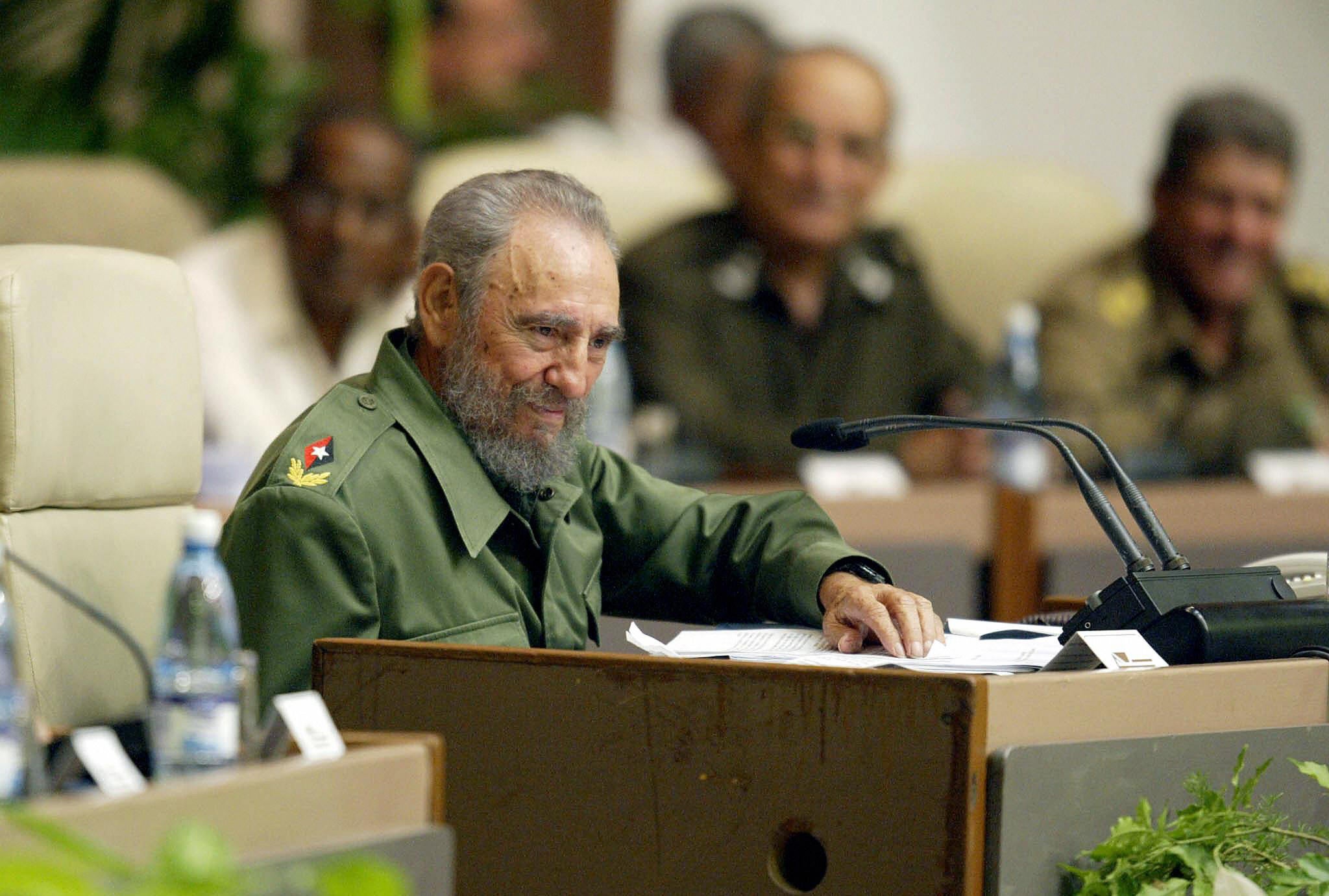
But in the past 20 years, Cuba’s more progressive social policies have helped to redeem the authoritarian excesses of the revolution’s early years. This has helped to guarantee the government’s survival.
One of the few Latin American countries to legalize gay marriage, Cuba has also gained a global reputation in its many advances toward gender equity. In fact, Mariela Castro, Raúl Castro’s daughter, is now the leading voice of the LGBTQ+ movement in Cuba.
Those most affected by the U.S. sanctions and Cuban government antipathy are “los cubanos de a pie,” that is, “Cubans on foot.” This is a large majority of the population that has very little income, no connection to the government and no access to the new private-public partnership business model in Cuba known as “mipymes” and no remittances from relatives living abroad. Today, they are crying out for a change – any change.
What has – and hasn’t – happened in Venezuela
The tactics used by President Donald Trump’s administration on Jan. 3, 2026, to capture Venezuelan president Nicolás Maduro set the road map for what many in the diaspora expected would follow in Cuba.
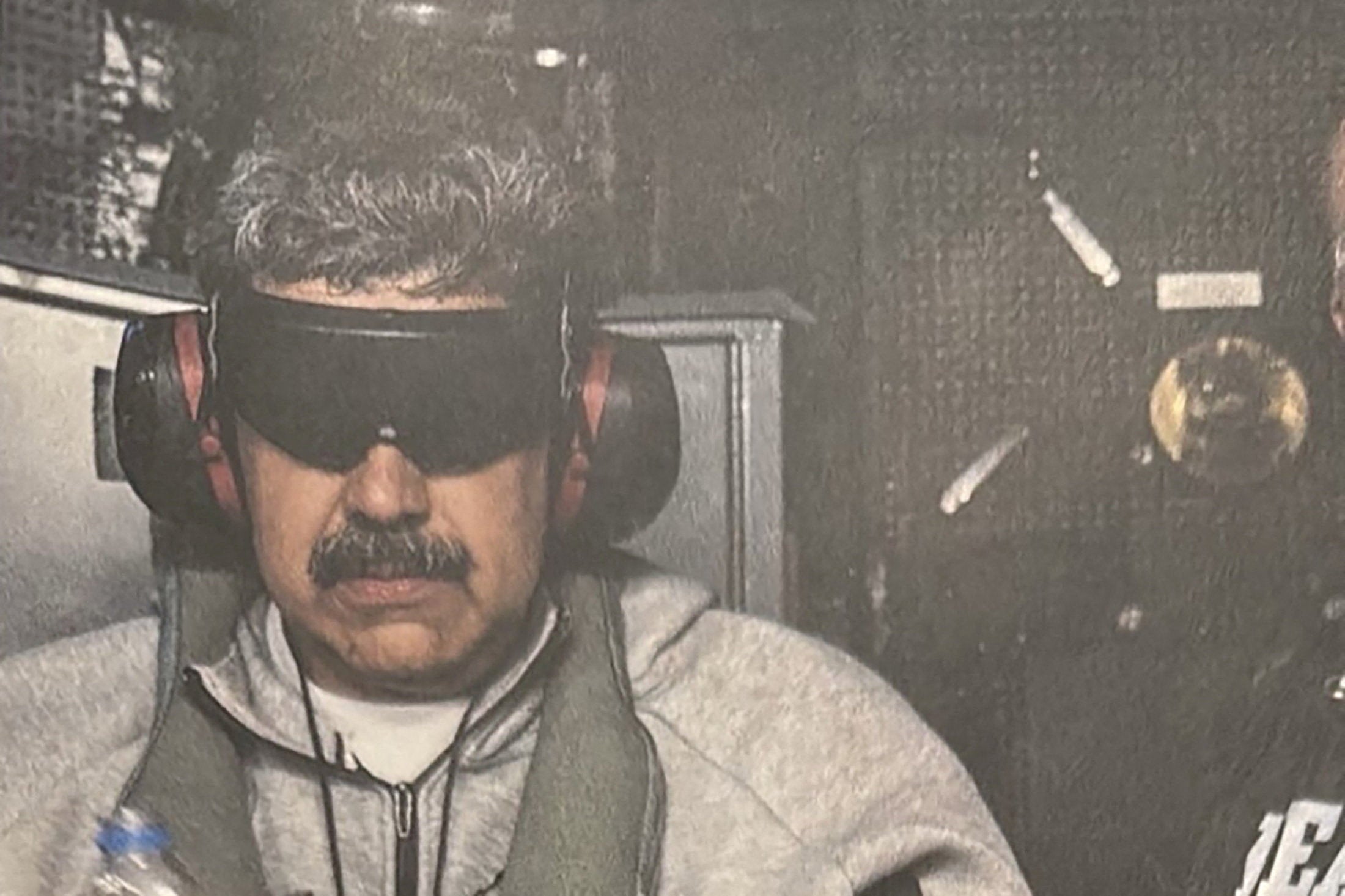
Many Latinos, including Cubans and Cuban Americans living in the United States, were in favor of this action, especially the old generation of Miami Cuban and Venezuelan exiles who have long supported the Republican Party.
On the island, many Cubans are willing to accept a U.S. invasion if it means things will change. They feel that if Cubans are not going to have access to any of their country’s resources, it might as well be in the hands of the United States.
What very few have discussed publicly, however, both in the Cuban community and outside of it, is what has – or has not – happened in Venezuela since the U.S. took Maduro. Few are asking: Has the political system really changed? Is Venezuela better off now than under Maduro?
Trump has yet to publicly state his aims for the future of Venezuela, outside of taking over its oil industry. The U.S. appointed acting President Delcy Rodriguez on Jan. 5, 2026, but it’s not clear what this bodes for Latin American sovereignty.
A U.S. military capture of Cuban President Miguel Díaz-Canel and even the aged Raúl Castro, who has been indicted by the U.S. judicial system, might have symbolic power but, in my opinion, is not likely to repopulate Havana’s Palacio de Gobierno with fresh political perspectives.
In Cuba, the trappings of the old regime remain deeply rooted in the country’s political infrastructure, and the threat of U.S. military intervention is nothing new for the Cuban government that has outlasted many U.S. administrations.
The Cuban government also knows it can create chaos in the Caribbean by unleashing another migratory crisis. This leverage, of course, comes at the expense of “los cubanos de a pie.”
What’s next for Cuba
The Cuban economy, heavily reliant on tourism, faces unprecedented pressures.
With the specter of U.S. intervention looming, many foreign companies operating on the island have decided to leave. The abrupt departure of companies such as mining company Sherritt International and the SOL by Meliá hotel chain has undermined mining, tourism and energy in Cuba.
And in June 2026, Trump further hardened sanctions with an executive order that punishes companies doing business with Cuban companies. This additional economic pressure seems to be creating some momentum and fragmentation to force the Cuban government into a dialogue that favors the U.S. agenda.
Juan Carlos Albarran is a Senior Lecturer of Global and Intercultural Studies at Miami University. This article is republished from The Conversation under a Creative Commons license. Read the original article.
Add to this the fact that oil imports from Venezuela and other countries, including Mexico and Russia, have dissipated, causing a major energy crisis, and it’s clear that change is urgently needed – but in which direction?
Uncertainty and hope remain
As days pass, the uncertainty remains, and the voice of the Cuban people is obscured behind the political clamor between the Cuban and U.S. governments.
Like Willy Chirino, I long for a day when I can come back to Cuba with my now-teenage children to show them where I was born and introduce them to their relatives still living on the island, with the hope of building a real future together.
In the meantime, as I sip a cortado in a Midwestern college town, another 1990s popular song comes to mind. It comes from Los Van Van, a Cuban band formed during the exciting early revolutionary years, beloved by Cubans inside and outside the island: “Orula, para todos los Cubanos, Ashé yo te pediré,” which translates to, “Orumila, Yoruba deity, blessings for all the Cubans is what I am asking for.”