Тус хотын цагдаагийн байгууллага мэдээллийн аюулгүй байдал болон хувийн нууцлалтай холбоотой асуудлаар Flock Safety компанийн автомашины дугаар таних камерын системийг ашиглахаа түр зогсоов.
Лос-Анжелес хотын Цагдаагийн комисс мягмар гарагт тус байгууллагын ашиглаж буй автомашины дугаар таних (ALPR) систем болон Flock Safety компанитай байгуулсан гэрээний асуудлыг хэлэлцэхээр товлоод байна. Цагдаагийн газраас мэдээлснээр, тус компанитай хамтран ажиллах гэрээний хугацаа өнгөрсөн бямба гарагт дууссан бөгөөд мэдээллийн эзэмшил, хяналтын талаарх тодорхой бус нөхцөлүүдээс шалтгаалан гэрээг үргэлжлүүлэхээс татгалзжээ. Одоогоор Лос-Анжелес хотын хэмжээнд Flock Safety-ийн 138 камер байршсан байгаа юм.
Цагдаагийн газрын Ерөнхий байцаагч Мэттью Барраган шинэ камер суурилуулах болон шинэ гэрээ байгуулахыг түр зогсоохыг зөвлөсөн байна. Тэрээр хэрэв уг технологийг үргэлжлүүлэн ашиглах тохиолдолд гэрээ бүрийг Цагдаагийн комиссоор батлуулж, мэдээллийн аюулгүй байдал, нууцлалыг хангах, мэдээлэл ашиглалтад хатуу хяналт тавих шаардлагатай гэж үзжээ.
Иргэний эрхийг хамгаалагчид болон зарим улс төрчид уг технологи нь цагаачлалын албатай мэдээлэл хуваалцах эрсдэлтэй гэж үзэн шүүмжилж байсан юм. Өмнө нь АНУ-ын бусад хотууд болон байгууллагууд ч мэдээллийн нууцлалтай холбоотой асуудлаар Flock Safety-тэй хийсэн хамтын ажиллагаагаа цуцалсан жишиг бий. Flock Safety компани нь АНУ даяар 5,000 орчим хууль сахиулах байгууллагатай хамтран ажилладаг бөгөөд одоогийн нөхцөл байдлыг үл ойлголцол гэж тайлбарлаж байна.
Дэлгэрэнгүйг эх сурвалжаас харах
↓Эх сурвалжийг нээх ↓
The Los Angeles Board of Police Commissioners is set to consider suspending the deployment of automated license plate reader cameras Tuesday, days after LAPD became the latest police agency to halt use of the controversial cameras.
The Los Angeles Police Department announced Saturday that it had ceased working with surveillance technology company Flock Safety over concerns regarding data usage.
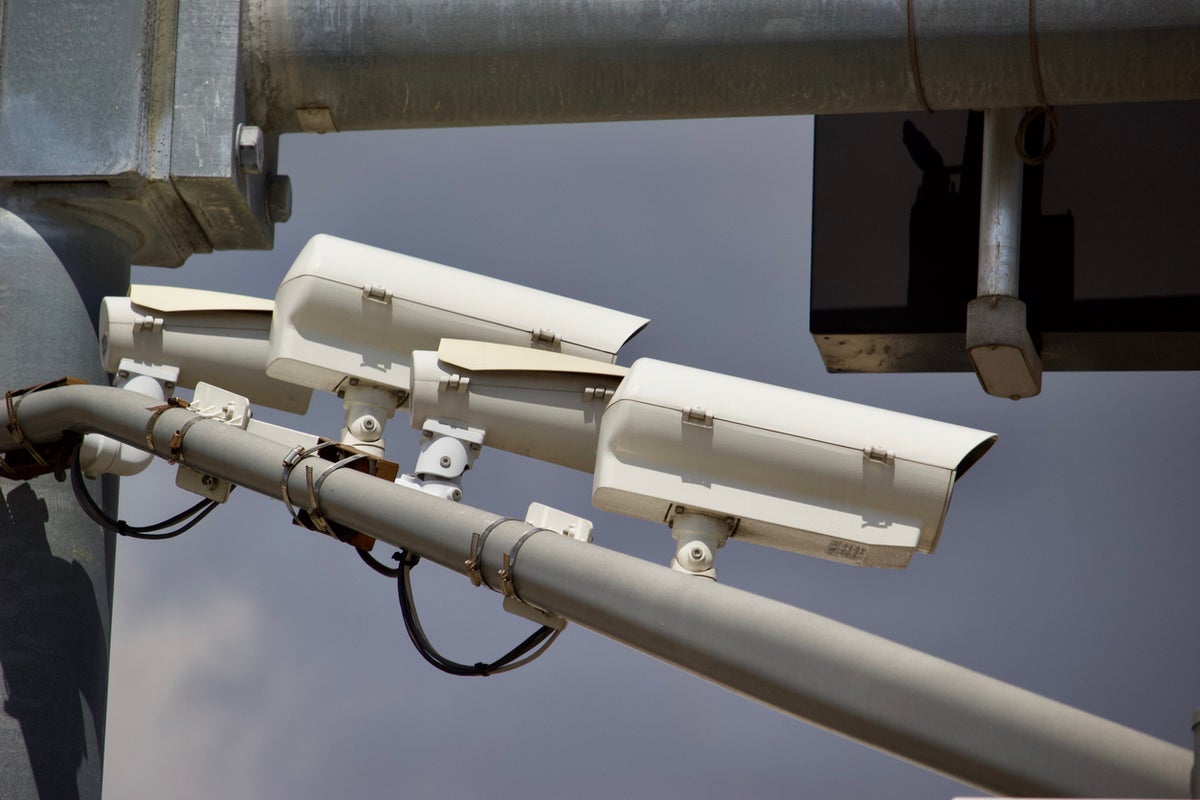
Flock Safety currently operates 138 pole-mounted cameras across Los Angeles. They are used by LAPD to identify stolen vehicles and those associated with wanted suspects, with Flock Safety, Axon Enterprise and Motorola Solutions all providing related services to the department.
However, immigrant rights and civil liberties advocates have voiced strong criticism, citing reports that data collected by Flock’s cameras could be shared with federal agencies, potentially aiding immigration enforcement efforts.

At Tuesday’s meeting, the Board of Police Commissioners is scheduled to receive an update on an audit of the department’s ALPRs and its contract with Flock Safety. LAPD Inspector General Matthew Barragan is expected to present findings from his review, which include recommendations to suspend the installation of new ALPR cameras and to avoid entering into new ALPR-related contracts until the city gathers additional public input and conducts a broader reassessment of vendors and data-sharing practices.
Barragan will further recommended that if the department continues using ALPR technology, all contracts or agreements with vendors should require Police Commission approval, regardless of cost. Such agreements, according to his report, are essential for establishing enforceable standards governing data security, privacy protections, access controls, data retention, and auditing, ensuring accountability for how information is collected, used, and shared.
The inspector general also urged the department to strengthen oversight of ALPR data access by amending policy to mandate annual audits and clearly state that any misuse of ALPR data could lead to disciplinary action. A final recommendation calls for developing a standardized process for documenting traffic stops initiated by ALPR alerts.
Ahead of the commission meeting, members of the Stop LAPD Spying Coalition plan to rally outside LAPD headquarters, demanding a permanent end to the department’s use of ALPR technology.
“We refuse to let LAPD co-opt our community’s demands in their contract maneuvering,” the coalition stated. “No ‘new and improved’ contract, guardrails, or reforms will sanitize LAPD’s nefarious expansion of mass surveillance. All ALPRs, regardless of company or vendor, are harmful and violent. LAPD has exposed themselves, and we are calling out their bluff.”
City Councilwoman Ysabel Jurado welcomed the department’s decision to pause its use of Flock technology. She had introduced a motion in May calling for a review of the department’s use of automated license plate readers.
“LAPD’s decision to pause its use of Flock confirms exactly why we introduced this motion,” Jurado said in a statement Monday. “This was never just about one vendor or one contract.”
She added, “It is about whether surveillance technology in Los Angeles is being used with clear rules, enforceable privacy protections, meaningful oversight, and full compliance with our sanctuary laws and civil rights commitments.”
Jurado urged immediate consideration of her motion by the City Council’s Public Safety Committee and called for a full public accounting before any new agreement is approved.
Over the weekend, LAPD Chief Information Officer Dean Gialamas said that the department wants stronger contractual protections regarding the ownership and control of data collected by Flock cameras and would suspend use of the system until those issues are resolved.
“The sticking point is around having very clear terms about who owns the data, what happens with the data once they collect,” Gialamas told the Los Angeles Times.
The LAPD’s three-year agreement with Flock expired Saturday, and while the L.A. City Attorney’s Office was reportedly working on a new contract, a representative did not immediately respond to a request for comment.
A spokesperson for Flock told The Times that the LAPD’s decision came as a surprise.
“We are confident that through ongoing discussion with LAPD, we can clear up the current misconceptions that led to today’s disappointing pause,” the spokesperson said. “We hope to resume our successful partnership with the department soon.”
Atlanta-based Flock Safety works with approximately 5,000 law enforcement agencies nationwide and maintains it complies with California laws restricting information sharing with federal authorities.
However, in October 2025, the University of Washington’s Center for Human Rights reported that Flock had tested an information-sharing program allowing federal agencies to access license plate data collected by local agencies without their knowledge or consent.
The report has fueled concerns about data sharing and privacy, leading several jurisdictions, including Hillsborough, North Carolina, and Flagstaff, Arizona, to end or suspend their relationships with Flock.
In California, the cities of Santa Cruz, South Pasadena, and Mountain View, along with Santa Clara County, have also terminated contracts with the company.

