АНУ-ын Дотоод хэргийн яам нэн ховордсон амьтан, ургамлыг хамгаалах тухай хуулийн гол заалтуудыг өөрчилж, автомат хамгаалалтын журмыг цуцалснаа баасан гарагт зарлав.
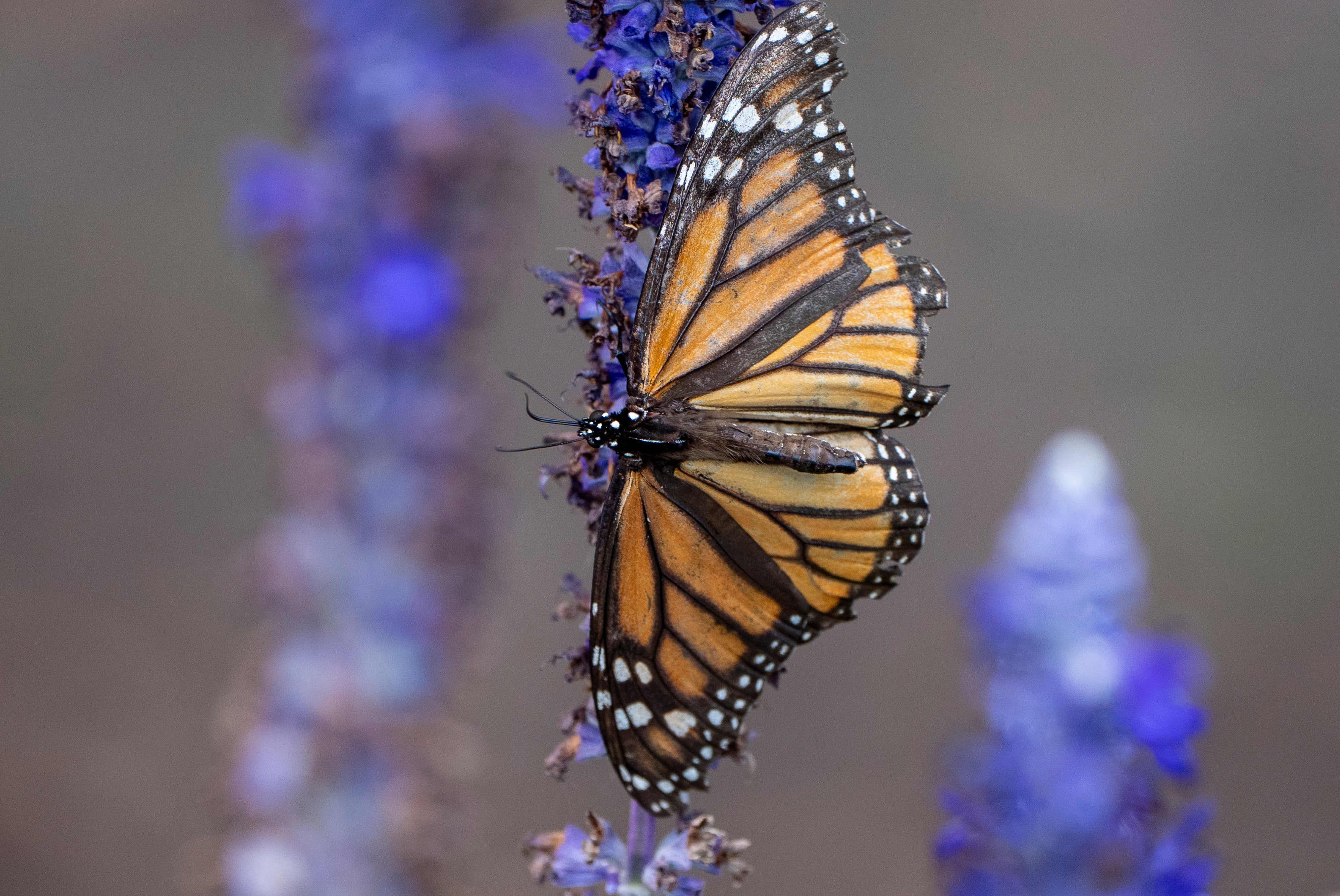
Энэхүү шийдвэрийн дагуу устах аюулд ороод буй амьтан, ургамлыг хамгаалахын тулд тус бүрд нь зориулсан тусгай төлөвлөгөө боловсруулах шаардлагатай болж байна. Энэ нь газрын тос, байгалийн хийн олборлолт, уул уурхай болон бусад бүтээн байгуулалтын төсөл хэрэгжүүлэгч компаниудад үйл ажиллагаагаа явуулах зөвшөөрөл авах боломжийг нээж өгч байгаа юм. Шүүмжлэгчдийн үзэж буйгаар, энэхүү өөрчлөлт нь монир эрвээхэй, матар хэлбэрт яст мэлхий зэрэг нэн ховор амьтдыг хамгаалахад хүндрэл учруулах эрсдэлтэй байна.
Дотоод хэргийн сайд Даг Бургум уг шийдвэрийг хамгаалах хуулийг хэт удаан хугацаанд шинэ төслүүдийг зогсоох, улс орны өрсөлдөх чадвар болон үндэсний аюулгүй байдалд сөргөөр нөлөөлөх хэрэгсэл болгон ашиглаж ирсэнтэй холбон тайлбарлалаа. Тэрээр амжилтыг зөвхөн хамгаалалтад авсан төрлийн тоогоор бус, тухайн амьтны тоо толгойг сэргээж, жагсаалтаас гаргасан үзүүлэлтээр хэмжих ёстой гэв. Мөн засгийн газрын шинэ журмаар, амьдрах орчныг нь хамгаалах шаардлагатай эсэхийг шийдэхдээ эдийн засгийн нөлөөллийг харгалзан үзэхээр болжээ.
Энэхүү бодлогын өөрчлөлт нь АНУ-ын засаг захиргаанаас хэрэгжүүлж буй эрчим хүчний болон эдийн засгийн бодлогын хүрээнд хийгдэж байна. Тухайлбал, гуравдугаар сард Батлан хамгаалахын сайд Пит Хегсет байгаль орчныг хамгаалах нэрээр гаргасан нэхэмжлэлүүд нь Иран улстай хийж буй сөргөлдөөний үед дотоодын эрчим хүчний хангамжид саад учруулж байна гэж мэдэгдсэний дараа Мексикийн буланд газрын тос, хийн өрөмдлөгийн үйл ажиллагааг уг хуулийн үйлчлэлээс чөлөөлсөн юм.
Түүнчлэн, өнгөрсөн долоо хоногт албаны хүмүүс амьтны амьдрах орчинд учруулах “хор хөнөөл”-ийн тодорхойлолтыг нарийсгаж, тухайн амьтныг шууд хөнөөх эсвэл гэмтээхгүй л бол бүтээн байгуулалт хийхийг зөвшөөрөх боломжтой болгосон байна. Мөн Рокки ууланд амьдардаг Канадын шилүүс болон бусад нэн ховордсон амьтдын хамгаалалтын бүсийг хумиж, баавгайн менежментийг муж улсын эрх баригчдад шилжүүлэх зэрэг арга хэмжээг авч хэрэгжүүлж эхэллээ.
Дэлгэрэнгүйг эх сурвалжаас харах
↓Эх сурвалжийг нээх ↓
<![CDATA[{"className":"sc-1ge0fwe-0","newsletterData":{"pianoFieldName":"receiveEveningHeadlinesUSNews","regTitle":"Evening Headlines","subscriptionGroup":"us_evening_headlines","subscriptionGroupId":"4326e634-422a-4447-8e1e-604a937cd3b5","type":"daily_news","pathPrefix":["/us","/news/world/americas","/news/world/americas/crime"],"title":"The latest headlines from our reporters across the US sent straight to your inbox each weekday","mobileTitle":"Your briefing on the latest headlines from across the US","imageSrc":"https://static.independent.co.uk/static-assets/images/newsletters/usEveningHeadlines1_1.png","label":"I would like to receive morning headlines Monday – Friday plus breaking news alerts by email“,”newsletterKey”:”receiveEveningHeadlines”,”regSourceSection”:”Americas”,”regSourceNewsletter”:”NSC”},”isClimate”:false}]]>
President Donald Trump’s administration has removed a rule designed to protect plants and animals that are determined to be threatened with extinction.
The U.S. Interior Department on Friday canceled the rule in the latest step by The President’s team to dismantle key provisions of the landmark Endangered Species Act.
Instead of receiving automatic protections, under-threat species will need individualized protection plans once they are added to the threatened species list. A potentially long process in which companies could seek exemptions for oil and gas drilling, mining and other development where those species live.
cookie.trim() === ‘__DEBUG__=true’)) { console.log(‘Ad logs: “mpu1”, injectedAtParagraph: 3’); }]]>
Opponents said it would make it harder to save wildlife such as monarch butterflies and alligator snapping turtles.
There have been no species added to the endangered or threatened lists in Trump’s second term. By comparison, more than 20 species were added in Trump’s first term, and about 60 during Biden’s presidency.
About 30 species are currently proposed to be listed as threatened. Besides monarchs and alligator snapping turtles, they include California spotted owls and various snakes, fish, clams and insects.
Interior Secretary Doug Burgum said in a statement that the Endangered Species Act had been used for too long “to stop almost any new project in America, driving up costs for families, weakening our competitiveness, and undermining our national security.”
cookie.trim() === ‘__DEBUG__=true’)) { console.log(‘Ad logs: “taboola-carousel-thumbnails”, injectedAtParagraph: 7’); }]]>
“Success should be measured by species recovery and delisting, not by adding more species to the list,” Burgum added.
cookie.trim() === ‘__DEBUG__=true’)) { console.log(‘Ad logs: “mpu2”, injectedAtParagraph: 8’); }]]>
A second change finalized Friday requires officials to analyze economic impacts when deciding whether habitat is critical to a species’ survival. Critics say it gives corporations an opportunity to put their thumb on the scale so that officials will allow development in those areas.
“If you’re exempting certain industries that cause habitat destruction, in many instances you’ll be exempting the main threat to those species,” said Noah Greenwald with the environmental group Center for Biological Diversity.
cookie.trim() === ‘__DEBUG__=true’)) { console.log(‘Ad logs: “mpu3”, injectedAtParagraph: 10’); }]]>
Officials made similar changes during Trump’s first term but they were reversed under former Democratic President Joe Biden.
The rules that gave what some consider “blanket protections” to threatened species were first adopted for wildlife in 1975 and for plants in 1977.
Changes to government policies for endangered plants and wildlife have come faster and extended further in Trump’s second term than in his first.
The administration in March exempted oil and gas drilling in the Gulf of Mexico from the Endangered Species Act after Defense Secretary Pete Hegseth said environmentalists’ lawsuits threatened to hobble domestic energy supplies as the U.S. wages war against Iran.
Last week, Interior officials sharply narrowed the definition of what constitutes “harm” to a species. The change would allow development on critical wildlife habitat so long as the animals themselves are not immediately killed or injured.
This week officials sharply reduced the amount of critical habitat in the U.S. Rocky Mountains designated for Canada lynx, forest dwelling wildcats that are threatened by climate change and other pressures.
Also this week, Burgum said in a visit to Montana that the U.S. Fish and Wildlife Service would turn over more management authority for grizzly bears to states where the bruins live. That’s been a longstanding priority for the Republican governors of Wyoming, Idaho and Montana.
The Endangered Species Act is credited with bringing back iconic animals including the bald eagle and American alligator from the brink of extinction.
Burgum noted Friday that 97% of the species that have been given protections still have them. That’s a frustration for Republican lawmakers who say species should be taken off the endangered and threatened lists more quickly once they’ve recovered.