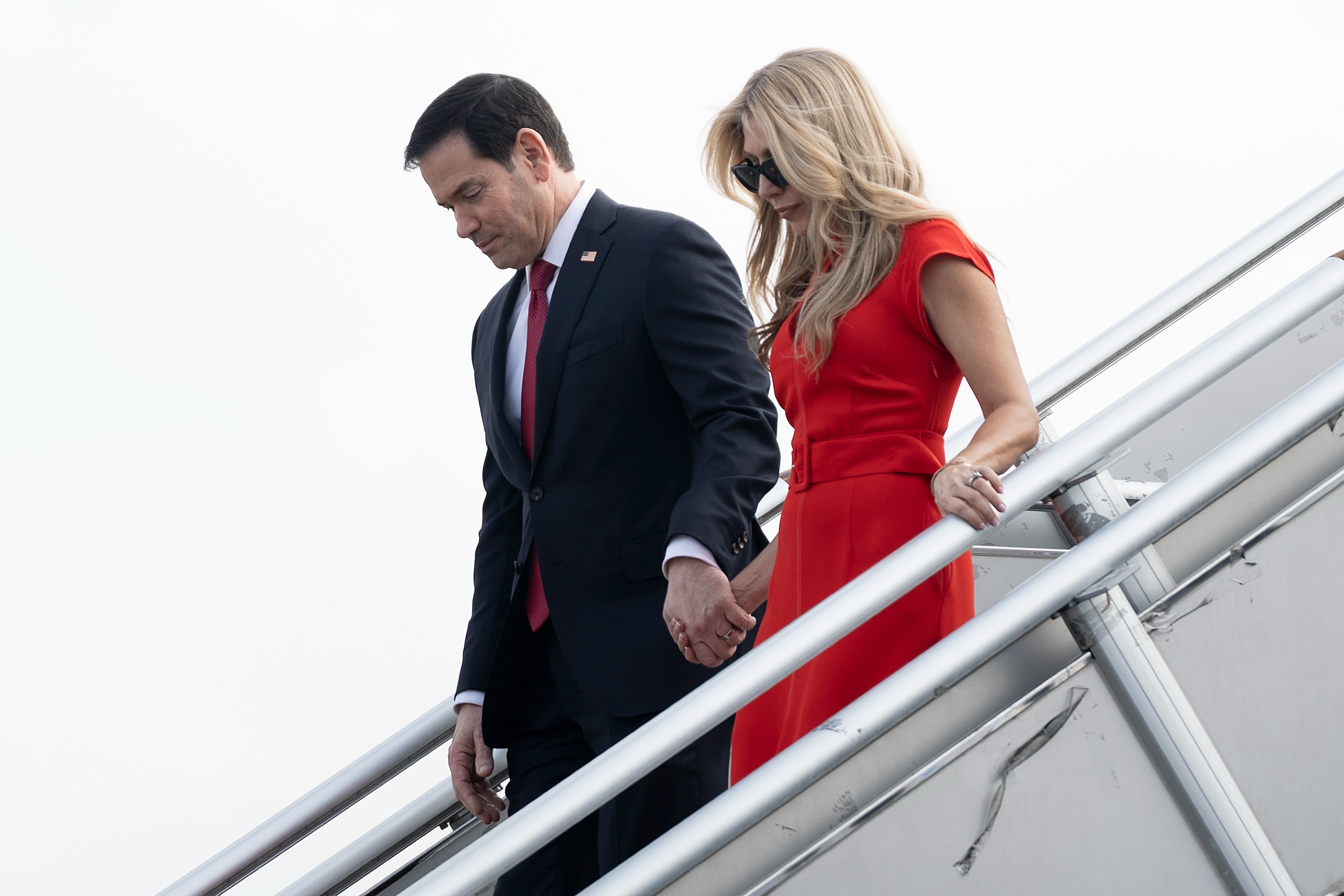
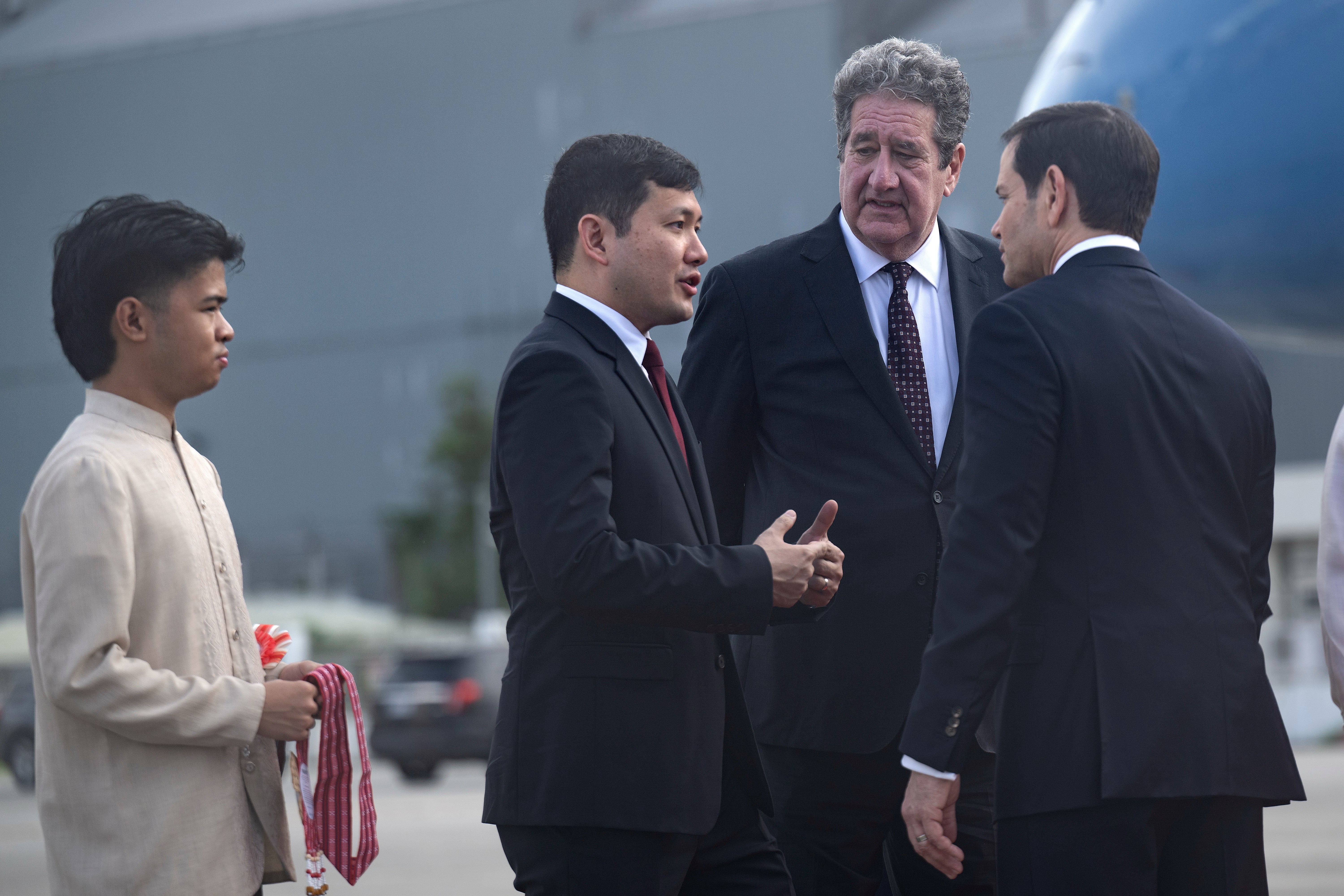
АНУ-ын Төрийн нарийн бичгийн дарга Марко Рубио Зүүн Өмнөд Азийн орнуудын холбооны (ASEAN) дээд хэмжээний уулзалтад оролцохоор хүрэлцэн ирлээ. Энэхүү уулзалтаар Ойрно Дорнод дахь мөргөлдөөн, Өмнөд Хятадын тэнгис дэх нөхцөл байдал болон Мьянмарын иргэний дайн зэрэг олон улсын тулгамдсан асуудлуудыг хэлэлцэж байна.
Рубио Өмнөд Хятадын тэнгис дэх усан замын чөлөөтэй байдлыг хангах АНУ-ын байр суурийг дахин нотолж, худалдааны гол замыг геополитикийн зэвсэг болгон ашиглах нь бүс нутгийн аюулгүй байдалд сөрөг нөлөөтэйг анхааруулав. Тэрээр 2016 оны олон улсын арбитрын шийдвэрийг дэмжиж байгаагаа илэрхийлсэн бөгөөд уг шийдвэр нь БНХАУ-ын тус тэнгист гаргасан газар нутгийн өргөн хүрээтэй нэхэмжлэлийг үгүйсгэсэн юм.
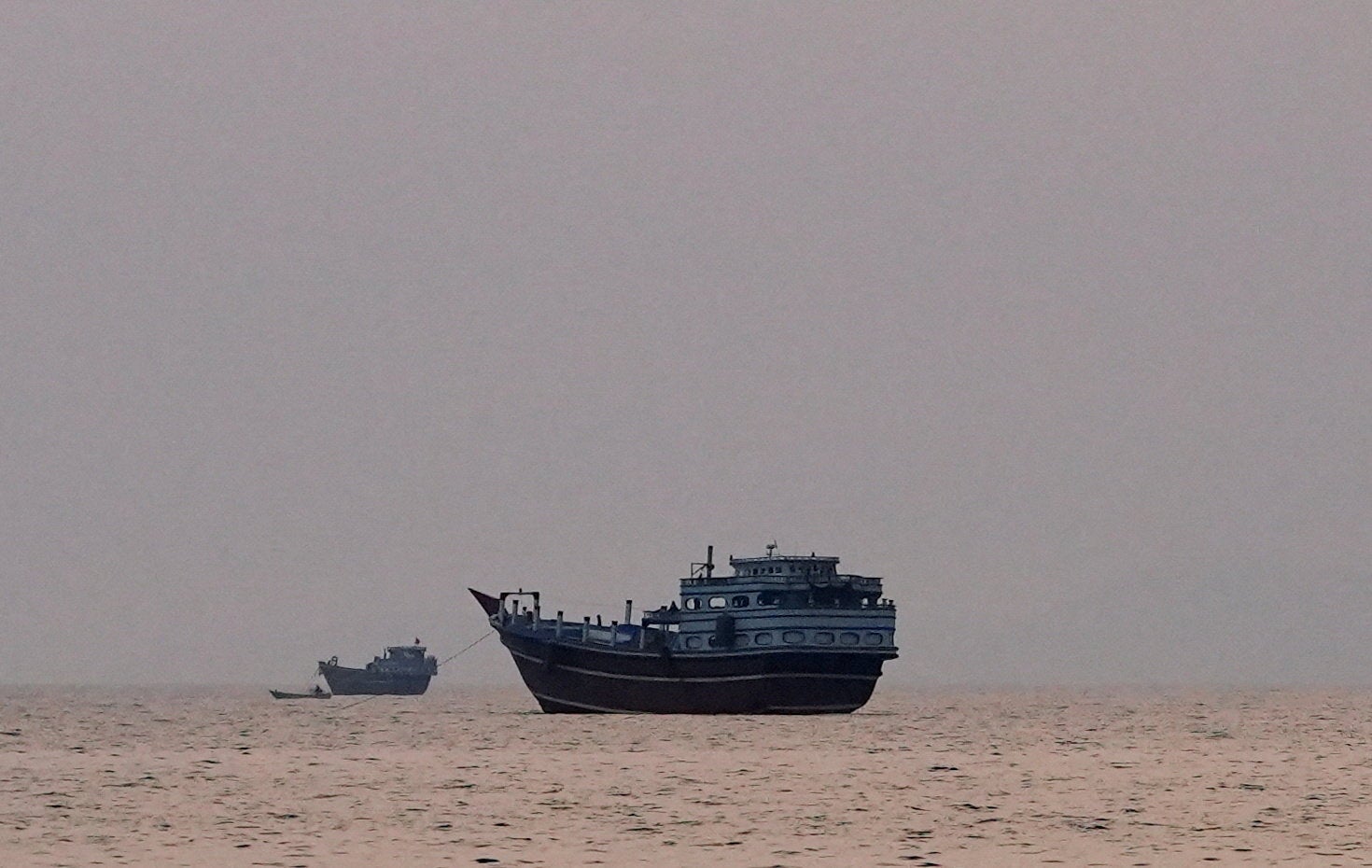
Үүний зэрэгцээ АНУ болон Ираны хооронд дахин дэгдсэн мөргөлдөөн нь дипломат үйл явцыг сулруулж байгаад ASEAN-ы гишүүн орнууд гүнээ санаа зовниж буйгаа илэрхийллээ. Ираны талыг баримтлагч Хути хөдөлгөөнөөс Саудын Арабын эсрэг тэнгисийн бүслэлт зарласан нь Хормузын хоолойгоор дамжин өнгөрөх эрчим хүчний нийлүүлэлт болон дэлхийн эдийн засагт эрсдэл учруулж байна.
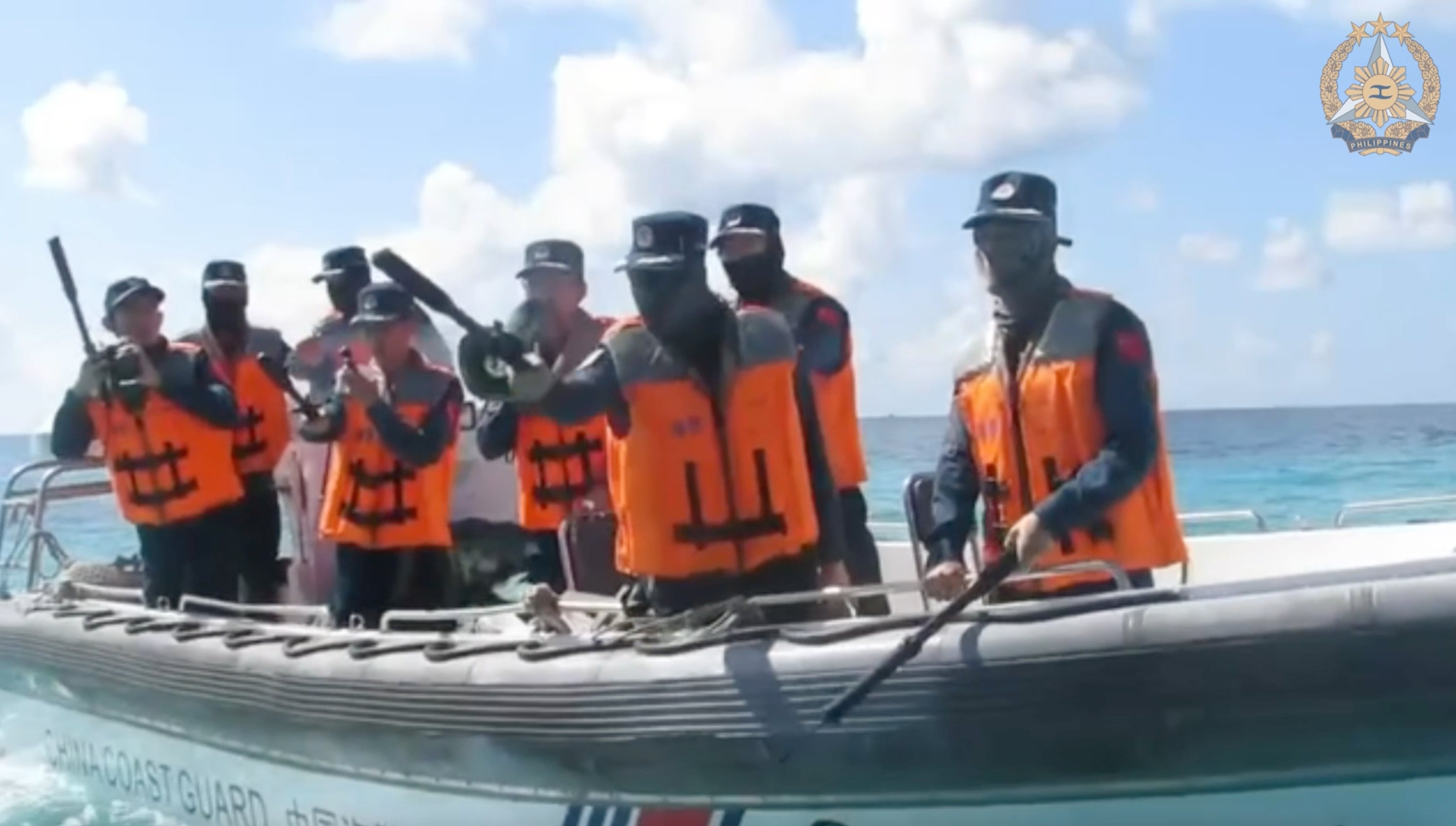
Өмнөд Хятадын тэнгист Филиппин болон БНХАУ-ын хооронд үүсээд буй маргаан мөн хурц хэвээр байна. Хоёр улс Сэкон Томас Шоал (Second Thomas Shoal) орчимд болсон мөргөлдөөний хариуцлагыг бие биедээ тохож байгаа бөгөөд энэ үеэр БНХАУ-ын Эргийн хамгаалалтын албаны хүн Филиппиний далайчинг цохисон гэх мэдээлэл гарчээ. АНУ-ын Төрийн департамент БНХАУ-ын үйлдлийг “аюултай бөгөөд түрэмгий” хэмээн буруушааж, бүс нутаг дахь түншүүдээ дэмжихээ илэрхийлсэн байна.
Дэлгэрэнгүйг эх сурвалжаас харах
↓Эх сурвалжийг нээх ↓
Secretary of State Marco Rubio arrived in Southeast Asia as U.S. allies warned of mounting global threats, with wars in the Middle East, rising tensions in the South China Sea and Myanmar’s civil conflict dominating a high-stakes regional summit.
Rubio is attending meetings led by the Association of Southeast Asian Nations, or ASEAN, alongside Chinese Foreign Minister Wang Yi and senior officials from Japan, South Korea, India, Australia, Russia, Britain and the European Union.
Ahead of the gathering, Rubio reaffirmed U.S. support for freedom of navigation in the South China Sea, warning in an opinion piece published in Philippine newspapers that the region faced growing risks if critical shipping lanes fell under the control of “a power willing to use commerce as a geopolitical weapon.”
While he did not name China, Rubio said such a scenario would pose “dire new threats” to the sovereignty, security and economic future of both the United States and ASEAN nations.
Rubio also reiterated U.S. support for a 2016 international arbitration ruling that rejected China’s sweeping territorial claims in the South China Sea. Beijing rejects the ruling.
The summit comes as ASEAN foreign ministers grapple with a wave of international crises.
In a joint statement after a closed-door meeting, ministers said they were “deeply concerned” that renewed conflict involving the United States and Iran was undermining diplomatic efforts and reducing the chances of a peaceful resolution.
The conflict has heightened fears over global energy supplies flowing through the Strait of Hormuz after Yemen’s Iran-aligned Houthi movement announced a naval blockade on Saudi Arabia, raising concerns about oil prices, inflation and economic growth.
The 10-member ASEAN bloc, whose economies rely heavily on imported energy, has been exploring ways to accelerate a regional oil-sharing mechanism to help cushion any supply disruption.
Regional leaders are also confronting the ongoing civil war in Myanmar, where consultations continue over a stalled peace plan five years after the military seized power.
The South China Sea remains another flashpoint.
Philippine and Chinese officials are expected to hold talks after both sides accused each other of dangerous actions near the disputed Second Thomas Shoal.
The Philippine military said Chinese Coast Guard personnel struck one of its sailors with a baton during a confrontation, an allegation that further escalated tensions. Both governments have accused the other of provocation.
Philippine President Ferdinand Marcos Jr. is expected to summon China’s ambassador in Manila following the incident.
China’s foreign ministry said ASEAN was not the proper venue for resolving bilateral maritime disputes and urged the Philippines, this year’s ASEAN chair, to promote dialogue instead of advancing its own political interests.
The U.S. State Department condemned what it called China’s “dangerous and aggressive” actions, saying they reflected a troubling pattern of conduct against Philippine maritime operations.
Against that backdrop, Rubio’s meetings with regional leaders are expected to focus on security, trade and Washington’s commitment to allies facing what he has described as growing coercive pressure in the Indo-Pacific.