Шинэ судалгаагаар таргалалт болон чихрийн шижингийн эсрэг хэрэглэдэг GLP-1 рецептор агонист эмүүд нь үс шингэрэх эрсдэлтэй холбоотой болохыг тогтоожээ.
The BMJ сэтгүүлд нийтлэгдсэн Пеннсилванийн их сургуулийн судлаачдын судалгаагаар GLP-1 бүлгийн эмүүдийг SGLT-2 болон DPP-4 дарангуйлагч эмүүдтэй харьцуулан судалсан байна. Судалгаанд 12,004 GLP-1 хэрэглэгчийг 15,221 SGLT-2 хэрэглэгчтэй, мөн 11,964 GLP-1 хэрэглэгчийг 11,233 DPP-4 хэрэглэгчтэй тус тус харьцуулжээ. Үр дүнгээс үзэхэд GLP-1 эм хэрэглэх нь SGLT-2 дарангуйлагчтай харьцуулахад үс уналтын эрсдэлийг 37 хувиар, DPP-4 дарангуйлагчтай харьцуулахад 68 хувиар нэмэгдүүлж байна. Энэхүү эрсдэл нь сорви үлдээдэггүй, эргэн ургах боломжтой үс уналтын хэлбэрт хамаарч байгаа юм.
Судлаачдын тайлбарласнаар, GLP-1 эмүүдийн нөлөөгөөр жин огцом хасах, хоол тэжээлийн дутагдалд орох нь үс уналтын “telogen effluvium” хэмээх түр зуурын хэлбэрийг үүсгэх биологийн механизм болж болзошгүй аж. Хэдийгээр үс уналтын эрсдэл харьцангуй бага (1,000 хүн тутмын 7-д нь тохиолдож буй) ч энэ нь эмчилгээний шийдвэр гаргахад анхаарах шаардлагатай хүчин зүйл юм.
Судалгааны багийнхан эдгээр олдвор нь эмч болон өвчтөний хамтарсан шийдвэр гаргалтад чухал ач холбогдолтойг онцолсон байна. Гэсэн хэдий ч GLP-1 эмүүд нь дементиа болон хорт хавдрын зарим төрлөөс сэргийлэхэд эерэг нөлөөтэй болох нь өмнөх судалгаагаар тогтоогдсон байдаг. Цаашид энэхүү эмчилгээ болон үс уналтын хоорондох шалтгаант холбоог илүү нарийвчлан судлах шаардлагатай гэж судлаачид дүгнэжээ.
Дэлгэрэнгүйг эх сурвалжаас харах
↓Эх сурвалжийг нээх ↓
GLP-1 drugs such as Wegovy and Ozempic have been revolutionary for obesity and type 2 diabetes treatments, but questions remain about some of the side effects and potential negative impacts of these medications.
One of those negative impacts could be alopecia, or hair loss. It’s something doctors and researchers have started noticing, but as yet we don’t have much in the way of solid evidence about a connection.
A new study published in The BMJ, led by a team from the University of Pennsylvania, looks specifically at how GLP-1 drugs compared to two other common diabetes treatments – SGLT-2 inhibitors and DPP-4 inhibitors – for people with type 2 diabetes.
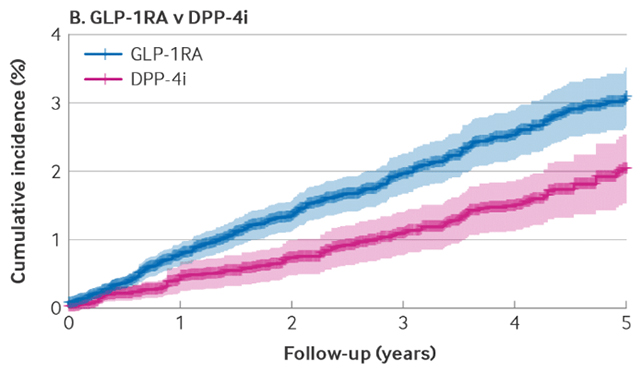
There was a notable link between GLP-1 treatments and hair thinning: a 37 percent higher risk compared to SGLT-2 inhibitors, and a 68 percent higher risk compared to DPP-4 inhibitors. The link was specific to non-scarring alopecia (meaning the hair could potentially grow back).
“GLP-1 receptor agonist use was associated with a higher risk of clinically recorded alopecia, particularly non-scarring alopecia, in patients with type 2 diabetes, compared with SGLT-2 and DPP-4 inhibitors,” write the researchers in their published paper.
“These findings may inform shared decision making when considering GLP- 1 receptor agonist therapy and highlight the need for further evaluation of dermatological outcomes in future studies.”
The study involved a large number of people: 12,004 patients using GLP-1 drugs were compared to 15,221 using SGLT-2 inhibitors, with an additional 11,964 GLP-1 users compared to 11,233 using DPP-4 inhibitors.
Other variables that could account for hair loss risk, including age, sex, ethnicity, and pre-existing conditions, were factored into the statistics.
So what’s going on here? Further study will be required to know for sure, but the researchers point out that rapid weight reduction is already associated with hair loss, as well as iron and zinc deficiencies – which might further disrupt the normal hair cycle.
“Weight loss and changes in nutritional status, common consequences of GLP-1 receptor agonist therapy, are established risk factors for telogen effluvium, a common and typically transient form of non-scarring hair loss, providing a plausible biological mechanism for this association,” write the researchers.
GLP-1 medications are named after glucagon-like peptide-1, a natural hormone that reduces appetite, slows digestion, and boosts insulin release. The ‘receptor agonist’ label that’s often added refers to the way these drugs connect to and activate cell docking points called GLP-1 receptors, just like the real hormone.
As impressive as these treatments have been, research has raised questions over what else they might be doing to the body – including increasing the risk of bone and joint conditions, and sudden sight loss.
These potential side effects, along with alopecia, need to be carefully weighed up against the health benefits for each individual patient. On the flip side, GLP-1 drugs have also been associated with protection against dementia and certain types of cancer.
“Our findings extend previous anecdotal safety signals and provide more systematic evidence to inform clinical awareness of this potential adverse effect,” write the researchers.
“In addition, these results highlight the need for further research to elucidate potential mechanistic links between GLP-1 receptor agonist therapy, weight loss, and hair loss, and to identify patient level risk factors that may increase susceptibility to hair loss.”

It’s worth pointing out that the medical records the researchers were dealing with were limited in terms of measuring the severity and duration of the hair loss, and whether or not it was reversible.
And to put the risk in context, we’re talking about roughly 7 people out of every 1,000 contracting hair loss within a year, compared to 5 people on SGLT-2 and 4 people on DPP-4, based on the figures.
Related: Natural Sweetener Boosts a Common Treatment For Hair Loss, Study Reveals
That doesn’t mean this is something that can be ignored – but it also means that for many it might still be worth the help with weight loss and type 2 diabetes management that these GLP-1 drugs bring.
“Although the absolute risk is low, awareness of this potential effect may help to inform treatment decisions,” write the researchers.
The research has been published in The BMJ.
This article was fact-checked by Rebecca Dyer and edited by Fiona MacDonald. While we pride ourselves on our process, we are only human. If you spot a mistake, please let us know.