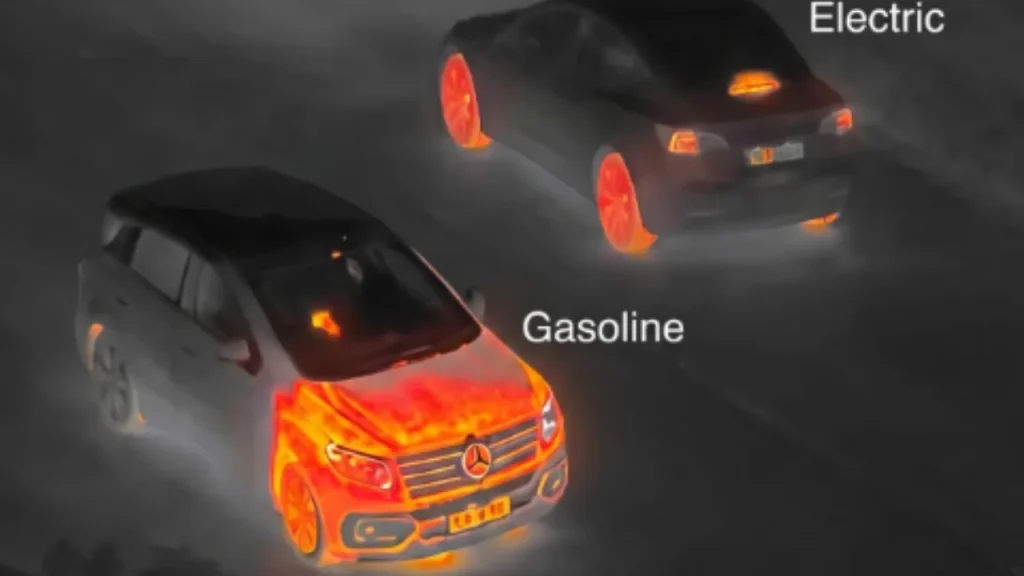
Дулааны камер ашиглан хийсэн бичлэг нь шатахуунт хөдөлгүүртэй болон цахилгаан автомашины эрчим хүчний зарцуулалтын ялгааг тодорхой харууллаа.
Дулааны дүрслэлээр харахад дотоод шаталтат хөдөлгүүртэй автомашинууд хөдөлгүүрийн хэсгээрээ их хэмжээний дулаан ялгаруулдаг нь тод харагдаж байна. Харин цахилгаан автомашины хувьд дулаан ялгаралт нь ихэвчлэн дугуй болон электрон эд ангиуд орчимд ажиглагддаг. Энэхүү ялгаа нь цахилгаан автомашин нь эрчим хүчний хувьд илүү үр ашигтай бөгөөд дулааны алдагдал багатай болохыг нотолж байна.
АНУ-ын Байгаль орчныг хамгаалах агентлагийн (EPA) мэдээллээр, шатахуунт автомашины түлшний эрчим хүчний ердөө 20 хувь нь автомашиныг хөдөлгөөнд оруулахад зарцуулагддаг байна. Үүний эсрэгээр, цахилгаан автомашины цахилгаан эрчим хүчний 67 хувь нь шууд дугуйг эргүүлэхэд зарцуулагддаг бол 22 хувийг нөхөн сэргээх тоормосны системээр дамжуулан эргүүлэн авах боломжтой ажээ.
Цахилгаан болон шатахуунт автомашиныг ашиглалтын зардал, эдэлгээний хугацаа зэрэг олон үзүүлэлтээр харьцуулсан судалгаанууд өмнө нь олонтоо гарч байсан. Тухайлбал, цахилгаан автомашиныг цэнэглэх зардал нь шатахуун зарцуулдаг автомашинтай харьцуулахад хямд болохыг судалгаагаар тогтоосон байна. Дөрөвдүгээр сарын 15-нд олон нийтийн сүлжээнд цацагдсан энэхүү дүрслэл нь автомашины технологийн ялгааг бодитоор харуулсан нь олны анхаарлыг татаж байна.
Дэлгэрэнгүйг эх сурвалжаас харах
↓Эх сурвалжийг нээх ↓
This video shows how much heat is produced from cars when looked at through thermal cameras, and it lays bare the difference between gas cars and EVs.
Your perspective on heat generation will totally change once you see this video.
We all know that our cars generate heat when in motion, but we often don’t realize where it’s being expelled from.
This video puts all of that into stark focus.
The gas car and EV comparison
There’s no doubt about it – gas cars and EVs have been compared on practically every metric at this point.
Plenty of studies have compared electric cars and gas cars before, with a wide array of results.
One studyfound that electric car owners were replacing their cars at a much faster rate of every three years, compared to every 12 for ICE drivers.
Another revealed that electric cars werestill cheaper to charge, even when drivers opted for public chargers over home charging.
There aredramatic cost differences between the two, and the money aspect often has the most sway with buyers who are on the fence.
Some cars like it hot
But the heat generation gap isn’t something people often take into account.
Thermal imaging has previously made this contrast abundantly clear, with ICE cars shown to be heating up around the engine bay.
This is the engine producing thermal energy.
By contrast, an EV was shown to be ‘lighting up’ around its wheels and the lights, aka the electronics.
Beyond a cool visual, this tells us that EVs are more energy efficient, with less energy being lost through heat.
This thermal camera video is remarkable
Shared to X by Brian Roemmele, the clip shows cars driving along a road through the lens of thermal cameras.
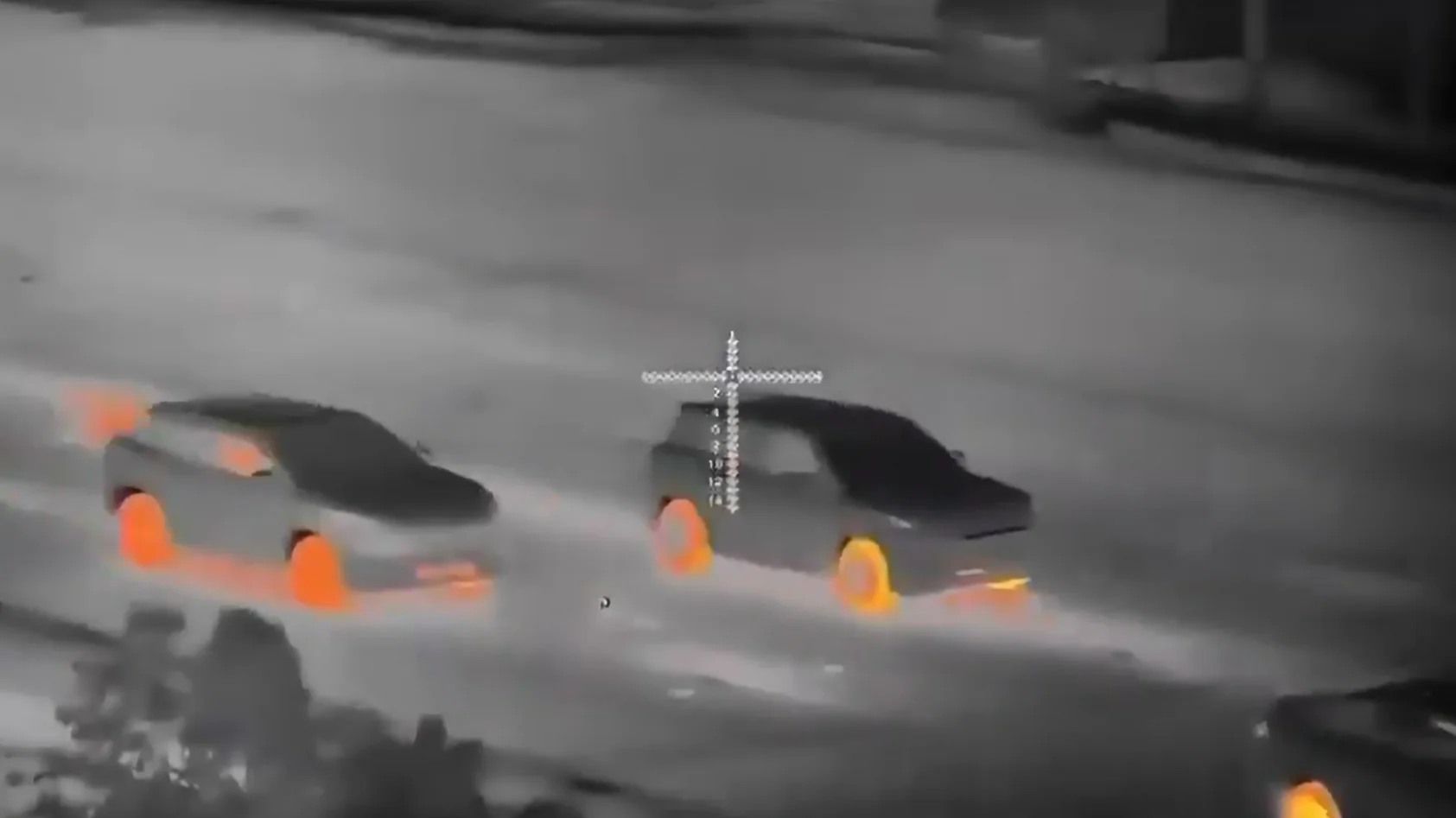
Once again, this video makes abundantly clear how much more heat gas cars are generating.
The gas cars are lit up orange around the front, whereas the EVs appear to only be losing heat around the electronic components.
Hot Wheels vs. Hot Hoods. The thermal camera knows. pic.twitter.com/DQmKtG3q5k
— Brian Roemmele (@BrianRoemmele) April 15, 2026
Since the clip was shared to X, it has been doing the rounds on other websites.
Over on Reddit, the video gained a lot of traction and generated a lot of conversation.
“Are we really surprised that an engine that literally burns a flammable liquid to work produces more heat than a battery?” one commenter wrote.
“Damn that engine really do be combusting,” another wrote.
As others likened gas cars to ‘heaters with wheels’, we couldn’t help but wonder how much energy is lost through heat.
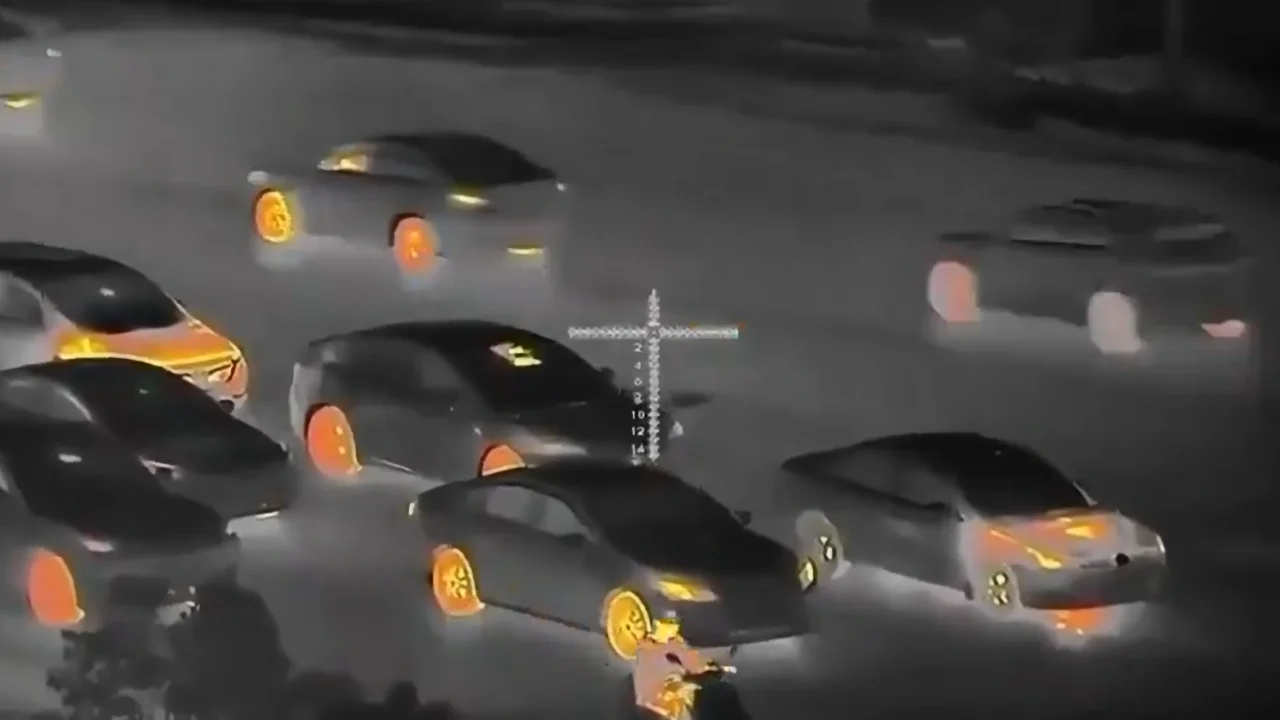
It’s actually quite shocking.
According to figures from the EPA, only 20 percent of the petrol’s energy goes towards moving the vehicle forward.
By contrast, 67 percent of an EV’s electricity goes to the wheels, with a further 22 percent recovered from regenerative braking.
Those figures are stark.

