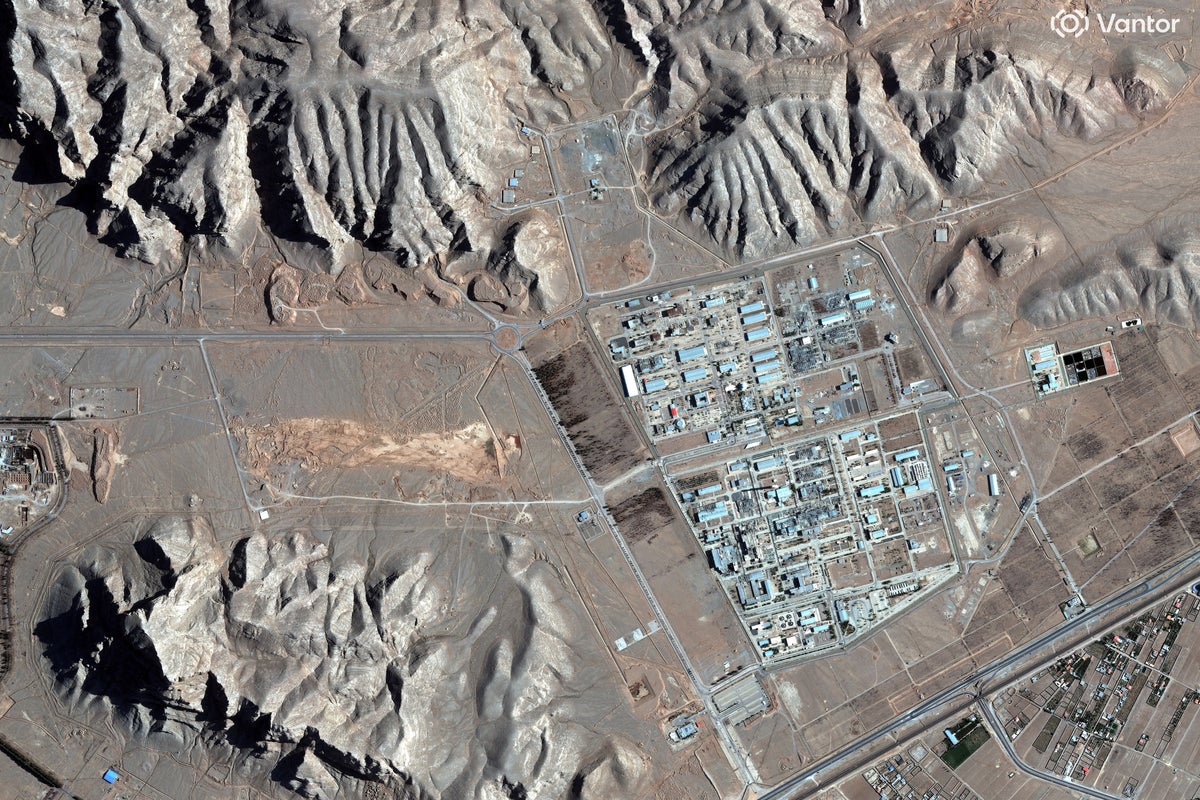
АНУ болон Ираны хоорондох гал зогсоох хэлэлцээр нурсны улмаас АНУ-ын ерөнхийлөгч Дональд Трамп Ираны цөмийн байгууламжуудыг онилсон шинэ заналхийлэл гаргалаа.
АНУ-ын зүгээс Ираны цөмийн хөтөлбөрийг зогсоох зорилгоор 2025 оны зургадугаар сард “Operation Midnight Hammer” нэртэй цэргийн ажиллагааг эхлүүлж, Натанз, Фордоу болон Исфахан дахь байгууламжуудад цохилт өгсөн юм. Эдгээр халдлага нь тухайн үед 12 хоног үргэлжилсэн дайны эхлэл болж, улмаар энэ оны эхээр бүрэн хэмжээний дайн болон өргөжсөн билээ. Одоо АНУ Натанз дахь цөмийн баяжуулах үйлдвэрийн урд хэсэгт байрлах “Pickaxe Mountain” хэмээн нэрлэгдэх газар доорх байгууламжийг шинэ бай болгон зарлаад байна.
Ираны эрх баригчид АНУ-ын энэхүү заналхийллийн хариуд бүс нутаг дахь АНУ-ын бүх байгууламжийн эсрэг хүчтэй хариу арга хэмжээ авахаа анхаарууллаа. Натанз дахь байгууламж нь Ираны уран баяжуулах хамгийн том төв бөгөөд 2022 оны аравдугаар сарын байдлаар тэнд 4,000 гаруй дэвшилтэт центрифуг суурилуулсан байжээ. Уг байгууламж нь өмнө нь Stuxnet вирус болон Израйлын тагнуулын байгууллагын оролцоотой гэгддэг хэд хэдэн удаагийн хорлон сүйтгэх ажиллагаанд өртөж байсан юм.
“Pickaxe Mountain” төсөл нь Натанз дахь байгууламжийн ойролцоо 80-100 метрийн гүнд баригдаж буй шинэ байгууламж бөгөөд үүнийг АНУ-ын цохилтоос хамгаалах зорилгоор байгуулж байна гэж шинжээчид үзэж байна. Мөн 60 орчим метрийн гүнд байрлах Фордоу дахь уран баяжуулах үйлдвэр болон Исфахан дахь цөмийн судалгааны төвүүд нь Ираны цөмийн хөтөлбөрийн гол бүрэлдэхүүн хэсгүүд хэвээр байна. Исфахан дахь төвийн хувьд 2025 оны зургадугаар сарын дайралтын дараа туннелийн орох хаалгуудыг булж, бэхэлгээ хийх зэргээр хамгаалалтаа чангатгасан байна.
Дэлгэрэнгүйг эх сурвалжаас харах
↓Эх сурвалжийг нээх ↓
With the US-Iran ceasefire in tatters, Donald Trump has issued new threats against Tehran’s nuclear facilities in what would represent a significant escalation in the conflict.
The president’s latest target is Kuh-e Kolang Gaz La, or “Pickaxe Mountain,” a suspected underground facility that lies on the south side of Iran’s Natanz nuclear enrichment site, one of those bombed by the US and Israel in June 2025.
Named Operation Midnight Hammer, the countries launched a series of attacks on several nuclear and military facilities more than one year ago. as part of a long-running ambition to thwart Tehran’s nuclear weapons programme.
The attacks on the Natanz, Fordow and Isfahan nuclear sites sparked the 12-day war, a precursor to the full-scale war launched by the US and Israel earlier this year.

As Washington threatens to yet again bring attacks on Iran’s nuclear sites back into the fold, Tehran has responded furiously, warning that any such attacks will prompt a “powerful response” against all US targets in the region.
The Independent takes a look at where are Iran’s nuclear sites – and why the West is so concerned about them.
Natanz Nuclear Facility
Natanz Nuclear Facility, located about 150 miles south of the nation’s capital Tehran, is considered the country’s largest uranium enrichment plant.
Intelligence indicates the facility is used to build centrifuges for uranium enrichment, according to the non-profit Nuclear Threat Initiative.
The plant has six above-ground buildings and three underground facilities. Two of those underground buildings can hold 50,000 centrifuges.
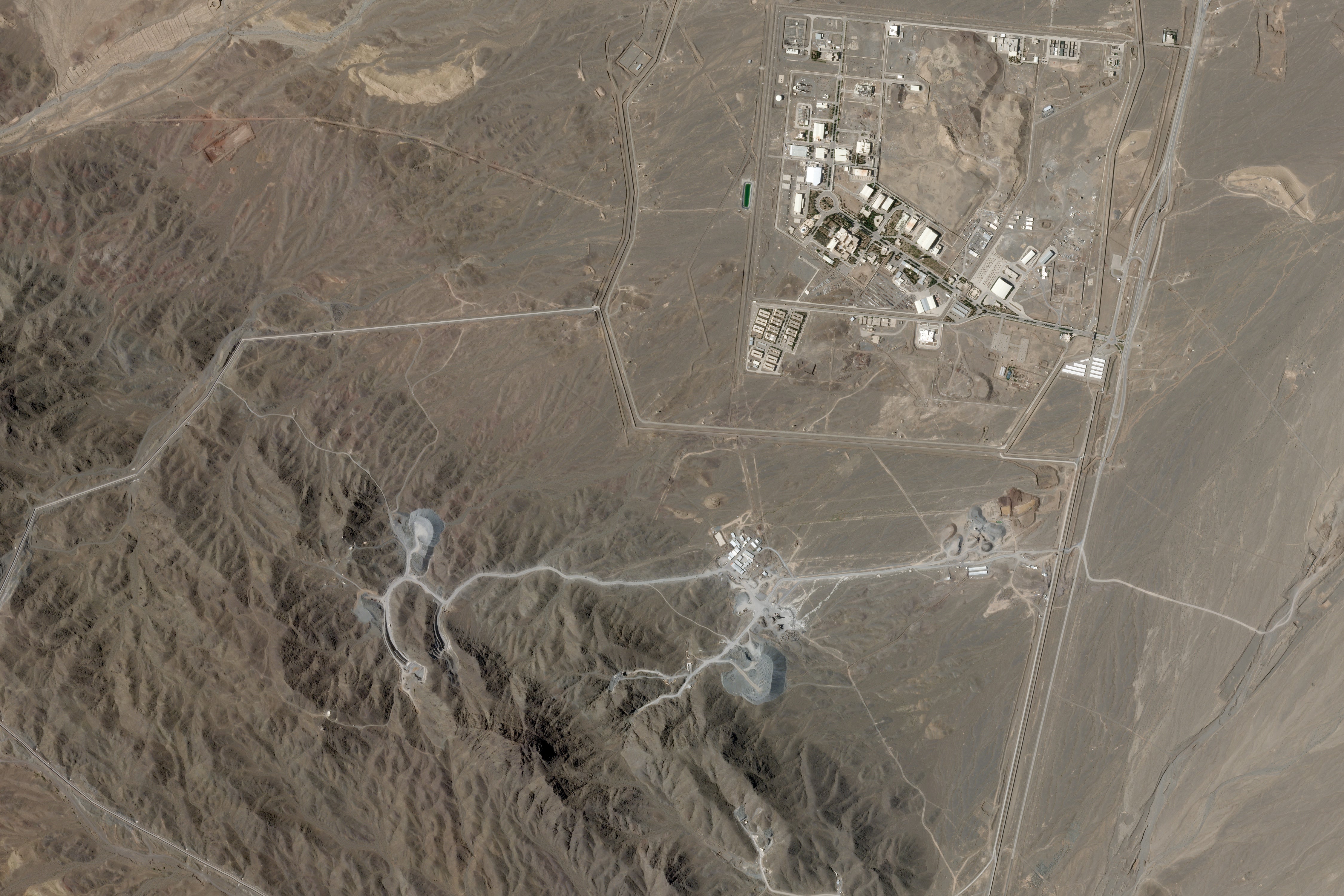
As of October 2022, Iran had installed 4,000 advanced centrifuges in enrichment facilities across the country — a 44 percent increase from two months prior – according to the Nuclear Threat Initiative.
Natanz has been targeted by the Stuxnet virus, believed to be an Israeli and American creation, which destroyed Iranian centrifuges. Two separate sabotage attacks, attributed to Israel, also have struck the facility.
The site was not completely eliminated by the US attacks, although it was damaged.
Pickaxe Mountain
A new project at Pickaxe Mountain is being constructed next to Natanz, about 225 kilometers (140 miles) south of Tehran, Iran’s capital. Natanz, a mix of above- and underground facilities, has been a point of international concern since its existence became known two decades ago.
Repeated sabotage attacks on Natanz, including one likely carried out by Israel that destroyed a manufacturing site for centrifuges, led Iranian officials to start work on the Pickaxe Mountain site.
Protected by anti-aircraft batteries, fencing and Iran’s paramilitary Revolutionary Guard, the facility sprawls across 2.7 square kilometers (1 square mile) in the country’s arid Central Plateau. It has multiple entrances visible from satellite images.
In 2023, an Associated Press story on Pickaxe Mountain included analysis from experts at the James Martin Center for Nonproliferation Studies that suggested Iran is likely building a facility at a depth of between 80 meters (260 feet) and 100 meters (328 feet). Digging has continued at the site in the time since, with some experts suggesting it could be even deeper underground.
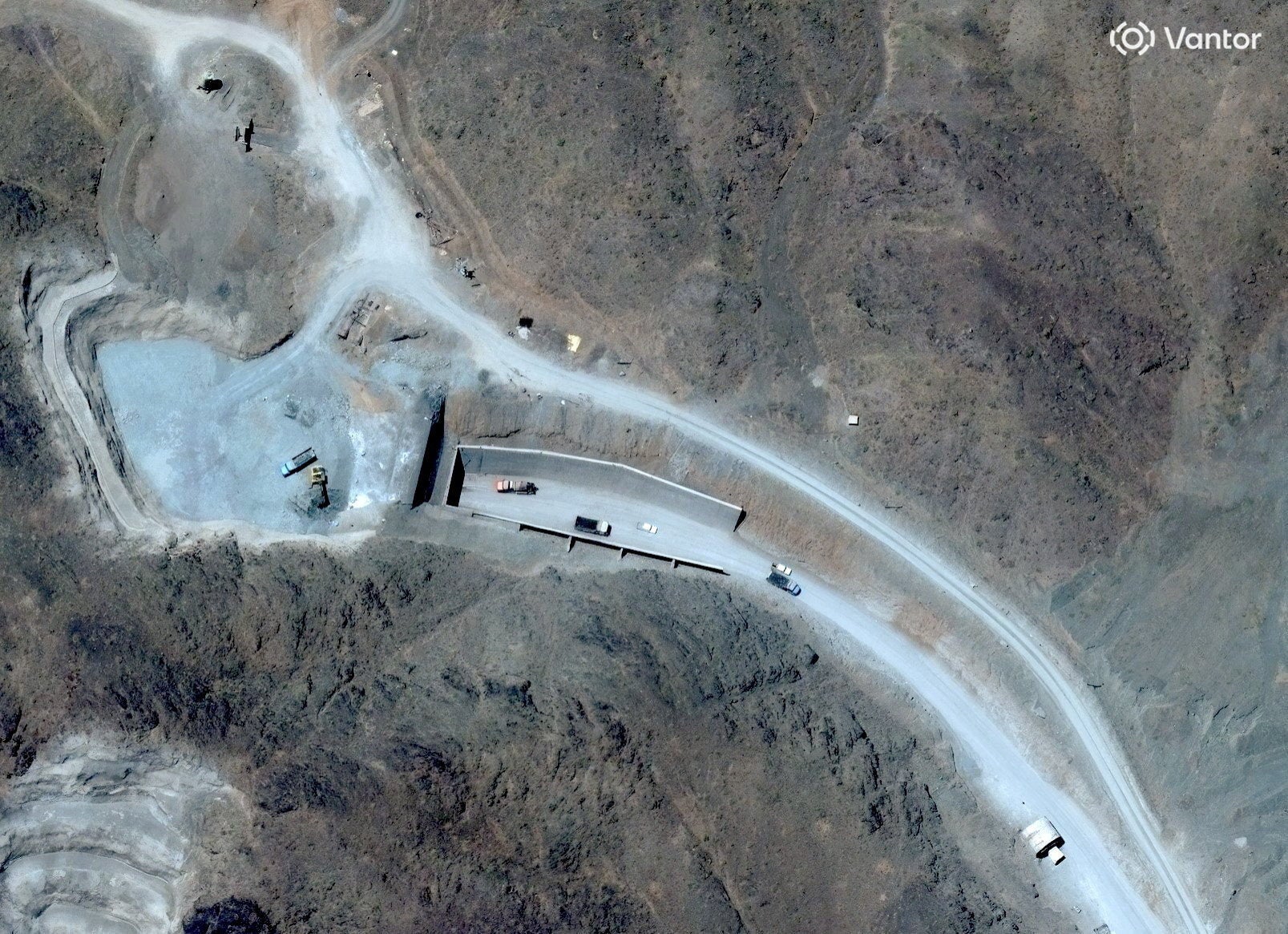
Experts say the size of the construction project indicates Iran will likely be able to use the underground facility to enrich uranium as well as to build centrifuges.
Centrifuges, tube-shaped devices arranged in large cascades of dozens of machines, rapidly spin uranium gas to enrich it. Additional cascades spinning would allow Iran to quickly enrich uranium under the mountain’s protection.
Fordow Fuel Enrichment Plant
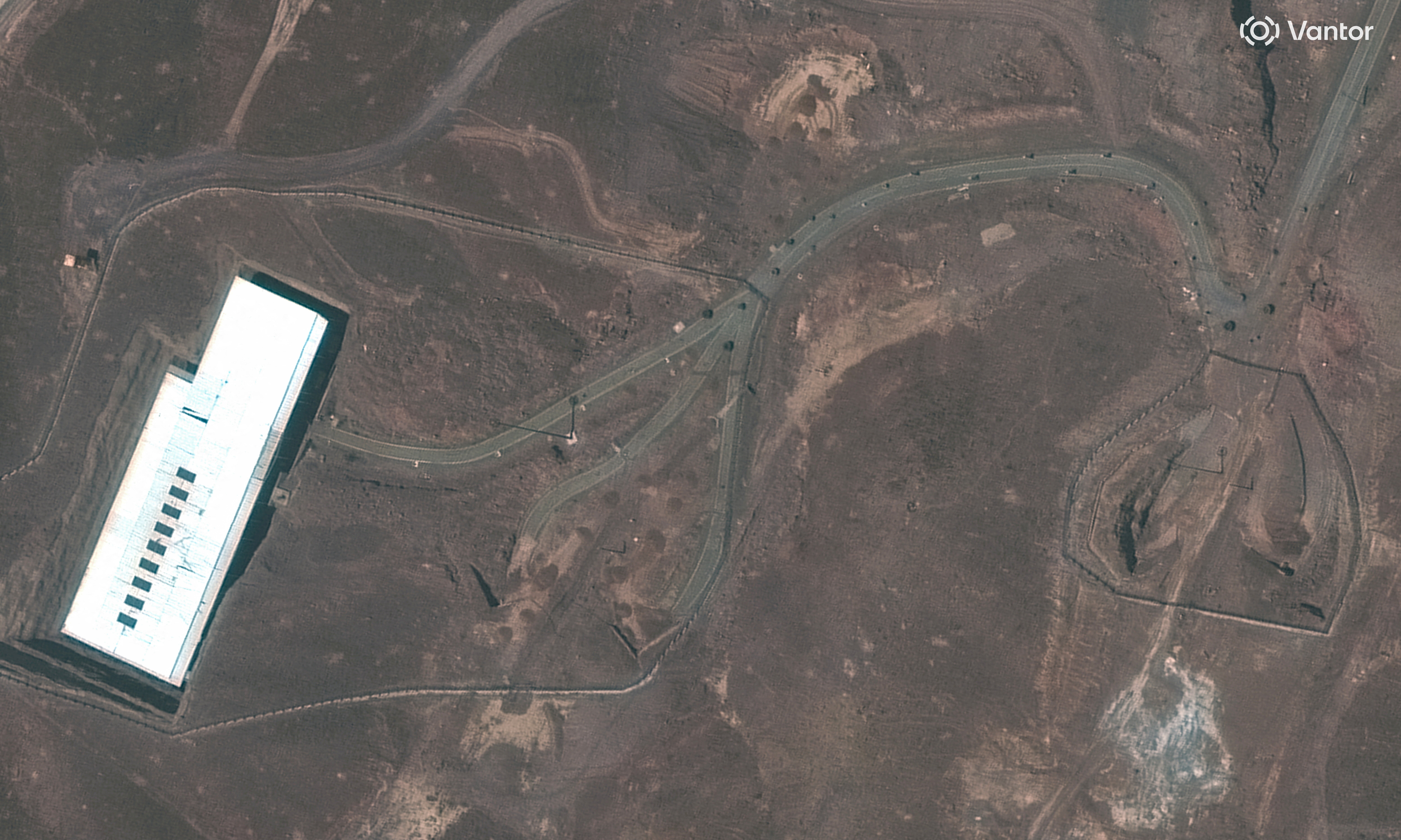
The Fordow Fuel Enrichment Plant, located some 60 miles southwest of Tehran, is buried about 300 feet underground near the Iranian city Qom.
The plant is designed to produce enriched uranium, which can be used to fuel nuclear weapons. The heavily fortified plant had an estimated 2,700 centrifuge machines, which are essential to the enrichment process.
Fordow has always been the main object of international concerns regarding Iran’s progress on uranium enrichment.
“The significantly increased production and accumulation of highly enriched uranium by Iran, the only non-nuclear-weapon state to produce such nuclear material, is of serious concern,” the International Atomic Energy Agency said in a May 2025 report.
Its construction began at least in 2007, according to the IAEA, although Iran only informed the UN nuclear watchdog about the facility in 2009 after the US and allied Western intelligence agencies became aware of its existence.
Isfahan Nuclear Technology Center
The Isfahan Nuclear Technology Center in central Iran is the nation’s largest nuclear research complex.
An estimated 3,000 researchers work at the center, which was built in 1984 with Chinese assistance, according to the Nuclear Threat Initiative.
Since the June 2025 attacks, there appear to have been efforts to rebuild the site. Satellite images taken in late January showed new efforts to bury two tunnel entrances at the complex, the Institute for Science and International Security (ISIS) reported on 29 January.
In a 9 February update, ISIS said a third entrance had also been backfilled with soil, meaning all entrances to the tunnel complex were now “completely buried”.
A 10 February image shows all three tunnels buried, Goodhind said.
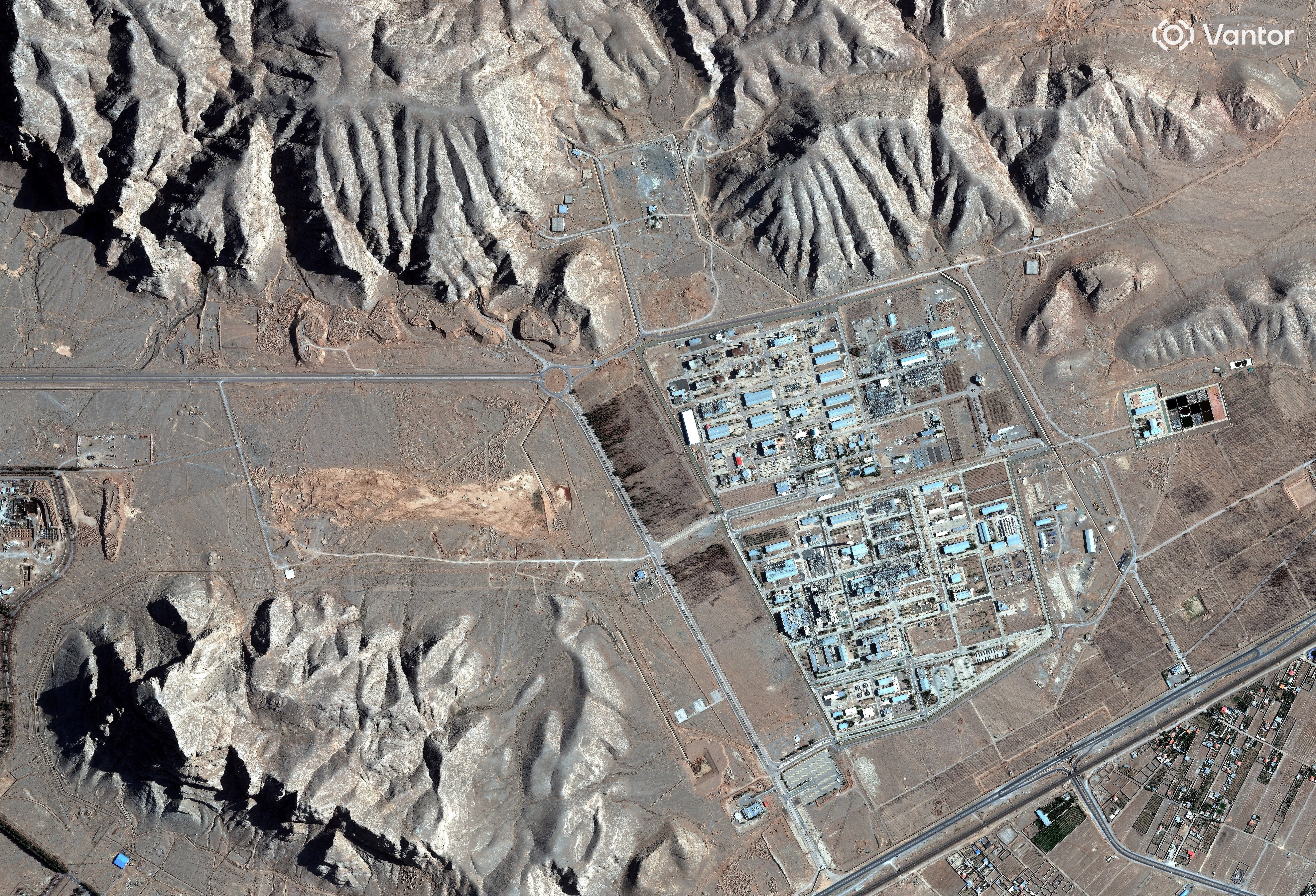
ISIS reported on 9 February that “backfilling the tunnel entrances would help dampen any potential airstrike and also make ground access in a special forces raid to seize or destroy any highly enriched uranium that may be housed inside difficult”.
The facility is believed to operate three small research reactors supplied by China.
It also operates a uranium conversion facility, a fuel production plant and a zirconium cladding plant — all of which play roles in the development of nuclear power plants and weapons.

