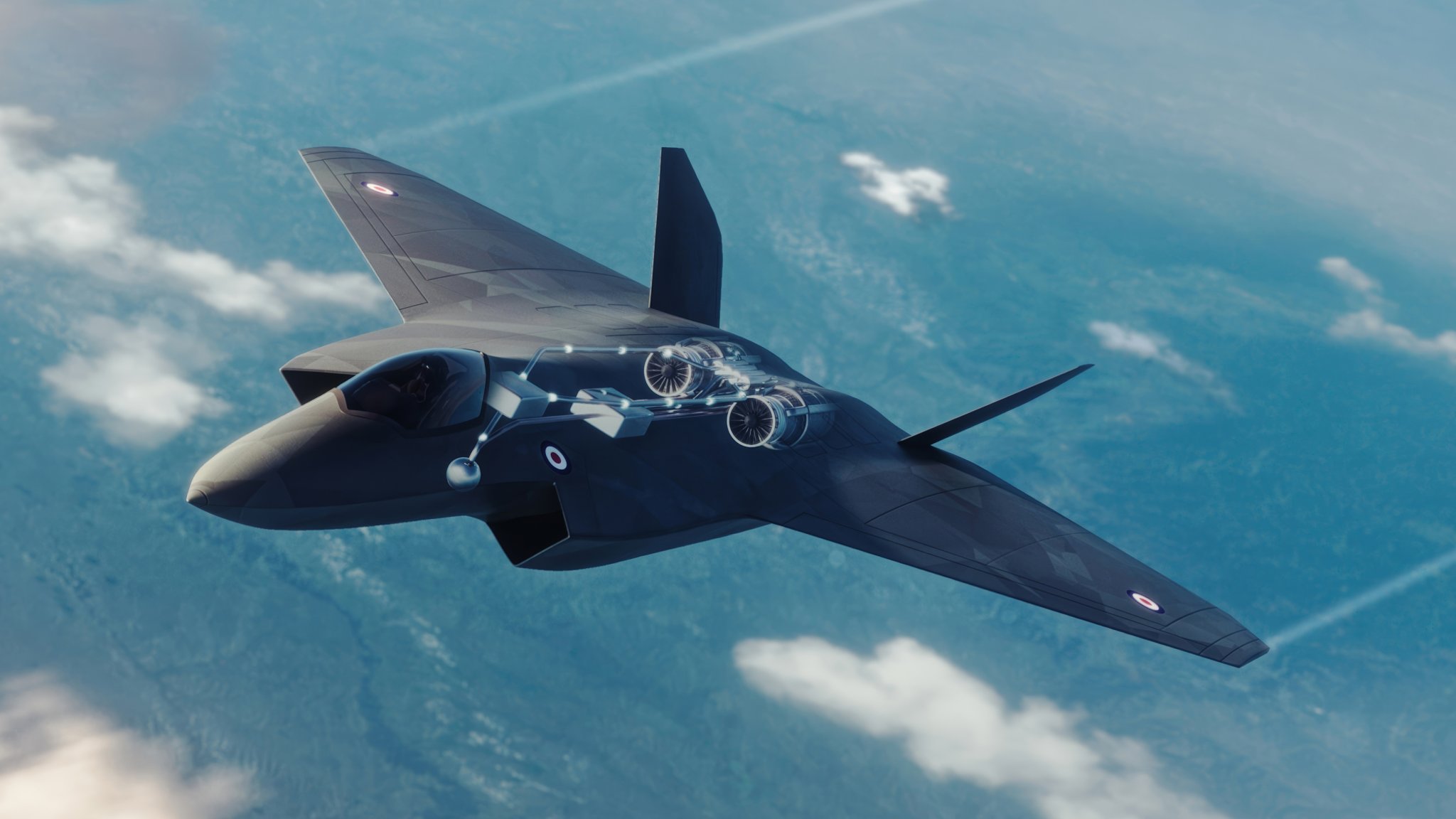
Сингапурын Батлан хамгаалах яам энэ чиглэлээр мэдээлэл цуглуулж буй боловч одоогоор хөтөлбөрт нэгдэх эсэхээ шийдээгүй байна. Тус улсын Агаарын цэргийн хүчин (RSAF) одоогоор F-35 сөнөөгч онгоцуудаа хүлээж авахаар бэлтгэж байгаа бөгөөд шинэ үеийн технологийн хөгжлийг урт хугацааны төлөвлөгөөний хүрээнд анхааралтай ажиглаж байна. GCAP хөтөлбөр нь Tempest сөнөөгч онгоцноос гадна хиймэл оюун ухаан бүхий систем, дэвшилтэт мэдрэгч болон бие даасан нисгэгчгүй онгоцуудыг багтаасан цогц систем бүтээхийг зорьж байгаа юм.
Сингапур улс өмнө нь F-35 хөтөлбөрт 2003 онд Аюулгүй байдлын хамтын ажиллагааны оролцогчоор (SCP) элсэж, 17 жилийн дараа анхны захиалгаа өгч байсан түүхтэй. Батлан хамгаалах салбарын шинжээчдийн үзэж буйгаар, GCAP хөтөлбөрт нэгдэх нь ойрын хугацааны бус, харин ирэх хоёр арван жилд чиглэсэн стратегийн алхам байх төлөвтэй байна. Хэрэв Сингапур энэ чиглэлд алхам хийвэл Канад улсын жишгээр ажиглагчийн статус авах нь хамгийн боломжит хувилбар хэмээн шинжээчид дүгнэжээ.
Одоогоор Сингапурын Агаарын цэргийн хүчин F-15SG болон F-16 сөнөөгч онгоцуудын флотыг ашиглаж байгаа бөгөөд удахгүй F-35A болон F-35B загварын онгоцуудыг хүлээн авч, үйл ажиллагааны бүрэн чадавхыг нь бэхжүүлэхэд анхаарлаа хандуулж байна. Мөн саяхан Австрали улстай байгуулсан Батлан хамгаалах аж үйлдвэрийн салбарын хамтын ажиллагааны гэрээний хүрээнд MQ-28 Ghost Bat зэрэг хамтарсан байлдааны нисгэгчгүй онгоцны технологид анхаарал хандуулах магадлалтай юм.
Дэлгэрэнгүйг эх сурвалжаас харах
↓Эх сурвалжийг нээх ↓
Singapore has started exploring whether to become involved in the Global Combat Air Program (GCAP), a new report suggests. While it doesn’t state that Singapore has decided to join or purchase the Tempest fighter at the center of that program, it is in line with the country’s approach to buying the F-35. At the very least, it would seem to indicate that Singapore is starting to look at the sixth-generation combat aircraft technologies that could follow the Joint Strike Fighter.
According to Janes, Singapore has begun early, informal discussions about possible participation in GCAP. These are described as exploratory, meaning Singapore is gathering information rather than negotiating membership of the program.
The report explicitly states that the Singapore government has not made any decision to become a participant in the program, which makes sense considering that the Republic of Singapore Air Force (RSAF) is still waiting to receive its first F-35s.
GCAP is a joint next-generation air combat program led by the United Kingdom, Japan, and Italy, aiming to field the Tempest sixth-generation combat jet and wider air combat system by around 2035. With the demise of the pan-European Future Combat Air System (FCAS), GCAP is the preeminent Western sixth-generation fighter effort outside of the United States.
GCAP is intended to include not only the Tempest crewed fighter but also an integrated ecosystem of AI-enabled systems, advanced sensors, networking, air-launched weapons, and autonomous ‘loyal wingman’ aircraft.
As for the RSAF, this is a notably modern and capable force, benefitting from considerable investment throughout the years.
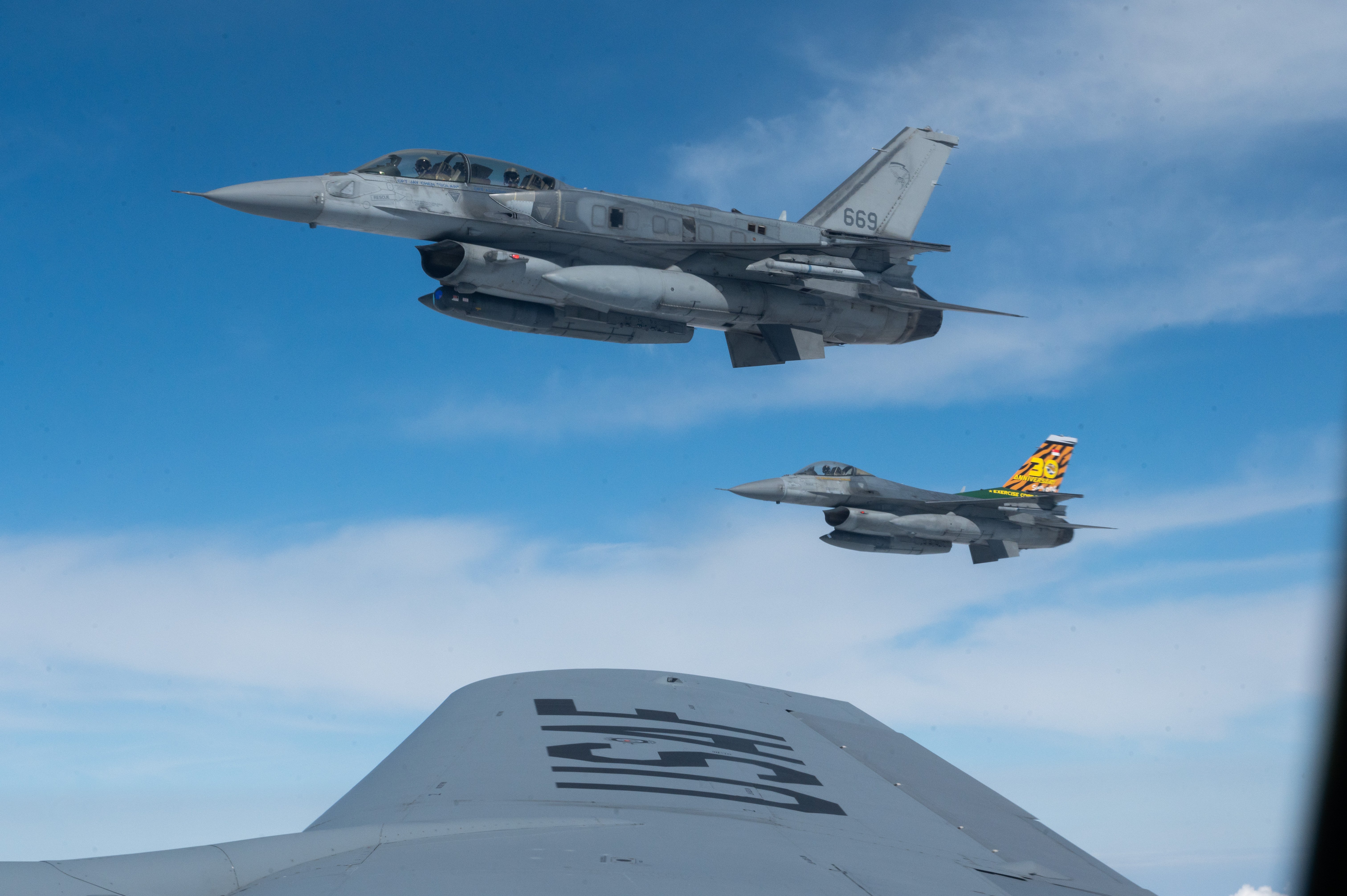
It is currently spearheaded by a combat fleet of 40 F-15SGs, plus 49 F-16C/Ds, a combination of Block 52 and Block 52+ jets.
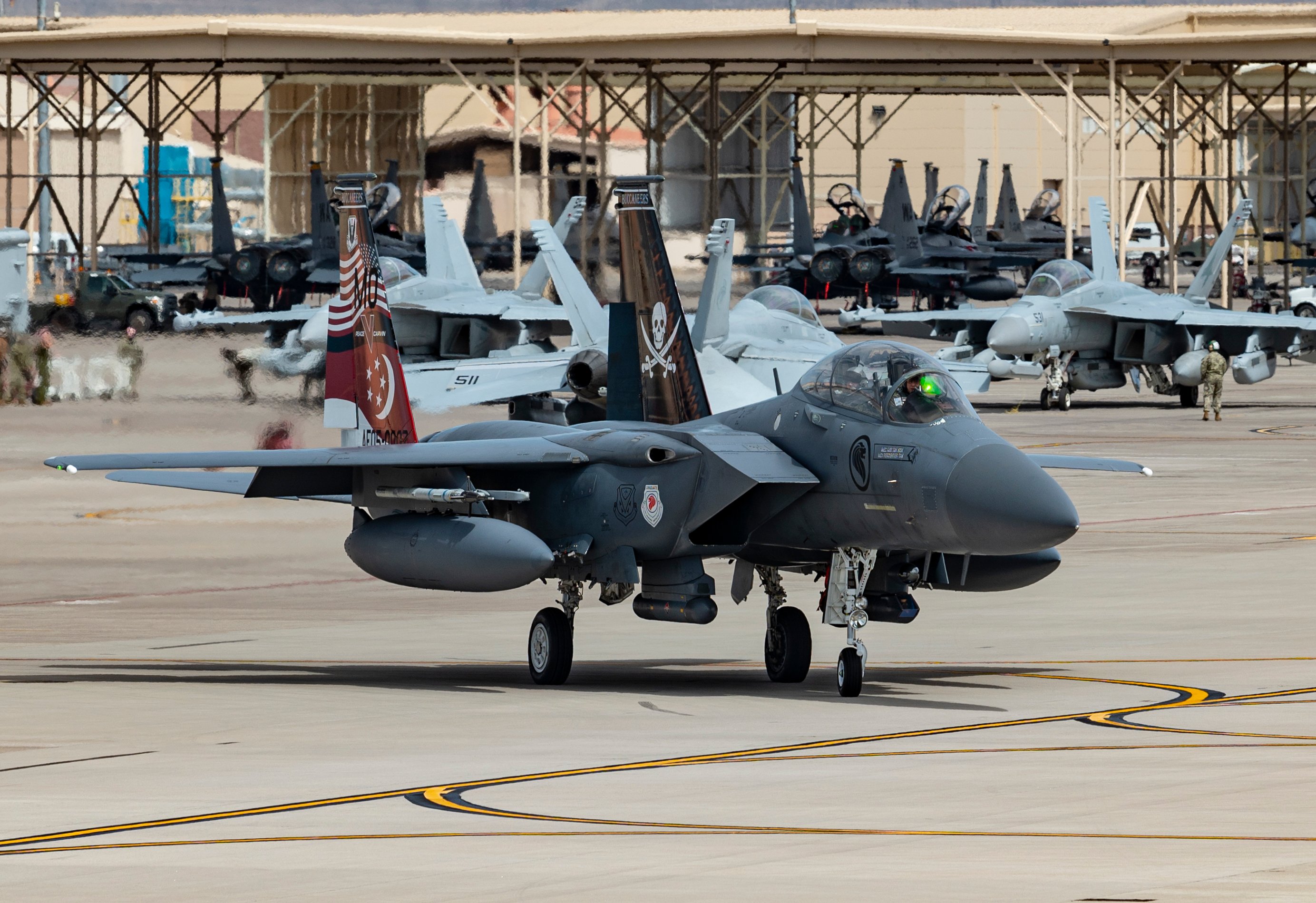
Next, the RSAF will receive eight conventional takeoff and landing (CTOL) F-35As and 12 short takeoff and vertical landing (STOVL) F-35B fighters. The F-35Bs will be the first to arrive, with deliveries due to start before the end of this year. These will initially be based at Ebbing Air National Guard Base in Arkansas for training, with the first F-35Bs scheduled to be stationed in Singapore from 2029.
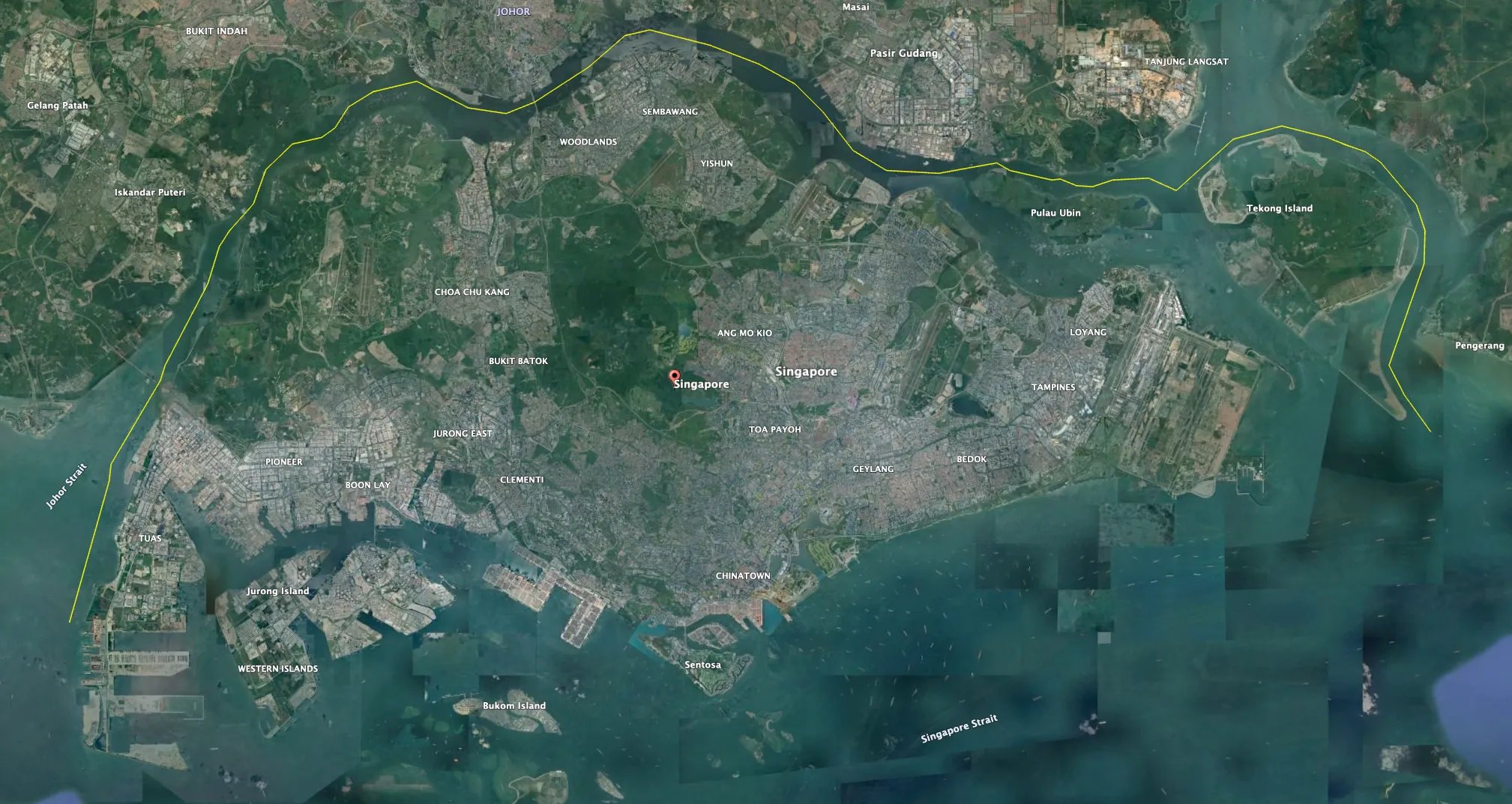
In total, Singapore covers an area of less than 280 square miles, putting unique strains on the RSAF.
In preparation for the F-35B, the RSAF is extending the runway at Pulau Sudong, an offshore location, which will reduce the noise burden on more populated areas. The existing runway will be extended from around 6,500 feet to approximately 9,800 feet, with work to be completed by 2028. The growing demand for training capacity is something that has previously led the RSAF to look at having a detachment in Guam, but the reworked Pulau Sudong should help address the issue.
The RSAF has traditionally acquired the best available Western-made equipment to meet its combat aircraft needs. Looking at what is currently the only sixth-generation combat jet that is likely to be available to Singapore for the foreseeable future makes sense. However, as Roy Choo, a defense journalist and TWZ contributor, noted, deeper involvement in GCAP would be years away.
“From this news, it appears they may have identified a future requirement for a sixth-generation fighter, although this is unlikely to transition into a program of record for at least another two decades,” Choo explained. “As with most operators, Singapore engages with industry to stay informed about available market offerings all the time.”
In the next decade or so, the RSAF will likely remain focused on its F-35A/B program and on bringing these aircraft up to full operational capability.
Another upcoming program will be a midlife upgrade for the F-15SG, deliveries of which first began in 2008. Choo expects work on this to begin once the ongoing F-16 upgrade is finished. The F-16s are set to remain in service into the mid-2030s, according to Singapore Chief of Air Force Maj. General Kelvin Fan. The F-15SG will be around longer, giving considerable lead time for it to be replaced by a sixth-generation platform.
When it comes to a path to a potential Singapore Tempest acquisition, it is worth looking at the approach taken with the F-35.
Singapore joined the F-35 program as a Security Cooperative Participant (SCP) in 2003 when it identified the fifth-generation fighter as a potential replacement for its F-16s. At that time, Choo notes, Singapore was still receiving its F-16s and was yet to select a contender for its Next Fighter Replacement Program (NFRP) — it eventually chose the F-15SG in 2005.
Singapore placed an initial order for four F-35B in 2020, a full 17 years after joining the program as an SCP. This is very much an indication of the long-term view Singapore takes in its defense procurement.
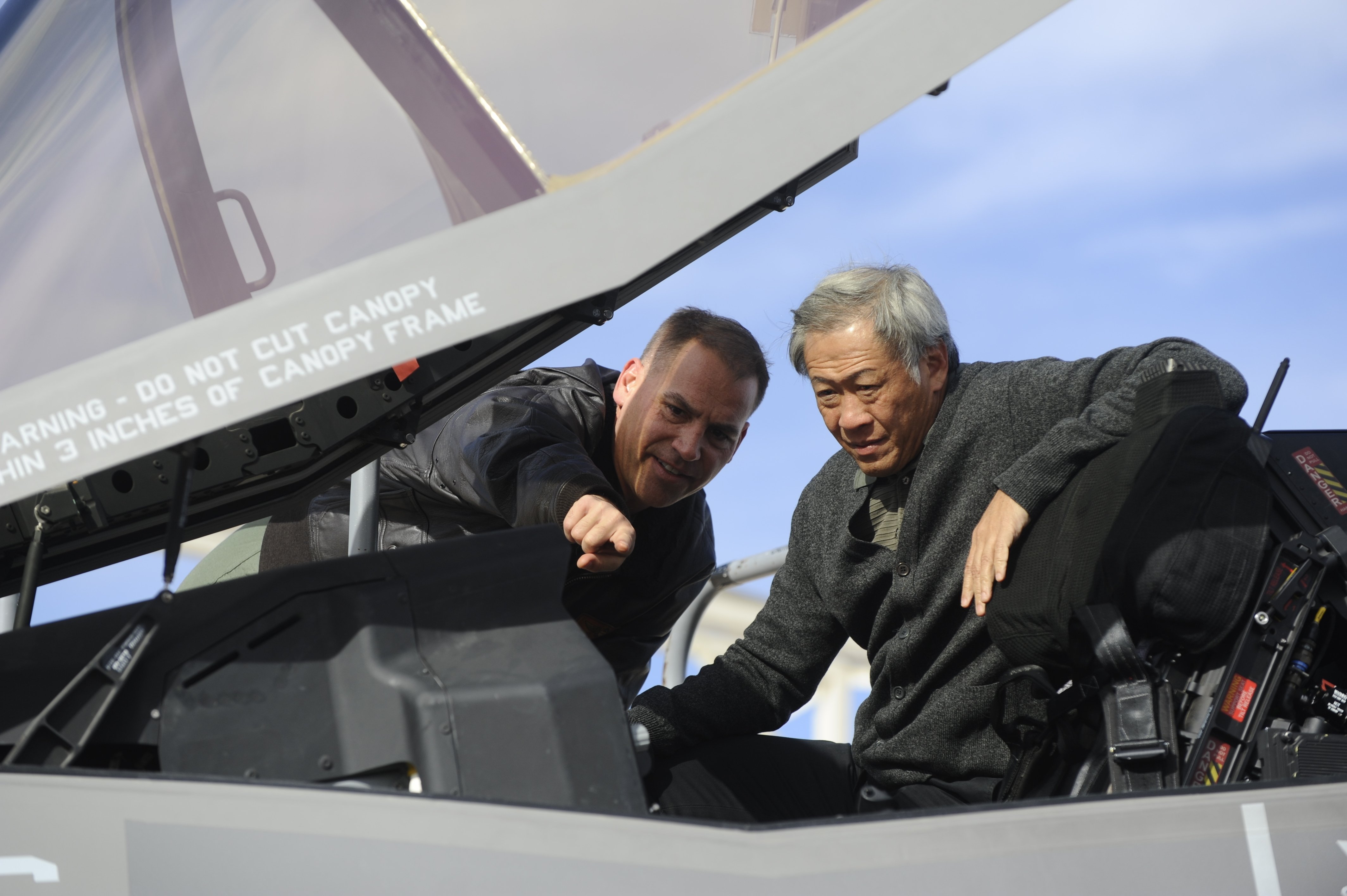
If Singapore were to join GCAP, it would likely be part of a long-term view toward acquiring a sixth-generation fighter capability.
While Singapore has maintained generally good relations with Beijing, it is acutely aware of its economic vulnerability in the face of rising tensions in the South China Sea as China makesincreasingly forceful movestoassert its claimsin the region. With China preparing for potential contingencies in the South China Sea through the continued expansion of its anti-access and area-denial (A2/AD)capabilitiesin the region, the People’s Liberation Army Air Force — busy working on its own sixth-generation platforms — is very much the pacing threat.
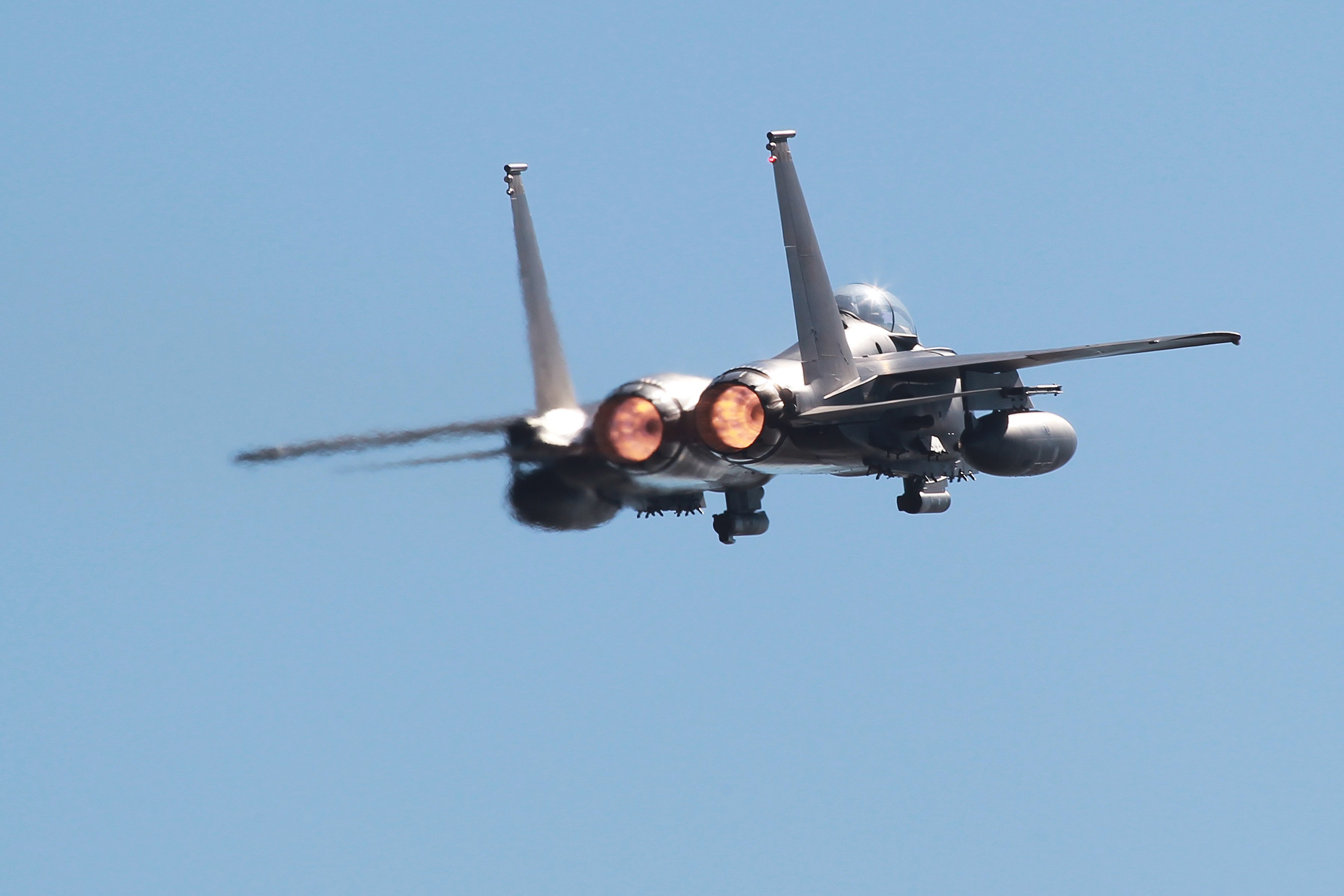
Given Singapore’s prudent approach to defense procurement, it is unlikely to commit large sums of money to a program at such an early stage of development.
If pursued, a likely option would be for Singapore to join GCAP with observer status, something that Canada (another F-35 customer) recently signed up to do. “This would give greater visibility of GCAP’s governance and capabilities,” Choo added. “After all, Singapore doesn’t have the deep technological know-how as the other full-tier partners.”
“An observer status would fit with its cautious and non-committal approach to the program just as it did with the F-35 SCP membership.”
Potentially, GCAP could provide a platform for Singapore to build future relationships with other partners and secure a workshare arrangement involving supply chain and maintenance work. That would all be a long way off, however.
Logically speaking, the RSAF’s next procurement project will likely involve a collaborative combat aircraft (CCA) to build combat mass.
Interestingly, earlier this week, Singapore and Australia signed the Industrial Base Resiliency Arrangement (IBRA), which establishes a practical framework for closer defence industrial cooperation between the two nations.
The IBRA “allows both countries to engage in cross-sustainment of common defense platforms, examine priority delivery requests for defence orders, streamline equipment transfers, foster defence industry partnerships, and facilitate information exchanges to mitigate supply chain risk.”
When it comes to common defense platforms, it’s not hard to imagine that the MQ-28 Ghost Bat could be in the RSAF’s thoughts. At the same time, the F-35A and the P-8A maritime patrol aircraft will also offer commonality with Australia once they arrive in RSAF service.
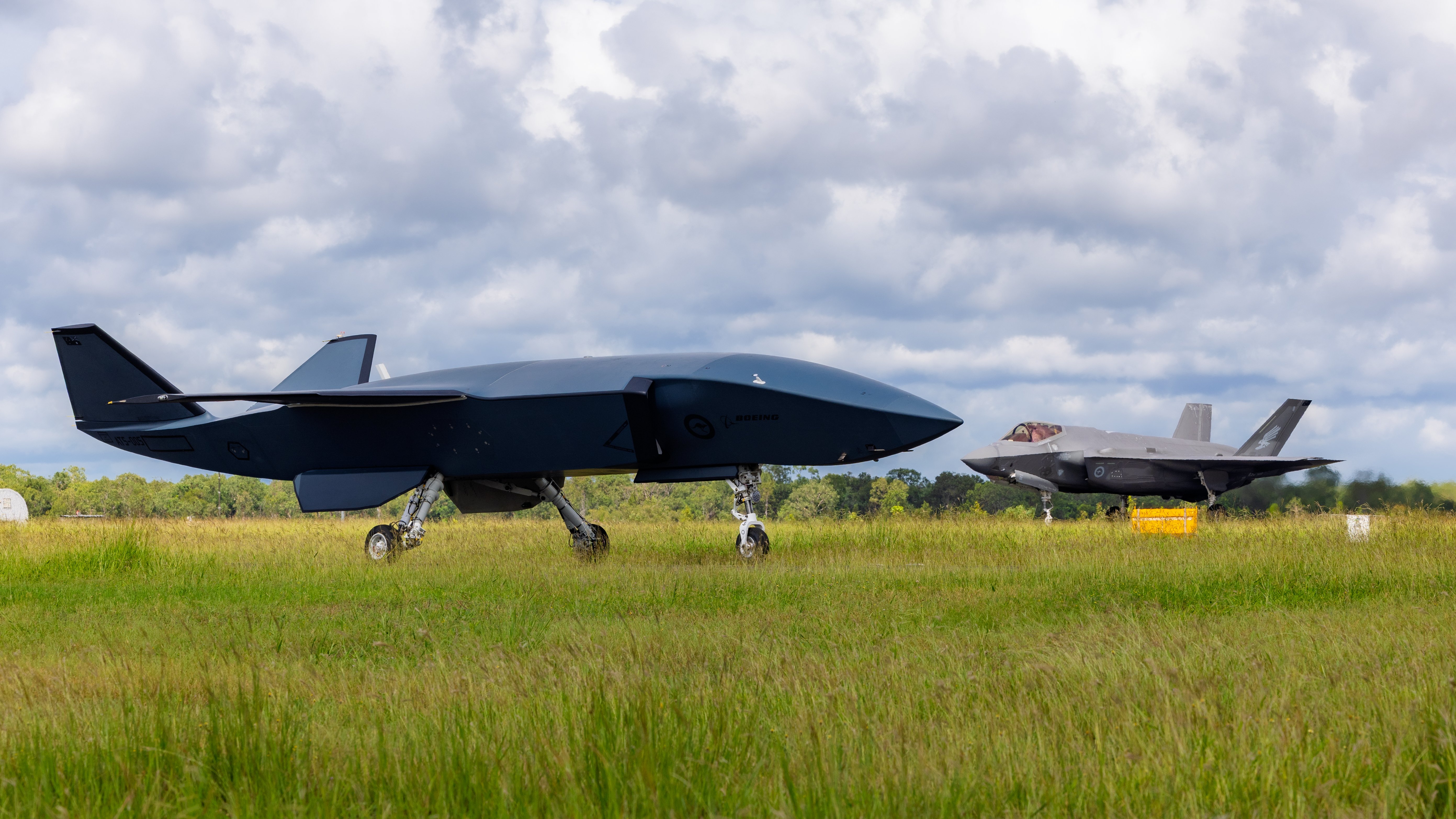
Singapore has a history of studying major defense programs years before making procurement decisions. Whether it intends to buy the Tempest in the future or not, the report is the first known indication that Singapore is formally examining possible links to GCAP, and looking at sixth-generation combat aircraft more generally.
Contact the author: thomas@thewarzone.com
The post Singapore Reportedly Looking Toward 6th Gen Fighter Future With Interest In GCAP Program appeared first on TWZ.

